Quick answer
The most sustainable lingerie is the piece you actually wear, wash gently, and keep for years. Look for stretch lace that adapts to your body, avoid unnecessary padding or hardware, and wash in cool water with a mild detergent. If a brand does not publish fiber content or care instructions, treat that as a missing fact, not a green claim.
Most lingerie is small, but its footprint is not. Synthetic lace, elastane blends, and throwaway fast fashion habits add up, which is why more shoppers search for sustainable lingerie and eco friendly underwear that still feels good against the skin. The good news: you do not need a completely new drawer. You need better fabric choices and better care habits.
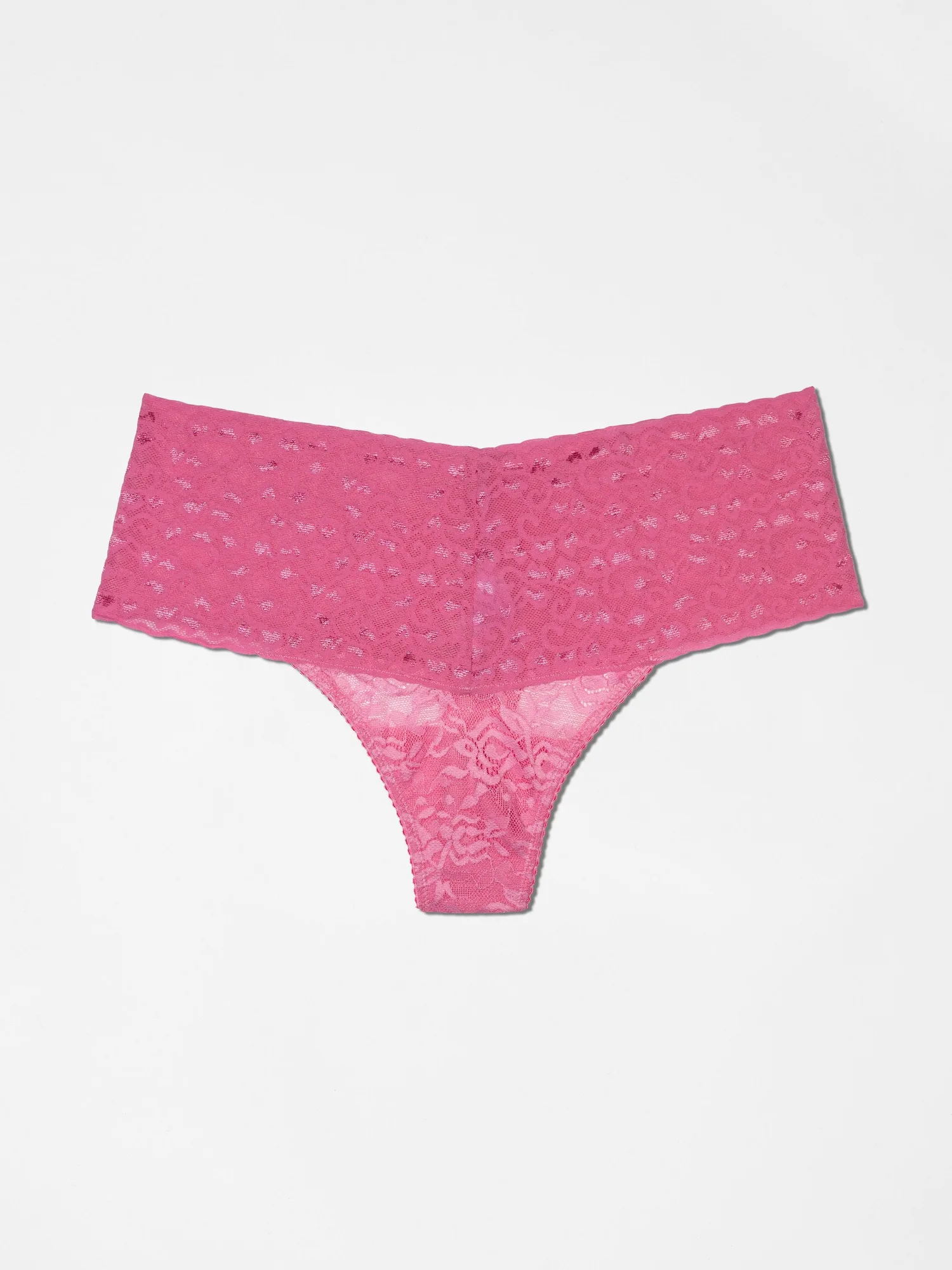
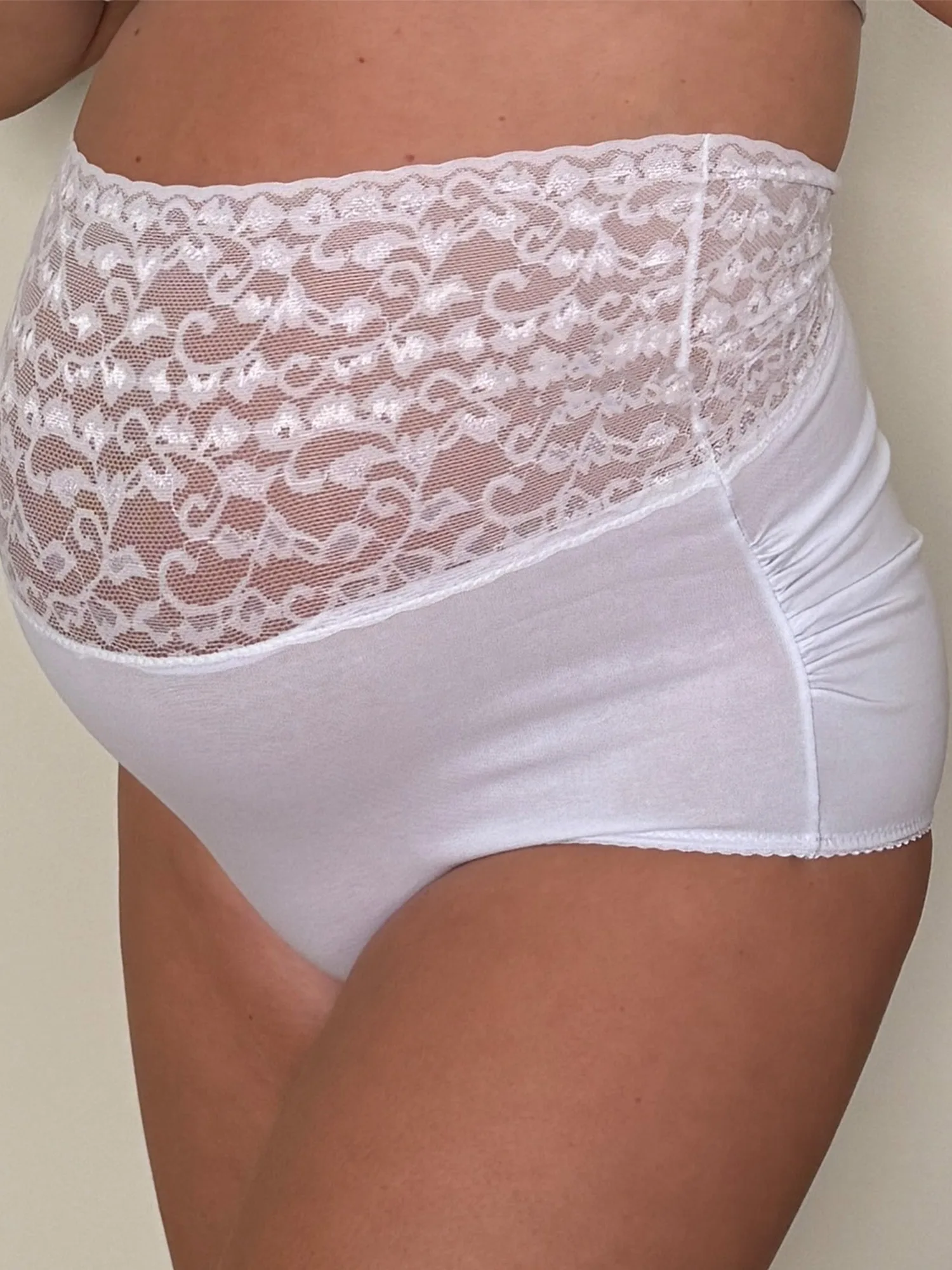
This guide explains what sustainable fabrics in lingerie actually mean, how to judge ethical lingerie brands without greenwashing, and how to wash and store pieces so they last. It also shows where Lace Laboratory's stretch lace fits, including pieces like the Lace Thong - Italian Plum and the Maternity High Waist Thong - Coconut white.
What makes lingerie sustainable
Sustainability in lingerie comes down to three things: what the fabric is made of, how long the garment lasts, and how you care for it. A single well-made lace thong worn twice a week for two years has a far lower impact than six cheap replacements. That is why durability and fit matter as much as fiber labels.
Fiber content is the first checkpoint. Natural fibers like silk and modal biodegrade more readily than pure synthetics, while stretch lace typically blends nylon and elastane for recovery. No fiber is perfect. The practical question is whether the piece stretches to fit your body and keeps its shape after washing, because a garment that bags out gets replaced sooner.
- Check the care label before buying: cool hand wash and air dry are the most fabric-friendly instructions.
- Prefer pieces with minimal padding and hardware, which are harder to recycle and slower to dry.
- Buy one color you will actually wear rather than three you will save for later.
Sustainable fabrics in lingerie: what to look for
Silk is the classic natural option: smooth, breathable, and comfortable against sensitive skin. It needs gentle handling, but a silk-front Brazilian worn regularly can replace several synthetic everyday pairs. Modal, a semi-synthetic made from wood pulp, is another soft choice that resists shrinking better than many alternatives.
Stretch lace is where most everyday lingerie lives. Lace Laboratory's signature lace is engineered to stretch up to 150% while maintaining support, which is a practical sustainability point: a garment that adapts to your body shape does not need to be replaced when your weight or comfort needs shift. That said, the catalog does not list a recycled content percentage for these pieces, so if recycled fiber is a must-have for you, ask the brand directly before buying.
- Silk front, lace waistband styles give you natural fiber where it touches skin and stretch where you need it.
- Modal blends are a good middle ground for everyday thongs.
- If a product page does not state fiber percentages, treat that as unknown rather than assuming it is eco-friendly.
How to spot ethical lingerie brands without greenwashing
Vague words like green, clean, or conscious mean little without specifics. Ethical lingerie brands usually publish fiber content, where the garment is made, and how to care for it. They also avoid claiming a product is fully biodegradable when it contains elastane, which does not break down like natural fibers.
A useful test is to look for concrete numbers. A brand that says its lace stretches up to 150% is giving you a fit fact you can verify in the mirror. A brand that says it is eco-friendly without any fabric or care detail is asking you to take it on faith. Use the product page as your evidence, not the marketing banner.
- Look for care instructions on the product page, not just on the tag after arrival.
- Be skeptical of compostable claims on any garment containing elastane.
- Check whether the brand sells replacement pieces in the same color, which makes it easier to keep a set going.
Eco lingerie care: washing and storing for a longer life
How you wash matters more than what you buy. Heat and friction are what break down stretch lace, so cool water and a gentle detergent do most of the work. Hand washing is ideal, but a mesh bag on a delicate cycle is a realistic compromise if you rinse in cool water and skip the dryer entirely.
Storage is the other half. Fold lace flat rather than hanging it by the straps, which stretches the elastic over time. Rotate your everyday pieces so no single thong or bralette takes all the wear. If you own a silk-front style, keep it away from rough zippers and hooks that can snag the surface.
- Wash after one or two wears, not after every single wear, to reduce fiber stress.
- Never tumble dry stretch lace; lay flat or hang to air dry.
- Store folded in a drawer, not on a hanger, to protect the stretch.
Building a smaller, greener lingerie drawer
A sustainable drawer is not about owning less for its own sake. It is about owning pieces that work across outfits and seasons. A neutral thong and a lace bralette in a color you wear often will get more use than a novelty set. Start by replacing the pieces you reach for most, not the ones on sale.
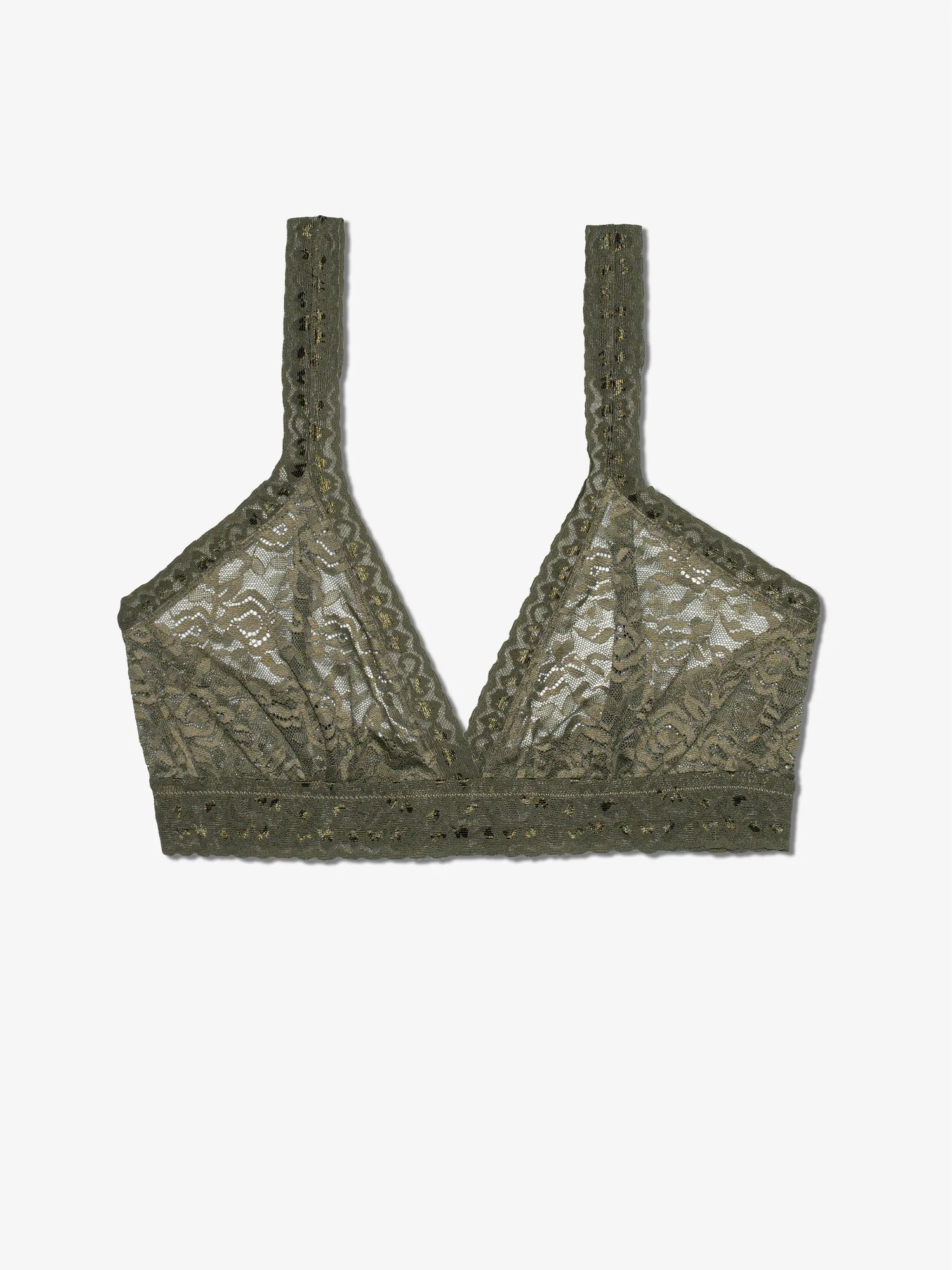
If you are rebuilding, choose one base color and one accent. Lace Laboratory's Forest Muse bralette is designed to make a set with any of the brand's panty styles, which means one bralette can pair with several bottoms instead of requiring a matching set for every mood. That pairing flexibility is a quiet sustainability win.
- Replace your most-worn thong first, then your everyday bralette.
- Choose one accent color that works with your existing wardrobe.
- Keep a small repair kit for loose hooks and stray threads.
Decision rules for buying sustainable lingerie
- If fiber content is not listed: Do not assume the piece is eco-friendly. Ask the brand or check the care label before buying, because a sustainability claim without fiber detail is unverifiable. No fiber info, no green claim.
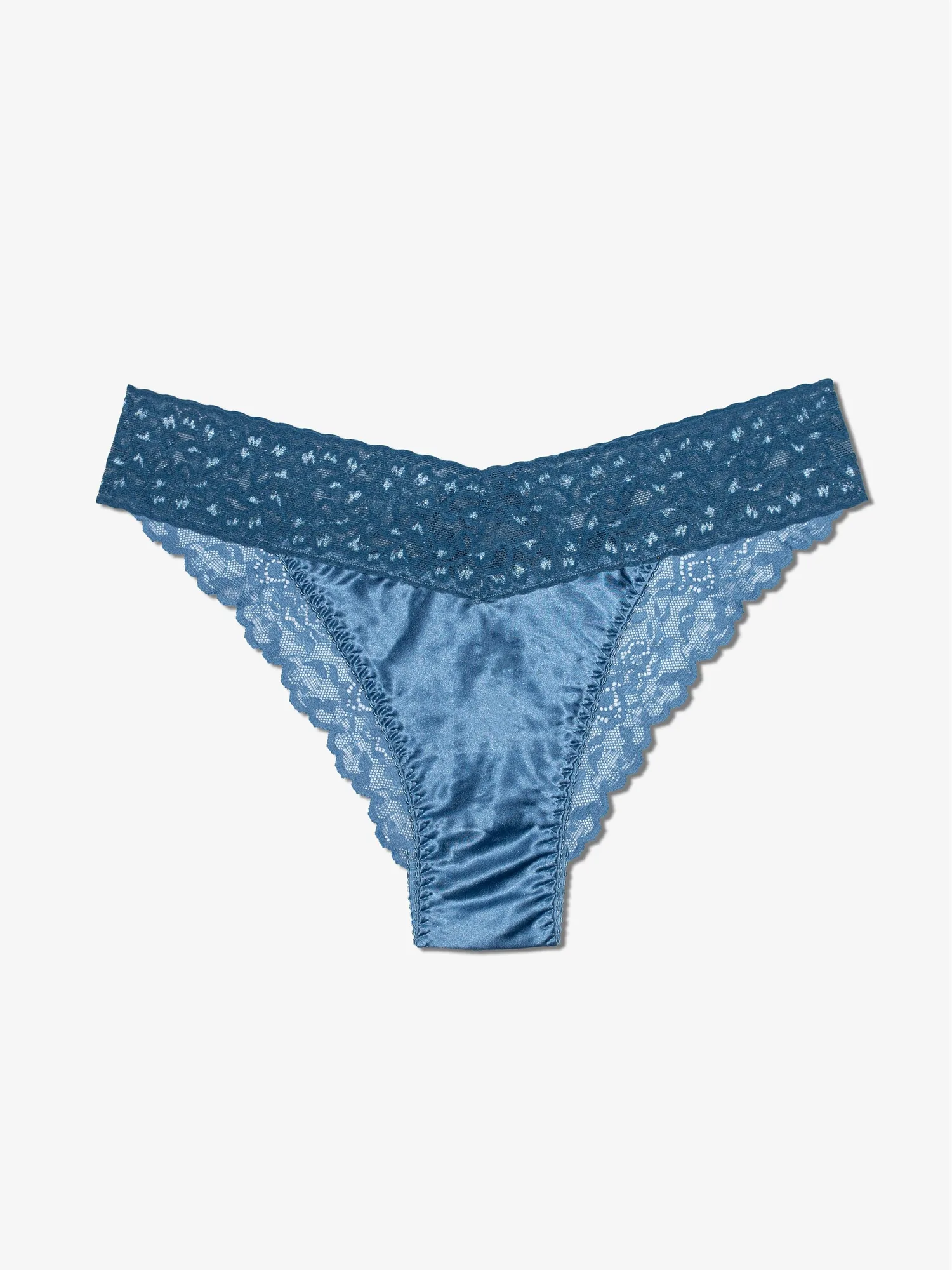
- If you want natural fiber against skin: Choose a silk-front style like the Silk Brazilian - Ice Queen, which pairs a smooth silk front with a stretch lace waistband for comfort and fit. Natural where it touches, stretch where it moves.
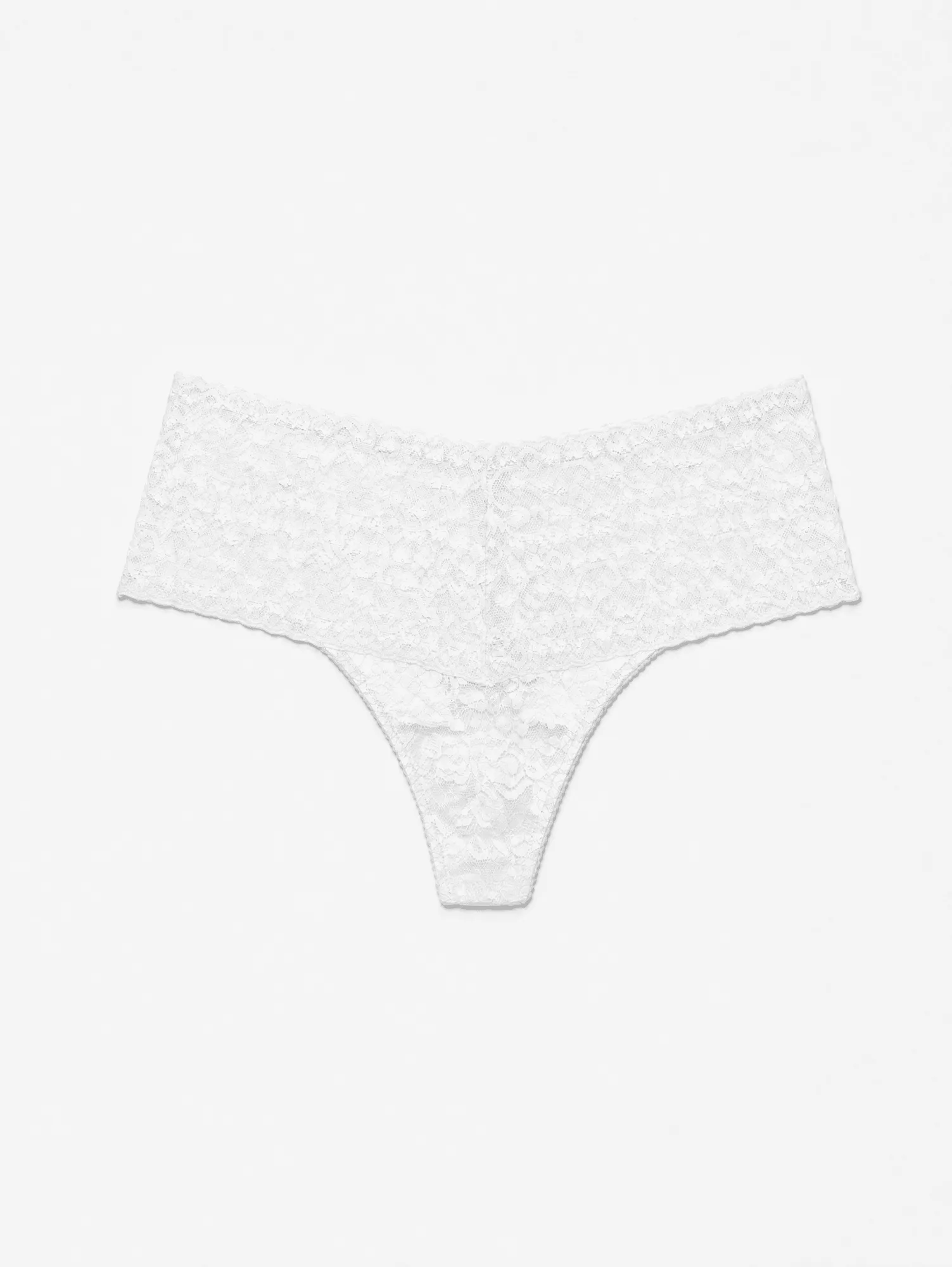
- If you want one piece to last through body changes: Look for lace that stretches up to 150% and keeps its shape, such as the Maternity High Waist Thong - Coconut white or the High Waist Thong - Bubblegum. Adaptive fit equals fewer replacements.
- If you air dry and wash cool: You can realistically extend the life of stretch lace and silk blends. Skip the dryer and fold flat rather than hanging by the straps. Care habits beat fiber labels for real impact.
Lace Laboratory pieces that fit a sustainable routine
- Lace Thong - Italian Plum: Signature stretch lace engineered to stretch up to 150% while maintaining support, with a lightweight, soft feel and a smooth, minimal-show finish under clothing. A thong that adapts to your body and holds its shape gets worn longer and replaced less often, which is the most direct way to lower your lingerie footprint.
- Silk Brazilian - Ice Queen: A smooth silk front paired with soft lace and a signature lace waistband that stretches up to 150%, with mid coverage and a barely-there feel. Silk gives you a natural fiber where it touches skin, while the stretch waistband keeps the fit comfortable enough for everyday wear rather than special occasions only.
- Maternity High Waist Thong - Coconut white: Crafted in signature stretchable lace with a high-waist design for gentle coverage, and stretches up to 150% to accommodate a changing body. A piece that adapts through pregnancy stages means fewer size replacements and a longer wearable life, which is both practical and lower waste.
- Lace Bralette - Forest Muse: Wire-free and padding-free, made in signature stretchable lace with adjustable straps and a back clip, and designed to make a set with any of the brand's panty styles. Fewer components mean easier care and less material, and the mix-and-match design lets one bralette extend the life of several bottoms.
Who this approach is for
Best for
- Shoppers who want fewer, longer-lasting pieces instead of a large rotation of cheap lingerie
- Anyone rebuilding a drawer around neutral, mix-and-match lace and silk styles
- People whose body size or shape changes and who need stretch that adapts rather than a rigid fit
Not for
- Shoppers who need certified recycled or organic fiber percentages, since those figures are not listed for these pieces
- Anyone who expects to machine wash and tumble dry lace without shortening its life
- Buyers looking for fully compostable lingerie, because elastane blends do not break down like natural fibers
Sustainable lingerie is less about a label and more about a habit: choose stretch lace or silk you will actually wear, wash it cool, air dry it, and fold it flat. Start with one piece you reach for weekly, and let the drawer grow slowly.