Quick answer
An elastic bandage with self-closure is best for mild to moderate sprains, strains, and swelling where you need adjustable compression without pins or tape. Use it to secure a splint, hold an ice pack, or control swelling around a joint. For severe bleeding or open fractures, choose a trauma dressing instead.
How to apply an elastic bandage with self-closure
Start with the bandage rolled up. Hold the loose end against the limb a few inches below the injury. Wrap upward in overlapping turns, keeping even tension — snug but not tight enough to cause numbness or change skin color. Overlap each layer by about half the bandage width.
After covering the injured area, secure the self-closure tab by pressing it firmly onto the outer layer. The hook-and-loop material holds without clips or tape. Check circulation by pressing a nail bed: color should return within two seconds. Loosen and rewrap if it takes longer or if the area feels numb or tingly.
For sprains, apply the bandage over a thin layer of padding or directly over clothing. Avoid wrapping directly over an open wound. If you need to secure a splint or hold a dressing in place, wrap firmly but not tightly enough to restrict movement of the joint above and below.
When not to use an elastic bandage with self-closure
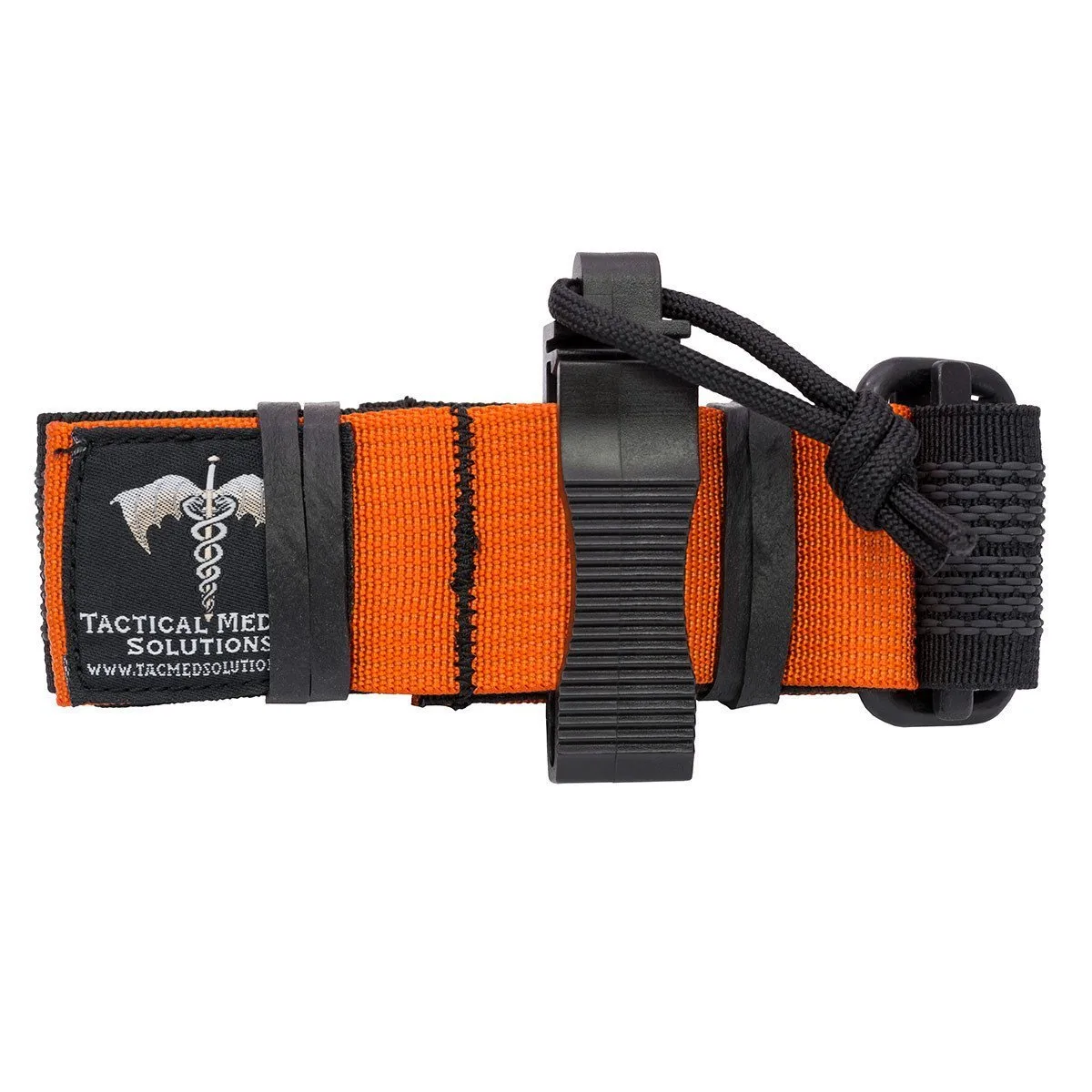
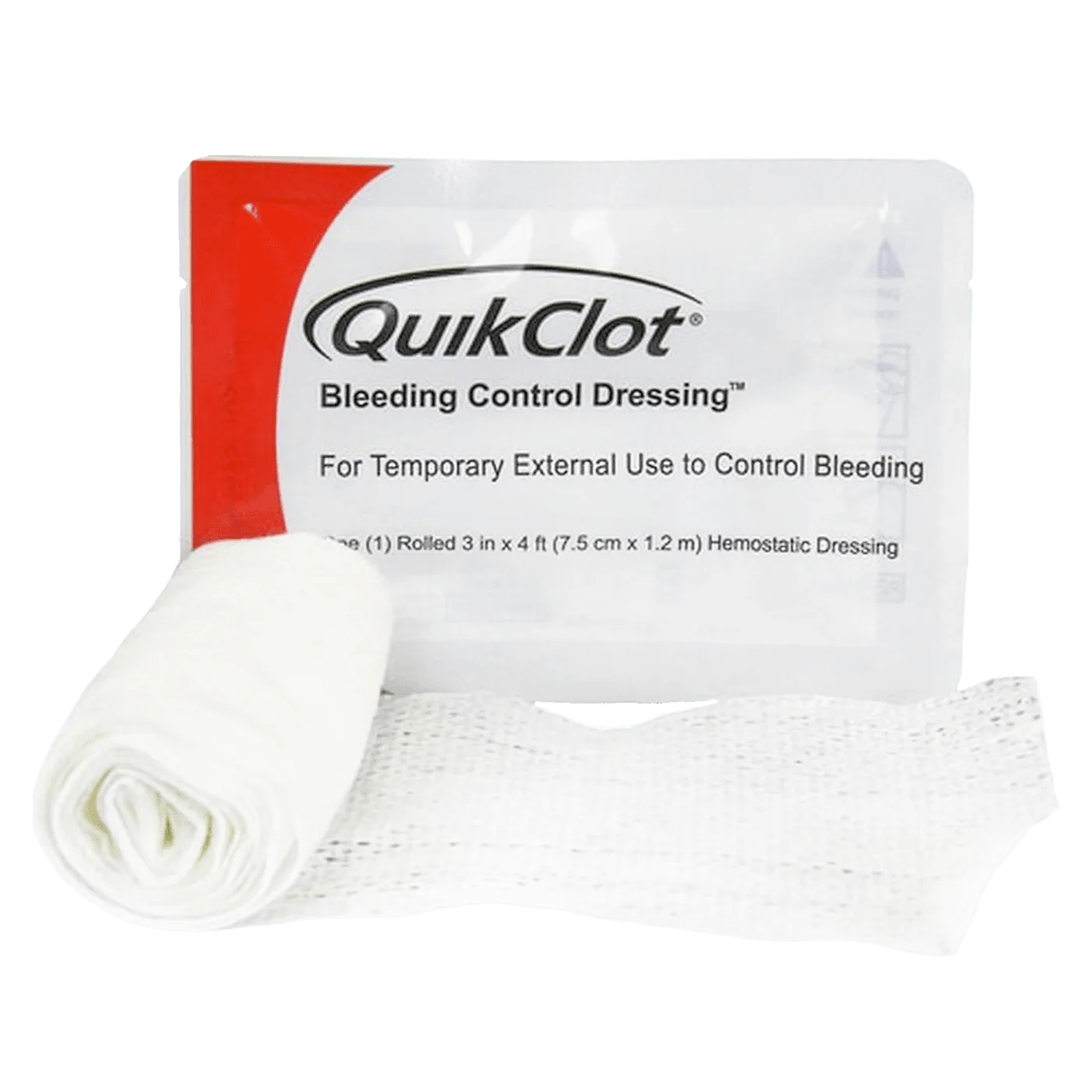
Do not use an elastic bandage on an open fracture, deep laceration with active bleeding, or a suspected arterial injury. These require direct pressure, a tourniquet, or a hemostatic dressing — not compression wrap. Also avoid using it if the limb is already cold, pale, or numb, as compression can worsen circulation.
For minor cuts or scrapes, a simple adhesive bandage works better. For severe bleeding, reach for a trauma kit like the Sidekick IFAK pouch, which contains over 60 life-saving supplies including pressure bandages and hemostatic agents.
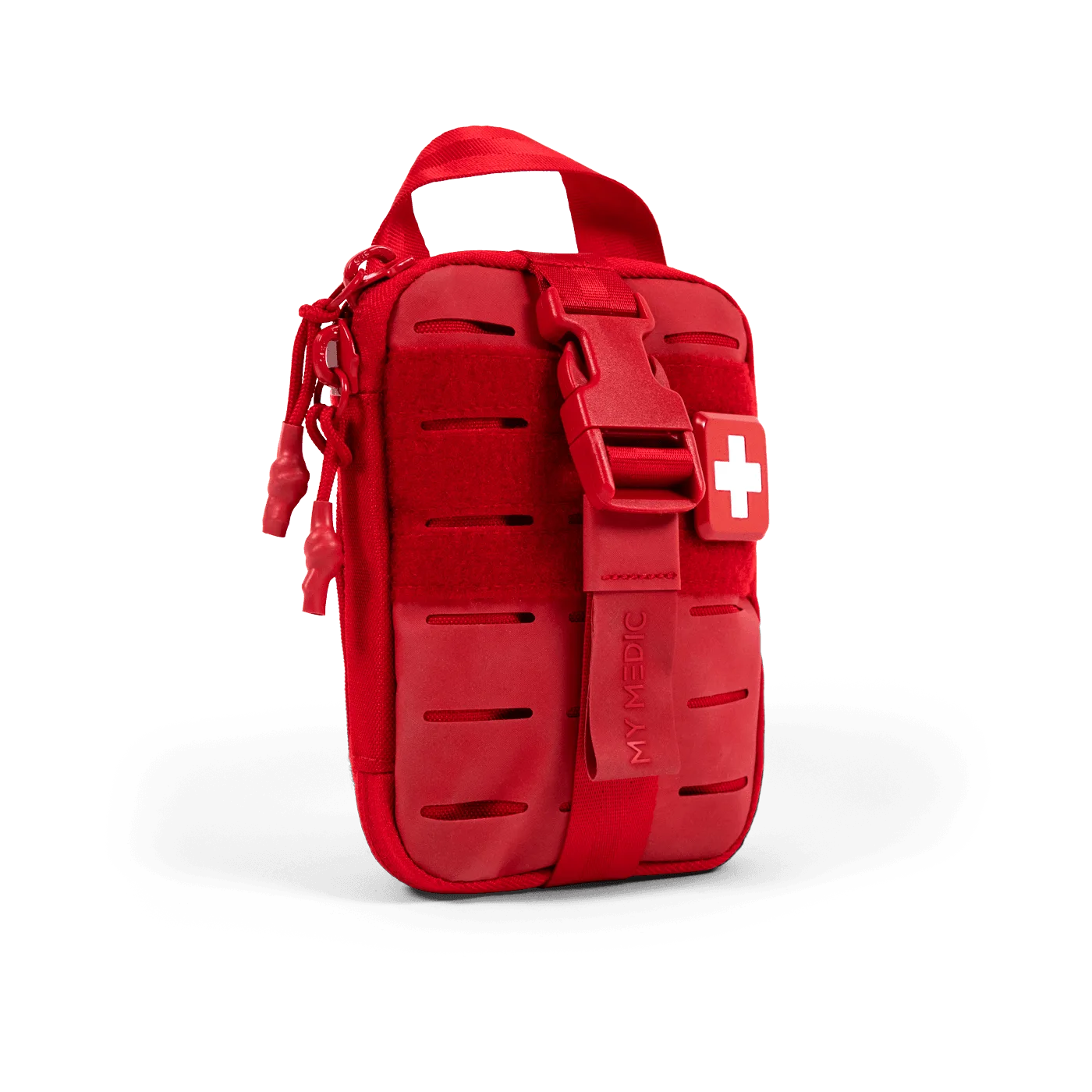
Sidekick
Diagnosis: Is an elastic bandage with self-closure the right tool?
- Symptom: You have a sprained ankle, strained wrist, or mild swelling around a joint. The skin is intact and there is no active bleeding. Likely appropriate for compression.
- Likely cause: Overstretching or minor tearing of ligaments or muscles from activity, fall, or twist. Swelling results from fluid accumulation in the tissue. Compression helps reduce swelling and supports the injured area.
- Corrective action: Apply the elastic bandage with self-closure using the technique described above. Wrap from below the injury upward, with even tension. Secure the tab. Check circulation every 10 minutes. Reapply if numbness or discoloration occurs.
- Stop and choose another option: If you see an open fracture, bone protruding, severe bleeding that soaks through the bandage, or the limb is already cold/pale/numb, do not use an elastic bandage. Use a trauma dressing or tourniquet instead. Elastic bandage is not for trauma or compromised circulation.
Product fact: Elastic Bandage with Self-Closure 2 Pack
- Elastic Bandage with Self-Closure 2 Pack: Commonly used to treat muscle sprains and strains by reducing the flow of blood to a particular area. Can also secure a splint, keep other bandages secure, act as a pressure dressing, hold an ice pack in place, and control swelling around an injured joint. This single product covers multiple first-aid scenarios — sprains, splinting, and swelling control — making it a versatile addition to any home or travel kit. The self-closure design means you don't need extra tape or pins.