Quick answer
Start with a product that lists the actual amount of elderberry extract per serving, take it at the first sign of a cold, and follow the label rather than guessing. If you take an immune-support supplement daily, keep the dose steady and stop if you notice stomach upset. Elderberry is not a cure, and it does not replace sleep, fluids, or medical care.
Elderberry shows up in gummies, syrups, capsules, and lozenges, and most labels make it sound like a cure-all. It is not. The practical question is simpler: how do you use elderberry for immune support without wasting money or guessing at a dose?
This guide walks through the steps in order, from reading the label to timing your dose and knowing when to stop. It is written for people who want a clear routine, not a promise that elderberry will keep them from ever getting sick.
Step 1: Read the label before you buy
Most elderberry products do not list how much elderberry is actually in a serving. Some list a proprietary blend, which means the individual amounts are hidden. Look for a number, such as milligrams of elderberry extract or a standardized extract percentage, so you know what you are taking.
Also check whether the product is a syrup, gummy, capsule, or lozenge. That choice affects how easy it is to take and how much sugar you get. A syrup may be easier for children, while a capsule is simpler for adults who do not want the sugar or the taste.
- Checkpoint: If the label does not state an amount of elderberry per serving, treat that as a reason to keep looking.
- Common mistake: Assuming a bigger bottle means a stronger dose. The serving size is what matters.
Step 2: Pick a form you will actually take
Elderberry comes in several forms, and the right one is the one you will use consistently. Capsules and softgels are convenient and travel well. Syrups are easy to measure but often contain added sugar. Gummies are pleasant but may have a lower elderberry amount per serving and can be easy to overeat.
If you are choosing for a child, check the label for age guidance. Many adult products are not intended for young children. If you are pregnant, nursing, or taking medication, talk with your clinician before adding elderberry.
- Checkpoint: Choose the form you can take at the same time each day without hassle.
- Common mistake: Buying a large syrup bottle when you travel often, then letting it sit unused.
Step 3: Start at the label dose and stay consistent
There is no single official elderberry dosage. The most reliable starting point is the serving size printed on your product. Take that amount rather than doubling up because you feel a tickle in your throat. More is not automatically better and may increase the chance of stomach upset.
If you are using elderberry for cold-season support, a common approach is to take it daily through the season. If you are using it only when you feel something coming on, start at the first sign and follow the label. Either way, consistency matters more than a large one-time dose.
- Checkpoint: Set a daily reminder so you do not skip days and then try to catch up.
- Common mistake: Taking several extra servings on day one, which does not help and may cause nausea.
Step 4: Time it around food and other supplements
Elderberry is generally taken with or without food, but if it upsets your stomach, take it with a meal. If you already take a daily multivitamin, vitamin C, zinc, or vitamin D3, elderberry can fit alongside them. There is no need to take everything at once, but spacing them out can make it easier to remember.
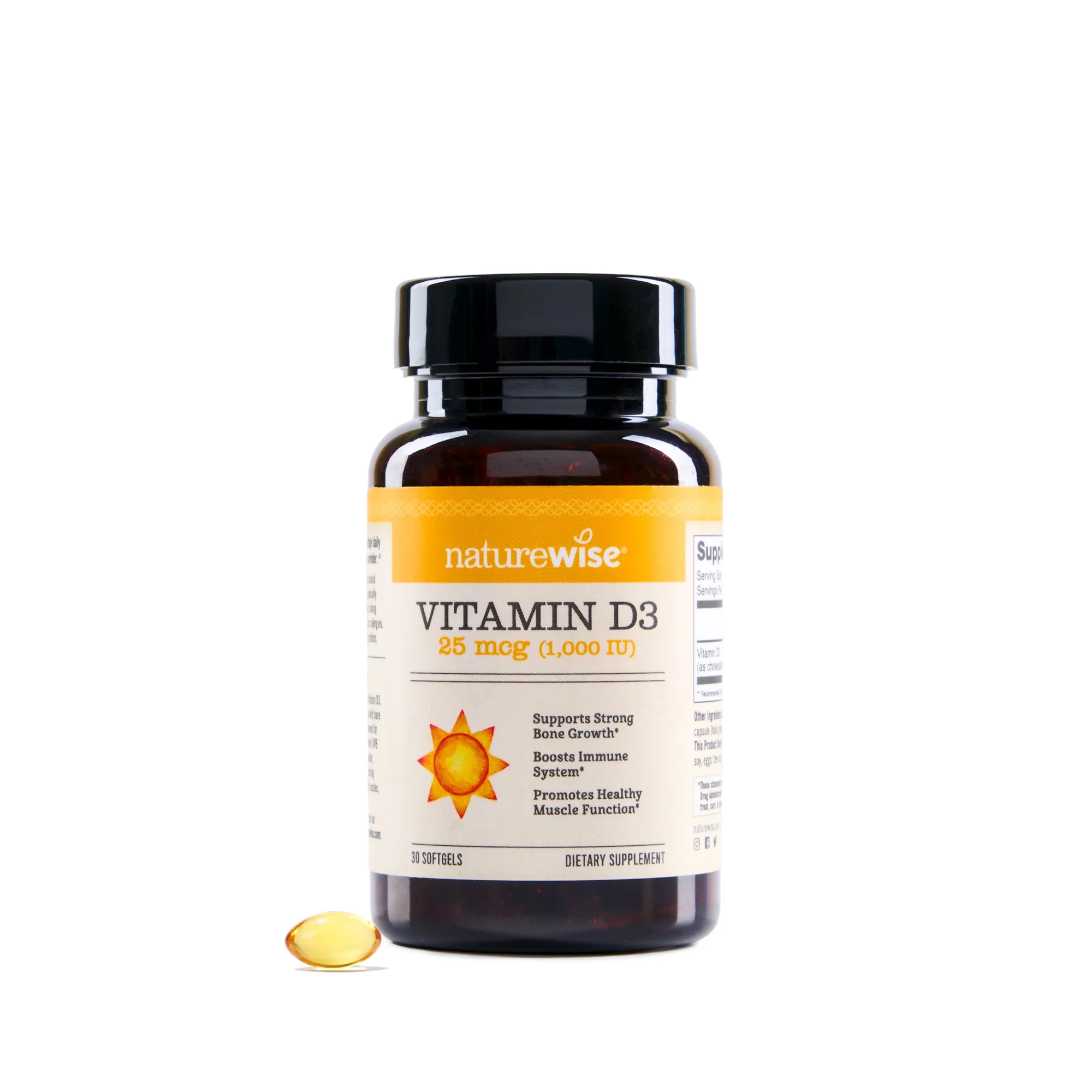
vitamin D3
If you take prescription medication, check with a pharmacist before adding elderberry. This is especially important if you take drugs that affect the immune system or blood sugar.
- Checkpoint: If you take several supplements, write down what you take and when so you can spot duplicates.
- Common mistake: Assuming that because elderberry is natural, it cannot interact with anything.
Step 5: Know when to stop and when to see a doctor
Elderberry is not a substitute for medical care. If you have a high fever, trouble breathing, symptoms that last more than a few days, or symptoms that get worse, contact a healthcare professional. For most people, elderberry is a supportive add-on, not a treatment.
Stop taking elderberry if you notice stomach upset, nausea, or a rash. If you are unsure whether a symptom is from the supplement or from being sick, pause the elderberry and see how you feel.
- Checkpoint: If symptoms are severe or worsening, stop self-treating and get medical advice.
- Common mistake: Waiting too long to seek care because you are relying on a supplement.
Your elderberry routine in five steps
- Read the label for an actual amount: Look for milligrams of elderberry extract or a standardized percentage per serving. Skip products that only list a proprietary blend with no individual amounts. If you cannot find the amount, choose a different product.
- Choose the form you will take daily: Capsules and softgels are convenient; syrups are easy to measure but may contain sugar; gummies can be easy to overeat. Pick one that fits your routine. The best form is the one you will actually use consistently.
- Start at the label serving size: Take the amount printed on the product. Do not double up at the first sign of a cold. If you use it seasonally, take it daily as directed. Consistency beats a large one-time dose.
- Take it with food if it upsets your stomach: Elderberry can be taken with or without food. If you feel nauseated, take it with a meal. Check with a pharmacist if you take prescription medication. Natural does not mean interaction-free.
- Stop and seek care if symptoms worsen: Elderberry is not a treatment. If you have a high fever, trouble breathing, or symptoms that last or worsen, contact a healthcare professional. Know the limits of what a supplement can do.
What to look for in an immune-support routine
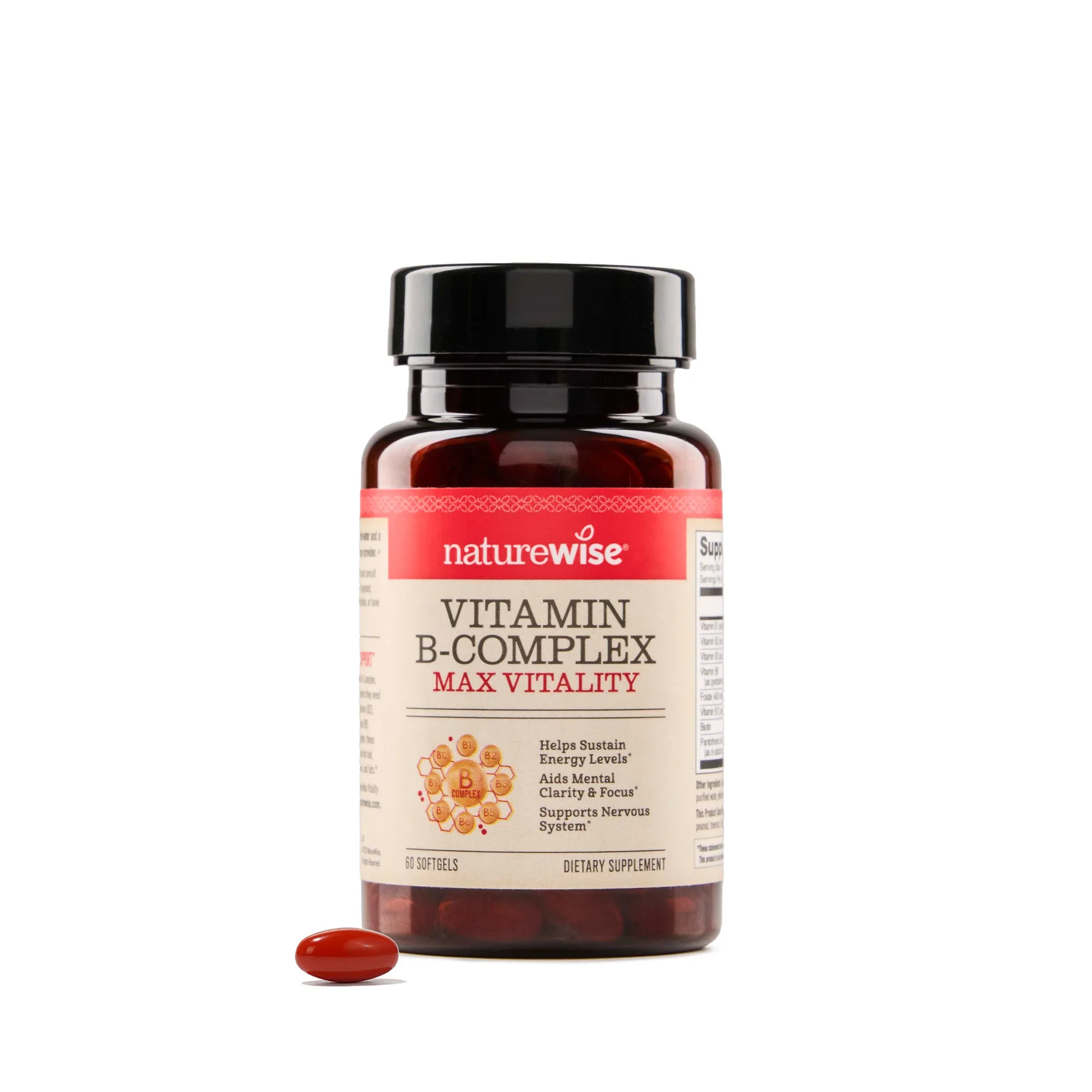
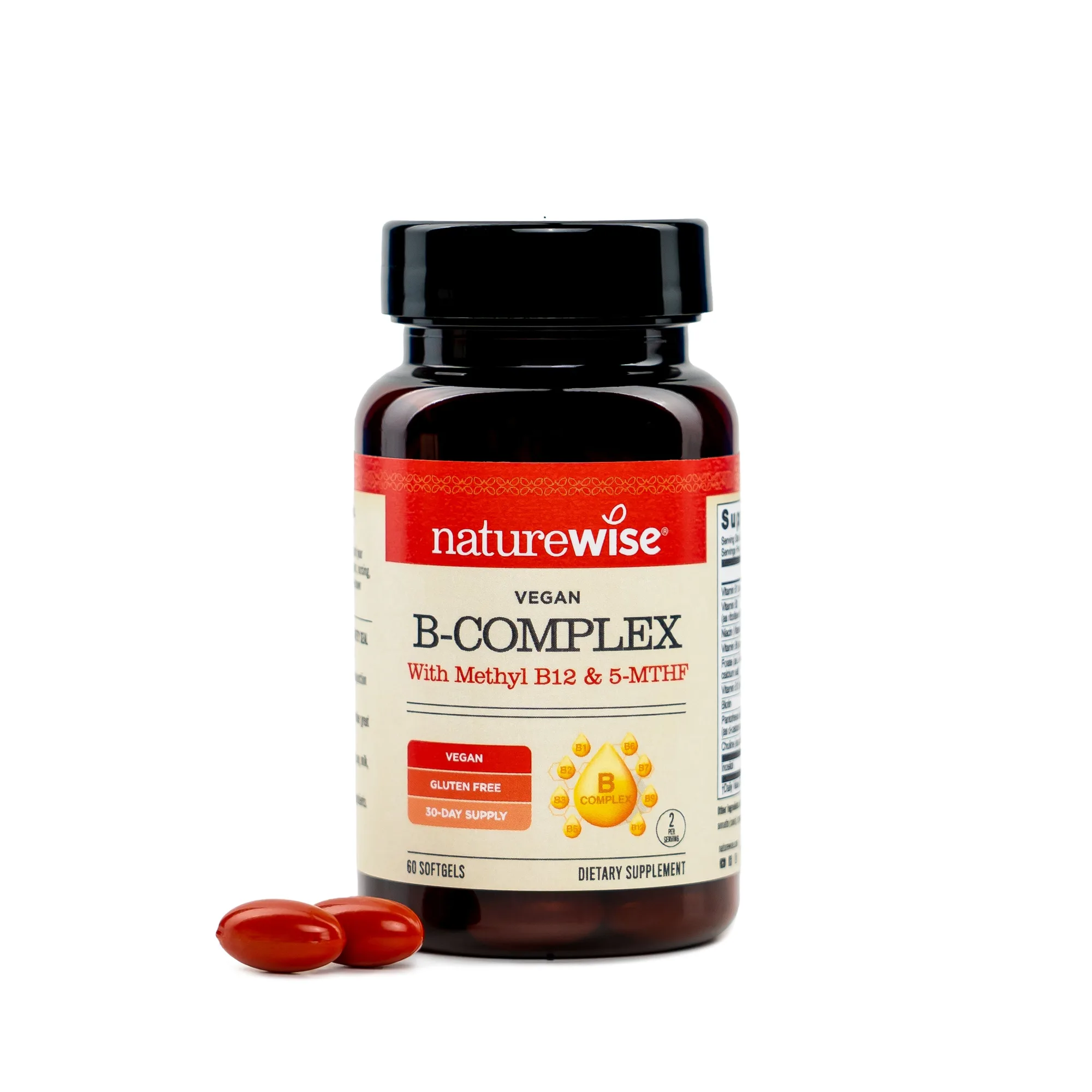
- Vegan Vitamin B Complex: Supports energy levels, cognitive function, and immune health. It is a methylated vitamin B complex with a high-absorption formula and is vegan. A B complex is a practical daily add-on if you want general immune and energy support alongside elderberry, and the vegan formula suits plant-based routines.
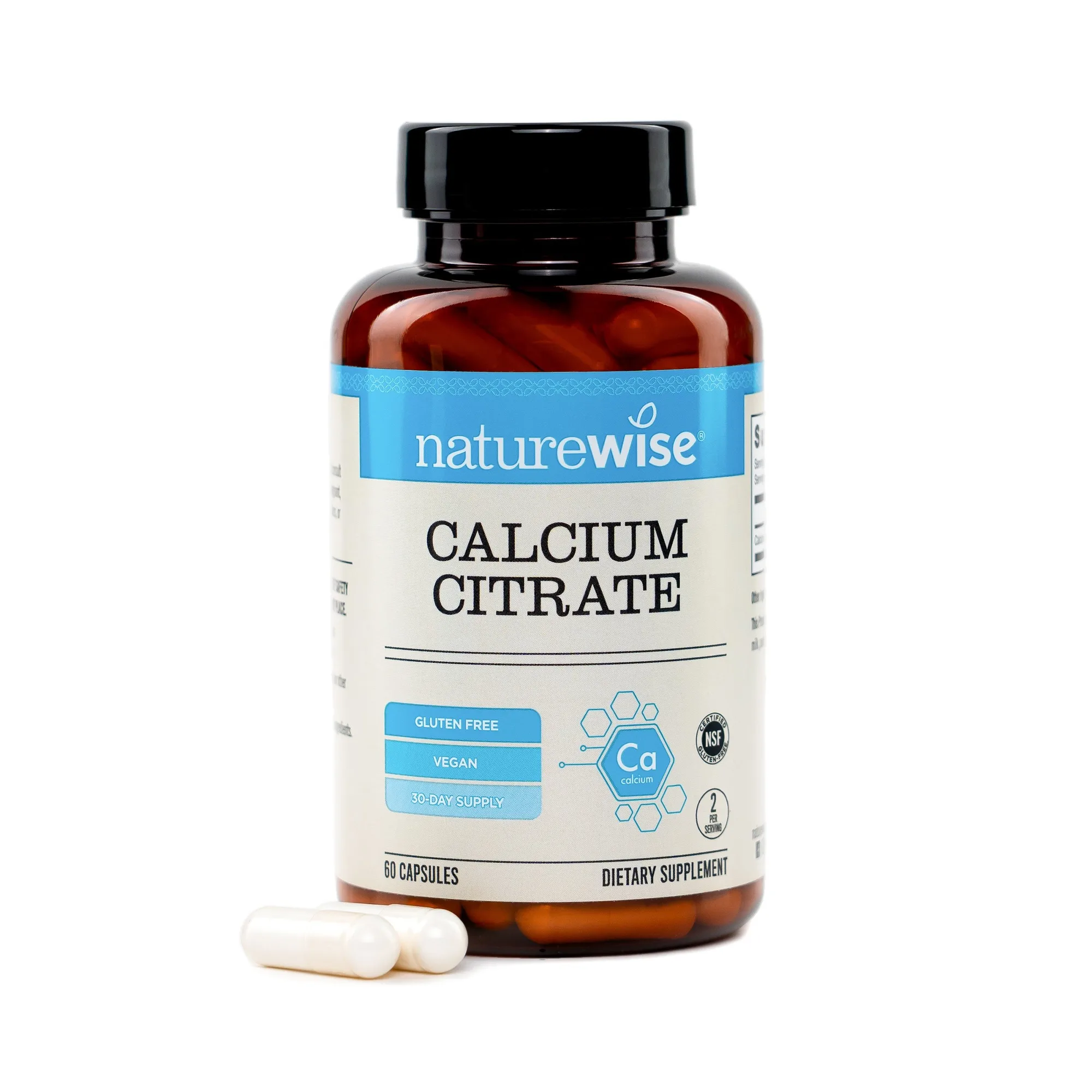
- Calcium Citrate: 300 mg calcium citrate per serving, NSF Gluten-Free Certified, vegan, and described as gentle on the stomach. Supports bone health, bone density, and muscle and nerve function. If you are building a daily routine, calcium citrate is a stomach-friendly option to pair with other supplements, especially for people who avoid gluten or animal products.
Elderberry can be part of a sensible immune-support routine, but only if you read the label, pick a form you will take, and follow the serving size. Keep your expectations realistic, pair it with sleep and fluids, and get medical help when you need it.