Quick answer
Reach for an electrolyte drink mix when you are sweating heavily for close to an hour or more, recovering from vomiting, diarrhea, or a fever, or noticing signs of dehydration such as dark urine, headache, or muscle cramps. Plain water is enough for everyday hydration, short workouts, and normal meals. If you want a daily hydration supplement without sugar, check the label for sodium, potassium, and magnesium amounts before you buy.
Hydration powders are not magic, and they are not useless. They replace the sodium, potassium, and other minerals you lose through sweat and other fluids. The question is whether your day actually calls for that replacement. This guide gives you decision rules so you can buy an electrolyte drink mix that fits your routine instead of collecting dust in a cabinet.
Most healthy adults eating regular meals get enough electrolytes from food. Drinks matter most when losses go up and intake goes down: long, hot workouts, travel days, illness, or a stretch of poor appetite. The sections below cover who benefits, how to compare a hydration drink mix with a sports drink, and what to look for on a sugar free electrolyte powder label.
When to use hydration powder
Use a hydration powder when you are losing more fluid and salt than you are taking in. That includes sweating for roughly an hour or more, especially in heat or humidity, and recovery from vomiting, diarrhea, or a fever. It also helps during long travel days when you drink less water than usual and eat irregular meals. In those situations, plain water can dilute what is left in your system and leave you feeling flat.
For a 30-minute walk, a normal workday, or a casual bike ride, water and regular meals are enough. Electrolyte drinks are not a general wellness upgrade for everyone. If you are unsure because of a heart, kidney, or blood pressure condition, or you take diuretics or other medications, ask a clinician before adding a daily hydration supplement.
- Check urine color: pale straw suggests you are fine; dark amber suggests you need fluids and likely electrolytes.
- Weigh yourself before and after long, sweaty sessions to estimate fluid loss.
- If you crave salt or get headaches after heat exposure, your losses may be higher than you think.
How to read an electrolyte drink mix label
The ingredient list matters more than the flavor. Look at sodium first because it is the main electrolyte lost in sweat, then potassium, magnesium, and chloride. A drink with a few hundred milligrams of sodium per serving is a different product from one with almost none. Carbohydrate content and sugar type also change how the drink works and how it tastes.
Serving size is the most common trap. A tub may say 30 servings, but the scoop could be smaller than what you actually mix. Compare the electrolyte amounts per stick or scoop, not per container. If the label does not list sodium, potassium, and magnesium amounts, treat it as a flavored drink rather than a hydration tool.
- Sodium is measured in milligrams; a typical sports drink has roughly 100-200 mg per 12 oz.
- Potassium and magnesium amounts vary widely, so compare them side by side.
- Check whether the product uses sugar, dextrose, or a non-nutritive sweetener if that matters to you.
Electrolyte drink mix vs sports drink
Sports drinks and electrolyte drink mixes overlap, but they are built for different jobs. Bottled sports drinks usually combine water, sugar, and a modest amount of sodium to fuel and hydrate during intense exercise. Electrolyte drink mixes are often sold as powders you add to your own water, so you control the strength and avoid carrying heavy bottles.
If your goal is a sugar free electrolyte powder for daily hydration, a mix gives you more control. If you are doing hard intervals or a long race and need quick carbohydrate, a sports drink may be the simpler choice. Many people use both: a sports drink during long, intense sessions and a lighter electrolyte mix on ordinary hot days.
- Choose a sports drink when you need fast carbohydrate and fluid together.
- Choose a mix when you want to adjust sodium or avoid sugar.
- Powder sticks travel well and let you use the water you already have.
Sugar free electrolyte powder: what to expect
Sugar free electrolyte powder can be a good fit if you want hydration without the calories or the blood sugar spike. The trade-off is taste and mouthfeel. Without sugar, some mixes rely on stevia, monk fruit, or artificial sweeteners, and the flavor can be thinner or more bitter. Read reviews for taste if you plan to drink it daily.
Sugar also helps your body absorb sodium and water a bit faster during intense exercise. That does not make sugar free options useless, but it does mean they are better suited to everyday hydration and lower-intensity activity than to race-day fueling. If you sweat heavily for hours, a mix with some carbohydrate may serve you better.
- Start with a small pack or single-serve sticks before buying a large tub.
- Mix with the full amount of water listed; a stronger mix can taste salty or bitter.
- If you dislike the sweetener, try an unflavored electrolyte powder and add your own flavor.
Daily hydration supplement: who actually needs one
A daily hydration supplement makes sense if you regularly train, work outdoors, live in a hot climate, or take medications that increase fluid loss. It can also help older adults, who often feel less thirsty and may drink less than they need. In those cases, a consistent daily serving can be a simple habit that supports hydration.
It is not necessary for most people who eat a varied diet and drink to thirst. Adding electrolytes you do not need mainly adds cost and sodium. A reasonable middle ground is to keep a mix on hand for hot days, travel, and illness, and skip it on ordinary days when meals and water cover your needs.
- Track how you feel on days you use a mix versus days you do not.
- If you have high blood pressure or kidney disease, talk to a clinician before regular use.
- Keep a few single-serve packets in a bag for travel and unexpected heat.
Decision rules for buying an electrolyte drink mix
- If you sweat for under 60 minutes: Plain water and a normal meal are enough. Save the mix for longer or hotter sessions. Skip the powder for short, easy workouts.
- If you want zero sugar: Choose a sugar free electrolyte powder and check which sweetener is used, since taste varies a lot. Buy single-serve sticks first to test flavor.
- If you are fueling hard exercise: A sports drink with carbohydrate may absorb faster and support performance better than a sugar free mix. Match the drink to the intensity, not the trend.
- If you have a health condition or take medication: Ask a clinician before using a daily hydration supplement, especially one high in sodium or potassium. Get medical guidance before making it a habit.
Product facts that help you decide
- One Daily Probiotic Capsules - For Digestive & Immune Health*: True Grace probiotics list the precise percentage of each DNA-verified strain in 90 billion total CFU, plus prebiotic fiber, on a transparent label. If you are already managing digestion and immunity with a daily supplement, a clearly labeled probiotic makes it easier to know what you are taking alongside your hydration routine.
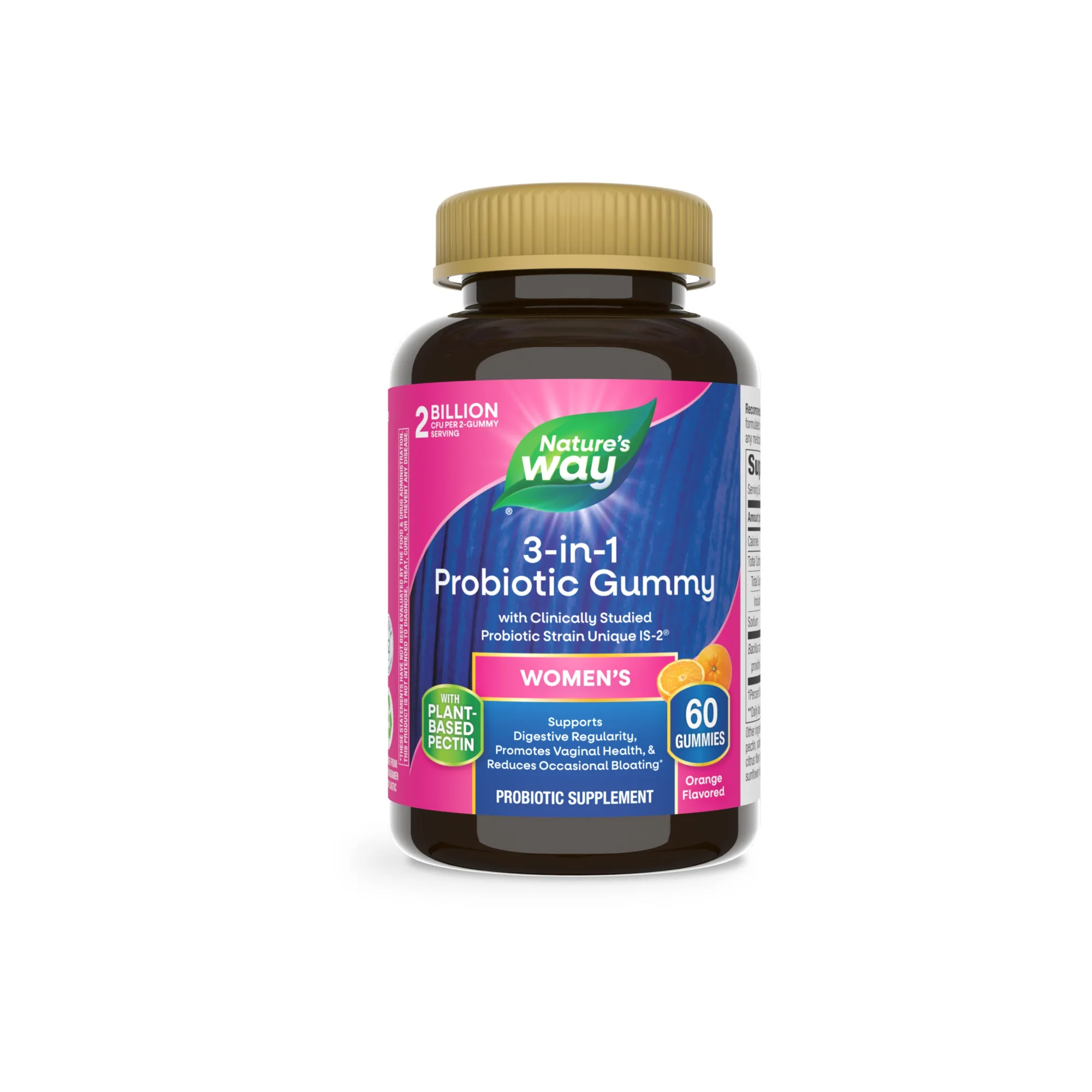
- 3-in-1 Probiotic Gummy: Nature's Way 3-in-1 Women's Probiotic Gummy contains the clinically studied strain Unique IS-2 to support digestive and vaginal health and reduce occasional bloating, in an orange flavored gummy. A gummy format is easier to take consistently than a powder, which matters if you want a daily habit that does not depend on mixing a drink.
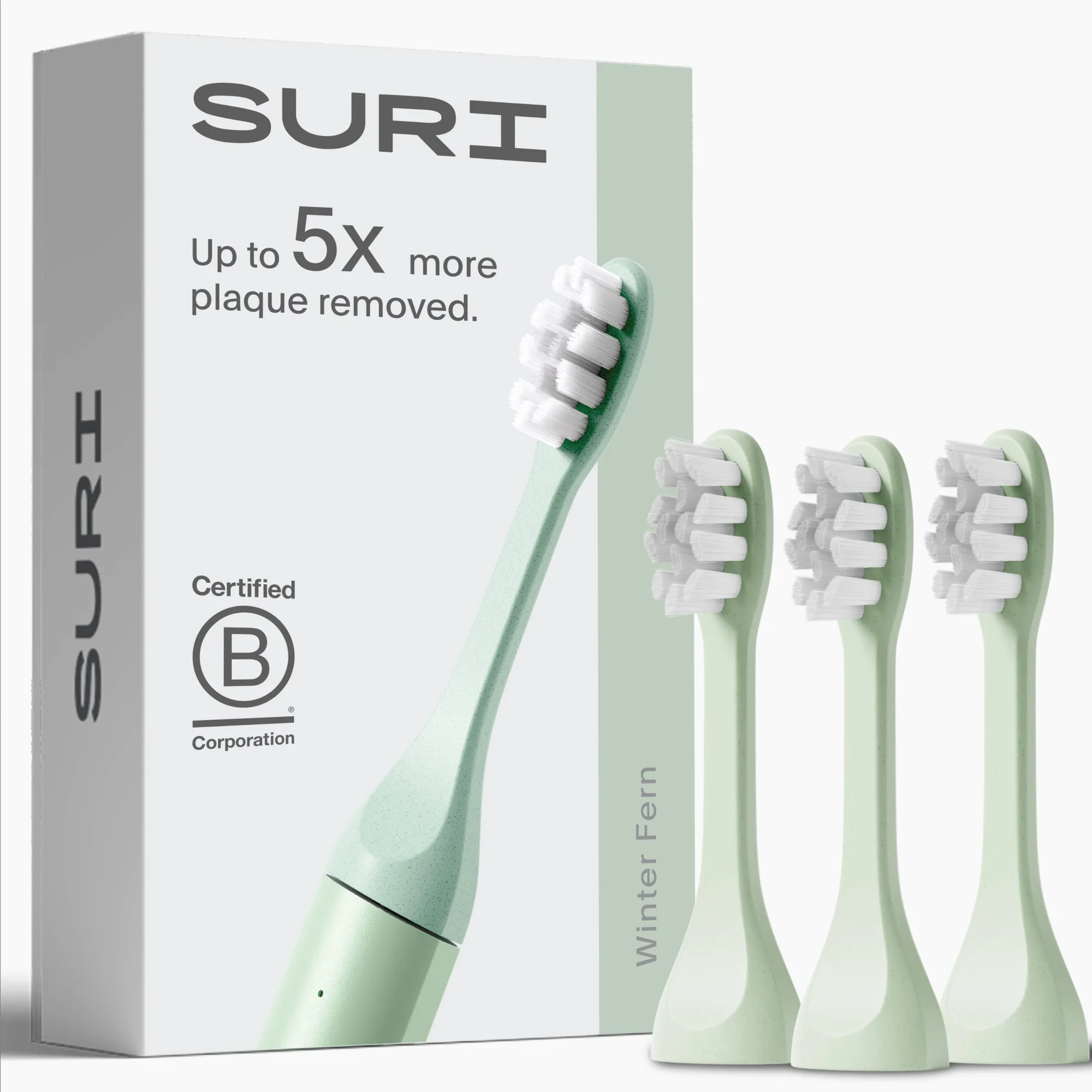
- Brush Replacement Heads: SURI's recyclable brush heads are made from cornstarch with bristles derived from castor oil, and the medium/soft bristle array is designed for interdental cleaning. If you are building a lower-waste routine, this shows how refillable and plant-based materials can replace disposable plastic in everyday personal care.
Who should buy an electrolyte drink mix
Best for
- People who sweat heavily for an hour or more in heat or humidity
- Travelers, outdoor workers, and older adults who struggle to drink enough
- Anyone recovering from vomiting, diarrhea, or a fever who needs to replace fluids and salts
- Athletes who want to control sodium and sugar instead of relying on bottled sports drinks
Not for
- People doing only short, easy workouts who eat regular meals
- Anyone with kidney disease, heart failure, or high blood pressure without medical advice
- Shoppers looking for a weight loss or energy product rather than hydration
An electrolyte drink mix is a tool, not a daily requirement. Use it when sweat and fluid losses are high, when illness or heat makes it hard to keep up, or when you want a sugar free option you can mix yourself. For everything else, water and food usually do the job. Read the sodium, potassium, and magnesium amounts before you buy, and start with a small size to see how your body responds.