Quick answer
For most people, five to seven everyday bras and ten to fourteen pairs of underwear cover a full laundry cycle without overstuffing the drawer. Add one or two specialty bras for occasions such as strapless or low-back outfits, and treat the rest as a small, working lingerie essentials list rather than a collection. The real number depends on how often you wash, how much you sweat, and whether your sizes fluctuate.
A lingerie drawer usually grows in two directions: a few pieces you actually wear, and a pile you keep because it was expensive or might fit someday. That pile is why so many people ask how many bras do I need and still feel like they have nothing to wear. The goal is not a specific number; it is a rotation that always has a clean, comfortable option ready.
This guide gives you a working everyday bra rotation, a realistic underwear count, and simple decision rules for what to keep, replace, or skip. It also explains how fit and fabric choice affect how long each piece lasts, so the count you settle on actually holds up.
Start with your laundry rhythm, not a number
Count how many days pass between washes. If you do laundry weekly, five to seven bras let each one rest at least a day between wears, which helps elastic recover. If you wash every two weeks, either increase the count or accept that your bras will wear out faster because they are being worn and washed more often in a shorter window.
Underwear works the same way. Ten to fourteen pairs covers a weekly wash cycle with a small buffer for travel, gym days, or a missed laundry day. If you hand wash delicates, you can run a smaller rotation because you are not waiting for a full machine load.
- Rule of thumb: one bra per wear day plus two spares, then round to the nearest practical number.
- Keep at least three pairs of underwear you genuinely like, even if your total count is higher.
- If you travel often, set aside a separate small rotation so you are not packing your best everyday pieces.
Build a lingerie drawer in three layers
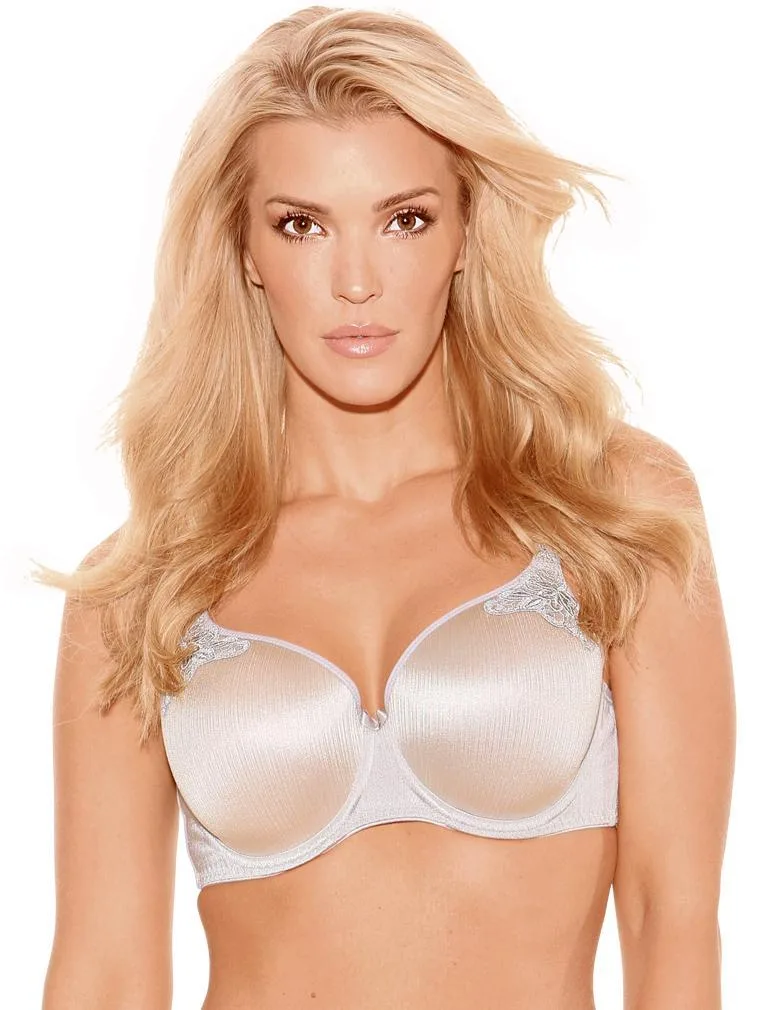
A useful drawer has three layers: everyday, support, and occasion. Everyday bras are the ones you reach for without thinking, usually moulded or lightly padded styles with smooth cups. Support bras handle longer days, fuller coverage, or outfits that need a firmer hold. Occasion bras solve a specific problem, such as a strapless neckline or a backless dress.
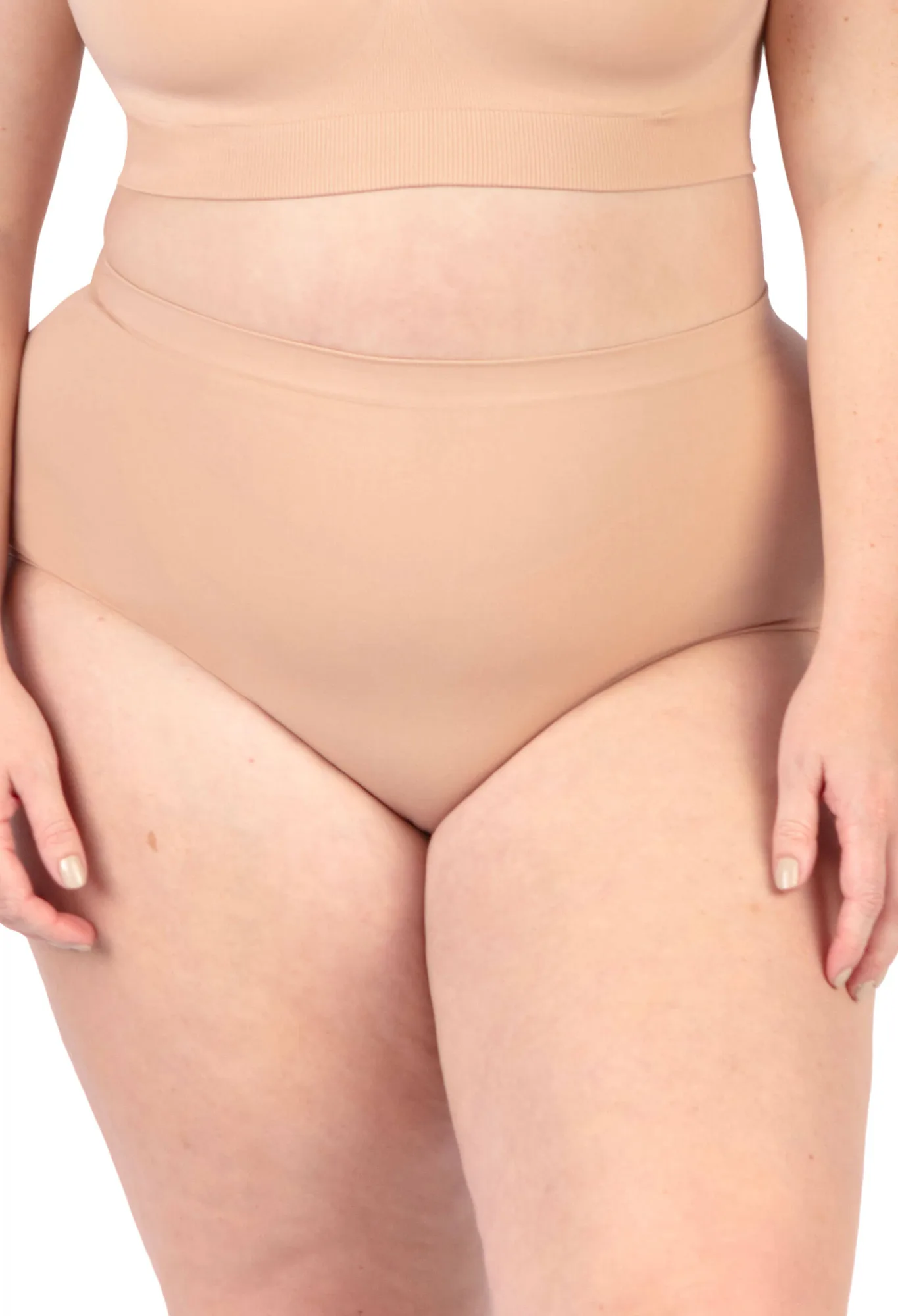
For underwear, keep a base of full briefs or high-rise styles for comfort, a few seamless options for fitted clothing, and one or two lace or mesh pairs for when you want something dressier. This structure is the core of bra wardrobe essentials: each piece has a job, so you stop buying duplicates that never get worn.
- Everyday layer: three to four bras you can wear with most outfits.
- Support layer: one to two bras with fuller coverage or firmer structure.
- Occasion layer: one to two specialty bras, plus matching underwear if you enjoy sets.
Fit guidance: when a bra earns a place in the rotation
A bra belongs in your everyday rotation only if the band stays level in the back, the center panel sits flat against your sternum, and the underwire follows your ribcage instead of pressing into breast tissue. If you have to tug the band down or scoop yourself back in during the day, the size or shape is wrong, and no amount of rotation will fix it.
Cup fit matters as much as band fit. A moulded full-coverage cup should feel smooth, not gaping at the top or cutting into the upper edge. If you are between sizes, choose the band that fits on the loosest hook so you can tighten it as the elastic relaxes over time.
- Check the band first: it should provide most of the support, not the straps.
- If the cups wrinkle, try a smaller cup or a different cup shape before sizing down the band.
- Replace any bra that leaves red marks that last more than an hour after you take it off.
How many pairs of underwear is enough
Ten to fourteen pairs is a comfortable target for most people. That number covers a weekly wash, a few extras for heavy activity days, and enough variety that you are not rewearing the same pair twice in a week. If you prefer to wash less often, add two or three pairs rather than stretching the same ones.
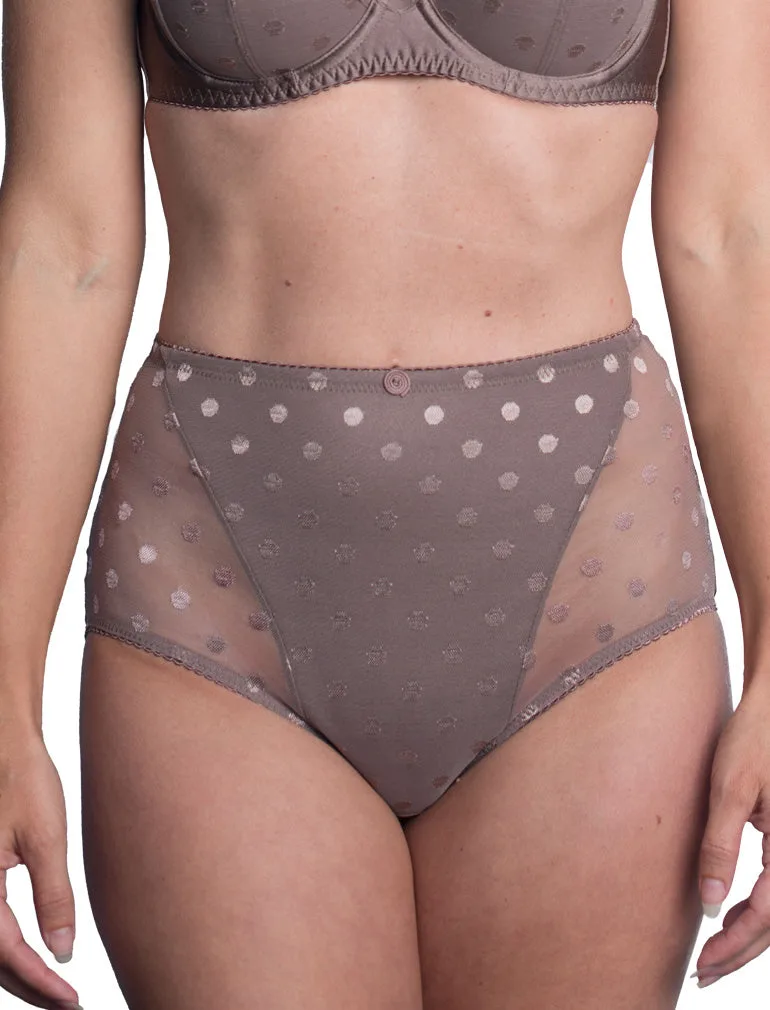
Fabric matters here. Full briefs with a stretch lace back and mesh, like the Serena Brief, breathe well and dry quickly, which makes them easy to rotate. A high-rise brief with a polka dot mesh front panel, like the Carmen High Rise Brief, gives more coverage and a smoother line under skirts and dresses. Both are practical anchors for a drawer, but they serve different outfit needs.
- Keep at least three pairs that are purely for comfort and coverage.
- Add seamless pairs if you wear fitted trousers or dresses often.
- Retire any pair with stretched elastic, holes, or a waistband that no longer stays put.
What to keep, replace, and skip
Keep a bra if it fits on the middle or loosest hook, the cups lie smooth, and you have worn it in the last month. Replace it if the band rides up, the underwire pokes, or the cups have lost their shape. Skip buying another version of a style you already own in three colors unless you wear it constantly and know it works.
Discontinued and final-sale styles can be excellent value if you already know your size in that brand, because you cannot return them. If you are trying a new brand or cup shape for the first time, buy one full-price style first, confirm the fit, then stock up on the sale colorways.
- Use the one-month test: anything unworn for a month goes to the donate or discard pile.
- Buy final sale only in a size and style you have already worn successfully.
- Match new underwear to bras you actually wear, not to bras you wish you wore.
Decision rules for your rotation
- If you do laundry weekly: Five to seven bras and ten to fourteen pairs of underwear keep a clean option available without overcrowding the drawer. Start here unless your routine is clearly different.
- If you sweat heavily or exercise often: Add two bras and three to four pairs of underwear so you are not relying on the same pieces two days in a row. More rotation means less wear per piece and a longer lifespan.
- If you are buying final sale: Only buy a final-sale style in a size and cup shape you have already worn successfully, because returns and exchanges are not available. Confirm fit first, then stock up on the sale color.
- If a bra is discontinued: Note the replacement style while you still can, so you are not starting from scratch when the old one wears out. A replacement style keeps your rotation stable.
- If your drawer feels full but you have nothing to wear: Remove anything unworn for a month, then rebuild around the pieces that passed the fit and comfort checks. A smaller, working rotation beats a large, unused one.
Product facts that help you plan the rotation
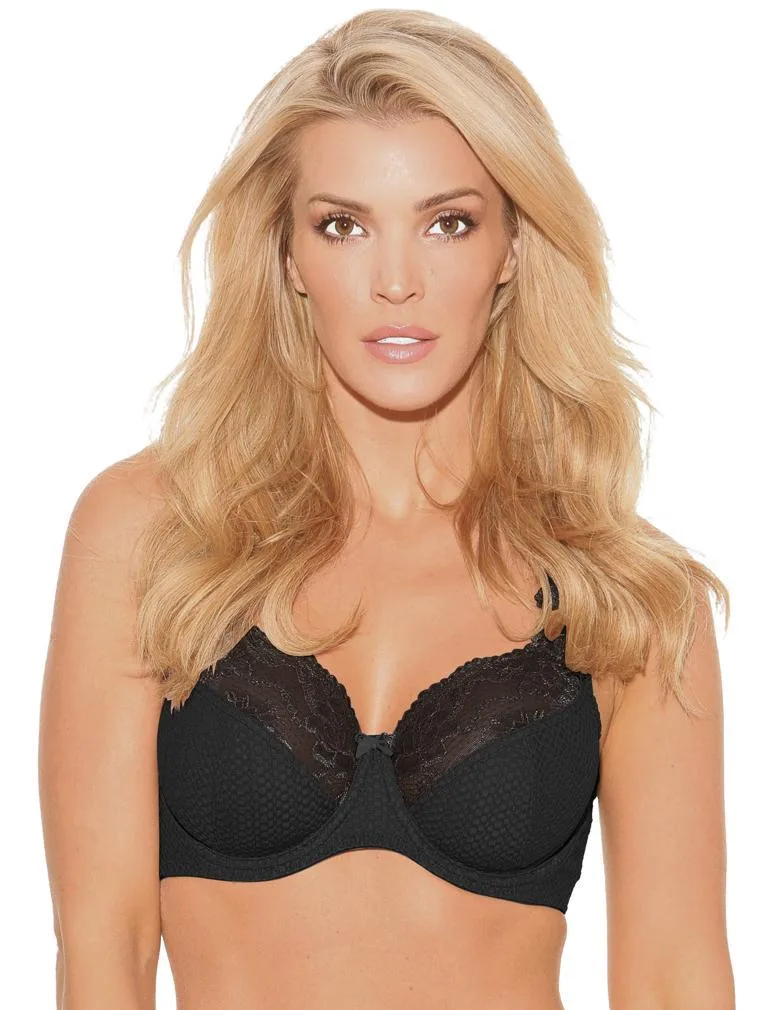
- B1212 Zora Moulded: BLACK: Moulded full coverage with soft underwire cups and a decorative strap motif; available in cup sizes. A smooth, full-coverage moulded cup is a strong everyday anchor because it disappears under most clothing and gives consistent shape.
- B1012 Maxine Moulded: SILVER: Seamlessly flexible, lightly padded cup with full coverage and supportive underwires; listed as final sale with no returns or exchanges, and the catalog notes ordering Zora B1212 as a replacement style. This is a good example of why you should confirm your size before buying final sale, and why knowing your replacement style matters when a discontinued bra wears out.
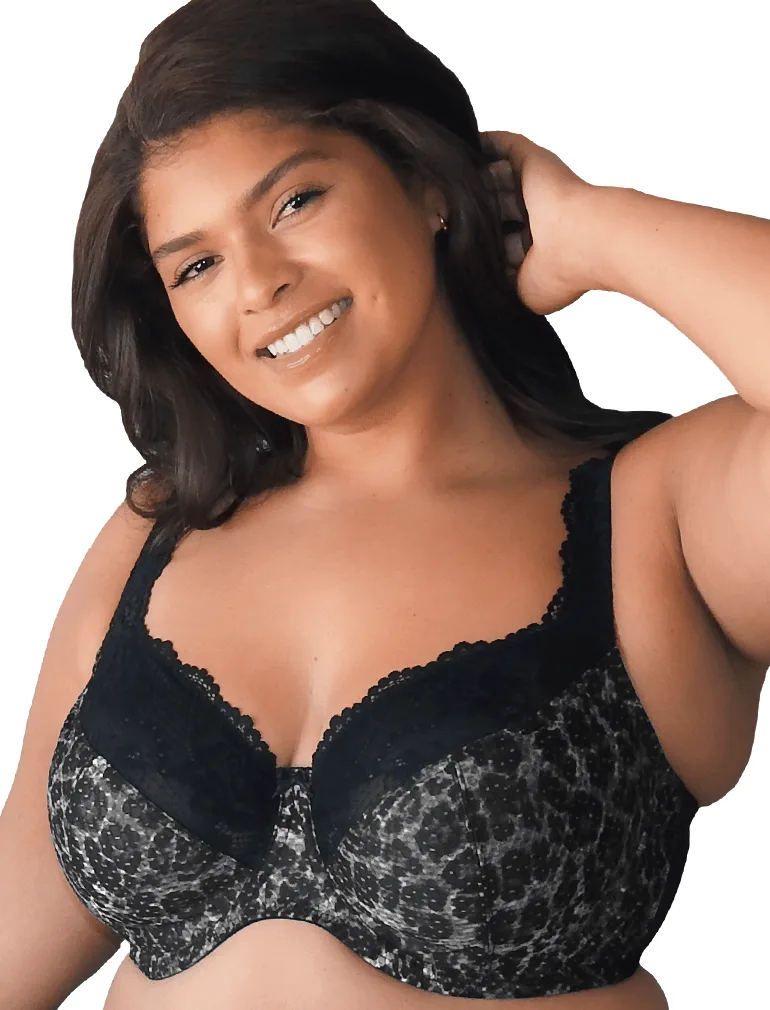
- https://fitfullyyoursedc.com/products/b2761-le-93e2fe402f4d0232355f0a7b-1417929B2761 Serena Lace: BLACK LEOPARD: Lace bra with J-hooks, part of the Serena Collection, with matching panties available in bikini and brief styles; listed as final sale. J-hooks let you convert the straps to a racerback for extra hold, which makes this a useful support or occasion piece rather than a duplicate everyday bra.
- U2493 Carmen High Rise Brief: TAUPE: High-rise full brief with elastic fabric at the back for a snug fit, and a front panel combining polka dot knitted mesh and polka dot fabric. A high-rise brief with a mesh front panel gives coverage and breathability, making it a practical base layer for skirts, dresses, and longer days.
Who this rotation works for
Best for
- People who want a simple, repeatable everyday bra rotation without overbuying
- Anyone building a lingerie drawer from scratch or replacing worn-out basics
- Shoppers who prefer full-coverage, moulded, or high-rise styles for daily comfort
Not for
- Shoppers looking for a single special-occasion bra rather than a full rotation
- Anyone who needs a custom or hard-to-find size that requires individual fitting before buying multiples
- People who prefer to own only two or three pieces and wash them constantly
A workable lingerie rotation is smaller than most people expect: five to seven bras, ten to fourteen pairs of underwear, and a clear rule for what stays. Focus on fit first, then build around the styles you actually reach for, and replace pieces as they wear out instead of letting them pile up.