Start with the walk you actually have
Most dogs are not failing at walks on purpose. They are excited, curious, or overstimulated, and the leash is the only thing between them and a good sniff or a new friend. That is why pulling often gets worse, not better, when owners jerk back: the dog is already aroused, and the correction adds tension to an already tense line.
Loose-leash training is less about a perfect heel and more about a shared rhythm. The goal is a dog who can walk near you, check in, and recover after a distraction, so everyday walks feel safe and manageable rather than like a tug-of-war.
Set up the first five minutes
Begin each walk with a short, low-distraction warm-up. Stand still with a loose leash, wait for your dog to look toward you, then take a few calm steps. If the leash goes tight, stop moving and wait for slack before continuing. This teaches one clear rule: forward motion comes from a loose leash, not from pulling.
Keep early sessions short and boring on purpose. A quiet sidewalk or your own yard is enough. Busy parks and streets are better saved for later, once your dog can offer slack consistently in a familiar place.
A practical loose-leash routine for daily walks
- 1. Reward the check-in, not just the position: Mark and reward when your dog glances back at you or chooses to walk near you without tension on the leash. This builds the habit of paying attention to you rather than only to the environment.
- 2. Stop when the leash tightens: If your dog pulls, become a tree: stand still and wait. When the leash slackens, even briefly, resume walking. This is one of the simplest stop leash pulling techniques because it removes the reward of forward movement while pulling.
- 3. Change direction before frustration builds: If your dog is locked onto a target, turn and walk the other way for a few steps, then try again. A calm reset is more useful than a long standoff.
- 4. Practice one distraction at a time: Start with a parked car or a quiet corner, then work up to a passing dog or a busy crossing. Each new environment is a new training session, not a test.
- 5. End on a loose leash: Finish while your dog is still succeeding. A short, calm walk that ends well is better than a long one that ends in frustration for both of you.
Walking a reactive dog calmly
For dogs who lunge, bark, or fixate on other dogs or people, the same loose-leash rules apply, but distance matters more. Work at a distance where your dog can still notice the trigger without reacting, and reward calm attention. If your dog cannot eat or look away, you are too close; increase the distance and try again.
Avoid tightening the leash as a warning. A tight leash tells a reactive dog that something is wrong and can make the reaction more likely. Instead, create space, keep your own body relaxed, and move away before your dog reaches the threshold where barking or lunging starts.
Where a guided walking plan fits
-
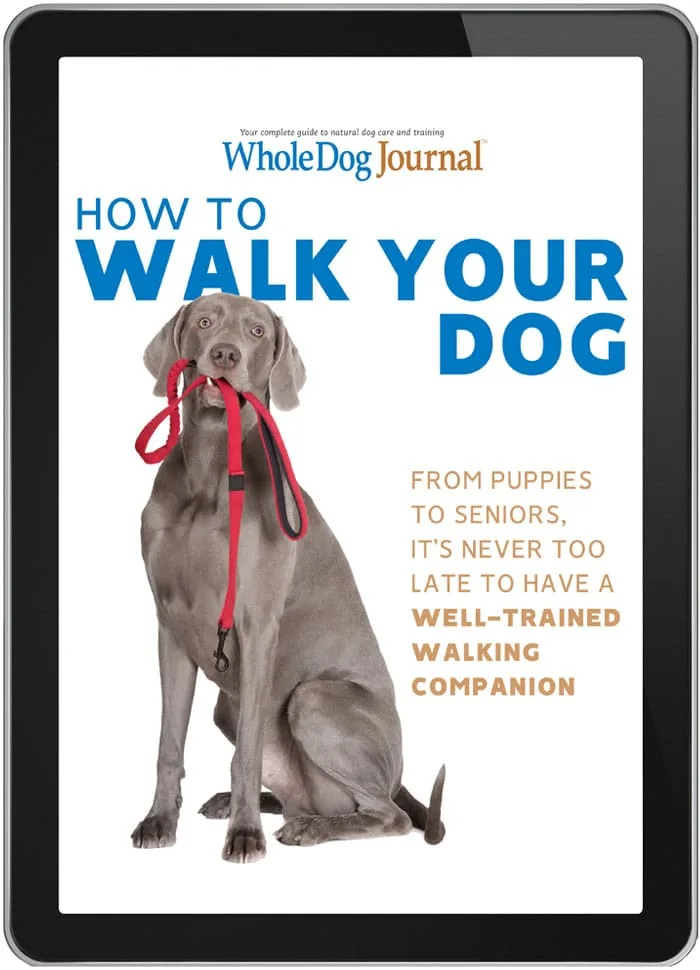
How To Walk Your Dog: How To Walk Your Dog is described as newly revised and focused on leash training simplified, with step-by-step guidance for safe, confident walks. If your daily walks keep turning into pulling matches, a structured guide can give you a sequence to follow instead of improvising every time.
How To Walk Your Dog
-
How To Walk Your Dog: The guide covers practical techniques for calm leash manners, safety tips for streets, parks and busy environments, and solutions for pulling, lunging and distraction. Those are the exact situations where most loose-leash plans break down, so the guide can help you plan for real walks rather than only a quiet driveway.
-
How To Walk Your Dog: The supplied specifications state the advice is suitable for dogs of any breed, size, or age. That makes it a practical reference whether you are starting with a puppy, a strong adult dog, or an older dog who has pulled for years.
What to expect week to week
Progress is rarely a straight line. You may see a calmer first block, then a setback when a squirrel appears. That is normal. Judge progress by how quickly your dog can recover and re-engage with you, not by whether every walk is perfect.
Keep sessions short and repeatable. A five-minute loose-leash practice before a normal walk is often more effective than an hour of correcting and being corrected. If your dog is repeatedly over threshold, reduce the challenge and build back up.
When to bring in a professional
If your dog has a bite history, severe reactivity, or you feel unsafe walking them, work with a qualified trainer or behavior professional rather than relying on a book alone. The supplied information for How To Walk Your Dog does not include medical or behavioral treatment claims, and it is not a substitute for individualized help with a serious safety concern.
For everyday pulling and distraction, the routine above plus a consistent guide can make walks calmer. The key is to practice the same simple rules on every walk, not just the ones when you have extra patience.