Quick answer
Stop dog pulling on walks by rewarding the position you want, not by yanking back. Start in a low-distraction space, mark and treat every moment your dog is beside you, and only add distance or distractions when the leash stays slack. A front-clip no-pull harness can reduce pulling while you train, but it works best as a teaching tool paired with rewards.
Set up a training space that sets you both up to win
Before you work on the street, practice in a hallway, driveway, or quiet park. You need enough room to take 10–15 steps without reaching the end of the leash. Use a 4–6 foot leash, not a retractable one, so your dog learns that a slack leash is the normal state. If your dog is already lunging at squirrels or other dogs, start farther away than you think you need.
A common mistake is starting on your normal walking route. That route is full of smells and history, and your dog has already practiced pulling there. Pick a boring location for the first week.
Teach the ‘be beside me’ position before you ask for distance
Stand still with your dog on a loose leash. When your dog looks at you or steps toward your side, mark the moment with a clicker or a calm ‘yes’ and deliver a small treat at your pant seam. Repeat until your dog is offering that position without you luring. This is the foundation of loose leash walking training: you are teaching a location, not correcting a mistake.
Checkpoint: your dog should be able to hold the beside position for 3–5 seconds with a slack leash before you take a step. If the leash is tight, you have moved too fast.
Take one step, then reward the slack leash
Take one step forward. If the leash stays loose, mark and treat at your side. If it tightens, stop moving. Wait for your dog to release the tension—even by turning back toward you—then mark and treat. This teaches a simple rule: pulling stops the walk; a slack leash restarts it.
Common mistake: repeating ‘heel’ while the leash is tight. Your dog learns that the word predicts pulling, not the behavior you want. Say nothing and let the stopped movement do the teaching.
Add distance in small increments
Once you can take five steps with a slack leash, try ten. Then fifteen. Reward frequently at first, then gradually reward every few steps. If your dog starts pulling at step eight, you have found your current limit. End the session with a few easy wins rather than pushing through.
A braided collagen stick or other high-value chew can be a useful post-training reward for dogs who need more than a kibble to stay motivated. Keep training sessions short—5 to 10 minutes—and finish before your dog gets tired or frustrated.
Use a no-pull harness as a training aid, not a substitute
A front-clip no-pull harness redirects forward motion to the side, which gives you a moment to reward your dog for turning back. It does not teach your dog where to walk on its own. Pair it with the steps above, and phase out the front clip once your dog can walk on a slack leash in low-distraction areas.
Check the fit before every walk: you should be able to slide two fingers under each strap, and the front clip should sit on your dog’s chest, not throat. A harness that rubs or twists will make pulling worse because your dog is focused on discomfort, not on you.
Proof the behavior around real-world distractions
Increase difficulty one variable at a time: a busier street, a new time of day, or a friend walking nearby. If your dog pulls, increase distance from the distraction and reward any check-in. For dogs who are easily over-aroused, a treat that takes longer to eat can help them settle between repetitions.
Common mistake: expecting a dog to ignore a squirrel on day three. Distraction training is a separate skill from walking in a quiet hallway. Give your dog a chance to succeed by lowering the distraction level when needed.
Your step-by-step leash training plan
- 1. Pick a low-distraction practice spot: Choose a hallway, driveway, or quiet park where you can take 10–15 steps without reaching the end of a 4–6 foot leash. Avoid your normal walking route for the first week. Checkpoint: your dog can stand beside you with a slack leash for 5 seconds before you add movement.
- 2. Reward the beside position: Stand still and mark/treat every time your dog looks at you or steps to your side. Deliver treats at your pant seam so your dog learns the exact location. Common mistake: luring with a treat in your hand. Your dog should offer the position, not follow a visible treat.
- 3. Take one step and stop if the leash tightens: Step forward. If the leash stays loose, mark and treat. If it tightens, stop moving until your dog releases the tension. Then mark and treat. Checkpoint: you can take five consecutive steps with a slack leash before moving on.
- 4. Add distance gradually: Increase from five steps to ten, then fifteen. Reward frequently at first, then every few steps. End each session on an easy win. Common mistake: pushing through a pulling episode. If your dog pulls at step eight, that is your current limit—reset and try again later.
- 5. Introduce a front-clip no-pull harness: Fit the harness so you can slide two fingers under each strap and the front clip sits on the chest. Use it during training walks, and phase out the front clip as your dog improves. Checkpoint: the harness does not rub or twist when your dog pulls gently.
- 6. Practice around distractions: Add one new challenge at a time—busier street, new time of day, or a friend nearby. Increase distance from the distraction and reward any check-in. Common mistake: expecting a dog to ignore a squirrel on day three. Lower the distraction level if your dog cannot succeed.
Products that support leash training
- Turmeric: Rooted Owl® Turmeric features curcumin combined with black pepper to enhance curcumin absorption, along with Vitamin C to complement overall wellness. If your dog is older or has occasional discomfort that makes pulling more likely, this supplement supports a normal inflammatory response so training sessions stay comfortable.
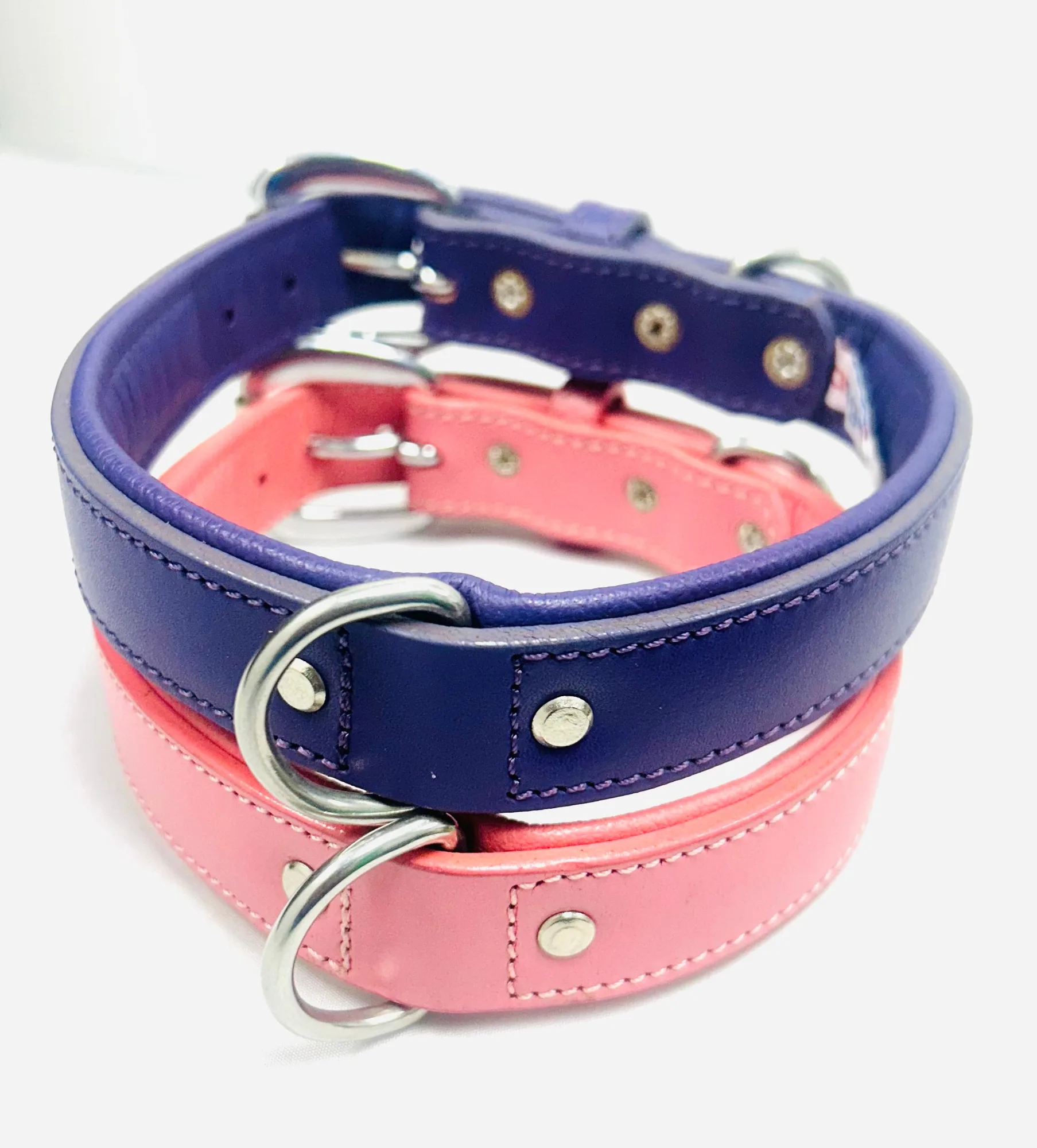
- Rotterdam Spiked: The Rotterdam Spiked collar is made of soft genuine leather with chrome-plated spikes, stainless steel rings, and a buckle, and is available in multiple colors and sizes. A well-fitted leather collar gives you reliable control during leash training, and the stainless steel hardware holds up to daily walks.