Quick Answer
For most people, the best eye cream for dark circles and puffiness is a lightweight, non-greasy formula that combines caffeine for temporary puffiness and peptides for longer-term firmness, applied morning and night. If your main complaint is dark circles rather than puffiness, look for antioxidant-rich formulas with green tea or vitamin C. If you want a single product that also supports overall anti-aging, choose a peptide-forward eye cream and pair it with a brightening serum for the face.
What Actually Helps Dark Circles vs. Puffiness
Dark circles and puffiness are different problems, so they respond to different ingredients. Puffiness is often fluid retention and tissue laxity, which is why caffeine shows up in so many eye products: it is a vasoconstrictor that can temporarily reduce the look of swelling. Dark circles are more often related to pigmentation, visible vessels, or shadowing from hollowing, so antioxidants like green tea and vitamin C are more relevant. A caffeine peptide eye cream can address both if it also includes soothing antioxidants.
No topical eye cream removes structural hollowing or deep pigmentation. If your dark circles are primarily shadow from tear-trough hollowing, a cream will soften texture and hydration but not erase the shadow. That is a realistic limitation worth knowing before you spend on a premium formula.
- Puffiness: prioritize caffeine, cooling applicators, and light gel-cream textures.
- Dark circles: prioritize green tea, vitamin C, niacinamide, or peptides.
- Both: look for a formula that lists both a vasoconstrictor and an antioxidant.
Texture Matters More Than You Think
The under-eye area is thin and sits directly under concealer, so a heavy cream can cause creasing and migration. A lightweight non greasy eye cream is usually the better daily choice, especially if you wear makeup or sunscreen over it. Gel-creams and lotions absorb faster; richer balms are better reserved for nighttime or very dry skin.
If you apply eye cream and then concealer pills or slides, the problem is usually texture, not the concealer. Switch to a lighter formula and give it two to three minutes to set before makeup.
How to Read an Eye Cream Ingredient List
Ingredient order tells you concentration. Caffeine, green tea, and peptides should appear before the preservative and fragrance portion if you want them to do meaningful work. Peptides such as Matrixyl 3000 are studied for firming and collagen support, while multi-molecular hyaluronic acid hydrates at different depths. If a formula lists an ingredient only after the fragrance, treat it as marketing rather than a functional dose.
Paraben-free and cruelty-free labeling tells you about preservation and testing philosophy, not about efficacy. A paraben-free eye cream can be just as effective, but it may have a shorter shelf life once opened, so check the period-after-opening symbol and store it away from direct heat.
Set Realistic Timelines
Caffeine gives a temporary tightening effect that can last a few hours, so it is best for morning puffiness before an event. Peptides and antioxidants need consistent use over several weeks to show visible firming or brightening. If you expect overnight removal of dark circles, no eye cream will meet that expectation.
Use a pea-sized amount for both eyes. More product does not speed results and can cause milia or irritation in the thin under-eye skin.
Decision Rules: Match the Eye Cream to Your Main Complaint
- If puffiness is your main issue: Choose a caffeine-forward eye cream and apply it in the morning, ideally with a cooling applicator or chilled fingertips. Expect a temporary tightening effect, not a permanent change.
- If dark circles are your main issue: Prioritize green tea, vitamin C, or peptide formulas and use them twice daily for at least four to six weeks. Pair with a facial brightening serum if tone is uneven beyond the eye area.
- If you wear makeup daily: Pick a lightweight non greasy eye cream and wait two to three minutes before concealer to avoid pilling. If it pills, the texture is wrong, not your makeup.
- If your skin is sensitive or reactive: Start with a fragrance-free, peptide-and-hyaluronic-acid formula and patch test behind the ear for two nights. Introduce one new eye product at a time.
- If you want one product for both eyes and face: Use a peptide serum on the face and a dedicated eye cream under the eyes; eye-area skin is thinner and needs a lighter texture. Do not substitute a rich face cream for eye cream.
Products That Fit These Rules
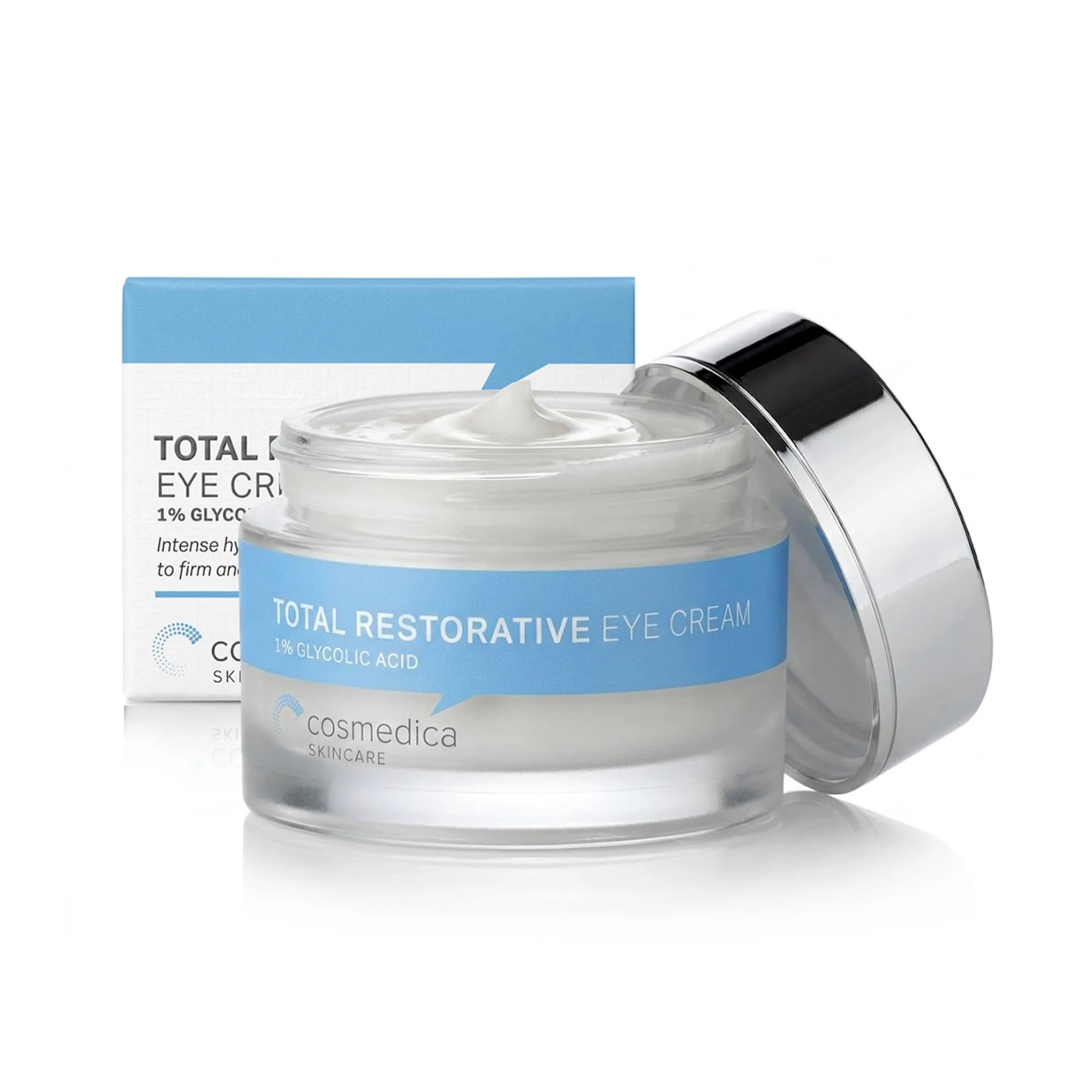
- Cosmedica Skincare Eye Cream 0.7 Ounce | Anti-Aging Hydration Eye Cream with Green Tea Caffeine Peptide Complex | Lightweight Non-Greasy Formula for Dark Circles Puffiness Wrinkles Fine Lines: Anti-aging hydration eye cream with green tea, caffeine, and a peptide complex; lightweight non-greasy formula for dark circles and puffiness. Covers both puffiness and dark circles in one step, and the light texture layers well under makeup.
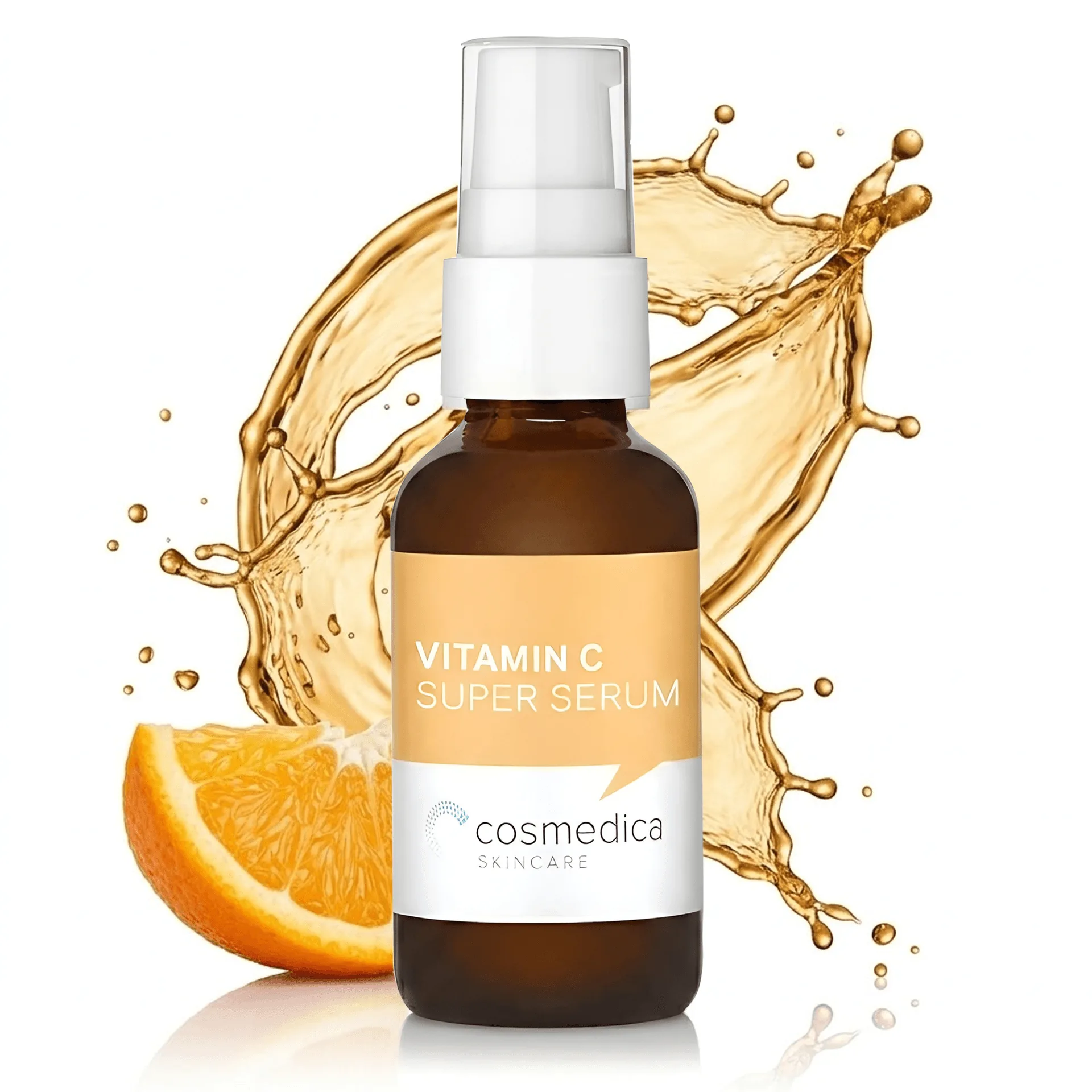
- Cosmedica Skincare Vitamin C Serum for Face with Hyaluronic Acid – Anti Aging Serum for Dark Spots, Fine Lines, Wrinkles – Hydrating Collagen Booster for Women & Men: Vitamin C serum with three stabilized forms of vitamin C and multi-molecular hyaluronic acid, targeting dark spots, fine lines, and uneven tone; available in multiple sizes. Use on the face for overall brightening while the eye cream handles the under-eye area; choose a smaller size if you are testing tolerance.
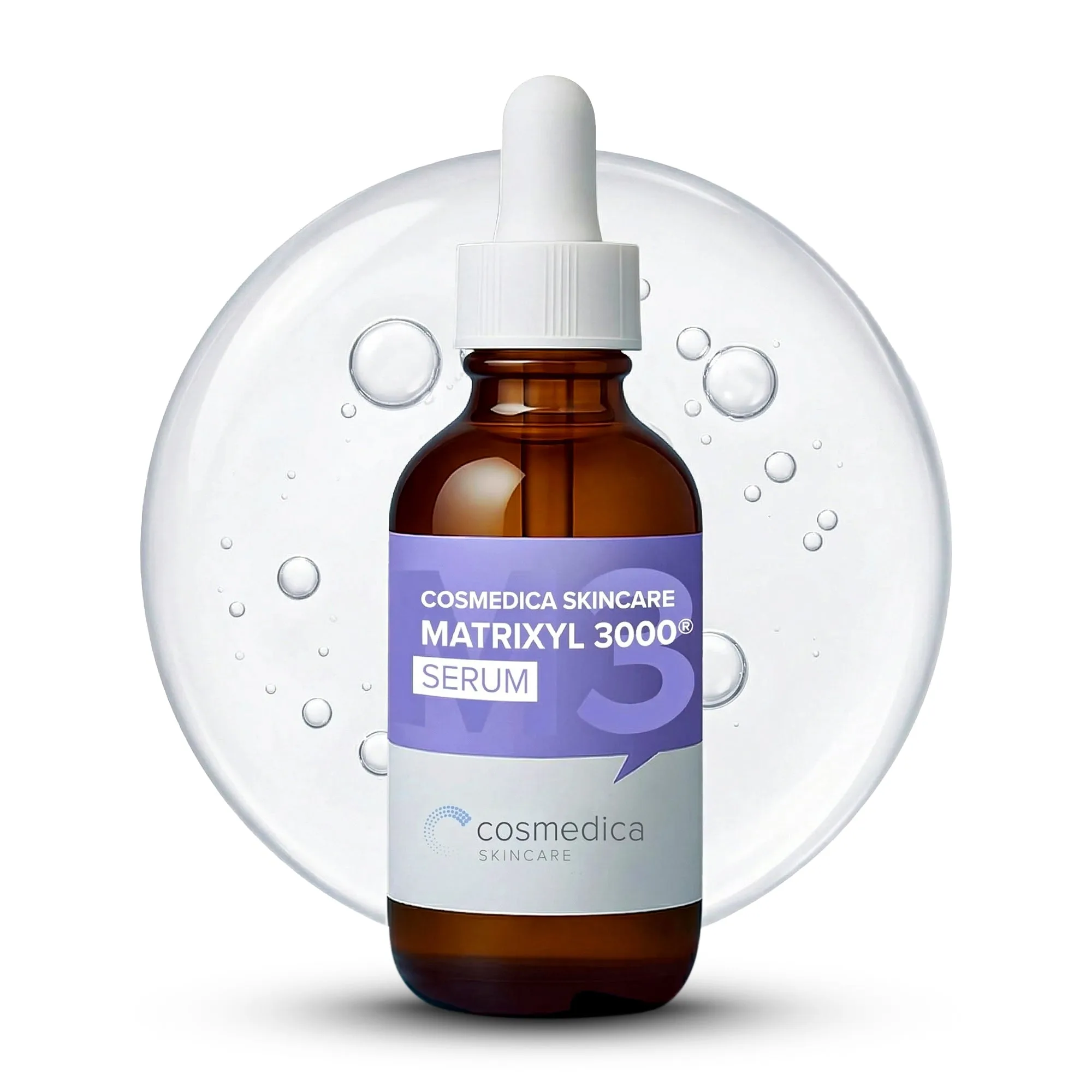
- Cosmedica Skincare Matrixyl 3000 Peptide Serum with Hyaluronic Acid | Hydrating Lightweight Face Serum for Sensitive Skin | Firming Serum with Aloe Vera Vitamin E | 2oz: Matrixyl 3000 peptide serum with hyaluronic acid, aloe vera, and vitamin E in a hydrating lightweight formula for sensitive skin, 2 oz. A peptide-forward option if firming is your priority; the larger size suits daily full-face use.
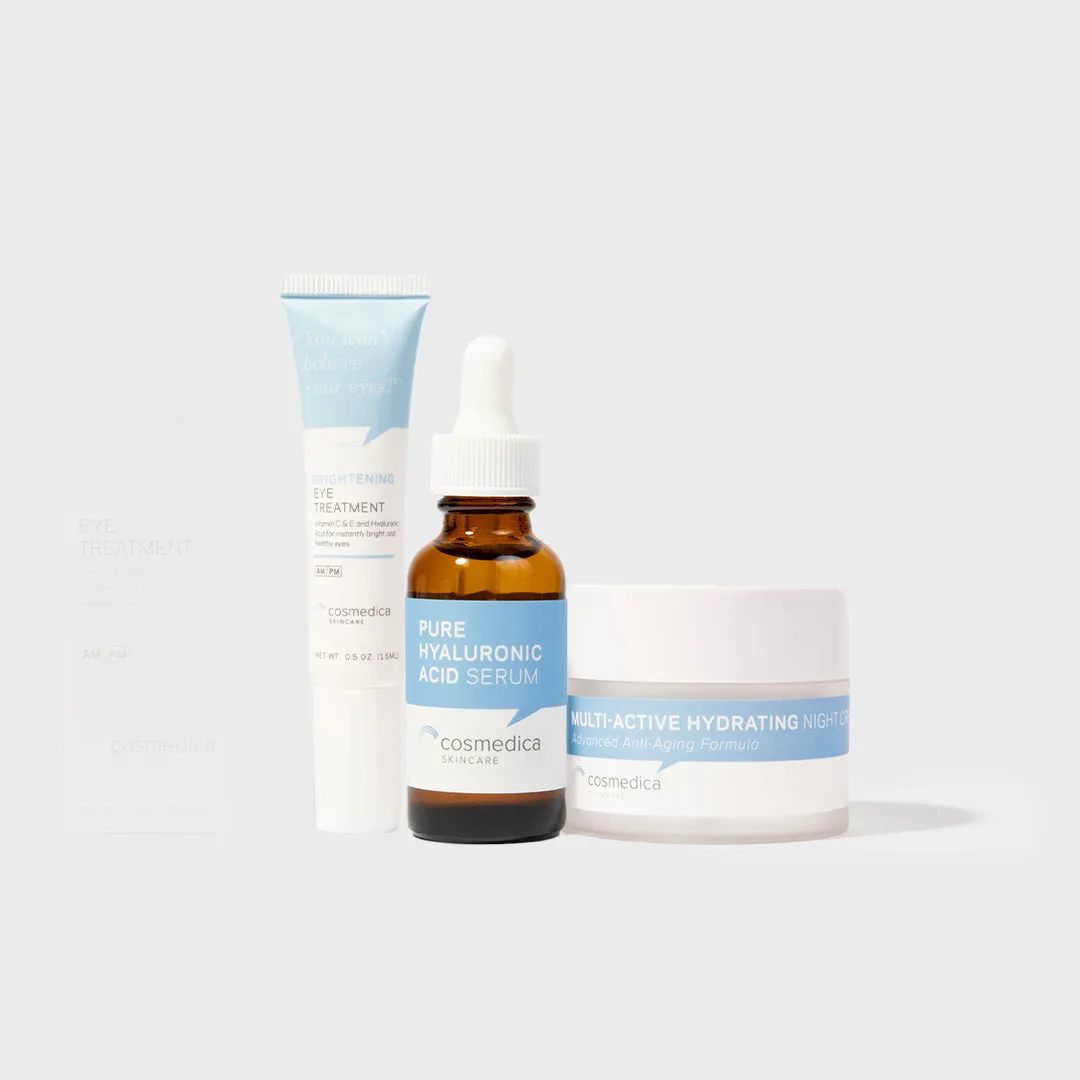
- Pure Refresh Kit: Kit containing Pure Hyaluronic Acid Serum, Multiactive Hydrating Night Cream, and Brightening Eye Treatment. A lower-commitment way to test a full routine, including an eye treatment, before buying full sizes.
Who This Approach Fits
Best for
- Shoppers dealing with morning puffiness and mild dark circles who want one lightweight product
- Makeup wearers who need a non-greasy eye cream that layers under concealer
- Anyone building a paraben-free, cruelty-free routine and wanting a realistic timeline
Not for
- People with structural under-eye hollowing expecting a cream to remove shadows
- Anyone wanting overnight results from a single application
- Shoppers looking for a prescription-strength pigment treatment