When you're carrying a heavy load—whether it's armor plates, ammunition, or mission-critical gear—comfort is not a luxury; it's a necessity. A plate carrier that shifts, digs, or causes hot spots can quickly turn a routine patrol into a painful ordeal. That's why choosing between the Ferro Concepts Slickster and the FCPC (Ferro Concepts Plate Carrier) often comes down to how each handles weight distribution and all-day wear.
Both carriers are built with the same commitment to quality and modularity, but they take different approaches to comfort. The Slickster is minimalist and low-profile, while the FCPC offers more structure and load-bearing capability. In this comparison, we'll break down the key differences in comfort under load, so you can decide which one fits your mission profile.
Design Philosophy: Minimalism vs. Modularity
The Slickster is designed for those who want a low-profile, lightweight carrier that can be worn under clothing or in confined spaces. Its slim profile reduces bulk and allows for maximum mobility. However, this minimalism means less padding and fewer attachment points for distributing heavy loads. When you load up the Slickster with plates and pouches, the weight can concentrate on the shoulders and upper chest, which may cause fatigue over extended periods.
The FCPC, on the other hand, is built for scalability. It features a more robust structure with additional padding and support, especially in the shoulder and cummerbund areas. The FCPC's design distributes weight more evenly across the torso, making it a better choice for heavy loads like armor plates, radios, and medical gear. Its modularity allows you to customize the fit and load-out to suit your specific needs, which directly impacts comfort.
- Slickster: best for light to moderate loads, low-profile operations.
- FCPC: ideal for heavy loads, extended wear, and mission flexibility.
Shoulder Comfort and Padding
Shoulder pressure is one of the most common complaints with plate carriers, especially under heavy loads. The Slickster uses a simple, padded shoulder design that is comfortable for light loads but can become uncomfortable when carrying additional weight. The straps are thin and may dig into the shoulders if you're wearing heavy plates or multiple pouches.
The FCPC addresses this with wider, more padded shoulder straps that are designed to distribute weight more effectively. The padding is thicker and more contoured, which reduces pressure points and prevents chafing during long missions. If you're planning to carry a heavy load, the FCPC's shoulder comfort is a significant advantage.
- For heavy plates, consider upgrading to the FCPC's padded shoulders.
- The Slickster is fine for lighter setups, but consider adding aftermarket pads if needed.
Weight Distribution and Stability
Weight distribution is crucial for comfort under load. The Slickster's minimalist design means that weight is concentrated in a smaller area, which can cause the carrier to shift or bounce during movement. This is especially noticeable when running or navigating rough terrain. The lack of a structured cummerbund can also allow the carrier to ride up, increasing discomfort.
The FCPC features a more rigid structure and a more substantial cummerbund that helps keep the carrier in place. The weight is spread across a larger surface area, reducing the strain on any single point. This stability is essential for heavy loads, as it prevents the carrier from shifting and causing unnecessary friction. The FCPC's design also allows for better integration with the ADAPT System, which can further enhance load distribution.
- For heavy loads, the FCPC's stability reduces fatigue.
- The Slickster may require readjustment during extended wear.
Load Capacity and Attachment Points
The amount of gear you can attach directly affects how the carrier feels under load. The Slickster offers a limited number of MOLLE loops and attachment points, which is fine for a minimalist setup. However, if you need to carry a lot of equipment, you may have to be selective about what you attach, which can compromise mission readiness.
The FCPC provides more MOLLE real estate and is compatible with a wider range of accessories, including the Kangaroo Insert - Half Pocket and the RADioTM Pocket. This allows you to distribute weight more evenly across the carrier, rather than concentrating it in one area. Additionally, the FCPC's design supports the use of the Roll 1TM Trauma Pouch - Insert for medical gear, which can be positioned to balance the load.
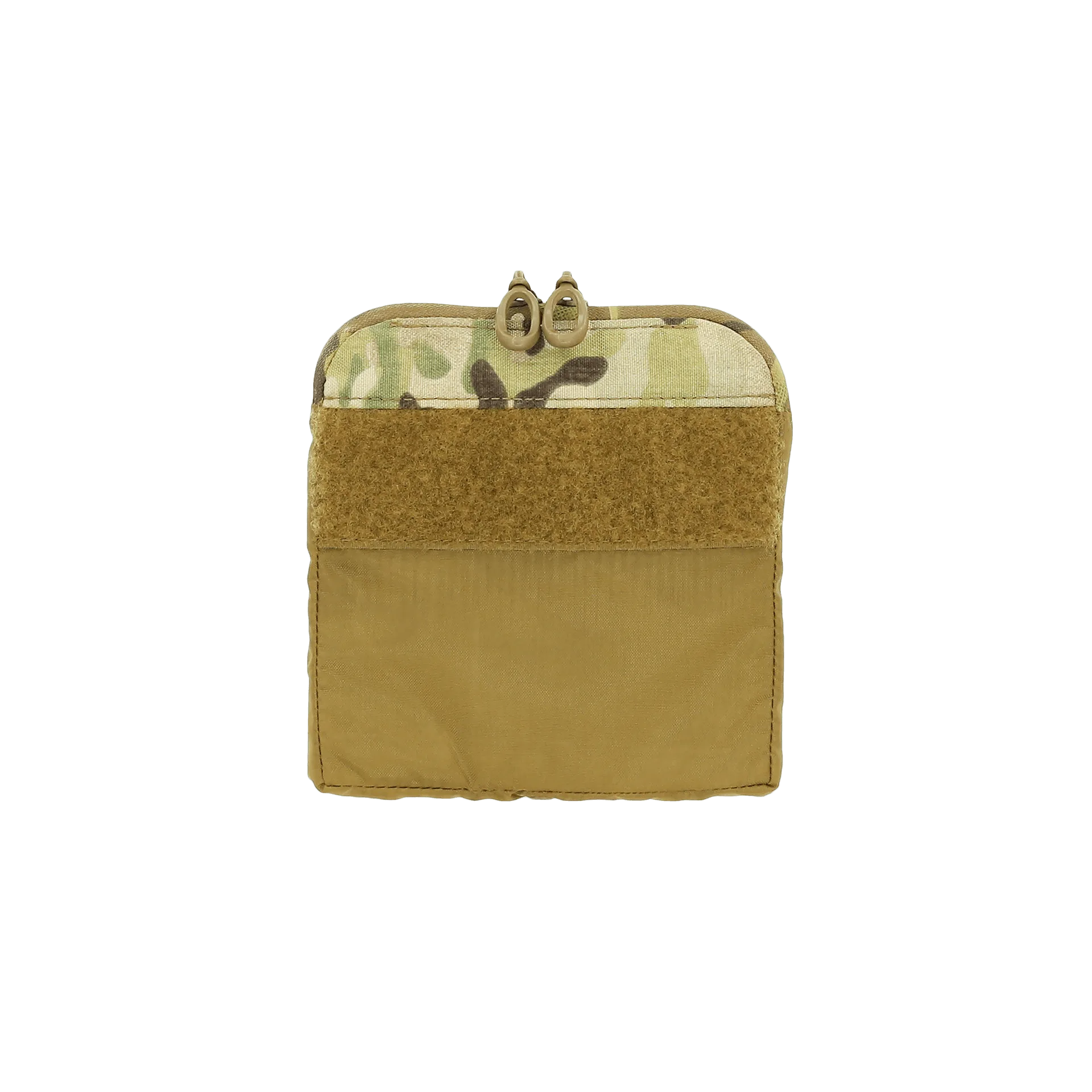
Kangaroo Insert - Half Pocket
- Use the FCPC's MOLLE space to balance heavy items.
- Consider the Kangaroo Insert - Half Pocket for front-loading essentials.
Breathability and Heat Management
Comfort isn't just about weight; it's also about temperature. Both carriers use breathable mesh materials, but the Slickster's thin profile allows for more airflow, making it a better choice for hot climates. The FCPC, with its additional padding, can trap more heat, which might be a concern during intense activity.
However, the FCPC's structured design allows for better air circulation between the carrier and your body, especially if you use the included spacer mesh. The trade-off is that the FCPC may feel warmer than the Slickster, but the added comfort from weight distribution often outweighs this. If you're operating in extreme heat, you might prefer the Slickster, but for heavy loads, the FCPC's benefits are hard to ignore.
- Slickster: better airflow for hot environments.
- FCPC: better weight distribution at the cost of some breathability.
Real-World Performance Under Heavy Loads
In real-world scenarios, the FCPC consistently outperforms the Slickster when it comes to heavy loads. Users report that the FCPC feels more stable and less fatiguing during long patrols, even when carrying ceramic plates and additional gear. The Slickster, while excellent for light and fast operations, can become uncomfortable after several hours with a heavy load.
That said, the Slickster's low profile is a significant advantage in certain situations, such as vehicle operations or when you need to remain inconspicuous. The choice ultimately depends on your mission requirements. If you're looking for a carrier that can handle heavy loads with minimal discomfort, the FCPC is the way to go. For those who prioritize mobility and low visibility, the Slickster remains a solid option.
- Test both carriers with your actual load to see which feels better.
- Consider the FCPC for extended missions with heavy gear.
When it comes to comfort under load, the Ferro Concepts FCPC is the clear winner over the Slickster. Its superior weight distribution, padded shoulders, and stability make it the better choice for heavy loads. However, if you prioritize low profile and breathability, the Slickster is still a great option. Explore the FCPC V5 Base to see how it can enhance your mission comfort.
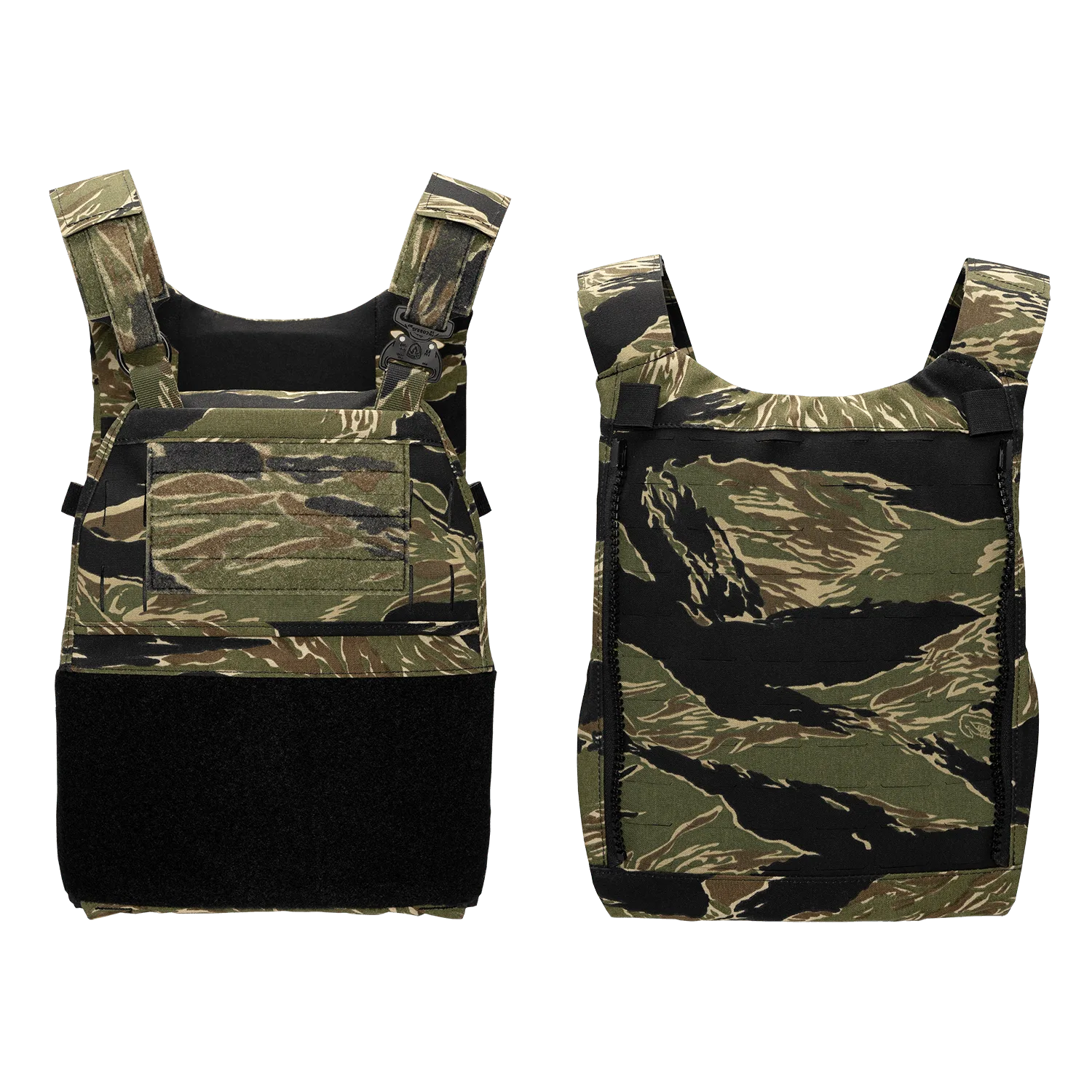
FCPC V5 Base