Quick answer
If your child needs a quiet, pocket-sized tool for school or homework, silicone fidget magnets are the most discreet choice. If they need a bigger movement break or a creative outlet, putty or a puzzle works better. Spinners still have a place, but they are harder to use without distracting a classroom.
What each type actually does for focus
Fidgets do not create focus; they give restless hands a low-stakes job so the thinking part of the brain can stay on task. The catch is that the fidget has to be quieter and less interesting than the lesson. Silicone fidget magnets rely on texture and a magnetic snap, which is a small, repetitive motion. Spinners add spinning and often a visual pull, which can become the main event. Putty adds squeezing and stretching, which is more tactile and sometimes messier.
Noise, mess, and classroom fit
A classroom fidget tool has to pass three tests: it stays in one hand, it does not make noise, and it does not roll off the desk. Magnets wrapped in silicone pass the first two well because there is no click-clack and no loose parts. Putty fails the desk test unless it stays in its tin, and spinners fail the noise and roll-away tests in many rooms. If your child's teacher allows only silent tools, start with magnets or a small putty tin used at home.
Age and supervision
Magnet sets are not for toddlers who still mouth objects, because small magnets are a swallowing hazard. Putty is a better fit for younger children who need a sensory outlet, but it should be used on a wipeable surface and kept away from hair and carpet. For older kids, a diary or a puzzle can serve as a focus break that still feels like play rather than a fidget.
Tradeoffs to weigh before you buy
- Discreet vs. engaging: Silicone fidget magnets are quiet and pocket-sized, which makes them easy to use during a lesson. Spinners and putty are more engaging, which can help a child who needs a stronger sensory input but can also pull attention away from the task. Choose the least interesting fidget that still keeps your child's hands busy.
- Clean hands vs. clean desk: Putty stays in its tin and will not dry out, but it can pick up lint and leave residue on desks. Magnets need no cleanup but must be kept away from young siblings who mouth objects. Match the fidget to the environment, not just the child's preference.
- One tool vs. a rotation: A single fidget can lose its novelty, and novelty is what makes a fidget distracting. Rotating a magnet set, a putty tin, and a home puzzle gives your child different levels of input without buying a drawer full of toys. Start with two options and rotate them before adding more.
Product facts that matter
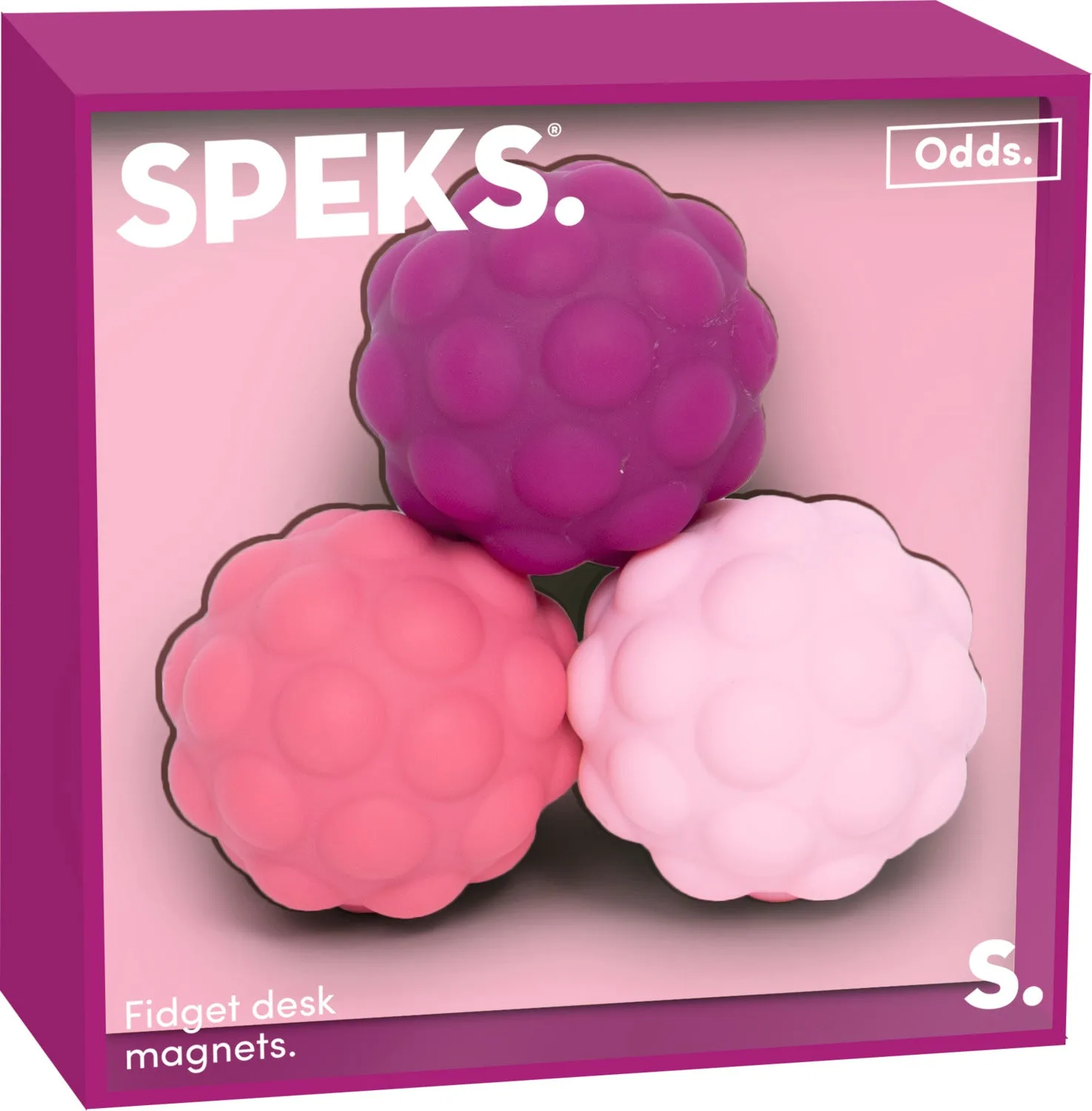
- Odds Purple Bumps Silicone Fidget Magnets: Odds Purple Bumps Silicone Fidget Magnets are three generously sized magnets wrapped in buttery-smooth silicone with textured surfaces and magnetic cores that snap together. The silicone texture and magnetic snap give quiet, repetitive input without the click-clack of a spinner, so they suit meetings, calls, and focus sessions.
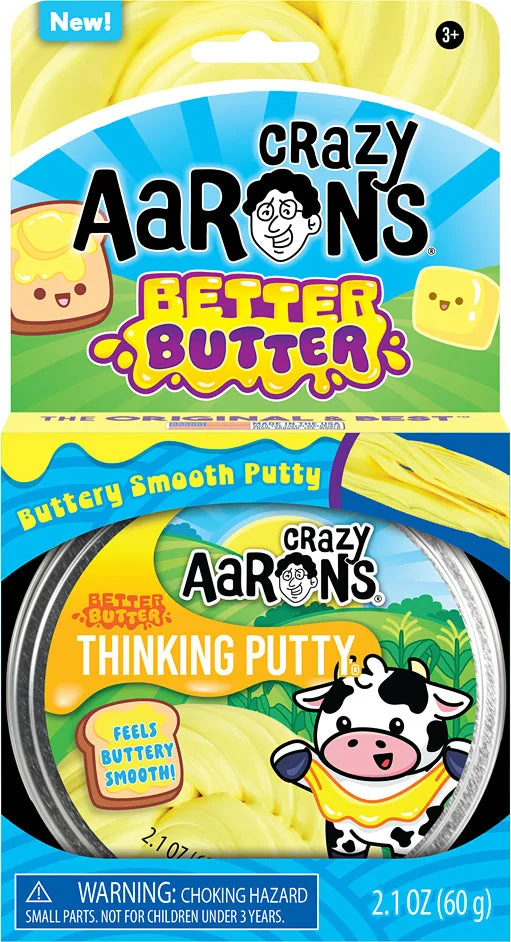
- Better Butter 4" Thinking Putty Tin: Better Butter 4" Thinking Putty Tin contains 2.1 oz of putty that will never dry out and is made in the USA. A tin of putty is a stronger choice for kids who need a bigger squeeze-and-stretch outlet, and the non-drying formula means it can be reused without replacing it.
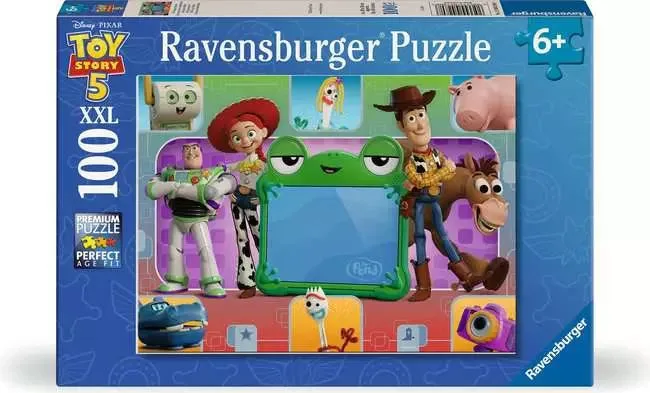
- Toy Story 5 100 pc XXL Puzzle: Toy Story 5 100 pc XXL Puzzle is a 100-piece jigsaw from Ravensburger for ages 6 and up. A puzzle is not a classroom fidget, but it is a useful focus break at home because it gives hands a clear task with a finish line.
Which fidget fits your child?
Best for
- Kids who need a silent, one-hand tool during class or homework
- Older children and teens who want a pocket-sized fidget for calls or travel
- Parents looking for a low-mess option that will not dry out or leave residue
Not for
- Toddlers or any child who still puts small objects in their mouth
- Kids who need a large movement break rather than a hand fidget
- Children who are easily pulled into spinning or visual play during lessons