Quick answer
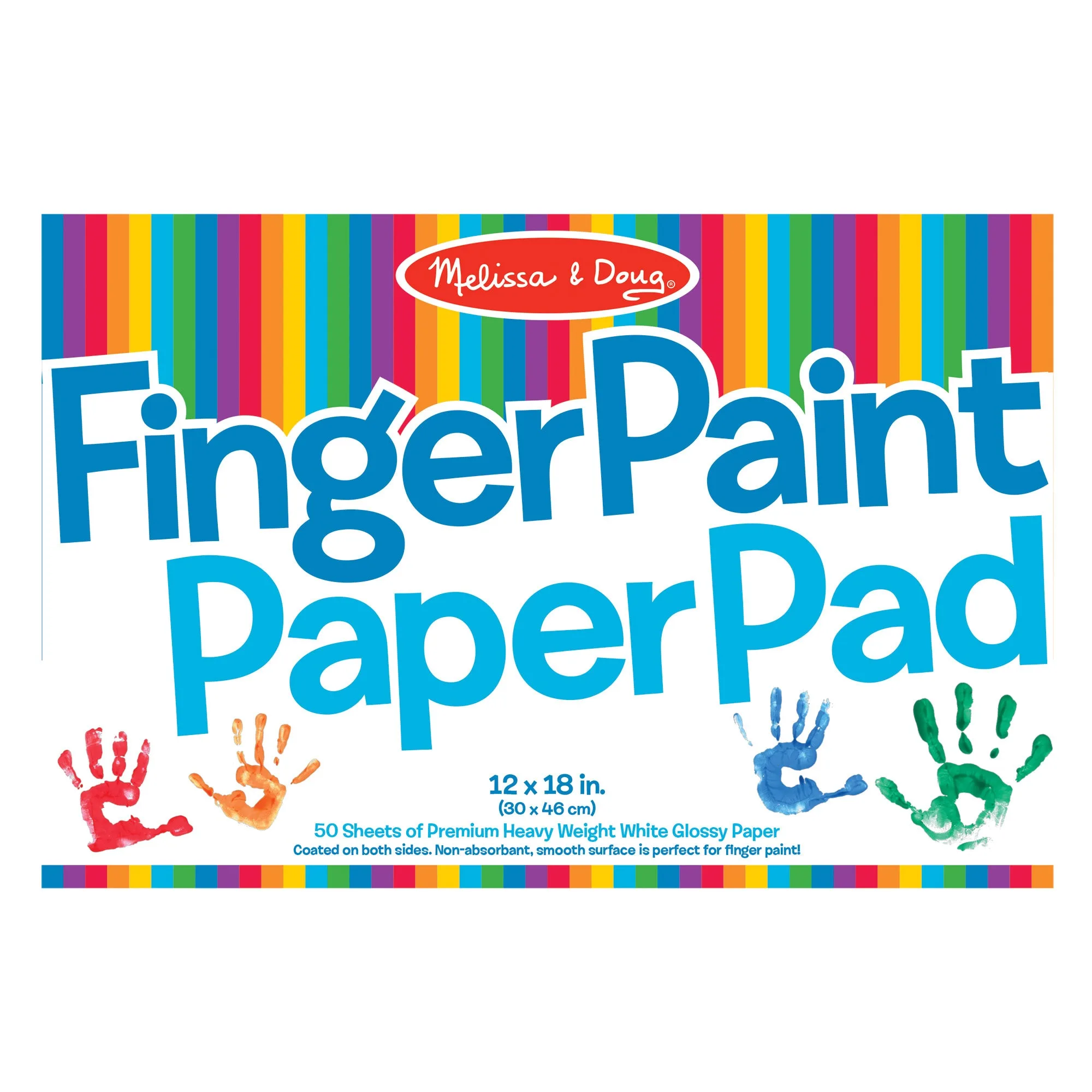
Most finger paint paper pad problems come from using too much paint, the wrong paper, or skipping a stable workspace. Switch to a non-absorbent pad such as Melissa & Doug Finger paint Paper Pad, use a dedicated paint cup, and lay down a washable mat before your toddler starts. If the paper still tears or curls, the issue is usually technique or paint volume, not the pad itself.
Why your finger paint paper pad gets soggy or tears
The most common complaint is that the paper turns to mush. That happens when regular drawing paper or lightweight construction paper is used instead of a coated, non-absorbent finger paint paper pad. Standard paper soaks up water from the paint, loses its structure, and tears under a toddler's hand pressure.
A proper finger paint paper pad is coated on both sides so paint sits on the surface instead of soaking in. If you are using a coated pad and it still tears, reduce the amount of paint. A pea-sized dab per color is enough for a young child. More paint does not mean more fun; it means a shorter art session and a bigger cleanup.
Fixes for curling pages and smeared artwork
Curling usually happens when a finished painting dries flat on a table without support. The moisture leaves the paper unevenly, so edges lift. Tear the page out along the pad's perforation and tape the corners to a flat surface while it dries. Once dry, the page stays flatter and is easier to display.
Smeared artwork is almost always a timing problem. Toddlers often keep painting until every color turns muddy. Give one color at a time, or offer two complementary colors instead of the whole set. If your child wants to keep going, hand over a fresh page rather than letting them rework the same wet sheet.
Contain the mess before it starts
Finger paint mess solutions work best when they are set up before the paint comes out. Cover the table with a plastic tablecloth or a large washable mat. Put a smock or an old adult T-shirt on your toddler. Keep a damp cloth and a dry towel within arm's reach so you can wipe hands between colors without leaving the table.
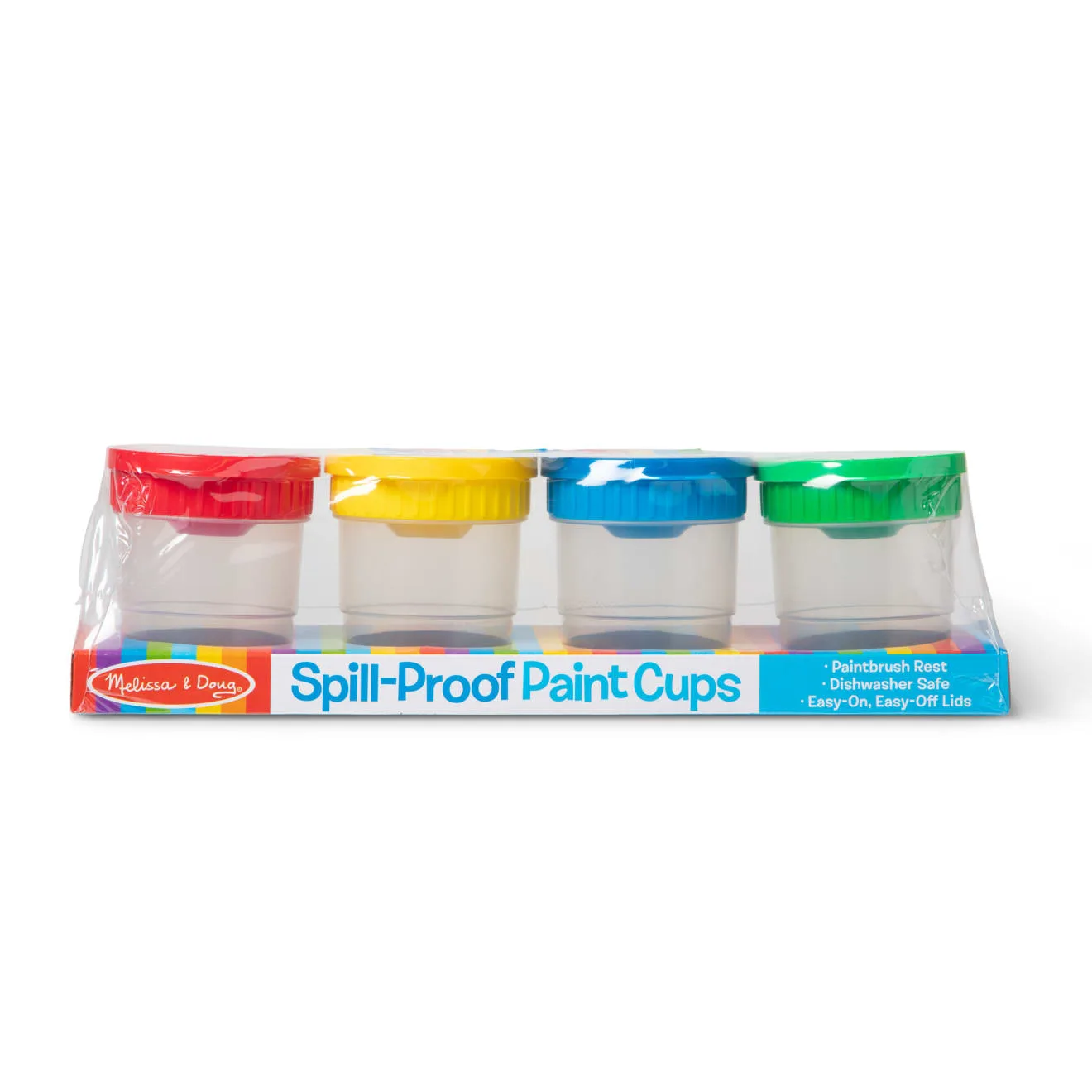
Paint cups with secure lids and brush holders reduce spills and keep colors separate. If you are using finger paint only, you can skip brushes, but cups still help you control how much paint your child can access at once. Fewer open containers means fewer accidental elbow dips.
Cleanup that does not ruin the fun
Finger paint cleanup goes faster if you plan the ending. Give a two-minute warning, then move hands directly to a sink or a bowl of warm soapy water. Wash hands before your child touches cabinets, walls, or fabric. Any paint that reached the table wipes up easily while still wet; dried paint takes more scrubbing.
If paint gets on clothing, rinse the fabric in cold water before washing. Hot water can set some pigments. Check the paint label for specific washing instructions, since formulations vary. For the paper pad itself, tear out used pages and store the pad flat so the remaining pages stay smooth for next time.
Finger paint paper pad diagnosis
- Paper turns to mush: You are likely using uncoated paper or applying too much paint. Switch to a non-absorbent finger paint paper pad and limit each color to a small dab. If the paper still disintegrates, the pad is not coated; replace it.
- Pages curl after drying: The page dried without support. Tear it out and tape the corners flat while it dries next time. Curling is a drying issue, not a paper defect.
- Colors turn muddy: Too many colors are open at once. Offer one or two colors per session and swap the page when it gets oversaturated. If your child wants to keep mixing, that is normal play; just hand over a fresh sheet.
- Paint gets everywhere: Set up a washable mat, a smock, and a damp cloth before starting. Use spill-proof cups to limit open paint. If mess still feels unmanageable, try a smaller session with one color and one page.
Products that solve common finger paint problems
- Finger paint Paper Pad: Finger paint Paper Pad measures 12 inches by 18 inches and uses premium heavy-weight glossy white paper coated on both sides to be non-absorbent. The large size gives toddlers room to spread out, and the double-sided coating stops paint from soaking through, which prevents the soggy-paper problem.
- Spill-proof Paint Cups: Spill-proof Paint Cups come as a set of four with snap-on storage lids, built-in brush holders, and a dishwasher-safe design. The lids and brush holders keep paint contained between sessions, and dishwasher-safe cups make cleanup faster after a messy art project.