Quick Answer
If a single bristle is bent, you can often straighten it with your fingers or warm water and keep using the brush. But if bristles are frayed, splayed, or the brush is past three months of use, stop trying to fix it and replace the toothbrush — a damaged brush cleans less effectively and can harbor bacteria.
You notice it while brushing: one bristle sticking out at an odd angle, or a whole tuft starting to splay. It's a small annoyance, but it raises a real question — can you fix a bent toothbrush bristle, or is it time to toss the brush?
The honest answer is that some minor bends are cosmetic and harmless, while others signal that the brush has lost its cleaning power. This guide walks through the symptom, the likely cause, what you can safely do, and the moment you should stop and buy a new brush.
Why Toothbrush Bristles Bend and Fray
Toothbrush bristles bend for a few common reasons. The most frequent culprit is simple wear — every time you brush, the bristles flex against your teeth and gums. Over weeks of daily use, that repeated pressure gradually weakens the nylon fibers, causing them to lose their original straight shape.
Another common cause is brushing technique. If you press too hard or use a vigorous back-and-forth scrubbing motion, you put extra stress on the bristles and speed up the damage. Storing the brush in a closed container while it's still wet, or resting something heavy on the bristles, can also bend them out of shape.
- Check your grip pressure — a lighter touch extends bristle life.
Quick Fixes for a Single Bent Bristle
If only one or two bristles are bent while the rest of the brush still looks straight and firm, you can try a simple fix. Run the bristles under warm (not hot) water for a few seconds, then gently pull the bent bristle back into place with your fingers. Nylon has some memory, and a minor bend often straightens out this way.
For a tuft that's slightly splayed, you can try pressing the bristles together between your thumb and forefinger while they're damp, then letting the brush air-dry upright. This sometimes helps the tuft hold a more compact shape. These fixes work best on newer brushes with a single bent bristle, not on brushes that are already heavily worn.
- Use warm water, not boiling — heat can permanently warp nylon.
When Not to Fix: Signs Your Brush Needs Replacing
The American Dental Association and most dental professionals recommend replacing your toothbrush every three to four months, or sooner if the bristles become frayed. If the bristles are visibly splayed outward, flattened, or losing their color, the brush is no longer cleaning effectively. Bent bristles don't remove plaque as well, and they can be rougher on your gums.
You should also replace the brush after you've been sick, since bacteria can linger on the bristles. And if you've tried the straightening fix and the bristle pops right back out of shape, that's a clear signal the brush has reached the end of its useful life. At that point, no amount of bending back will restore its cleaning power.
- A good rule of thumb: if the bristles no longer spring back, it's time to replace.
How to Prevent Bent Bristles in the Future
Prevention is easier than repair. Use a soft or medium brush and a gentle circular motion instead of aggressive scrubbing. Rinse your brush thoroughly after each use and shake off excess water, then store it upright in a holder where the bristles aren't pressed against anything.
Avoid storing your brush in a closed travel case while it's still wet — trapped moisture can weaken the bristles and encourage bacteria growth. If you use a cover, let the brush air-dry first. Following these habits will help your brush stay straight and effective for its full lifespan.
- Store your brush upright and uncovered between uses to let it dry.
Diagnosis: Is Your Brush Worth Fixing or Replacing?
- Symptom: Single bent bristle, rest of brush looks new: One bristle sticking out at an angle while the brush is otherwise straight and firm. Try the warm-water straightening fix; likely fine to keep using.
- Symptom: Frayed, splayed, or flattened bristles: Multiple tufts spreading outward or bristles lying flat instead of standing upright. Stop fixing and replace the brush — it's lost cleaning effectiveness.
- Symptom: Brush is 3+ months old or you've been sick: Even if the brush looks okay, time and illness have worn it down. Replace it now, regardless of how the bristles look.
Products That Help You Maintain Your Routine
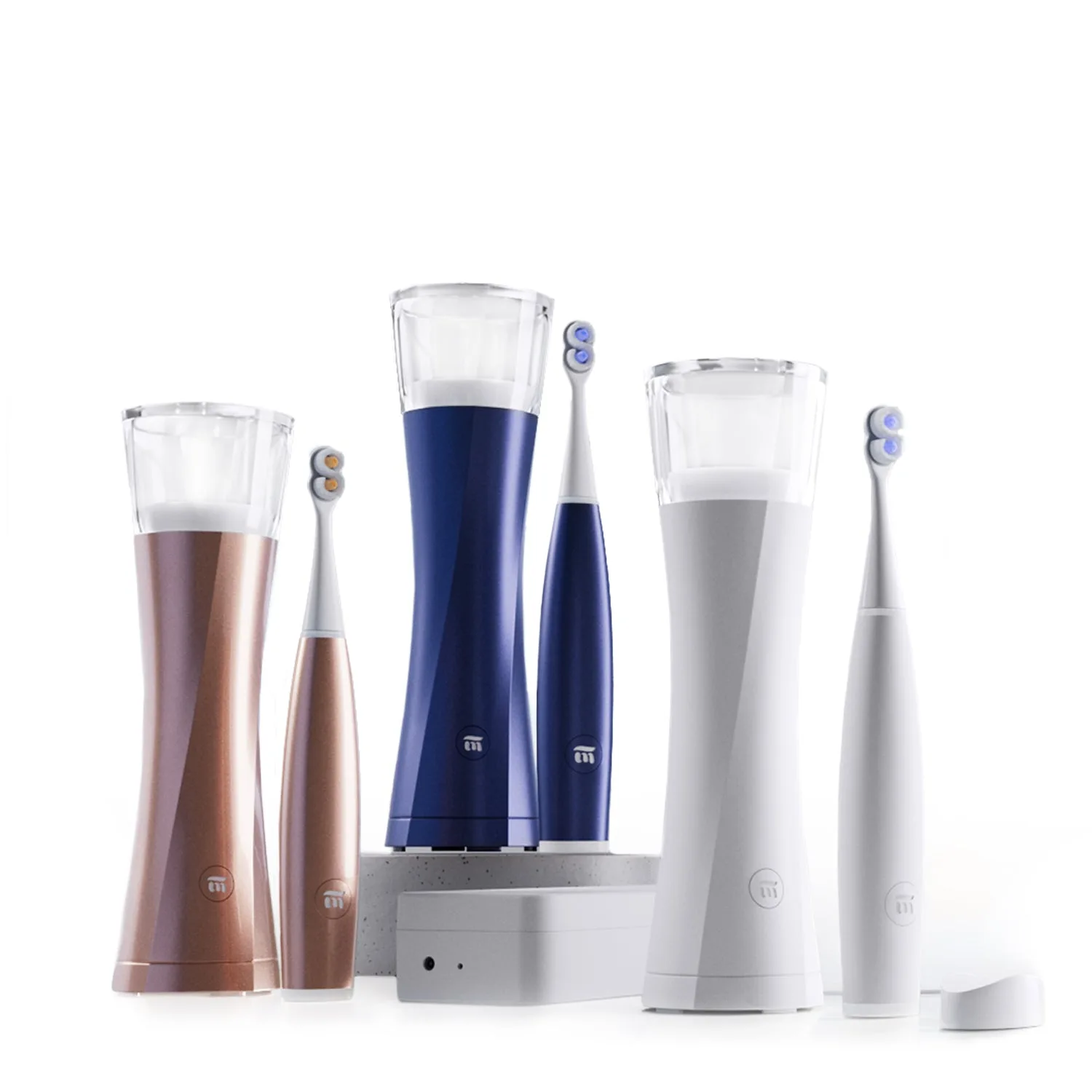
- Replacement Brush Heads: Keep your supermouth-293690">supermouth-293688">SuperMouth device fresh and ready with these replacement brush heads, designed for ages 13 and up. Each pack provides a simple way to maintain your oral care routine. Compatible with SuperMouth devices, easy to swap out, and ideal for regular replacement to maintain hygiene. If you use a SuperMouth device, swapping in a fresh head every few months is the easiest way to avoid the whole bent-bristle problem — no fixing required.
- Moler Toothbrush Hugger: Keep your toothbrush clean, protected, and within easy reach with the Moler Toothbrush Hugger. This simple accessory helps keep your brush covered and organized, making it a practical addition to your daily routine. Designed to hold your toothbrush securely, helps protect the bristles from dust and other contaminants, and is compact and convenient for bathroom storage or travel. Storing your brush properly between uses prevents accidental bending and keeps bristles clean, so your brush lasts longer and stays effective.
A single bent bristle is usually a minor cosmetic issue you can fix in seconds. But once bristles are frayed or the brush is past its three-month mark, the right move is replacement, not repair. Keep your brush stored upright, use a gentle touch, and swap it out on schedule — your teeth and gums will thank you.