Quick answer
Use a fine blade seam ripper to carefully cut the broken stitches, then re-sew the seam. Stop if the fabric is fragile or the seam is under heavy stress.
Why a fine blade seam ripper works best
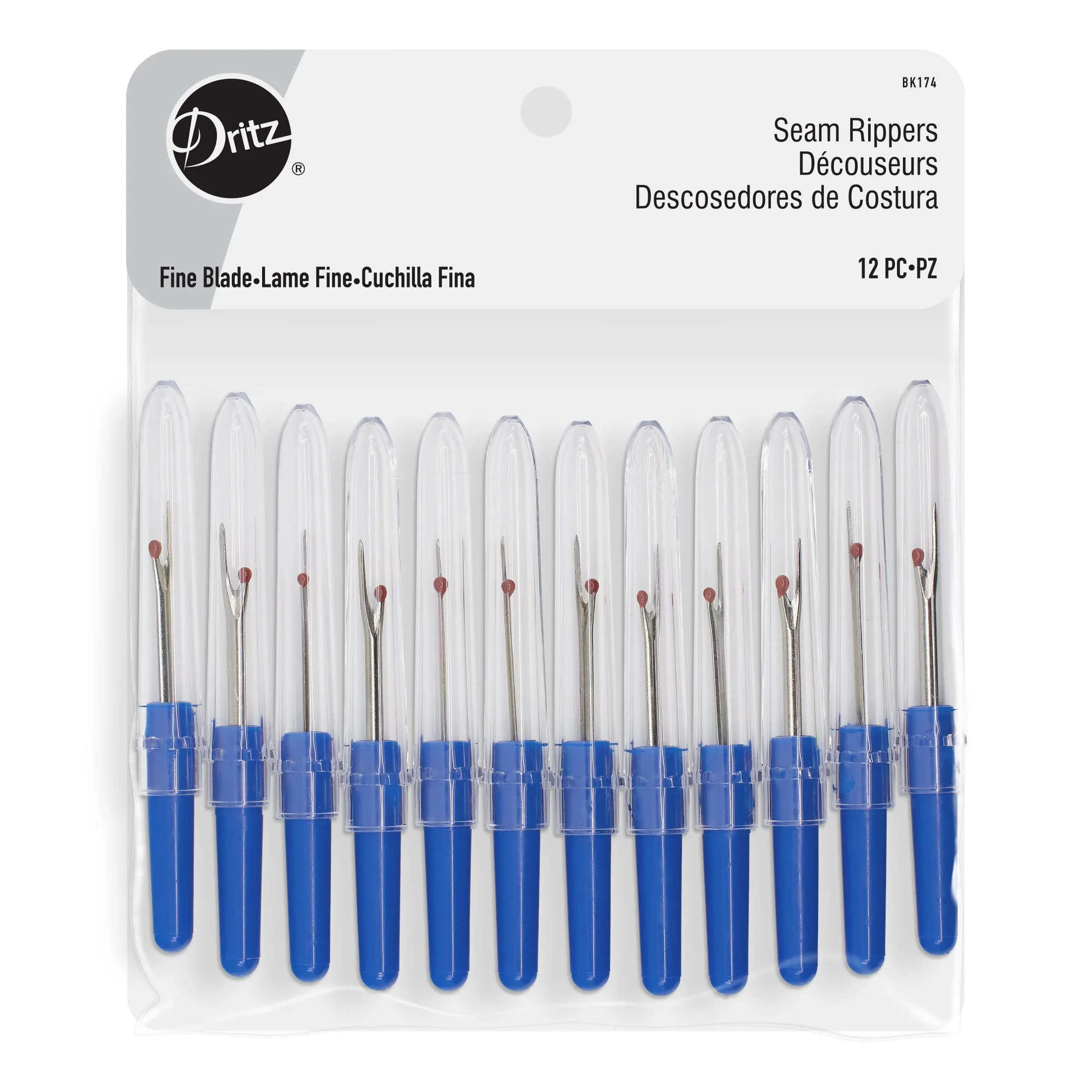
A fine blade seam ripper, like the Dritz Seam Ripper, has a sharp, narrow tip that slides under individual stitches without tearing the surrounding fabric. The built-in safety ball protects the fabric from accidental cuts, making it ideal for delicate repairs.
This tool is designed for precision: you can target only the broken stitches and leave the intact ones alone. Using scissors or a knife risks cutting the fabric or pulling threads, which can worsen the damage.
When to choose a different method
If the seam is on a stretchy knit or a very thin, fragile fabric, a seam ripper may still work, but you must work slowly and avoid pressing too hard. For seams that are heavily stressed (e.g., on a bag strap or jeans crotch), consider reinforcing the area with a patch or interfacing instead of simply re-sewing.
If you are repairing a decorative stitch or a seam with many layers, a seam ripper can still be used, but you may need to cut from the back side to avoid damaging the top fabric.
Seam repair diagnosis and correction
- Symptom: A section of the seam has opened, leaving loose thread ends or a visible gap. The rest of the seam may still be intact.
- Likely cause: The thread broke due to tension, wear, or a weak spot in the thread. The stitches themselves are still in place but no longer connected. If the fabric is also torn or frayed, stop and patch the fabric first.
- Corrective action: 1. Place the fabric flat, wrong side up if possible. 2. Slide the fine blade of the seam ripper under the broken stitches, one at a time, and cut them. 3. Remove all loose thread bits. 4. Re-sew the seam using a matching thread and a straight stitch, backstitching at both ends. After re-sewing, test the repair by gently pulling the seam. If it opens again, the fabric may be damaged or the tension may be off.
- Stop or choose another option: If the fabric is delicate (silk, lace, thin knit) or the seam is under constant heavy load (bag strap, waistband), consider reinforcing with interfacing or a patch instead of simply re-sewing. If the seam ripper blade feels dull or the safety ball is missing, replace the tool to avoid fabric damage. For heavy-duty repairs, a seam ripper is not a substitute for proper reinforcement.
Product used in this guide
-
Seam Rippers, Fine Blade, 12 pc: The Dritz Seam Ripper has a fine blade, a clear plastic cap, a safety ball to protect fabric, and is made from hardened steel. The fine blade and safety ball let you remove only the broken stitches without cutting the fabric, making seam repair cleaner and faster.
Seam Rippers, Fine Blade, 12 pc