Quick Answer
For a hem that has come loose but the fabric is intact, fusible bonding web is the fastest no-sew fix: tuck a strip between the folded hem and the garment, press with a steam iron, and let it cool. It bonds in seconds and is washable and dry cleanable. It won't work if the fabric is frayed, melted, or too heavy for the web you chose.
A hem that drops mid-wear is annoying, but it's rarely a sign that the whole garment is ruined. In most cases, the original stitching has simply failed along one section, and the fabric itself is fine. That's the scenario where a fusible bonding web earns its keep.
This guide walks through the diagnosis first, because the right fix depends on why the hem let go. Then it covers the actual repair step by step, and — just as important — the point where you should stop and hand the garment to a tailor instead.
Why Hems Come Loose in the First Place
A falling hem usually traces back to one of four causes: thread wear from friction against shoes or furniture, a stitch length that was too long to begin with, fabric that has stretched or relaxed over time, or a hem weight that the original thread simply couldn't hold. Knowing which one applies tells you whether a fusible repair will last or whether you're setting yourself up for a second failure.
Check the loose section closely. If the thread is broken but the fabric edge is clean and intact, you have a straightforward repair. If the fabric itself is fraying, thin, or has a visible crease line where the fold used to sit, the hem needs more than adhesive — it needs stabilization first.
- Run your finger along the hemline: a clean fold with intact fabric is a good candidate for fusible web.
- Check the care label before you press anything — some fabrics can't take high heat.
How to Apply Fusible Bonding Web to a Hem
Start by pressing the hem flat so the fold sits where it originally did. Cut a strip of fusible web slightly narrower than the hem depth — you don't want adhesive squeezing out past the fold and gumming up your iron. Slide the strip between the hem and the garment, then press with a steam iron according to the web's instructions, holding the iron in place rather than gliding it.
Let the garment cool completely before you tug on the hem. The bond sets as it cools, so testing too early can pull the web loose before it has done its job. Once cool, give the repair a gentle pull. If it holds, you're done. If it releases, either the heat wasn't high enough, the fabric is too heavy for that web weight, or there wasn't enough pressure.
- Use a pressing cloth to protect both the fabric and your iron plate.
- Work in short sections on curved hems so the fold doesn't shift as you press.
Matching the Web to the Fabric Weight
The most common reason a no-sew hem repair fails is a weight mismatch. A lightweight web on a heavy wool coat will release the first time the hem flexes. A heavy web on a delicate fabric can stiffen the drape or show through to the right side. Match the web to the fabric, not to the garment category.
For heavier fabrics, a dedicated heavy-weight fusible web is the right call. It's designed to bond two layers of fabric when activated by a steam iron and is meant for hems, trims, and belts on white or light-colored heavy fabrics. That said, adhesive repairs on very heavy or structured garments are always a compromise — they hold, but they don't drape like a stitched hem.
- Test on a scrap of the same fabric before committing to the visible hem.
- If the fabric is coated, waterproofed, or has a pile, fusible web may not adhere at all.
When to Stop and Choose Another Option
Stop and reconsider if the fabric is fraying, if the hem sits on a high-stress area like a coat vent or a fitted waistband, or if the garment is dry-clean-only and you're not confident about heat tolerance. In those cases, a hand-stitched hem or a tailor's repair will outlast any adhesive.
Also stop if you've already tried a fusible repair once and it failed. A second application over old residue rarely bonds well, and the buildup can stiffen the hem edge. Remove the residue first if you want to try again — otherwise, switch to stitching.
- Fraying fabric, high-stress hems, and structured garments are tailor territory.
- One failed fusible attempt is a signal to change methods, not to add more web.
Hem Repair Diagnosis: Symptom, Cause, Action, Stop Point
- Symptom: thread broken, fabric edge clean: The stitching failed but the fabric and fold are intact. Best case for fusible web — proceed with the repair.
- Symptom: fabric fraying or thin at the hem edge: The fabric itself is deteriorating, not just the thread. Stop. Stabilize or stitch; fusible web won't hold a fraying edge.
- Symptom: hem released after one fusible attempt: Residue or a weight mismatch is preventing a clean bond. Remove residue and switch to a heavier web, or hand-stitch instead.
- Symptom: high-stress hem on a coat vent or fitted waistband: Adhesive bonds flex and fail under repeated stress. Choose stitching or a tailor for these areas.
Product Facts That Matter for This Repair
- 5/8" Fusible Bonding Web for Heavy Fabrics, White, 18 yd: Dritz Fusible Bonding Web for Heavy Weight Fabrics is a no-sew tool for hems, trims, and belts; it bonds two layers of fabric when activated by a steam iron and is washable and dry cleanable. The 5/8-inch width fits most standard hems, and the heavy-weight formulation is the right match for coats, wool trousers, and other substantial fabrics where a light web would release.
- 1-1/2" Heavy Stretch elastic, White, 1-1/4 yd: Dritz Heavy Stretch Waistband Knit Elastic is a stiff, strong stretch elastic for heavier fabrics, great for cuff bands, waistbands, and jacket waistbands, and resists curling. If the loose hem is actually a stretched-out cuff or waistband, replacing the elastic is the real fix — fusible web won't restore stretch that's already gone.
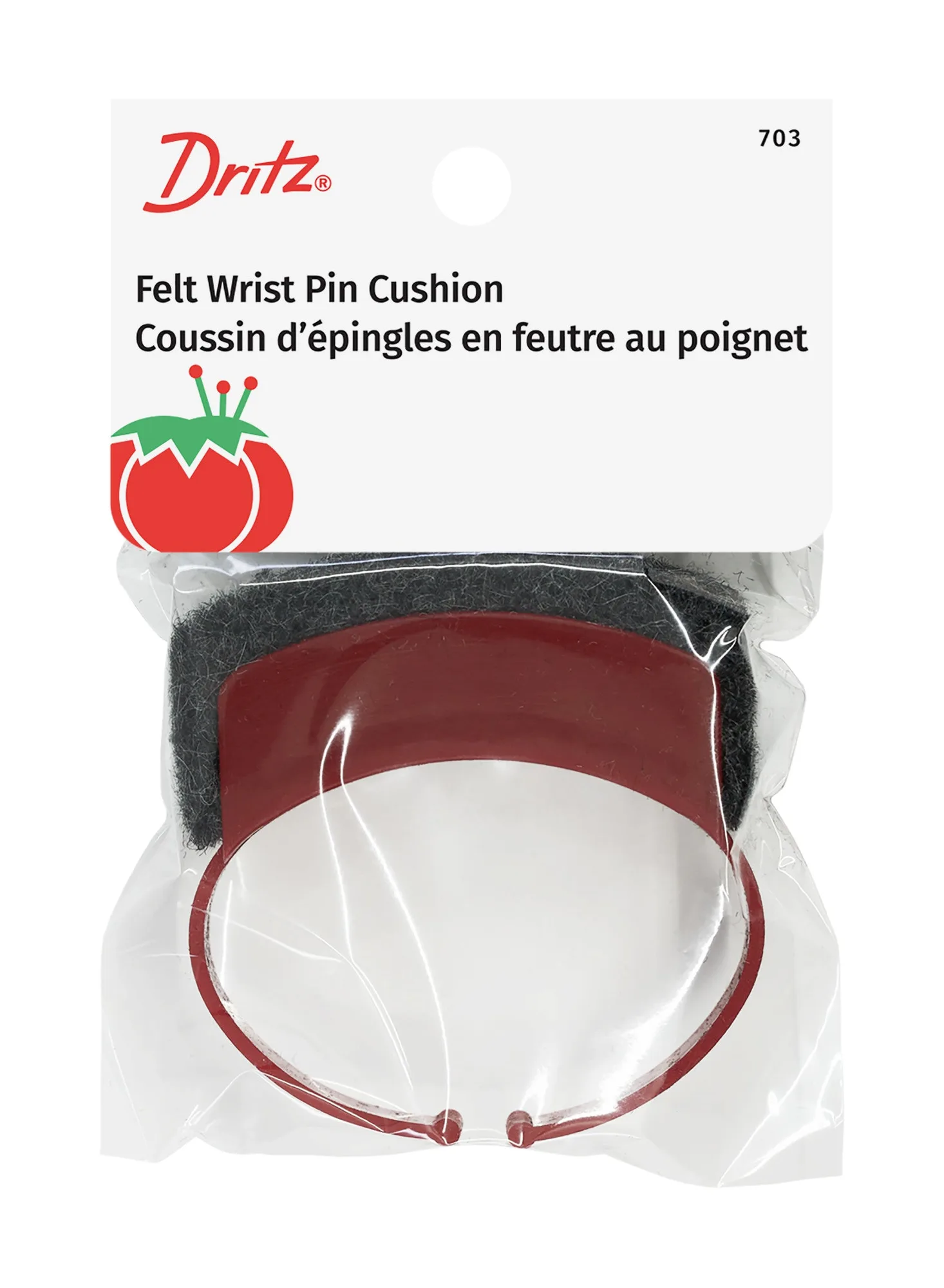
- https://prymamerica.com/products/703-7ff37cf6cfc8814f7f5b93b0-1316173Wrist Felt Pin Cushion, Red: This Dritz wrist pin cushion has a flexible red wrist band and sturdy felt, with hard plastic sides that prevent pin pricks; one size fits all. Keeping pins on your wrist means you can pin the hem in place before pressing, which keeps the fold aligned and reduces the chance of a crooked repair.
A loose hem is one of the few repairs where a no-sew fix genuinely works — provided the fabric is sound and you match the web to the weight. Diagnose first, press carefully, and let it cool before you test. When the fabric is fraying or the hem takes real stress, put the iron down and pick up a needle.