Quick Answer
If your storage cabinet or shelving unit wobbles, first check the leveling feet. Adjust them to compensate for uneven floors. If the unit is tall and still unstable, anchor it to the wall. For cabinets without leveling feet, use shims or add leveling feet if compatible.
A wobbly storage cabinet or shelving unit is more than an annoyance—it can be a safety hazard, especially in a garage or home office. The good news: most wobbles are easy to fix with the right tools and a little know-how. In this guide, we'll walk you through diagnosing the cause and applying practical leveling and stability solutions.
Whether you're dealing with a tall storage cabinet or a heavy-duty shelving unit, the fix often comes down to three things: leveling feet, shims, and wall anchoring. We'll cover each so you can get your storage stable and safe.
Diagnose the Cause of the Wobble
Before you start adjusting anything, figure out why your unit is wobbling. The most common cause is an uneven floor. Garages and basements often have concrete floors that slope slightly toward a drain, and even a small slope can make a tall cabinet rock. Another cause is missing or improperly adjusted leveling feet. Many cabinets come with leveling feet, but if they're not set correctly, the unit will sit unevenly.
Check the floor first. Place a spirit level on top of the cabinet in both directions. If the bubble isn't centered, the floor is uneven. If the cabinet has leveling feet, try adjusting them. If it doesn't, you may need to add shims or consider upgrading to leveling feet if your cabinet supports them.
- Use a spirit level to check both the cabinet and the floor.
- Listen for a rocking sound—it often indicates a single low corner.
Adjust Leveling Feet for Uneven Floors
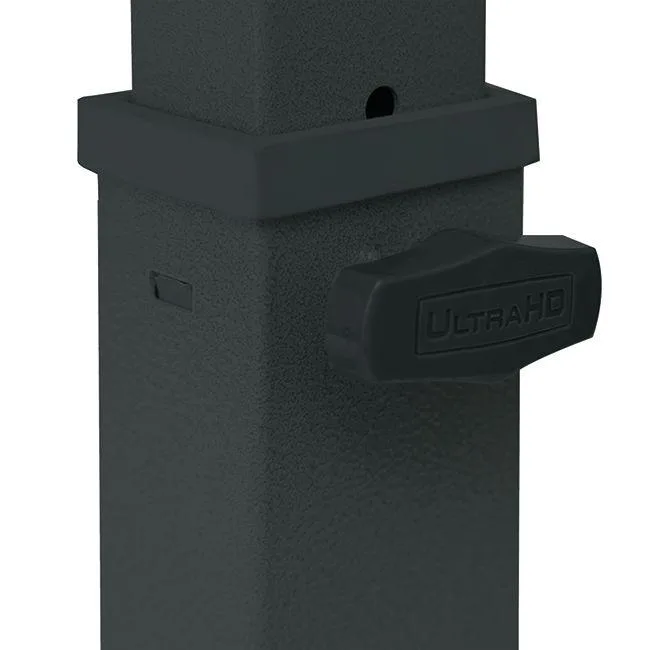
Most quality storage cabinets, like the UltraHD line, come with adjustable leveling feet. These are designed to be turned to raise or lower each corner. To adjust, simply turn the feet clockwise to lower the cabinet or counterclockwise to raise it. Work in small increments and recheck the level frequently.
For cabinets without leveling feet, you can use shims—thin wedges of wood or plastic—to fill the gap under a low corner. Slide the shim under the base until the cabinet is level, then trim any excess with a utility knife. For a more permanent solution, consider adding leveling feet if your cabinet has pre-drilled holes or if you're comfortable drilling your own.
If you have a cabinet that rolls, like a rolling cabinet, you may need to lock the casters first. Some rolling cabinets have leveling feet that can be lowered to take the weight off the casters, which stabilizes the unit when it's in a fixed position.
- Always recheck the level after each adjustment.
- Use a rubber mallet to gently tap shims into place without damaging the cabinet.
Stabilize Tall Cabinets with Wall Anchors
Even with leveling feet, a tall storage cabinet can tip forward if you pull out a heavy drawer or if a child climbs on it. For safety, always anchor tall cabinets to the wall. Use a wall anchor kit that includes brackets and screws. Attach the brackets to the back of the cabinet and then to the wall studs. This is especially important for cabinets over 36 inches tall.
When anchoring, make sure the cabinet is level first. Then mark the wall through the bracket holes, drill pilot holes, and secure the brackets with lag bolts into studs. If you can't find a stud, use heavy-duty wall anchors rated for the weight. This step is critical for preventing tip-over accidents.
For shelving units, the same principle applies. Tall, narrow shelving units are particularly prone to tipping. Anchor them to the wall, especially if you store heavy items on upper shelves.
- Always anchor tall furniture, even if it seems stable.
- Use a stud finder to locate wall studs for the strongest hold.
When to Consider a Different Solution
Sometimes, the wobble isn't a leveling issue but a design issue. If your cabinet is not designed to be leveled or if the floor is too uneven to compensate, you might need a different solution. For instance, if you have a rolling cabinet that wobbles because the casters are too small or the floor is too rough, you may want to replace the casters or use a mat under the unit.
If your cabinet is severely damaged or the frame is bent, fixing the wobble might not be worth the effort. In that case, consider replacing the unit with one that has better stability features, such as leveling feet and a solid steel frame.
For garage shelving, if the unit is overloaded or the shelves are not locked in place, the wobble might be due to improper assembly. Double-check that all shelves are seated correctly and that all bolts are tight.
- If the frame is bent or cracked, replacement is safer than repair.
- Check the weight limit of your shelving to avoid overloading.
Diagnosis and Fix at a Glance
- Symptom: Cabinet or shelving unit rocks or tilts when touched, or there is a visible gap between the floor and one corner. Identify which corner is low by rocking the unit.
- Likely Cause: Uneven floor, improperly adjusted leveling feet, or missing leveling feet entirely. Check the floor slope with a spirit level.
- Corrective Action: Adjust leveling feet or use shims to level the unit. For tall units, anchor to the wall for tip-over prevention. Recheck the level after each adjustment and secure the unit to a stud.
- Stop or Choose Another Option: If the frame is bent, cracked, or the unit lacks compatible leveling feet and can't be safely anchored, stop and consider replacing the unit. Safety first: a damaged unit should be replaced, not patched.
Products That Help with Stability
- UltraHD® 6" H Steel Leveling Feet with Rubber Base, White: Set of four 6" H heavy-duty solid steel UltraHD® Leveling Feet, crafted from commercial steel with rubber base pad that prevents scratches and dents on floors. These leveling feet can replace or upgrade the feet on compatible cabinets, providing a stable base on uneven floors and protecting your garage or office floor.
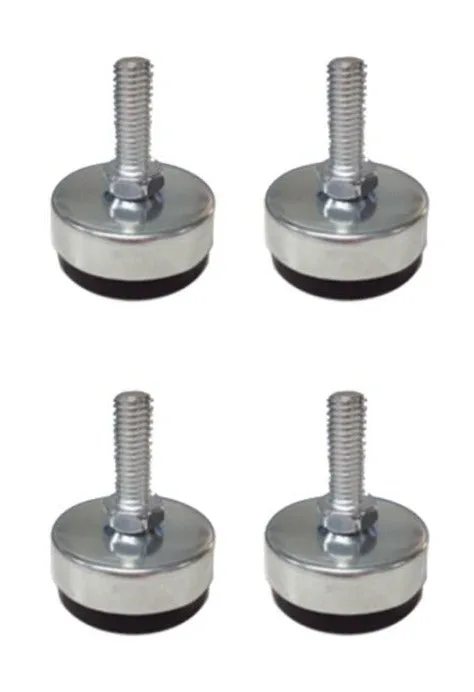
UltraHD® Leveling Feet
- https://cozynestcoai.shop/products/ultrahd-6-drawer-cabinet-with-soft-closing-drawers-261729https://cozynestcoai.shop/products/ultrahd-6-drawer-cabinet-261740https://cozynestcoai.shop/products/ultrahd-6-drawer-cabinet-261741UltraHD® 6-Drawer Cabinet with Soft-Closing Drawers: All-steel construction with stainless steel front soft-closing drawers; assembled dimensions 28" W x 25" D x 34.75" H. A sturdy steel frame reduces wobble, and the soft-close feature prevents drawers from slamming, which can shift the cabinet over time.
- UltraDurable® 4-Tier NSF-Certified Steel Shelving: Commercial-grade steel construction, 60" W x 24" D x 76" H (72" H on leveling feet), with height-adjustable shelves at 1" increments. The integrated leveling feet allow you to adjust each corner to compensate for uneven floors, making this shelving more stable than fixed-foot alternatives.
A wobbly storage cabinet or shelving unit is a fixable problem in most cases. Start by leveling the unit with adjustable feet or shims, and always anchor tall units to the wall for safety. If the unit is damaged or cannot be stabilized, invest in a new one with sturdy construction and leveling features. With these tips, your storage will be stable and secure for years to come.