Quick answer
Choose Fomapan Action 400 for its versatile ISO 400 speed and push-processing flexibility in changing light. Choose Ilford SFX 200 if you want creative infrared-style effects with extended red sensitivity.
Speed and grain: different priorities
Fomapan Action 400 is a fast film at ISO 400, making it a solid choice for overcast days, indoor available light, or handheld medium format work. Its emulsion is designed for dynamic range and fine grain, and it handles push processing well, so you can adapt exposure on the fly.
Ilford SFX 200 is slower at ISO 200, which means you will need more light or a tripod in dim conditions. Its medium speed is ideal for bright scenes and long exposures, and its fine grain helps maintain detail in large medium format negatives.
Creative control with red sensitivity
The main difference comes down to spectral sensitivity. Ilford SFX 200 has extended red sensitivity, which lets you use deep red filters to darken blue skies and create dramatic, infrared-like landscapes. This is a creative tool that Fomapan Action 400 does not offer.
If you do not need that effect, Fomapan Action 400 is a more straightforward all-rounder. Its panchromatic response gives natural tonal rendering, and its speed gives you more flexibility in variable lighting.
Trade-offs to weigh
- Fomapan Action 400: speed vs. creative effects: Pick Fomapan Action 400 when you need ISO 400 flexibility and push-processing headroom. You give up the extended red sensitivity that enables infrared-style looks.
- Ilford SFX 200: creativity vs. light requirements: Pick Ilford SFX 200 when you want dramatic red-filter effects. You trade that for a slower ISO 200, so plan for brighter conditions or a tripod.
- Your shooting scenario: If you shoot handheld in variable light, Fomapan Action 400 is the safer bet. If you shoot landscapes with a tripod and want to explore creative filters, Ilford SFX 200 opens new possibilities. Before buying, think about your typical light conditions and whether you have a tripod or a steady hand.
Product details at a glance
-
Fomapan Action 400 Black & White Negative Film - 120 Roll Film: ISO 400, versatile panchromatic film with fine grain and robust push-processing capability. You can shoot in lower light and push the film when needed, without losing detail.
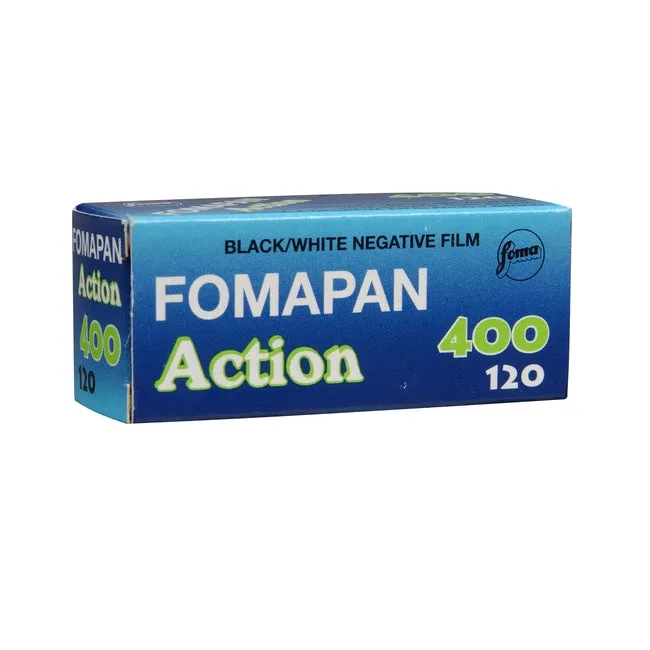
Fomapan Action 400 Black & White Negative Film - 120 Roll Film
-
Ilford SFX 200 Black and White Negative Film - 35mm Roll Film - 36 Exposures: ISO 200, medium-speed film with extended red sensitivity for creative filtering. Use deep red filters to produce dramatic skies and infrared-like effects in your medium format shots.
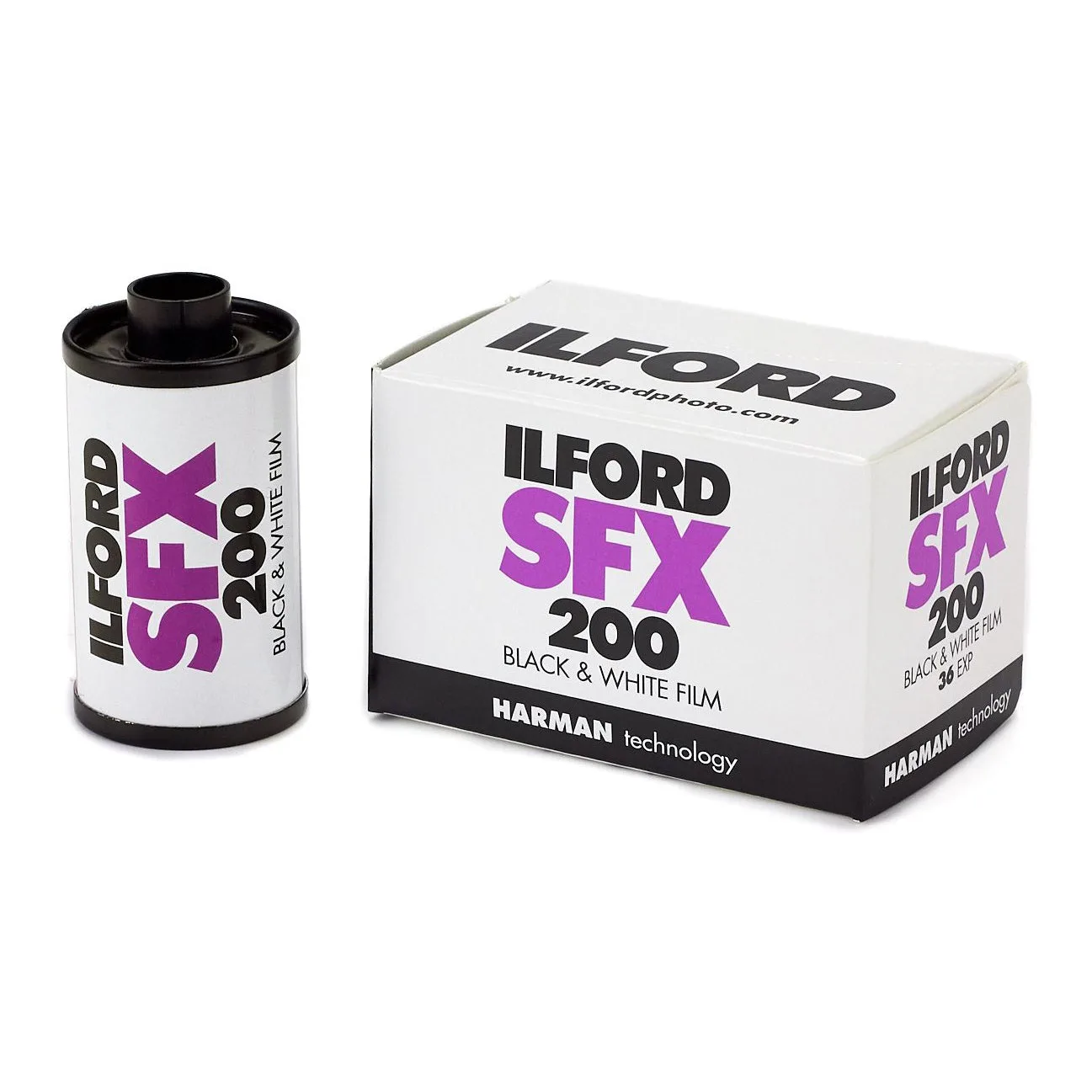
Ilford SFX 200 Black and White Negative Film - 35mm Roll Film - 36 Exposures
Which film should you choose?
Best for
- Photographers who need a fast black and white film for handheld shooting in overcast or indoor light
- Medium format shooters who want push-processing flexibility and fine grain
Not for
- Photographers who want infrared-style effects without investing in filters and slower shooting