Quick answer
Choose a full-size food processor if you regularly slice, shred, or mix dough and want one machine to cover big batches. Choose a compact chopper if your jobs are small and quick, like herbs, garlic, or a single dip. If you cook both ways, start with the processor and add a chopper later.
Where the two machines actually differ
The split isn't brand or blade count. It's capacity and the range of tasks the machine is built to handle. A full processor is designed for continuous prep: larger volumes, slicing and shredding discs, and enough room for dough or a batch of sauce. A chopper is built for short bursts: small bowls, quick pulses, and recipes measured in cups rather than quarts.
That difference shows up in your workflow. With a processor you can prep a week of vegetables, make a double batch of dip, or mix dough without stopping to empty the bowl. With a chopper you get speed and a small footprint, but you'll work in batches once a recipe scales up. Neither is wrong; they solve different problems.
How to read the specs before you buy
Supplied catalog listings don't always state bowl size, wattage, or included discs, so treat any missing spec as an open question and check the product page before ordering. What the listings do give you is price positioning, color, and the intended category, which is enough to sort options into tiers.
Use price as a rough signal of capability, not quality. A lower-priced processor in the KitchenAid line is still a processor, while a higher-priced item in the other-75970">other-75969">other-75968">other-75967">Other Products category may be an accessory or a different appliance entirely. Match the category to the job first, then compare within it.
Matching the machine to your cooking
If your chopping is mostly onions, herbs, and nuts for one meal, a compact chopper covers it with less counter space and faster cleanup. If you bake, shred cheese by the block, or make sauces and dips in volume, a full processor saves real time because you're not emptying a small bowl three times.
A practical test: count how often you prep more than two cups at once. Rarely means a chopper is enough. Often means a processor earns its space. For sauces and dips specifically, a processor's larger bowl lets you blend without stopping to scrape down as frequently.
Trade-offs to weigh before you decide
- Capacity vs counter space: A full processor handles larger batches in one go, but it takes up more room and is heavier to move. A compact chopper stores easily but forces you to work in batches once a recipe grows. Measure your cabinet or counter space before choosing capacity.
- Task range vs simplicity: Processors typically add slicing, shredding, and dough capability. Choppers focus on chopping and blending small quantities, so they're simpler to use but do fewer jobs. List your top three recurring tasks; if slicing or dough is on it, lean processor.
- Cleanup effort: More parts and a bigger bowl mean more to wash after a processor session. A chopper's smaller bowl and lid are quicker to rinse, which matters if you cook small meals often. If you'd skip using it to avoid washing up, size down.
Two KitchenAid options to compare
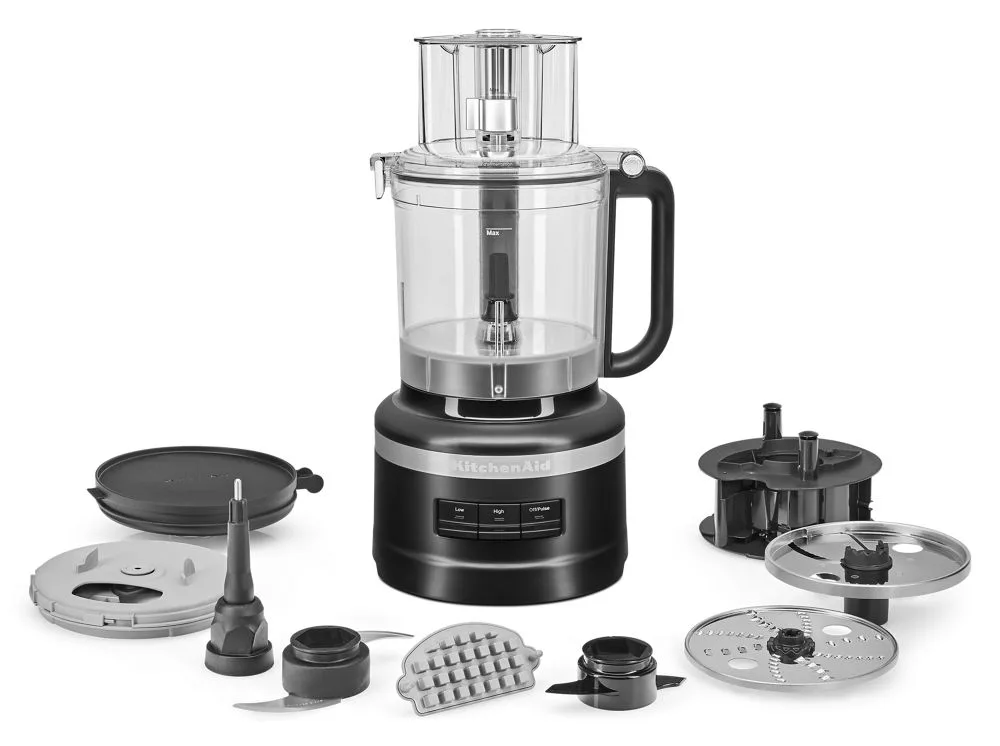
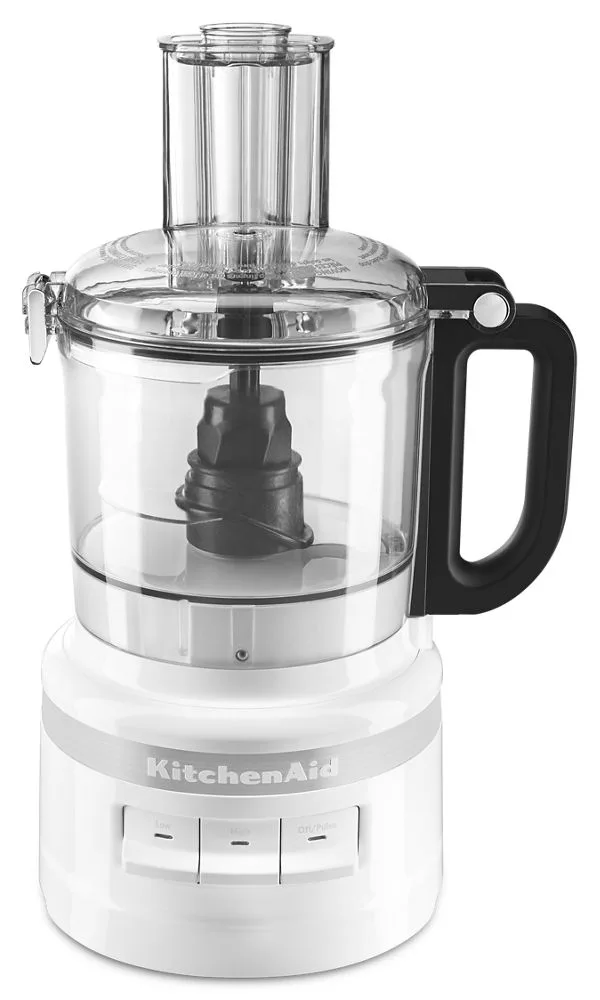
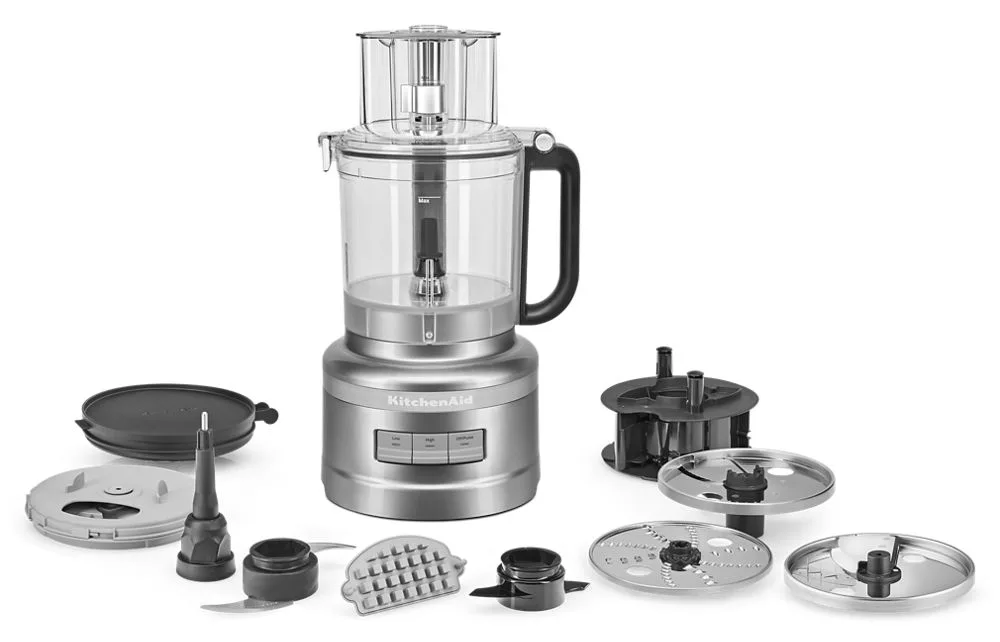
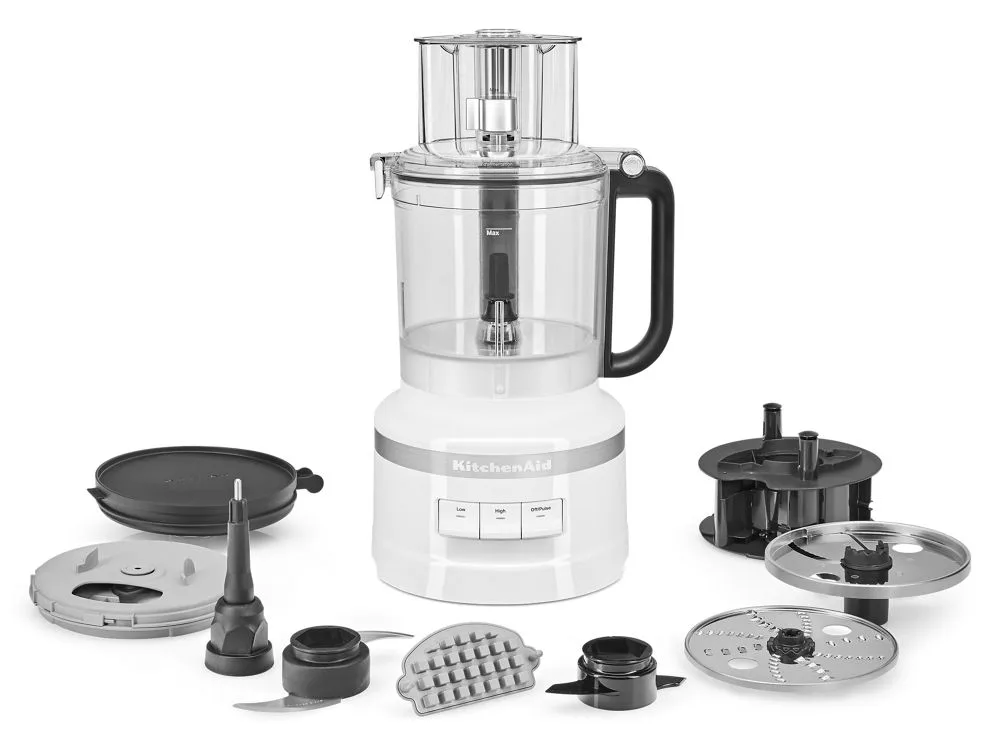
- Empire Red: KitchenAid Empire Red Food Processor, listed at USD 187.19 (catalog comparison price USD 259.99), in the Food Processors - Processors category with an Empire Red finish. This is the full-processor tier: a higher price point that signals a machine built for continuous prep, slicing, and mixing rather than quick pulses.
- Empire Red: KitchenAid Empire Red Food Processor, listed at USD 73.69 (catalog comparison price USD 109.99), in the Food Processors - Processors category with an Empire Red finish. A lower-priced processor in the same category and color, useful if you want the processor form factor on a smaller budget, though the listing doesn't state bowl size or wattage, so confirm those before buying.
- TOAST Knob for Countertop Oven (Fits Model KCO111): Genuine KitchenAid TOAST Knob replacement for the KCO111 Countertop Oven, listed at USD 4.19 (catalog comparison price USD 6.99), with color as the available option. A reminder that not every low-priced KitchenAid item is a chopper or processor. Check the category so you don't buy a replacement part when you meant to buy an appliance.
Which one fits you
Best for
- Cooks who slice, shred, or mix dough and prep more than two cups at a time
- Households making sauces and dips in volume or batch-prepping vegetables
- Buyers who want one machine to cover most prep tasks
Not for
- Anyone with very limited counter or storage space who only chops small amounts
- Cooks who mainly need quick herb, garlic, or single-dip jobs
- Buyers who want the lowest-cost entry into powered chopping