Quick answer
Buy a blender if your daily routine revolves around smoothies, soups, or sauces—it blends liquids into a silky texture that a food processor can't match. Buy a food processor if you chop vegetables, shred cheese, or make dough; its wide bowl and interchangeable blades handle solid tasks with less stopping and scraping. If you do both, start with the one you'll use most days and add the other later.
How the two machines actually work
A blender uses a tall, narrow jar and a spinning blade at the bottom to create a vortex. That vortex is why blenders excel at smoothies, pureed soups, and emulsified sauces: the liquid keeps moving, so solids get pulled down into the blades. A food processor uses a wide, shallow bowl with blades or discs that sit closer to the food. It doesn't rely on a vortex, so it can chop nuts, slice cucumbers, shred carrots, or cut butter into flour without turning everything into a puree. The blade shape and bowl geometry drive the difference more than motor wattage. A high-powered blender still struggles to grate cheese evenly, and a food processor still leaves smoothies gritty because the food sits rather than circulates.
Texture and results: where each one wins
For smoothies, a blender wins clearly. It breaks down frozen fruit, ice, and leafy greens into a drinkable texture. A food processor can make a thick, spoonable smoothie bowl, but you'll likely need to scrape down the bowl and add more liquid. For chopping onions, making salsa, or mixing pie dough, the food processor wins because its wide bowl lets you pulse in short bursts and check progress without over-processing. For hot soups, a blender is safer if it's designed to vent steam; otherwise, let the soup cool slightly before blending. For nut butter or hummus, either can work, but a food processor gives you more control over texture, while a blender gets you a smoother result faster.
Cleanup, storage, and counter space
Both appliances have parts that need washing, but the shapes differ. Blender jars are tall and may not fit under a standard faucet, though many are dishwasher-safe on the top rack. Food processor bowls, lids, and blades are wider and often have more crevices, especially around the feed tube and blade stem. If counter space is tight, measure your cabinets before buying. A blender typically needs 7 to 9 inches of width and 15 to 18 inches of height, while a full-size food processor needs a similar footprint but is shorter and wider. Neither is a good fit for a crowded counter if you won't use it weekly. A compact food processor or a personal blender can cover light duty, but they trade capacity for size.
Noise, safety, and everyday use
Blenders are usually louder because they run at higher speeds for longer periods. Food processors run in shorter pulses, but they can still be loud when chopping hard vegetables. Safety matters with both: never put your hand near the blades, and always use the tamper or feed tube. If you're blending hot liquids, fill the jar only halfway and start on the lowest speed. For food processors, wait until the blade stops completely before removing the lid. Neither appliance is meant for crushing ice continuously unless the manufacturer specifies it, so check the manual for your model's limits.
The storage question: where do the accessories go?
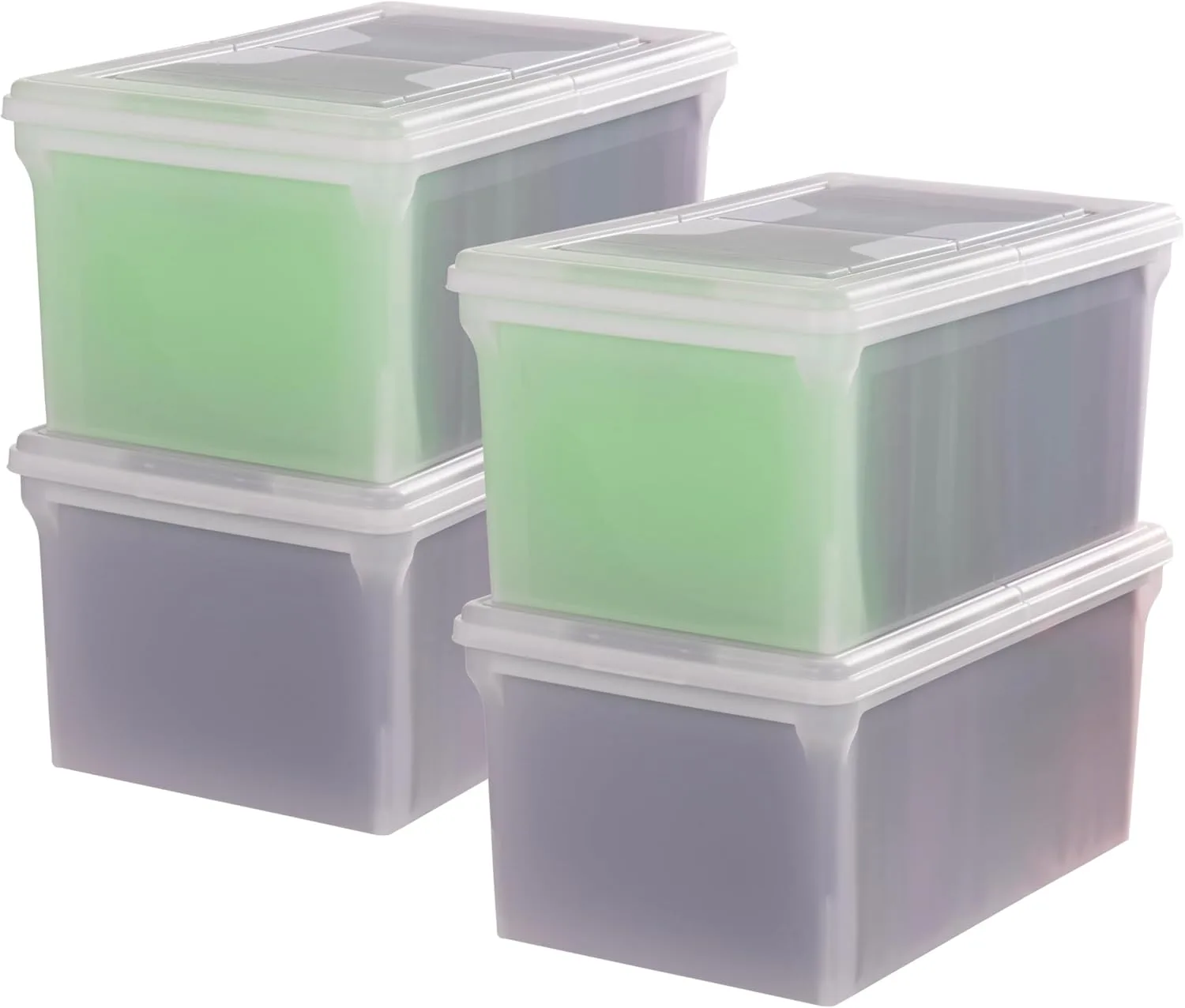
Blades, discs, and extra jars can clutter a drawer fast. A simple solution is a dedicated drawer or bin for appliance parts. The IRIS USA 6 Quart Compact Stacking Drawer, 4 Pack, Black (product ID 796696) measures 13.1"L x 8.5"W x 5.4"H and has grooves in the lids to secure stacking, so you can keep blades, discs, and manuals together without digging. This isn't a reason to choose one appliance over the other, but it's a practical way to manage the accessories that come with either. If you already have a food processor with multiple discs, stackable drawers keep them from scratching each other.
Trade-offs: blender vs. food processor
- Blender: Wins at smoothies, pureed soups, and emulsified sauces because the vortex pulls food into the blades. Struggles with dry chopping, shredding, and dough—tasks that need a wide bowl and different blade shapes. Choose a blender if you drink smoothies most days or make soups and sauces often.
- Food processor: Wins at chopping vegetables, shredding cheese, slicing, and making dough because the wide bowl and interchangeable discs give you control. Leaves smoothies gritty and requires scraping for purees. Choose a food processor if you cook from scratch and prep solid ingredients regularly.
- Counter space and cleanup: Both need dedicated storage for blades and jars. Blender jars are tall; food processor bowls have more crevices. Neither is convenient if you have to unpack and repack it every time. Pick the one you'll keep on the counter or can store without hassle; otherwise, you'll avoid using it.
Product facts that matter for kitchen storage
- 6 Quart Compact Stacking Drawer, 4 Pack, Black: 6 Quart Compact Stacking Drawer, 4 Pack, Black; dimensions 13.1"L x 8.5"W x 5.4"H; grooves in lids secure stacking; smooth to open; durable plastic; easy to clean. Keeps blender blades, food processor discs, and manuals organized in one place; stackable design uses vertical space instead of spreading across a drawer.
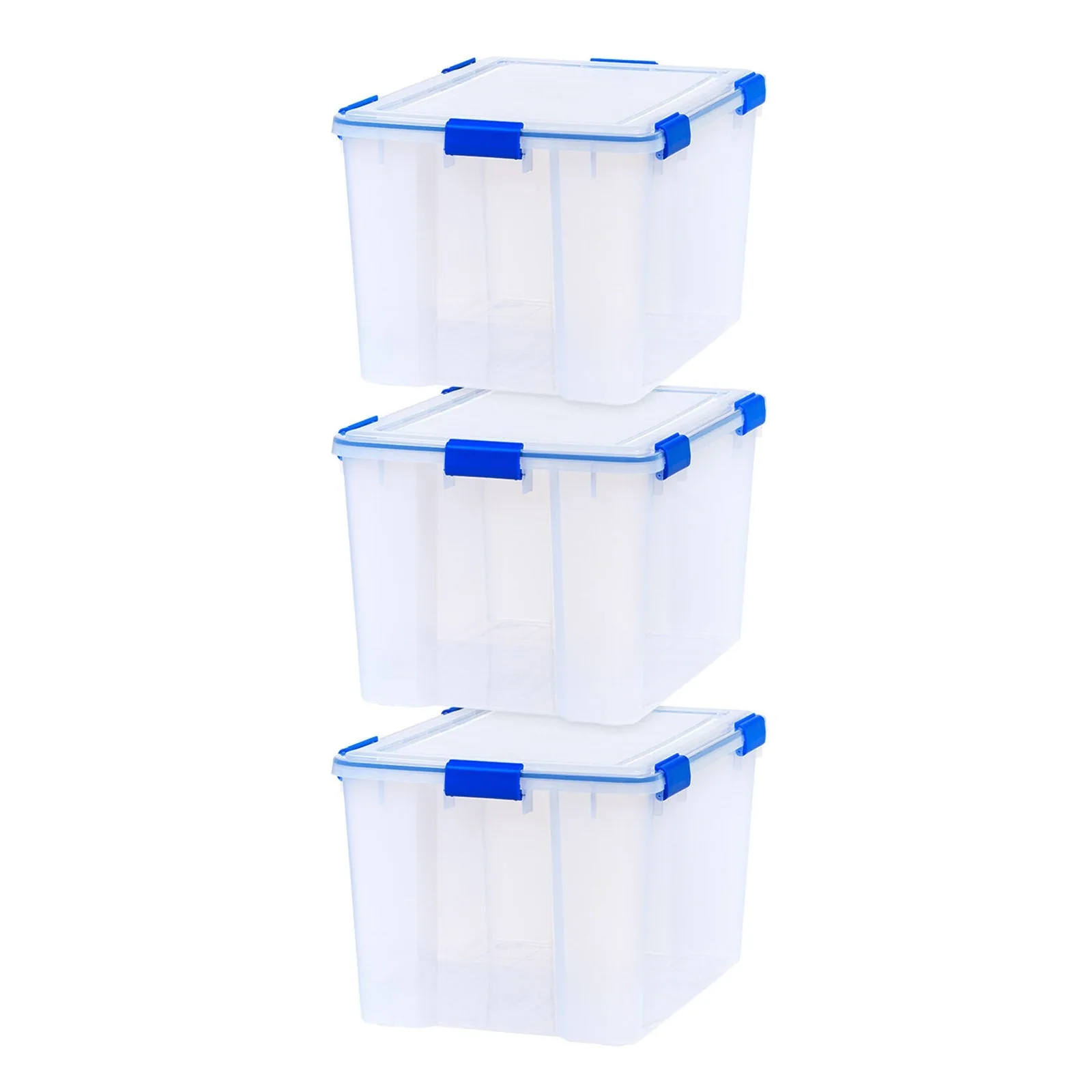
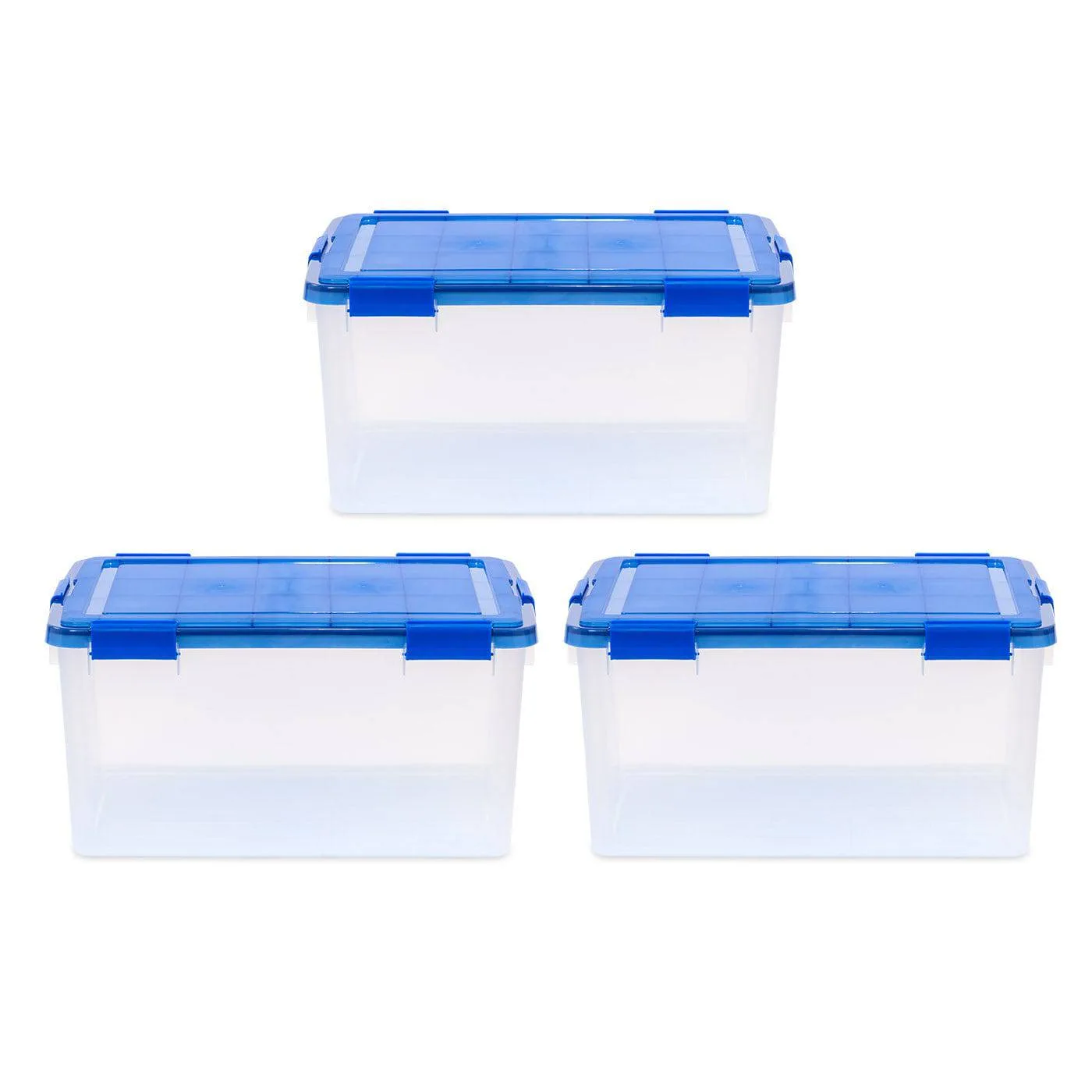
- 69 Quart WeatherPro® Airtight Pet Food Container: 69 Quart WeatherPro Airtight Pet Food Container; airtight seals and snap lock latches; BPA free; casters for mobility; made in the USA; dimensions 17.9 x 15.0 x 22.2 inches. If you buy ingredients in bulk for blending or processing (grains, nuts, flour), this container keeps them fresh and pest-free, and the casters let you move it for cleaning.
Which should you buy?
Best for
- Daily smoothie drinkers and soup makers who want a silky texture
- Small households that mostly blend liquids and occasional sauces
- Anyone who wants a single appliance for protein shakes, nut milk, and purees
Not for
- Cooks who chop, slice, shred, or make dough weekly—a food processor handles those tasks better
- Anyone who needs to grate cheese or slice vegetables evenly; a blender will puree them instead
- Budget buyers who only need one appliance and mostly cook solid ingredients