Quick answer
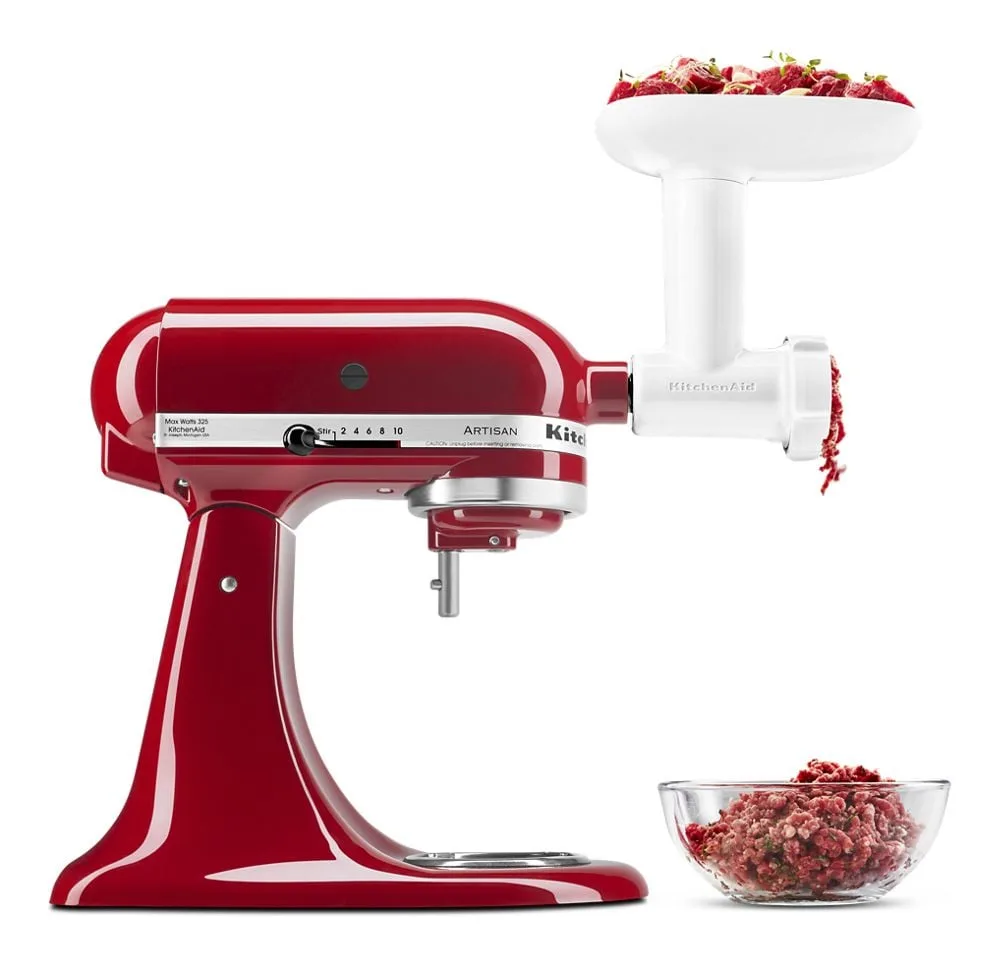
Choose a full-size food processor if you slice, shred, or prep in batches, and choose a small chopper if you mostly mince aromatics, herbs, and small quantities. In KitchenAid's lineup, the https://kitchenaidshops.com/products/empire-red-76035https://kitchenaidshops.com/products/empire-red-76078https://kitchenaidshops.com/products/empire-red-76088https://kitchenaidshops.com/products/empire-red-76098Empire Red Food Processor is the do-it-all option for volume work, while a compact chopper is the better fit for quick, small-batch jobs and tight counter space.
What each appliance actually does well
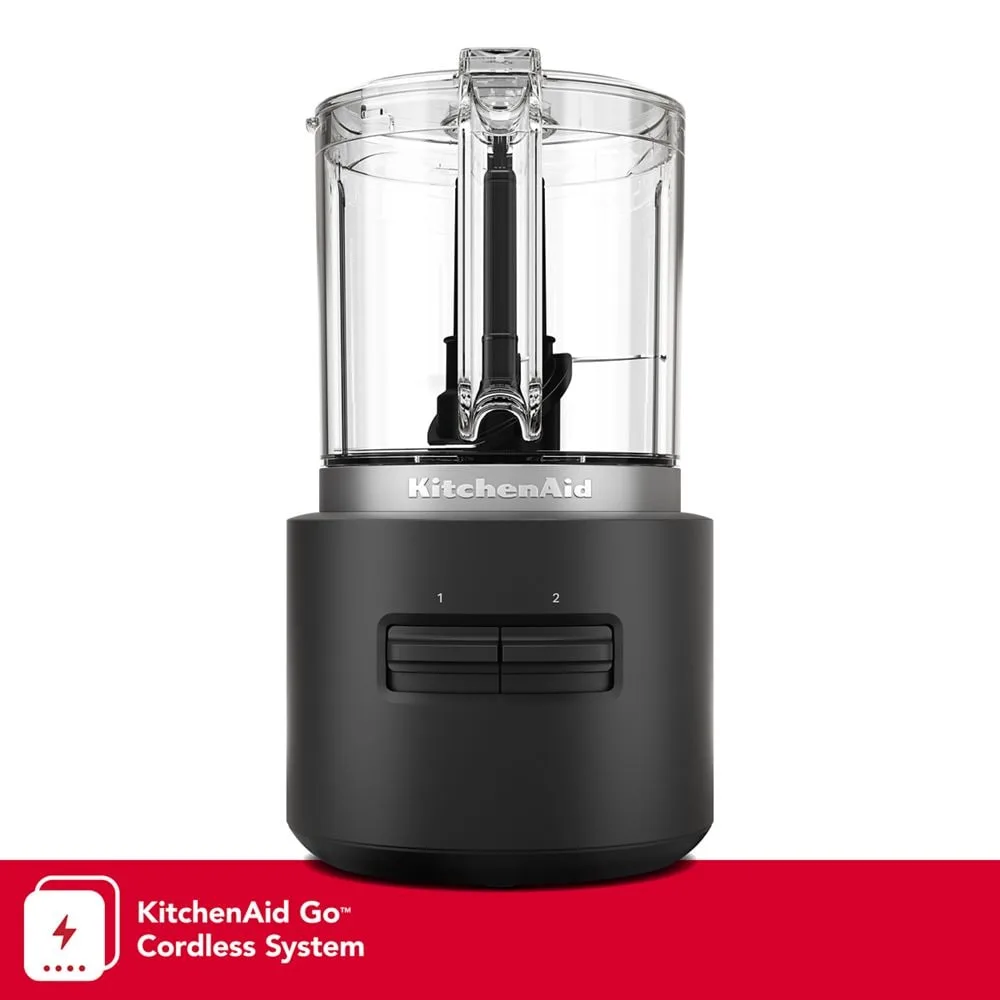
A food processor is built around a bowl and a set of discs and blades that let you chop, slice, and shred. That range is why it earns counter space: one machine covers onions, cheese, slaw, and dough-adjacent prep. A chopper is narrower by design. It spins a blade in a small bowl to mince and pulse, which is fast for garlic, herbs, nuts, or a single onion, but it does not slice or shred.
The practical difference shows up in repetition. If you are prepping one meal, a chopper is often quicker to grab, fill, and rinse. If you are prepping several components or feeding a crowd, the processor's larger bowl and disc options save you from working in batches.
Capacity and batch size decide more than brand
Capacity is the spec that most often sends people back to the store. A chopper's small bowl is ideal for a handful of ingredients but fills quickly when you process a full recipe of salsa or a pile of vegetables. A full-size processor's wider bowl handles those larger loads without stopping to empty it halfway.
Match capacity to your real cooking, not your occasional cooking. If you regularly cook for two and prep small amounts, a chopper covers most days. If you batch-cook, host, or make slaw and shredded cheese from blocks, the larger bowl is the difference between one pass and three.
Cleanup, storage, and counter footprint
Choppers win on cleanup and storage. Fewer parts, a smaller bowl, and a compact footprint mean it can live in a drawer or a corner and rinse in seconds. Food processors have more parts, including discs and blades, so washing takes longer and storage needs more room.
That trade-off is real but manageable. If you keep the processor assembled on the counter, the extra parts stop being friction. If you have limited cabinet space and no counter room, a chopper is the more honest choice, even if it cannot slice.
How to decide in one minute
Ask what you did last week. If you sliced, shredded, or prepped in volume, you need a processor. If you minced garlic, chopped herbs, or blitzed nuts in small amounts, a chopper is enough. If both are true, start with the processor and add a chopper later for quick jobs.
Also check your storage reality before you buy. A machine you can leave out gets used; a machine that has to be unpacked and reassembled often does not.
Trade-offs to weigh before you buy
- Versatility vs simplicity: A food processor slices and shreds in addition to chopping, while a chopper only minces and pulses. Pick the processor if you want one appliance to do more than chop.
- Capacity vs footprint: A full-size processor bowl handles larger batches but takes up more counter and cabinet space than a compact chopper. Measure your storage before choosing; capacity you cannot store goes unused.
- Cleanup time vs prep time: A chopper rinses in seconds with few parts, while a processor's discs and blades take longer to wash. If you cook small meals daily, the chopper's faster cleanup may matter more than slicing.
KitchenAid options in this comparison
- Empire Red: The KitchenAid Empire Red Food Processor chops, slices, and shreds, with a durable build and a bold Empire Red finish. This is the choice when you want one machine for slicing and shredding as well as chopping, not just mincing.
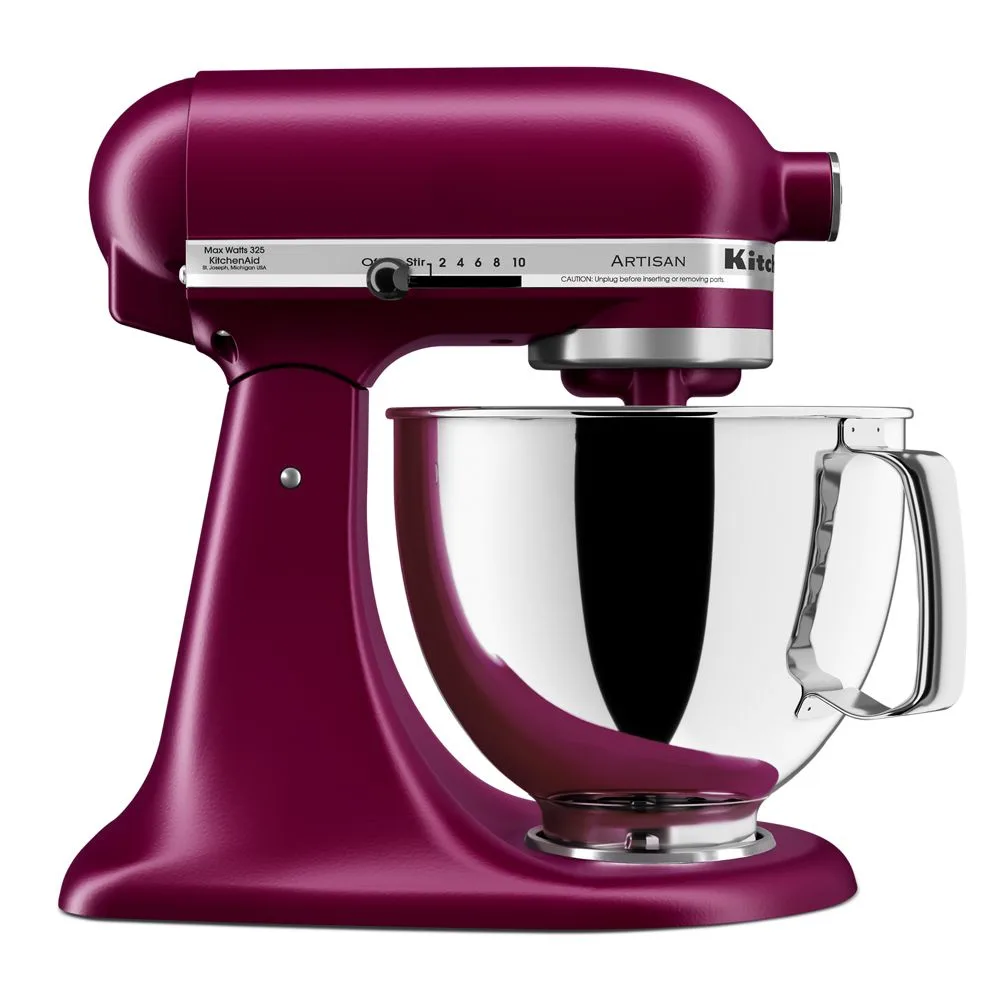
- KitchenAid® 5.5 Quart Bowl-Lift Stand Mixer: The KitchenAid 5.5 Quart Bowl-Lift Stand Mixer has a 5.5-quart stainless steel bowl and a bowl-lift design for stability and control. If your prep ends in dough or batter, this handles the heavy mixing so the processor is free for chopping and slicing.
Which one fits your kitchen
Best for
- Home cooks who slice, shred, or prep in larger batches and want one machine to cover chopping, slicing, and shredding
- Anyone building a KitchenAid countertop setup who also needs a stand mixer for dough and batter
Not for
- Cooks with very limited counter or cabinet space who only mince small amounts
- Anyone who wants the fastest possible cleanup and never needs to slice or shred