Quick answer
For dry, cracked heels, a foot mask delivers concentrated treatment that a general body product can't match. But for all-over dryness on arms, legs, and torso, a body product like a butt mask is more practical. Many people need both: a foot mask for targeted repair and a body product for daily maintenance.
What each option actually does
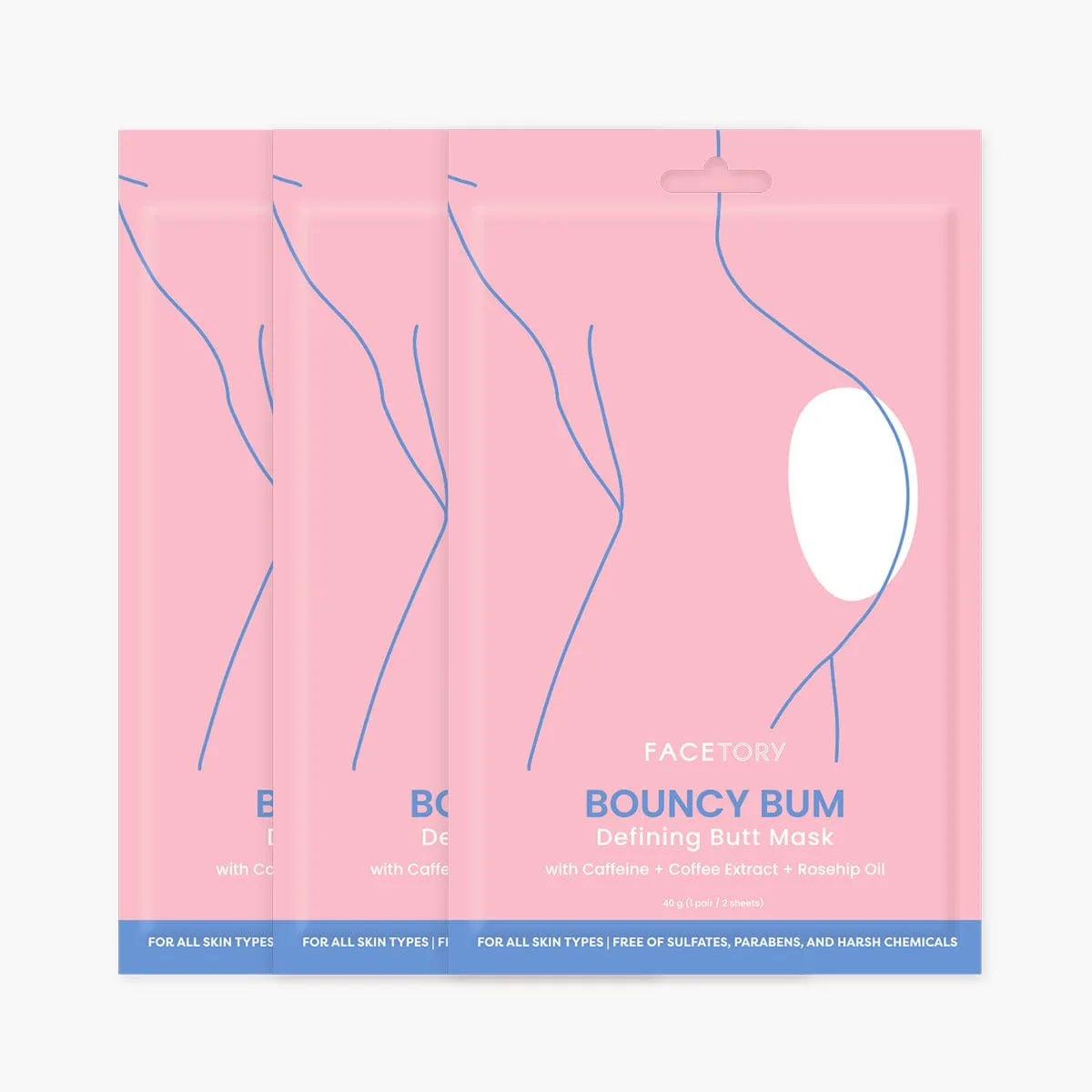
A foot mask is a single-use treatment shaped for the foot. It usually contains a serum or essence that you leave on for a set time, allowing ingredients to penetrate thick skin. A body product, by contrast, is designed for larger surface areas. It may be a lotion, cream, or—in FaceTory's case—a sheet mask shaped for the bum, like the Bouncy Bum Defining Butt Mask. That mask uses caffeine, rosehip oil, and ferments to firm and smooth skin texture. The key difference is coverage: foot masks treat a small, tough area; body products cover broader zones.
Where a foot mask wins
Feet have thicker skin and more sweat glands, so they need ingredients that can soften and exfoliate. A foot mask stays in close contact, often with a plastic or fabric layer that locks in moisture. This makes it better for cracked heels, calluses, and stubborn dryness. If you've tried body lotion on your heels with little relief, a foot mask is the next step. It's also easier to use while sitting—no need to bend and rub for minutes.
Where a body product wins
A body product is more versatile. You can apply it to your legs, arms, back, or anywhere that feels dry. The Bouncy Bum Defining Butt Mask, for example, is specifically shaped for the bum and uses caffeine and rosehip oil to improve texture and plumpness. That kind of targeted body product is ideal for areas that need firming or smoothing, not just hydration. Plus, a body product can be used daily, while a foot mask is typically a weekly or biweekly treatment.
The trade-off: time and coverage
Foot masks demand downtime. You need to leave the mask on for 15–30 minutes, then let the essence absorb. Body products are faster—you can apply and go. But body products may not penetrate as deeply on thick heel skin. So the trade-off is between intensive, slow treatment for feet and quick, broad coverage for the body. If you have both dry feet and dry body skin, you'll get the best results by using each where it excels.
Trade-offs to weigh
- Target area: Foot masks are shaped for feet; body products cover larger areas like legs, arms, or bum. Choose based on where you need treatment most.
- Time commitment: Foot masks require 15–30 minutes of wear time; body products can be applied in seconds. If you're short on time, a body product is more convenient.
- Intensity: Foot masks often deliver a concentrated dose for thick skin; body products may be lighter for daily use. For cracked heels, a foot mask is usually more effective.
FaceTory options at a glance
- Bouncy Bum Defining Butt Mask- Caffeine and Rosehip Oil: Bouncy Bum Defining Butt Mask contains caffeine, rosehip oil, and ferments to improve skin texture and plump the bum. This is a body product that targets firming and smoothing, not just hydration—ideal for those who want to treat the bum area specifically.
- Glow Baby Glow 2-Step Sheet Mask - Brightening & Soothing: Glow Baby Glow 2-Step Sheet Mask is made with niacinamide to improve dullness, hyperpigmentation, and pore appearance. This is a brightening face mask, not a foot or body treatment, so it's best for facial skin concerns rather than dry feet or body.
Which should you choose?
Best for
- Anyone with cracked heels or very dry, rough feet
- People who want a weekly self-care treatment for their feet
- Those who have tried body lotion on heels without success
Not for
- People looking for all-over body hydration in one step
- Anyone who can't sit still for 15–30 minutes
- Those who only have mild dryness that a daily lotion can handle