Quick Answer
To keep your fresh goods delivery fresh longer, unbox immediately, remove any damaged pieces, and store each item according to its needs—some thrive in the fridge, others at room temperature. Use breathable containers and check regularly for spoilage to extend freshness.
When your fresh goods delivery arrives, the clock starts ticking. Whether it's a box of peak-season fruit or a bundle of leafy greens, how you handle it in the first hour makes a big difference. The goal is simple: slow down the natural process of decay so you can enjoy every bite at its best.
Most produce loses quality not because it's old, but because it's stored wrong. Ethylene gas from ripening fruits can ruin nearby vegetables, and excess moisture invites mold. With a few deliberate steps, you can keep your fresh goods crisp and flavorful for days longer.
Unpack and Inspect Right Away
The moment your fresh goods delivery arrives, open the box and take everything out. Produce that sits in a sealed box continues to ripen and can start to sweat, which speeds up spoilage. Remove any packaging that traps moisture, like plastic wraps or rubber bands, but keep items in their original protective layers if they're breathable.
Inspect each piece for bruises, soft spots, or mold. One bad apple really can spoil the bunch—decaying produce releases ethylene and spreads spores. Set aside anything that's already past its prime and use it first, or compost it if it's too far gone. This simple triage step prevents a small problem from becoming a box-wide disaster.
- Check for any damaged or overripe pieces and use them immediately.
- Keep produce in breathable bags or containers, not sealed plastic.
Know What Needs the Fridge and What Doesn't
Not all produce belongs in the refrigerator. Tomatoes, stone fruits, and melons lose flavor and texture when chilled, so keep them at room temperature until they're ripe. Once ripe, you can move them to the fridge to slow further ripening, but bring them back to room temperature before eating for the best taste.
Leafy greens, berries, and herbs are the opposite—they crave cold, humid conditions. Store them in the crisper drawer, ideally in a container lined with a paper towel to absorb excess moisture. Root vegetables like carrots and beets do well in a perforated bag in the fridge. When in doubt, think about where the produce grew: warm-climate fruits like it warm, cool-climate vegetables like it cold.
- Keep ethylene-producing fruits (apples, bananas, melons) separate from ethylene-sensitive veggies (leafy greens, cucumbers).
- Use the crisper drawers: high humidity for greens, low humidity for fruits.
Prep and Store for the Long Haul
Some produce lasts longer if you prep it before storing. Wash and dry leafy greens thoroughly, then wrap them in a dry paper towel inside a container. Herbs can stand in a glass of water like flowers, covered loosely with a bag. Carrots and celery stay crisp when stored in water in the fridge.
For fruit that's already cut, store it in an airtight container and use within a few days. Whole fruits with pits, like peaches and nectarines, should be kept at room temperature until ripe, then moved to the fridge. Berries are the exception—don't wash them until you're ready to eat, as moisture encourages mold. Spread them in a single layer on a paper towel in a shallow container to keep them dry.
- Don't wash berries or other delicate fruits until just before eating.
- Use paper towels in containers to absorb extra moisture and prevent rot.
Your Produce Storage Checklist
- Unbox and sort immediately: Open your delivery as soon as it arrives. Remove all produce from the box, take off any non-breathable packaging, and separate items that are already ripe or damaged. Checkpoint: If you see any mold or mush, use or compost those pieces now.
- Divide by storage needs: Group produce into fridge vs. counter. Keep ethylene producers (apples, melons) away from ethylene-sensitive items (leafy greens, cucumbers). Checkpoint: Your crisper drawers should have high humidity for greens, low for fruits.
- Prep for longevity: Wash and dry greens, wrap them in paper towel, and store in a container. Keep berries unwashed in a single layer. Store herbs in water. Checkpoint: If you see condensation in any container, add a dry paper towel to absorb it.
Products That Help You Enjoy Fresh Goods
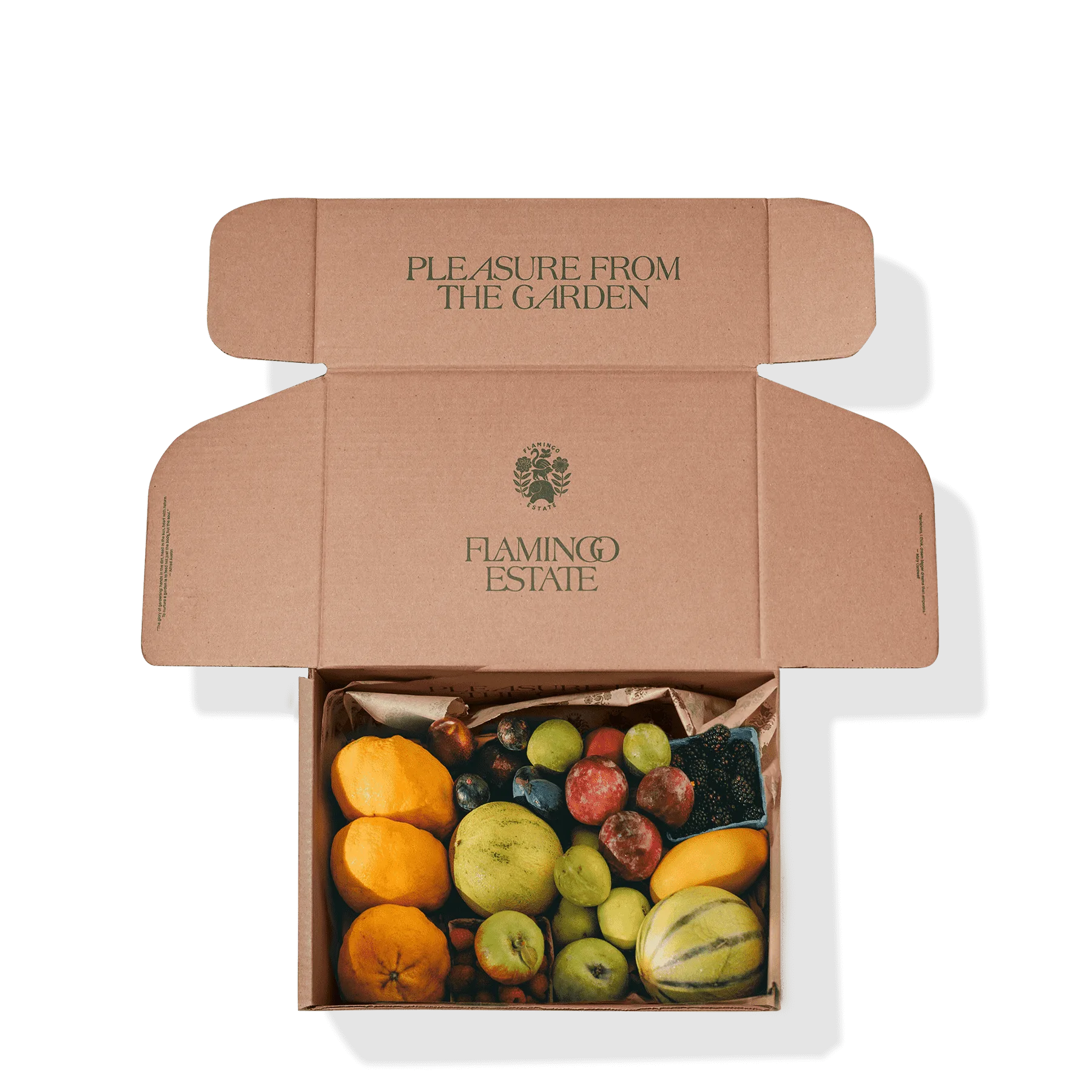
- Peak Season Fruit Box: Our Peak Season Fruit Box is a true celebration of the season. Sourced directly from the best fruit growers in the region, each box is filled with 5-7 varieties that are selectively hand-harvested at the perfect degree of ripeness. Because the fruit is hand-harvested at peak ripeness, you have a shorter window to enjoy it—so proper storage is key to savoring every variety.
- The Guide to Becoming Alive: Last August I sat in the goat shed and started writing a book. It was the kind of book I NEEDED to read. I was hungry to learn about how to live a GREAT life — not just a good one. While not about produce, this book offers inspiration for slowing down and savoring life's simple pleasures, like a perfectly ripe peach.
With these steps, your fresh goods delivery can stay vibrant and delicious for days longer. The key is to treat each item according to its needs, and to stay on top of what's ripening. Enjoy every bite—and don't forget to share the abundance.