Quick answer
Keep frozen dog food at 0°F (-18°C) or colder, thaw only what you will feed within a few days in the refrigerator, and never refreeze meatballs that have fully thawed at room temperature. If the food is warm to the touch, smells sour, or has been above 40°F for more than two hours, throw it out rather than risk your dog's health.
Symptom: Ice crystals or dry, gray patches on the meatballs
Freezer burn is the most common complaint with frozen dog food storage, and it usually points to air exposure rather than a bad batch. When meatballs sit in a partially open bag or a frost-free freezer that cycles temperature, ice sublimates from the surface and leaves dry, leathery spots. The food is not automatically spoiled, but texture and palatability drop, and picky dogs may refuse it.
Correct it by pressing excess air out of the bag before sealing, then double-bagging or wrapping the original package in a freezer-safe layer. Use freezer-burned portions first, within a few days, rather than saving them for the end of the box.
Symptom: Meatballs are soft or partially thawed in the freezer
If you open the freezer and the meatballs give under gentle pressure, the freezer is not holding a safe temperature. A freezer that stays at 10°F (-12°C) or higher lets ice crystals melt and refreeze, which degrades quality and shortens how long frozen dog food can stay in the freezer. Check with a dedicated freezer thermometer rather than trusting the dial.
Move the food to the coldest part of the freezer, away from the door, and avoid packing it against the walls of a frost-free unit. If the meatballs are still cold but soft, feed them within 24 hours rather than refreezing.
Symptom: You cannot remember when the food was thawed
Unlabeled containers are the leading cause of wasted fresh frozen dog food. Once a bag is open, the clock starts: thawed meatballs keep about 3 to 4 days in the refrigerator. Without a date, you are guessing, and guessing is how dogs end up with upset stomachs.
Write the thaw date on every container with a piece of masking tape and a marker. If you find an undated container and cannot confirm it has been refrigerated for less than four days, discard it. The cost of one box is lower than a vet visit.
Thawing frozen dog food safely without a mess
The refrigerator is the only method that keeps thawing frozen dog food safely predictable. Move the portion you plan to feed from the freezer to the fridge the night before, and set it on a rimmed plate or inside a sealed container so drips do not contaminate other food. A 36-ounce bag typically thaws in 12 to 24 hours.
If you forgot to plan ahead, place the sealed bag in a bowl of cold water and change the water every 30 minutes. Never thaw meatballs on the counter, in warm water, or in the microwave, because the outer edges reach bacteria-friendly temperatures while the center stays frozen.
Refreezing dog food meatballs: when it is safe and when it is not
Refreezing dog food meatballs is safe only if they were thawed in the refrigerator and stayed cold the entire time. If you portioned out more than your dog will eat in three days, you can move the still-cold extra back to the freezer immediately, though texture will suffer slightly and the food should be used within a month.
Do not refreeze meatballs that sat out at room temperature, were thawed in warm water, or spent more than two hours above 40°F. Those conditions allow bacteria to multiply, and freezing pauses growth without reversing it.
How long can frozen dog food stay in the freezer?
For best quality, plan on using frozen dog food within 3 to 6 months. Commercially frozen meatballs and gently cooked recipes are safe indefinitely at 0°F, but fat oxidation and freezer burn degrade flavor and texture long before safety becomes an issue. If your dog turns up their nose at a six-month-old bag, quality, not spoilage, is usually the reason.
Rotate stock so the oldest box is used first, and keep a small dry-erase note on the freezer door listing what is inside and when it was purchased. That single habit prevents most of the problems in this guide.
Diagnose your frozen dog food problem
- Dry, gray, or icy surface on the meatballs: Air exposure or a frost-free freezer cycling temperature. Reseal with air pressed out, double-bag, and use those portions within a few days. Safe to feed if it smells normal; texture may be off.
- Soft meatballs straight from the freezer: Freezer is running warmer than 0°F. Check with a thermometer, move food to the coldest shelf, and feed soft portions within 24 hours. Do not refreeze if the food is no longer firm and cold.
- Undated container in the fridge: You cannot confirm it has been refrigerated for less than four days. Discard it rather than guessing. Start date-labeling every container from now on.
- Meatballs left out on the counter: Above 40°F for more than two hours means bacteria have had time to multiply. Freezing will not make it safe again. Throw it out. This is the stop point.
- Six-month-old bag your dog refuses: Likely fat oxidation and freezer burn rather than spoilage. If the food was stored at 0°F the whole time, it is safe but unappealing. Choose another option: rotate stock faster or buy smaller boxes.
Products built for freezer storage
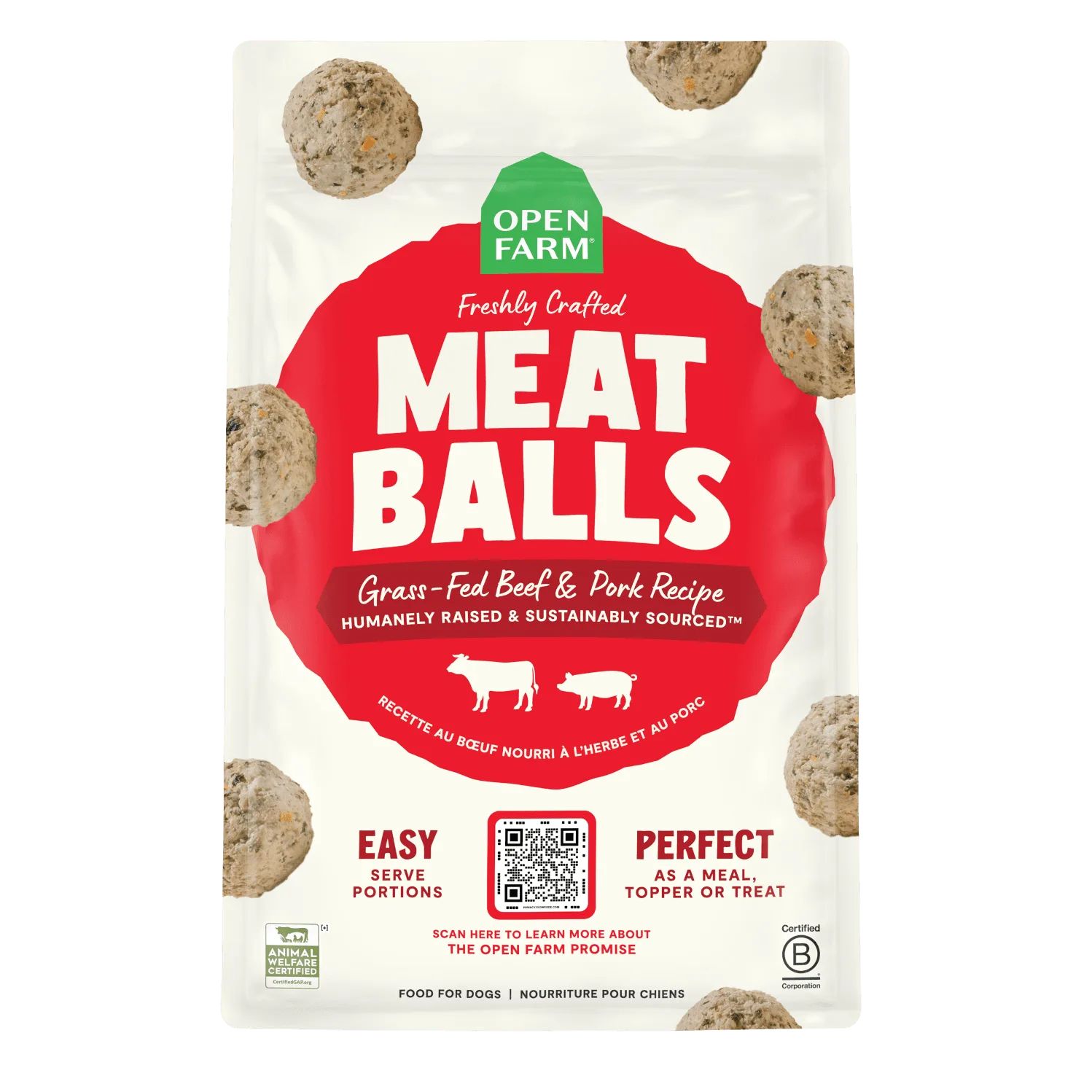
- Harvest Chicken Freshly Crafted Meatballs for Dogs: Harvest Chicken Freshly Crafted Meatballs for Dogs ship frozen and come as a 13.5 lb box with 6 x 36 oz bags. The multi-bag format lets you thaw one 36 oz bag at a time instead of the whole box, which cuts down on refreezing and waste.
- Limited Edition Winter Blend Gently Cooked for Dogs: Limited Edition Winter Blend Gently Cooked for Dogs is a 16 lb box with 16 x 16 oz pouches. Single-serve pouches thaw faster and are easier to date-label, making them a practical choice if you feed one dog and want tight portion control.