Quick answer
If your toddler is more familiar with fruits or you want to start with a book that's easier to connect to everyday snacks, choose Mrs. Peanuckle's Fruit Alphabet. If you want to expand their veggie vocabulary and encourage healthy eating, choose the Vegetable Alphabet.
Why the order matters
Both board books are part of the same series and share the same format: each letter introduces a fruit or vegetable with a fun fact and bright illustration. The real difference is the topic, and that can affect how quickly your toddler engages with the book.
Fruits are often more familiar to young children because they're sweeter and appear more frequently in snacks and desserts. Vegetables can be a tougher sell, but the book's playful approach helps make them more approachable.
If you're buying just one, think about what your child already recognizes and what you'd like to teach them next. If you're buying both, the order matters less, but starting with the more familiar topic can build confidence before moving to the less familiar one.
Trade-off: familiarity vs. variety
The Fruit Alphabet includes familiar favorites like banana and also introduces less common fruits such as yumberry. This mix gives a child something to recognize and something new to discover in the same book.
The Vegetable Alphabet covers a wider range of everyday vegetables, from asparagus to zucchini. It's a great way to teach the names of veggies they might see at the dinner table but not yet know by name.
The trade-off is simple: fruits are more likely to grab attention immediately, while vegetables offer more learning value for a child who already knows their fruits.
How to choose which book to buy first
- Start with Fruit Alphabet if: Your toddler already enjoys fruits and you want a book that feels instantly relatable. The familiar items will help them stay engaged while learning letters.
- Start with Vegetable Alphabet if: Your child knows their fruits and you want to introduce more vegetable names. This book is also a good conversation starter for mealtime. If your child resists veggies, use the book before dinner to talk about what they'll see on their plate.
- Buy both if: You want a complete alphabet set that covers the whole food spectrum. Reading them in any order still reinforces letters and healthy eating. Alternate the books each week to keep the topic fresh and maintain interest.
Product facts
-
Mrs. Peanuckle's Fruit Alphabet: Mrs. Peanuckle's Fruit Alphabet introduces babies and toddlers to colorful foods that help them grow healthy and strong, with fun facts about fruits from banana to yumberry. This book pairs ABC learning with nutrition awareness, making it a natural pick for parents who want to encourage healthy eating from an early age.
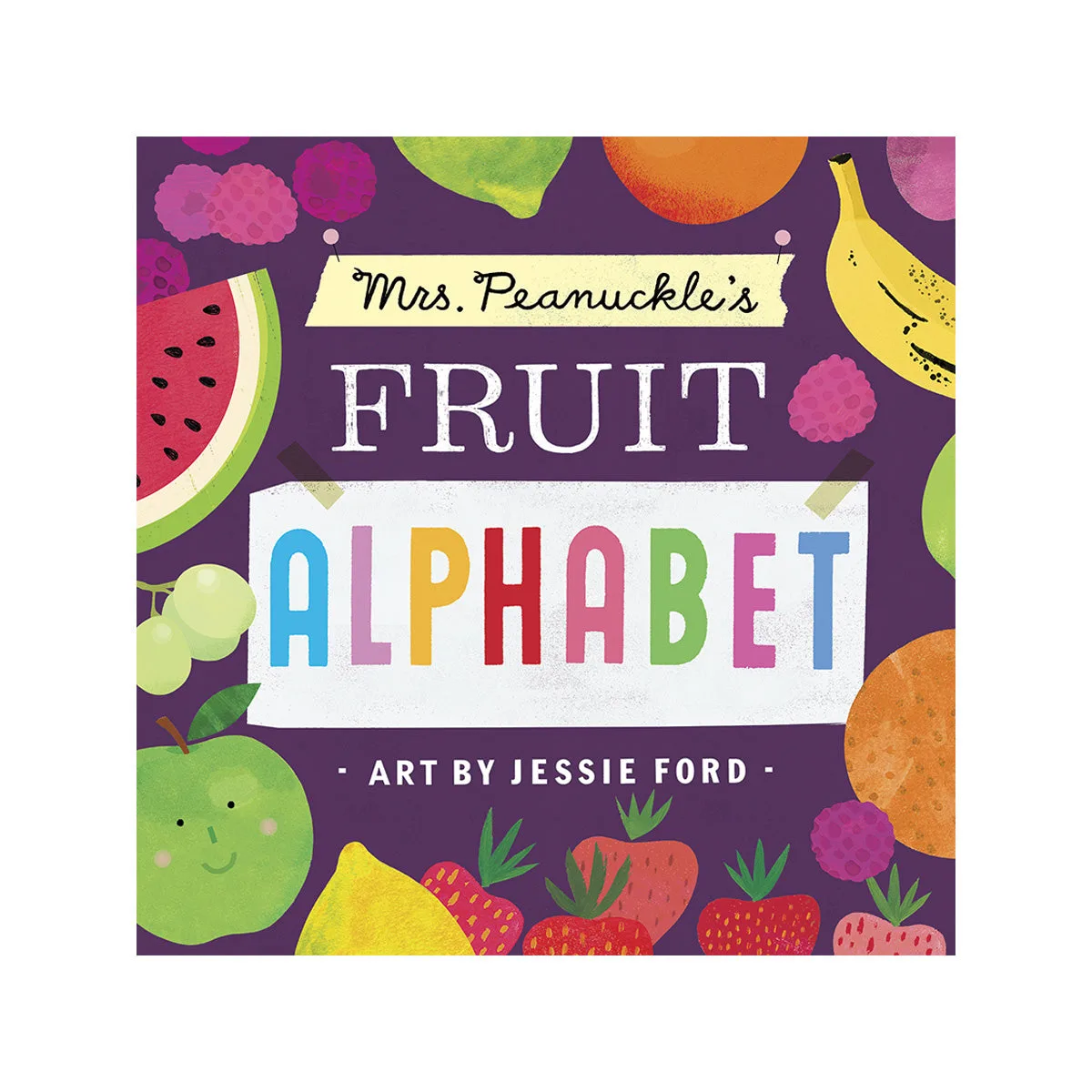
Mrs. Peanuckle's Fruit Alphabet
-
Mrs. Peanuckle's Vegetable Alphabet: Mrs. Peanuckle's Vegetable Alphabet introduces a colorful variety of vegetables from asparagus to zucchini, with vibrant illustrations and read-aloud-friendly facts. It's a practical tool for expanding a toddler's vocabulary beyond common fruits, especially if you want to make vegetables more familiar and less intimidating.
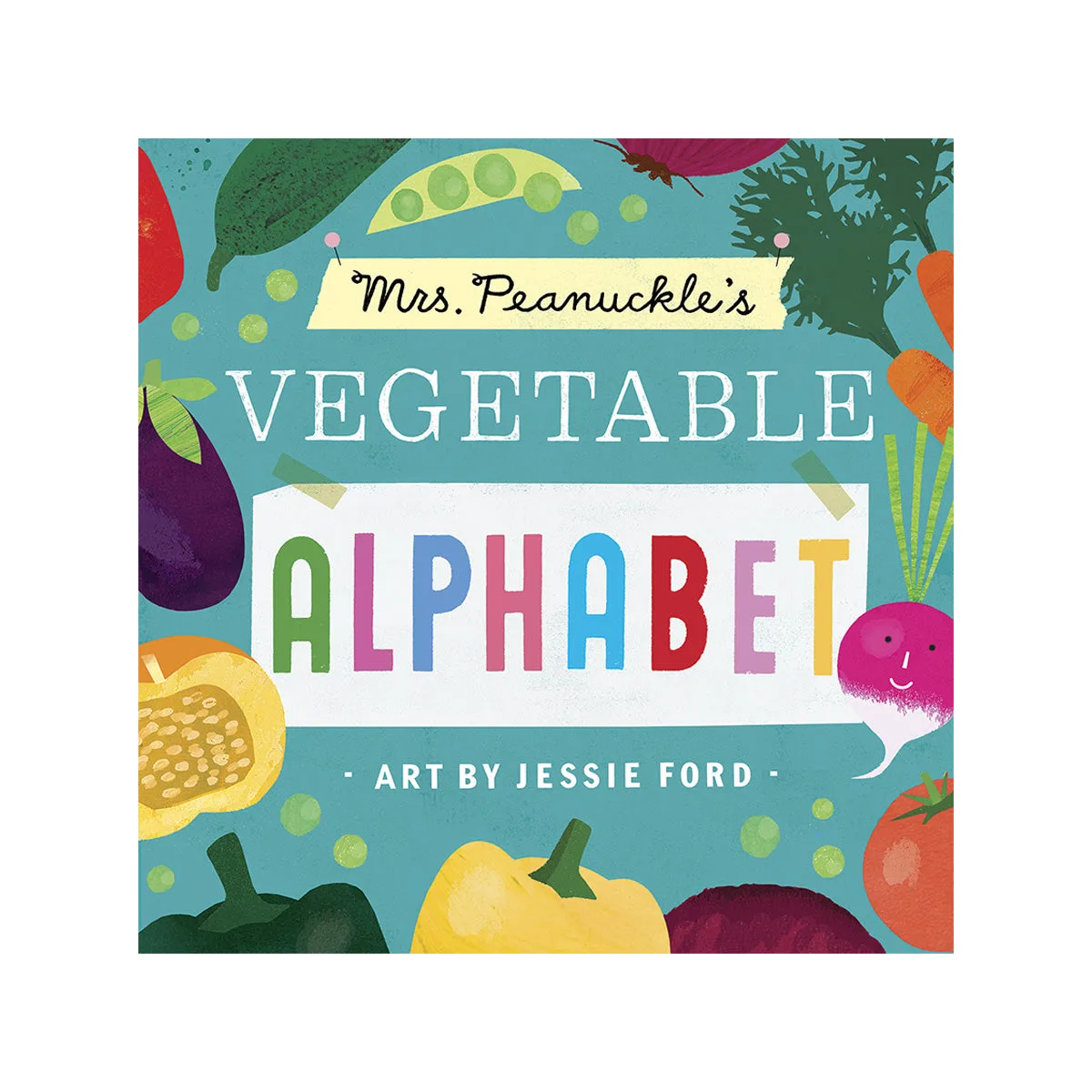
Mrs. Peanuckle's Vegetable Alphabet
Which book fits your toddler?
Best for
- Toddlers who are just starting to learn letters and already recognize common fruits
- Parents who want a playful way to introduce less familiar fruits like yumberry
Not for
- Toddlers who already know all their fruits and need a bigger vocabulary challenge—try the Vegetable Alphabet instead