Quick answer
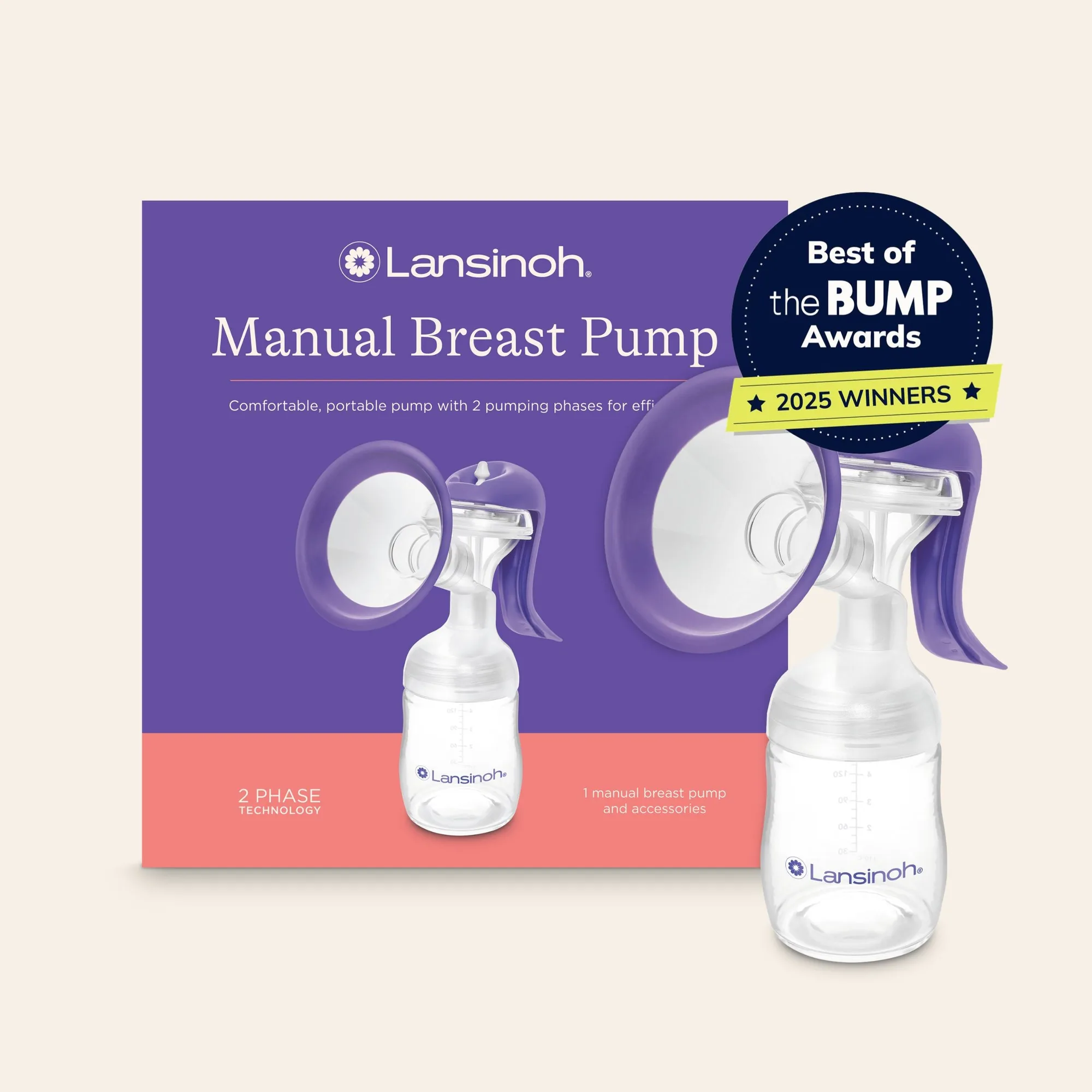
Breast pumps and most breastfeeding supplies are eligible for FSA and HSA reimbursement when prescribed by a doctor for a medical need. Before you buy, check whether your plan requires a Letter of Medical Necessity, keep your itemized receipt, and submit the claim yourself if the store does not process FSA/HSA cards directly. For most parents, the safest eligible purchases are a breast pump, breastmilk storage bags, and nipple cream.
What Makes a Breastfeeding Product FSA or HSA Eligible
The IRS treats breast pumps and supplies that assist lactation as medical care, so they qualify for FSA and HSA spending. That includes the pump itself, collection and storage supplies, and products that treat or prevent nipple pain. General comfort items like nursing pillows or maternity clothes usually do not qualify. If you are unsure, ask your plan administrator for a written eligibility list before you buy.
How Breast Pump FSA Reimbursement Works in Practice
Many retailers let you use your FSA or HSA card at checkout, but some require you to pay out of pocket and file a claim. Save the itemized receipt showing the product name, date, and amount. If your plan asks for a Letter of Medical Necessity, your doctor can state that the pump is needed to support breastfeeding or to manage a medical condition. Submit the claim within your plan's deadline, which is often 90 days after purchase.
Choosing Between Storage Bags, Nipple Balm, and Pumping Bras
Storage bags are the most frequently reimbursed supply because they are used daily and are clearly medical. Nipple balm qualifies when it is designed to treat sore or cracked nipples. A pumping bra is a gray area: some plans approve it as a pump accessory, while others consider it clothing. Check your plan documents or ask your administrator before assuming a bra will be covered.
Keeping Records That Get Claims Approved
Keep a folder with your purchase receipts, your prescription or Letter of Medical Necessity, and a copy of your plan's eligible expense list. If a claim is denied, you can appeal with a letter from your doctor explaining why the item is medically necessary. Submitting a complete claim the first time reduces delays and back-and-forth.
Decision Rules for Using FSA/HSA Funds
- If you have a prescription for a breast pump: Buy the pump first and keep the prescription with your receipt. Most plans reimburse the full cost up to your plan's limit. Submit the claim within your plan's deadline, often 90 days.
- If you are buying storage bags or nipple cream: These are usually eligible without extra paperwork, but check your plan's list. Use your FSA/HSA card at checkout if the store accepts it. Save the itemized receipt even if the card is accepted.
- If you want a pumping bra: Ask your plan administrator whether it is covered as a pump accessory or excluded as clothing. If excluded, pay out of pocket. Get the answer in writing before you buy.
Eligible Products to Consider
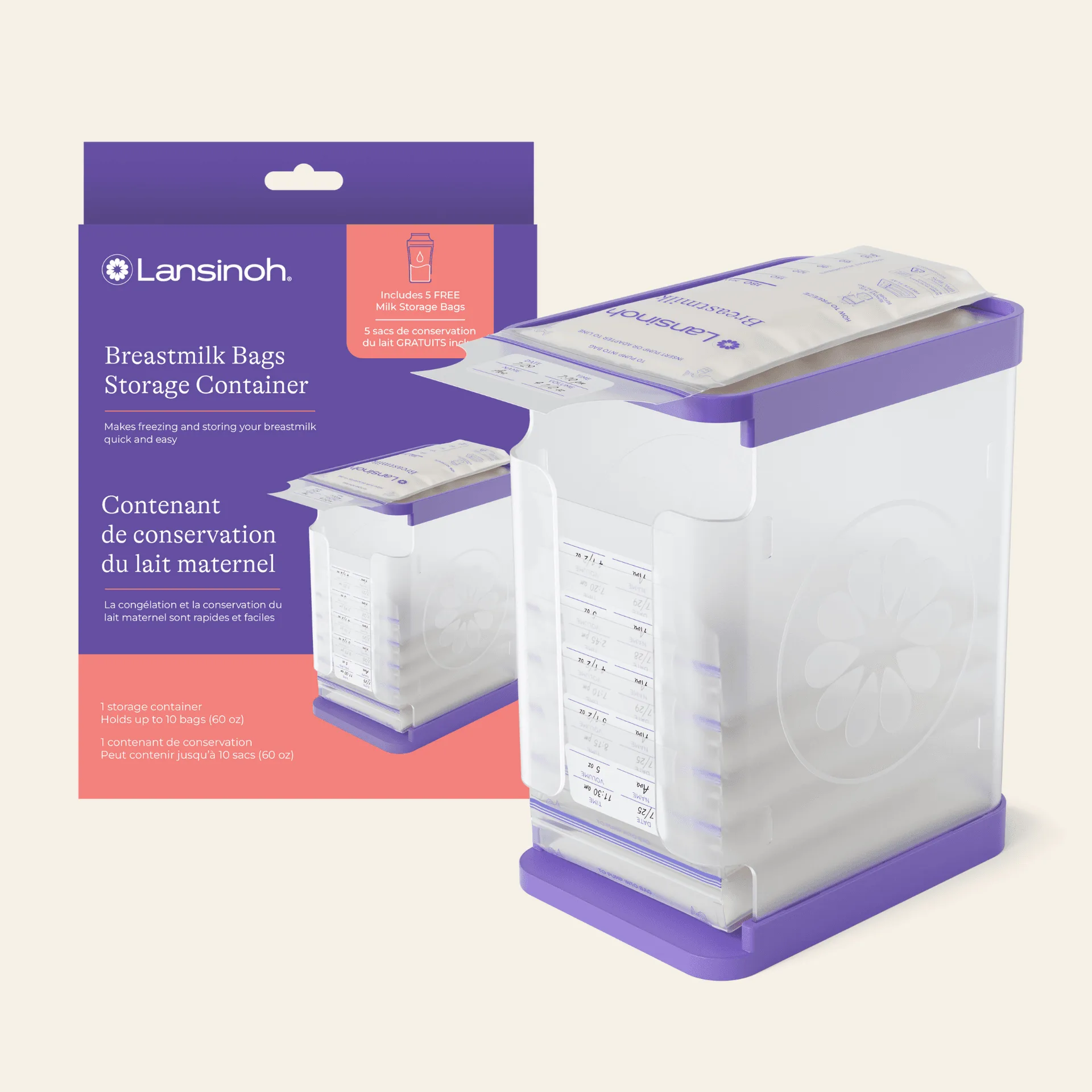
- Breastmilk Storage Bags - 6oz: Lansinoh's #1 selling breastmilk storage bags are presterilized, BPA and BPS free, and have a double zipper seal with reinforced side seams. Presterilized bags reduce contamination risk, and the double seal helps prevent leaks during freezing and transport, which matters when you are storing milk for later use.
- Breastmilk Storage Bags - 4oz: These 4 oz storage bags are BPA-free, pre-sterilized, have double-layered seams, and a write-on label area for dating and naming. The 4 oz size is useful for smaller feedings or for building a stash without wasting larger bags; the label area helps you rotate milk by date.
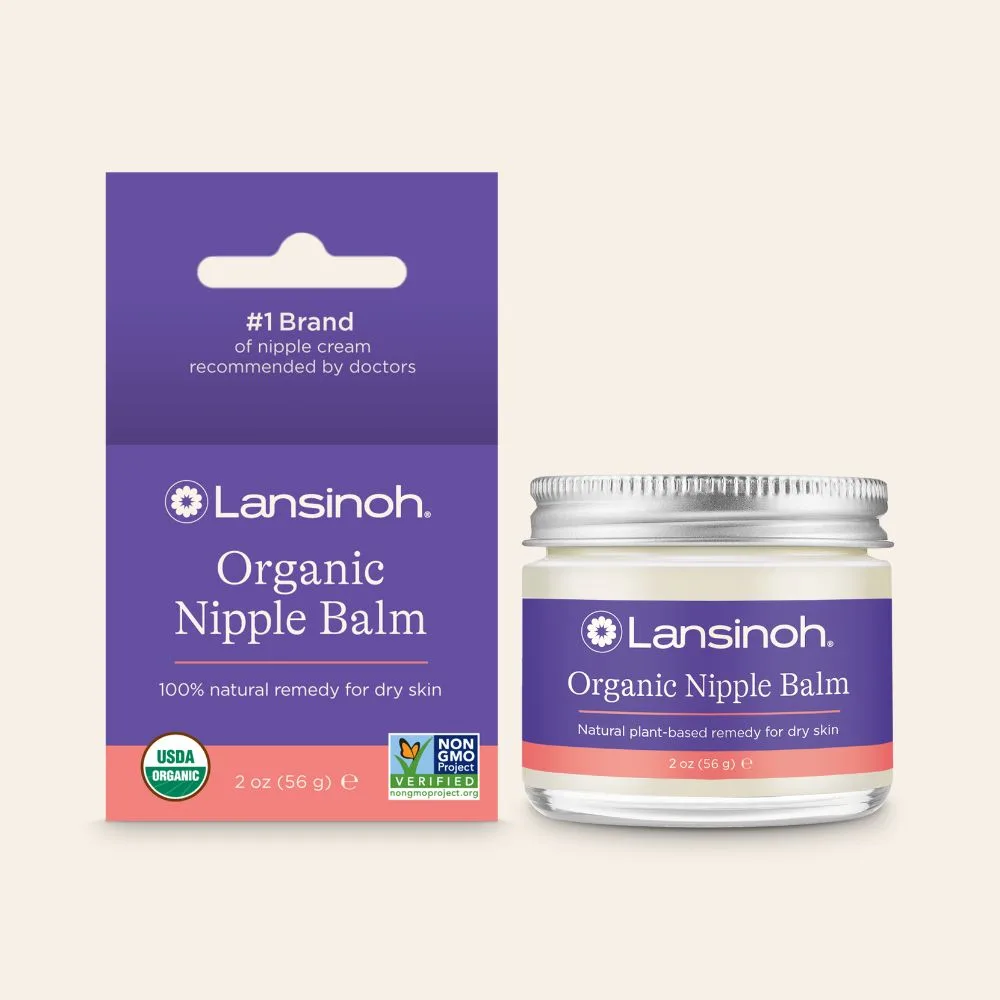
- Organic Nipple Balm: This 100% USDA certified organic nipple balm is plant-based, safe for baby, and made with organic argan and coconut oils. A balm that does not need to be wiped off before feeding simplifies nighttime care and can be claimed as a medical expense when used for sore nipples.
- Kindred Bravely for Lansinoh Nursing & Wearable Pumping Bra: The Kindred Bravely for Lansinoh Nursing & Wearable Pumping Bra comes in Regular and Busty fits and sizes XS-S, M-L, and XL-XXL. A bra that fits well keeps wearable pumps in place, but because it may be classified as clothing, confirm eligibility with your plan before using FSA or HSA funds.
Who Should Use FSA/HSA Funds for These Products
Best for
- Parents with an FSA or HSA who want to offset the cost of a breast pump and daily supplies
- Anyone who needs a prescription-based reimbursement for a pump or lactation support
Not for
- Parents without an FSA or HSA who need immediate purchases without claim paperwork
- Those looking for clothing or comfort items that are typically not eligible