Quick answer
Buy furniture and bedding for kids in this order: measure the floor and storage space first, then pick the material and finish, and only then choose bedding sized to the exact item it goes on. Fit beats style every time. If a bedding set is made for a specific stroller or bed, treat those listed dimensions as the deciding factor, not the color.
Most children's room purchases go wrong for one boring reason: the item does not fit the space or the thing it is meant to cover. A mattress that is 2 inches too wide, a ride-on that cannot turn in the hallway, or blocks that will not fit the shelf all end up unused.
This guide gives you decision rules instead of a shopping list. You will see how to check scale, what material claims actually mean, and how to match bedding to the item you already own, with real examples from the Moover range.
Measure before you choose anything
Start with three numbers: available floor area, the width of the doorway the item must pass through, and the height of the shelf or storage spot it will live in. Write them down. Most returns happen because a parent liked a product photo and never checked the doorway.
Then decide how the item will be used. A ride-on that stays in one room needs less turning space than one that travels between rooms. A bedding set that is only for display has different requirements than one a child handles daily.
- Measure doorways, not just the room, before buying anything with wheels.
- Leave at least one hand-width of clearance around furniture a child climbs on.
Match scale to the child's age and hands
Age ratings are a starting point, not a guarantee. A toy marked for 36+ months assumes a child who no longer puts small parts in their mouth, so check the smallest piece in the set before you buy for a younger sibling.
Scale matters more than size. A vehicle described as light and sturdy and suited to tiny hands is easier for a toddler to control than a larger one, even if both are the same category of toy. For a first purchase, choose the smaller, lighter option and size up later.
- Check the age marking against the youngest child who will actually have access.
- Lighter items are easier for toddlers to steer, lift, and put away themselves.
Read material and safety claims carefully
FSC-certified wood and child-safe paint are meaningful claims because they describe the source of the wood and the finish on the surface. When a listing states these, you can reasonably expect the manufacturer has documented them. When a listing is silent, treat it as unknown rather than assuming the best.
Assembly is the other claim worth checking. Some pieces arrive ready to use, others need building. Assembly required is not a flaw, but it does mean you need tools, time, and a place to work before the item is usable.
- Prefer listings that name the wood and the finish rather than describing them vaguely.
- Check whether assembly is required before you plan the room around the item.
Bedding should be bought to fit, not to match
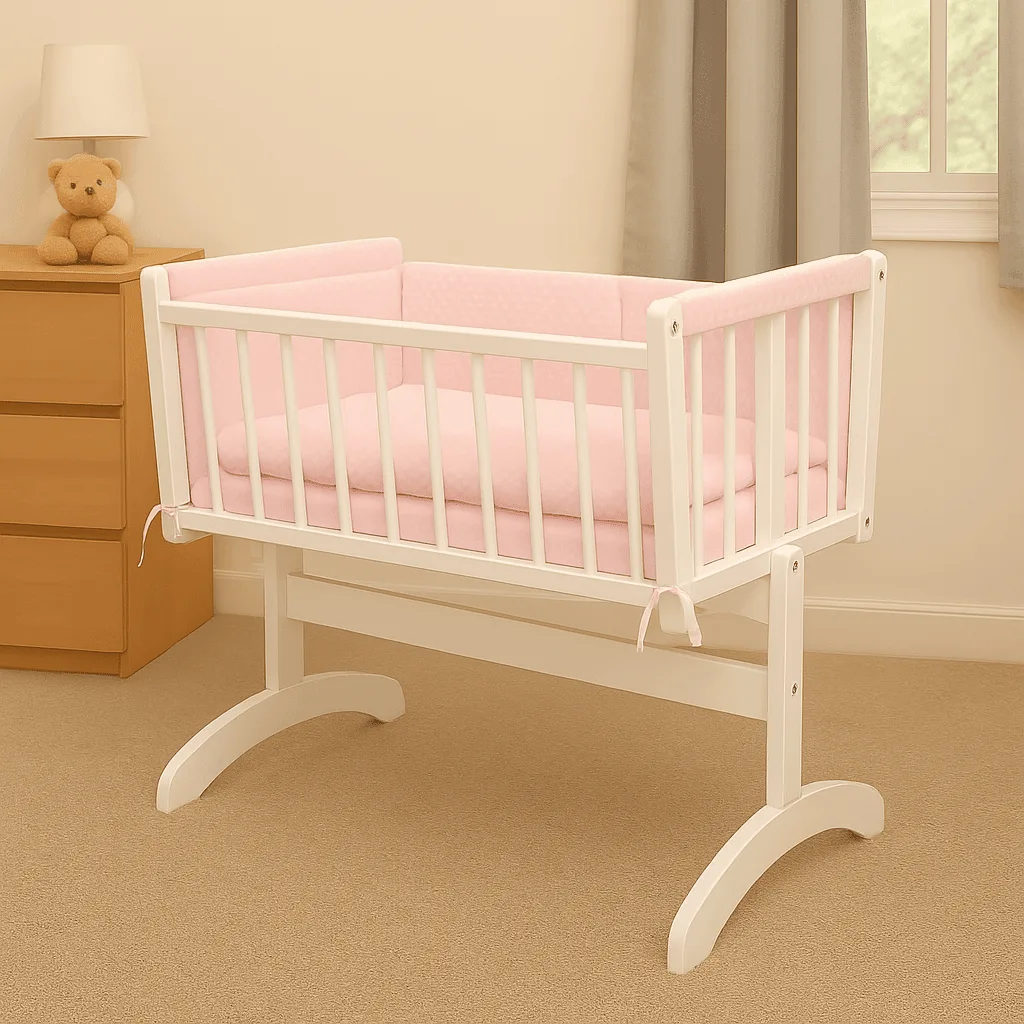
Bedding is the category where fit is most often ignored. A set made for a specific stroller is cut to that stroller's dimensions, and it will not sit properly on a different one. Check the listed measurements against your item before ordering.
The good news is that a well-made set can do double duty. A complete set with a mattress, sheets, pillow, and blanket can be used as a standalone play accessory for role play even without the stroller it was designed for, which makes it a reasonable purchase for a child who mostly plays on the floor.
- Compare the listed bedding dimensions to your stroller or bed before buying.
- A four-piece set gives more play value than a single cover if your child plays on the floor.
Plan storage and rotation at the same time
Children's rooms fill up faster than the furniture can hold. Decide where each new item lives before it arrives, and rotate toys rather than displaying everything at once. Fewer items in reach means more actual play and less tidying.
If storage space is tight, favor items that pack down or nest. A bag of blocks takes less room than a set of loose pieces, and it is easier for a child to put away without help.
- Store half the toys out of reach and swap them every few weeks.
- Choose sets that pack into their own container when floor space is limited.
Decision rules for furniture and bedding for kids
- If the item must pass through a doorway: Measure the doorway before the room. Anything with wheels or a wide base fails here first, and no amount of style compensates. Checkpoint: doorway width recorded before ordering.
- If you already own the stroller or bed: Buy bedding by the listed dimensions of that exact item, not by color or theme. A set cut for one stroller will not fit another. Checkpoint: dimensions matched, not guessed.
- If your child is under 36 months: Check the age rating and the smallest piece in the set. Ratings assume a child past mouthing, so a younger sibling changes the calculation. Checkpoint: smallest part assessed.
- If you want it usable today: Choose no-assembly items. Assembly required is fine, but it delays use and needs tools and floor space you may not have. Checkpoint: assembly requirement confirmed.
- If floor space is tight: Prioritize items with built-in storage or a compact packed size, and rotate toys instead of displaying all of them. Checkpoint: a defined home for the item before it arrives.
How these products illustrate the decision rules
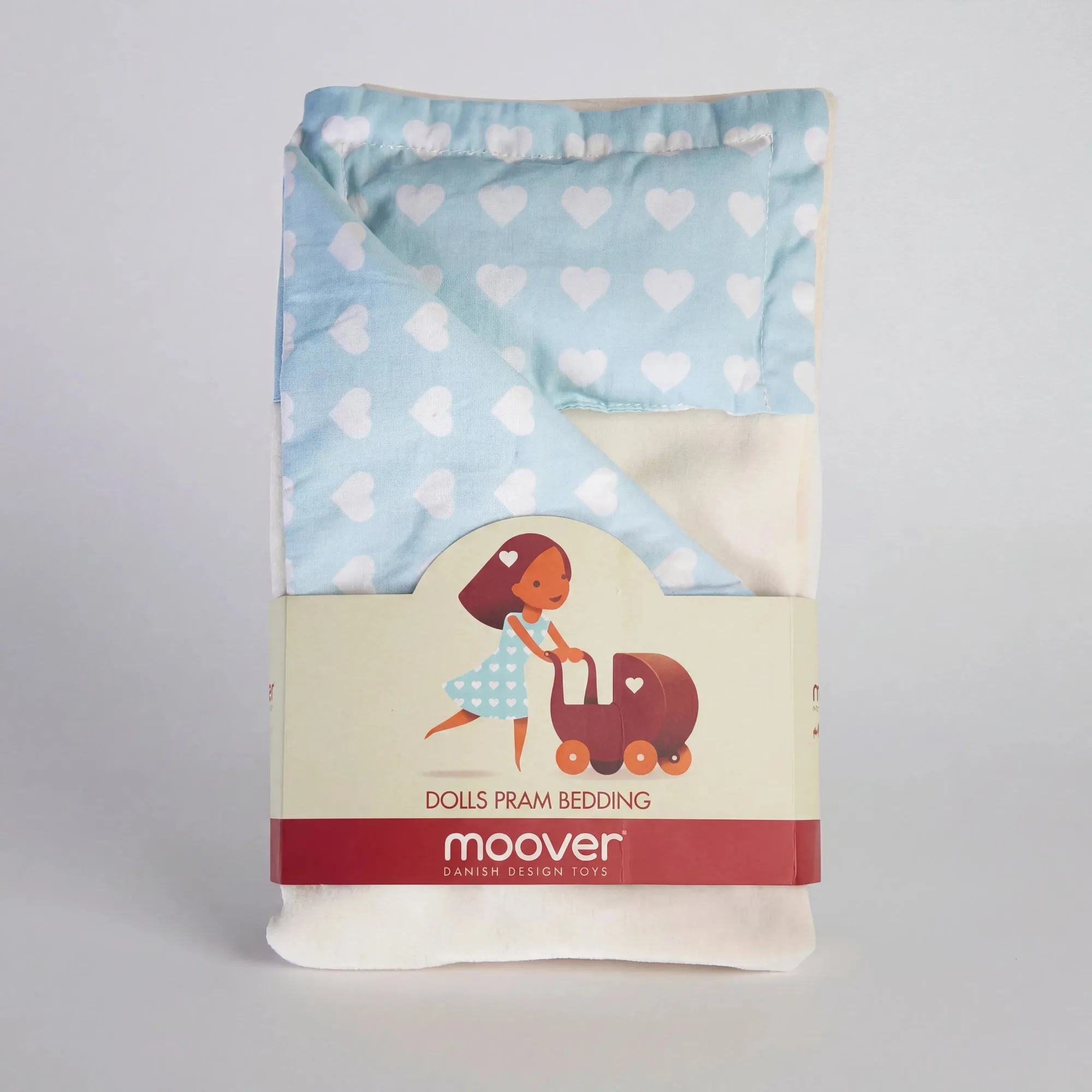
- Dolls pram classic bedding set Blue: Fits the regular size Moover CLASSIC Stroller at 11.8 x 2.8 x 7 inches (30 x 7 x 18 cm), and includes a dolls mattress, sheets, pillow, and blanket. This is the clearest example of fit-first buying: if your stroller matches those dimensions, the set drops in properly; if not, it will not sit right. It also works as a standalone play accessory without the stroller.
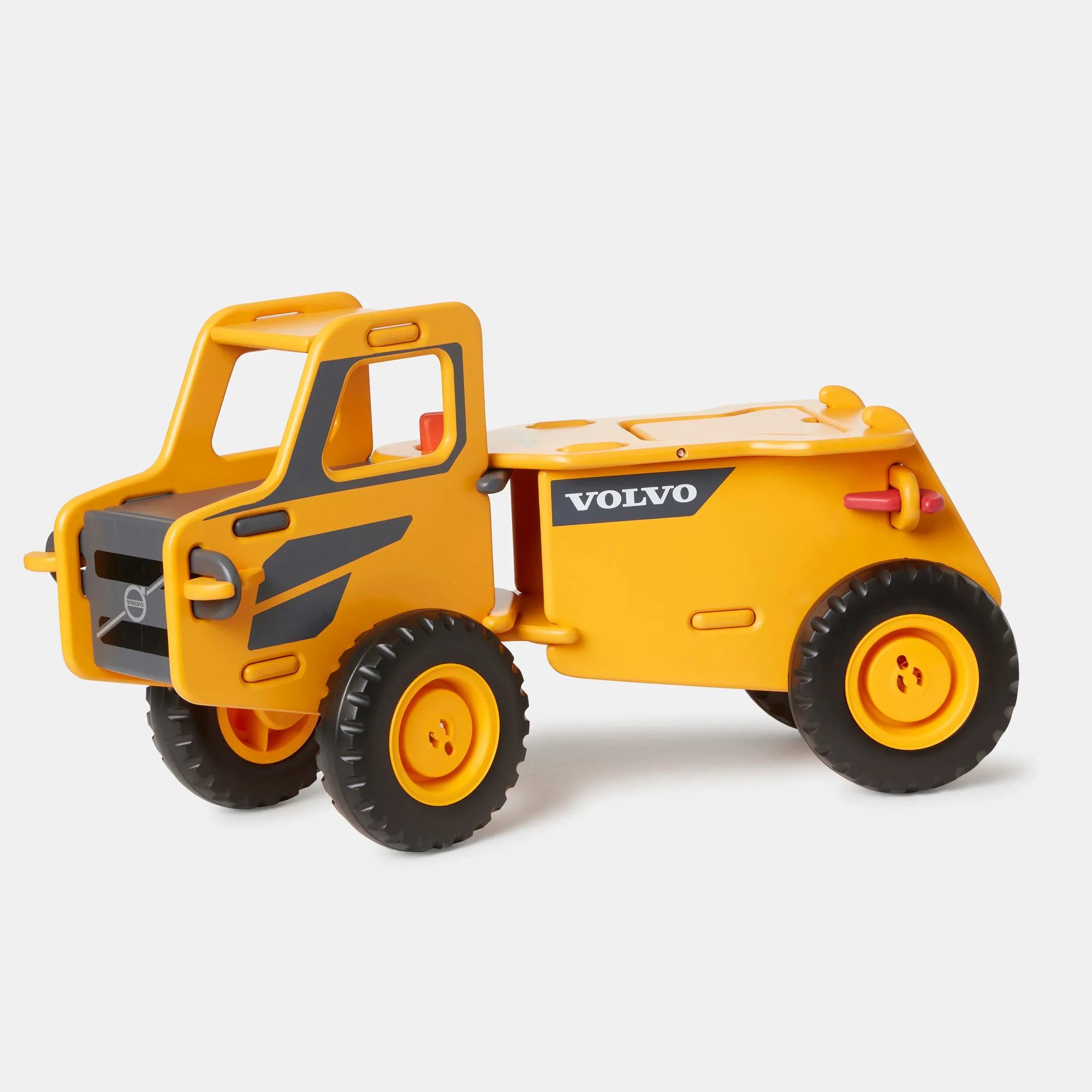
- Volvo Ride-On Truck - Yellow: A Volvo-licensed wooden ride-on for ages 18+ months with a hidden storage compartment, described as operating with no noise. The storage compartment solves part of the storage problem in one purchase, and the silent operation matters in apartments or shared rooms where noise travels.
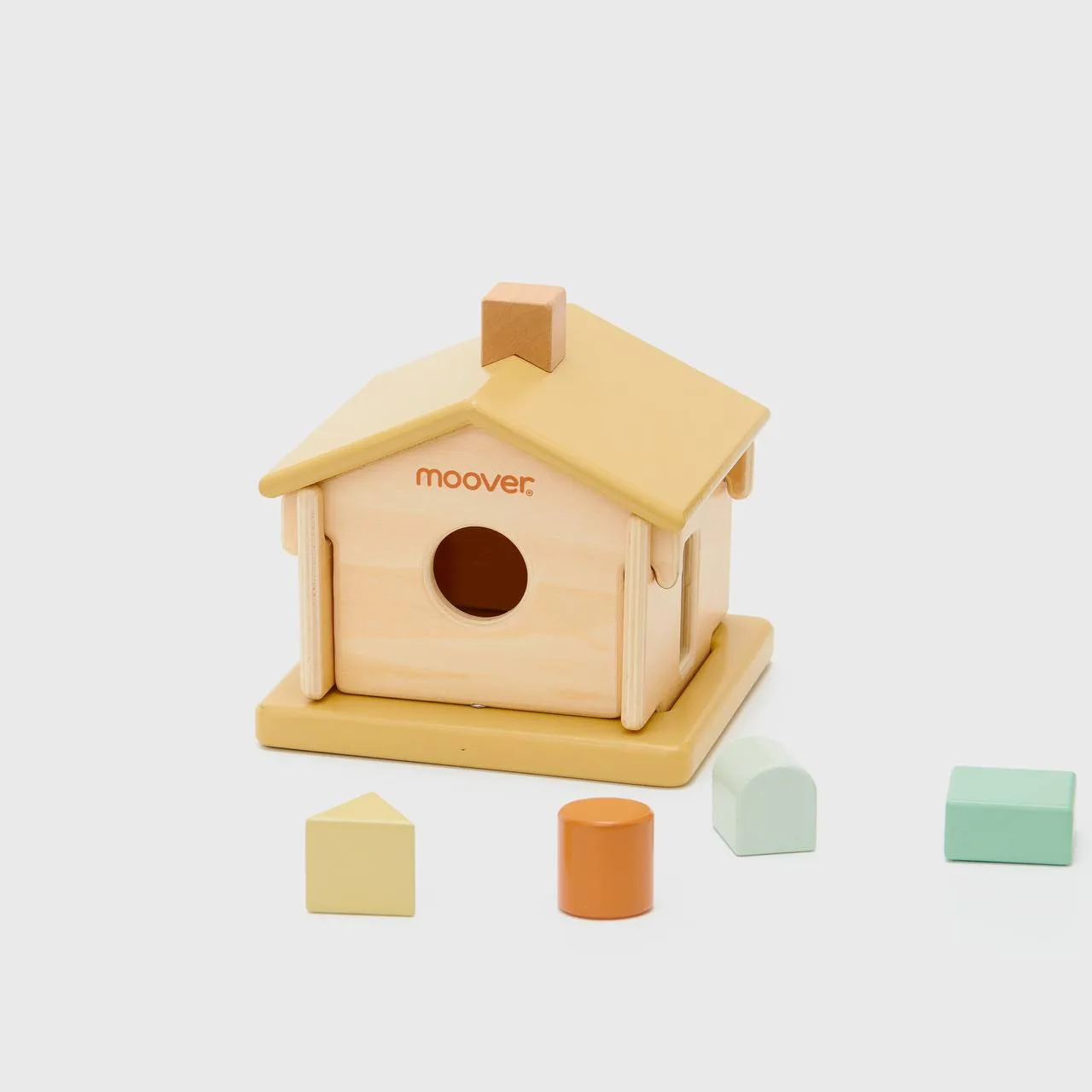
- IQ sorting House Brown: Made from 10 and 20mm plywood pieces, measures 17x17x17cm, includes 1 sorting house and 4 shapes, uses FSC-certified wood and child-safe paint, requires assembly, and is rated from age 6M+. The stated dimensions let you check shelf and floor space before buying, and the assembly requirement means you need a work surface before it is usable.
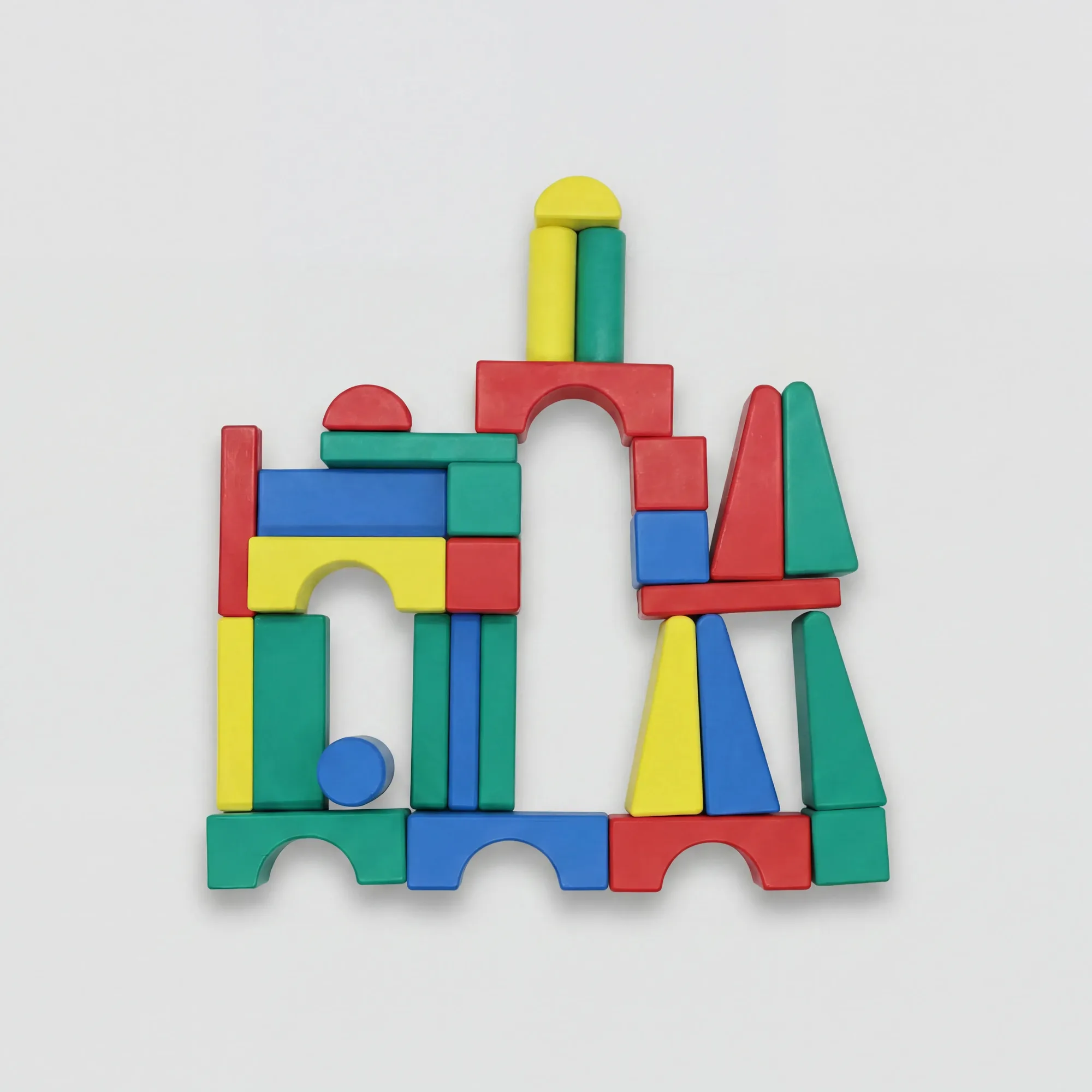
- Blocks in Bag Primary Color: Solid wood blocks measuring 14.96 x 2.36 x 4.33 inches (38 x 6 x 11 cm), no assembly required, rated from age 12M+. No assembly and a compact bag footprint make this the low-friction option when you want something usable the same day and easy to store.
Who this approach fits
Best for
- Parents setting up a first children's room who want to avoid returns
- Buyers who already own a specific stroller or bed and need bedding that matches its dimensions
- Small apartments where doorway clearance and storage space decide the purchase
Not for
- Shoppers buying purely for a theme or color match with no measurements taken
- Households wanting large fixed furniture without checking assembly and clearance first
Measure the space, check the material and assembly claims, and buy bedding by the exact dimensions of the item it covers. Do that in order and most children's room purchases work the first time.