Quick answer
Choose light fusible stabilizer (about 1–1.5 oz/yd²) for quilting, appliqué, and garments where drape matters. Go medium (about 2–2.5 oz/yd²) for structured bags, pouches, and machine embroidery. Reserve heavy (3 oz/yd² and up) for bag bottoms and load-bearing panels. Always test on a scrap of your exact fabric before fusing.
How stabilizer weight changes your project
Stabilizer weight is the main lever you control. Light weights add just enough body to stop seams from stretching and keep appliqué shapes crisp, but they leave fabric soft. Medium weights create a firm hand that holds shape in pouches and tote sides. Heavy weights turn fabric into a near-rigid panel, which is why they belong on bag bases rather than quilt tops.
The trade-off is always drape versus durability. A heavy stabilizer on a quilt makes it stiff and cold; a light stabilizer on a tote bottom lets the bag sag and wear through faster. Match the weight to the job the fabric has to do, not to the number on the package.
Match the stabilizer to the fabric and the stress
Cotton quilting fabric, like the Light of the World cotton from QT Fabrics, fuses predictably with light and medium weights. If you are working with a pre-cut kit or a printed canvas, the fabric's finish and thickness change how much stabilizer you need. Durable waterproof canvas, for example, already holds structure, so a light or medium fusible is often enough for a project bag.
Ask one question: will this seam or panel be pulled, loaded, or washed repeatedly? If yes, step up one weight. If the piece only needs to lie flat and look neat, stay light.
Fusible versus sew-in: when fusible is the wrong call
Fusible stabilizer needs heat, moisture, and pressure to bond, and some fabrics will not tolerate that. Delicate sheers, heat-sensitive synthetics, and heavily textured fabrics can pucker, scorch, or refuse to stick. For those, use a sew-in stabilizer and baste it in place.
Fusible also adds a glue layer that can gum up a needle if you fuse and then quilt heavily through it. On quilt tops where you plan dense free-motion work, a light sew-in may feel better under the needle. Test both if the project is important.
Fusing without ruining the fabric
Always pre-wash and press your fabric first. Set your iron to the temperature your stabilizer manufacturer lists, use a pressing cloth, and move the iron rather than parking it. Let the piece cool completely before you move or sew it; the bond strengthens as it cools.
If the stabilizer bubbles or lifts at a corner, do not crank up the heat. Re-press with more steam and pressure, or peel it off while warm and start again with a fresh piece. A failed fuse usually means too little pressure, not too little temperature.
Decision rules for choosing stabilizer weight
- Quilt tops and wall hangings: Use light fusible (about 1–1.5 oz/yd²) only if you need to control stretch or set appliqué. Skip stabilizer entirely on pieced tops that will be quilted densely. If the quilt must drape, stay light or skip it.
- Tote bags and pouches: Use medium fusible (about 2–2.5 oz/yd²) on the body panels and a heavy weight on the base if the bag will carry books, tools, or groceries. One weight for the sides, one for the bottom.
- Machine embroidery on cotton: Use a medium cut-away or tear-away fusible that matches the stitch count. Too light and the design distorts; too heavy and the fabric puckers around the edges. Match stabilizer weight to stitch density, not to fabric weight alone.
- Garments and wearable art: Use light fusible only where you need a crisp edge, such as collars or button plackets. Avoid medium and heavy weights on any piece that must move with the body. If it bends, keep the stabilizer light.
- Heat-sensitive or textured fabric: Do not fuse. Switch to a sew-in stabilizer and baste it within the seam allowance so it stays put without heat. No fuse is better than a scorched fuse.
Products that pair well with stabilizer decisions
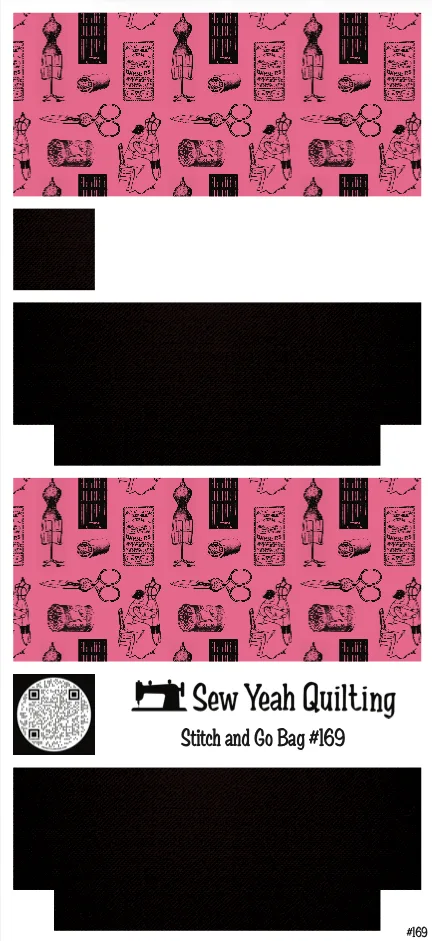
- Stitch & Go Bag #169 - Sewing Vintage Tools on Black: Stitch & Go Bag #169 is made from durable waterproof canvas and is designed and printed in-house in the USA. Waterproof canvas already resists sag, so a light or medium fusible is usually enough for the bag body; save heavy stabilizer for the base if you add one.
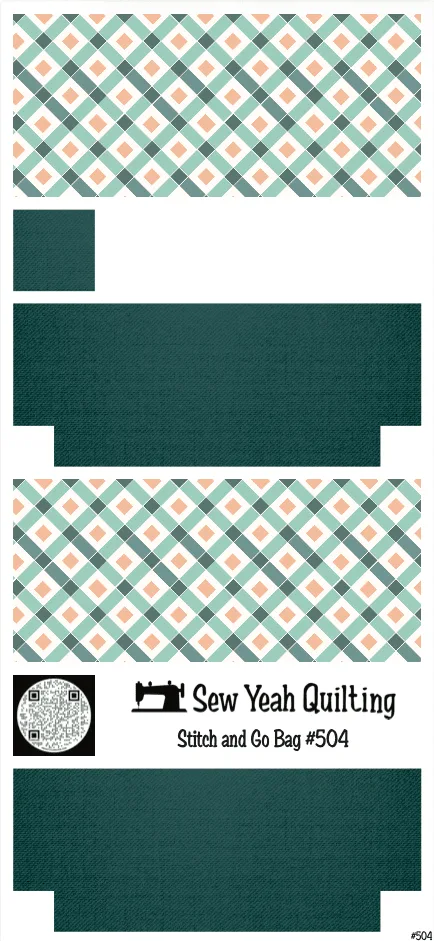
- Stitch & Go Bag #504 - Geometric Diamonds on Dark Teal: Stitch & Go Bag #504 is also durable waterproof canvas, printed in-house in the USA, and sized for sewing supplies and travel essentials. If you are choosing stabilizer for a grab-and-go bag, pick the weight by how much the bag will carry, not by the print; the canvas behaves the same across designs.
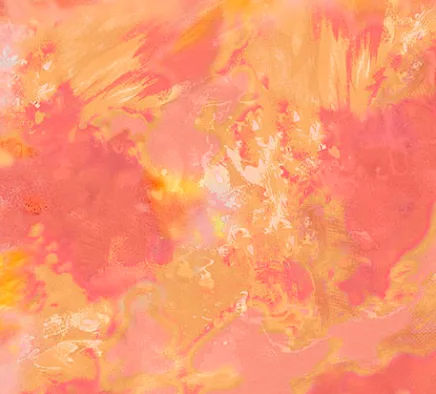
- LIGHT OF THE WORLD 2600 31247 C 15O SALMON Fabric: Light of the World by QT Fabrics is a cotton fabric designed by Claudia McKinney with glowing candles, soft stars, and peaceful holiday scenes. Cotton like this fuses cleanly with light and medium weights, making it a safe test fabric before you commit stabilizer to a full quilt or wall hanging.
Who this guide is for
Best for
- Quilters choosing stabilizer for appliqué, wall hangings, or quilted bags
- Bag makers who need to decide between medium and heavy weight for structure
- Sewists working with cotton kits and yardage who want a repeatable fusing routine
Not for
- Sewists looking for a sew-in stabilizer guide; this article focuses on fusible products
- Projects using heat-sensitive fabrics where fusing is not safe
- Anyone seeking brand-specific stabilizer comparisons, which this article does not cover