Quick Answer
If you fly glass-cockpit aircraft like the G1000-equipped Cessna or Piper, start with the G1000 NXi panel set—it transforms your sim's interface and pairs naturally with the GMC507 later. If you're on a tighter budget or fly multiple aircraft types, the GMC507 autopilot panel is a more affordable first step that adds hands-on control without replacing your entire instrument panel.
What Each Panel Adds to Your Cockpit
The G1000 NXi 3-piece set replaces your primary flight display (PFD), multi-function display (MFD), and audio panel with 10.4-inch HDMI displays and backlit buttons. It's a complete glass-cockpit overhaul that makes your sim's instruments feel like real hardware.
The GMC507 autopilot panel is a standalone control unit that replicates the real autopilot head. It's a single, plug-and-play device that adds tactile control over your autopilot modes without changing your existing displays.
The core difference is scope: the G1000 NXi set changes how you see and interact with your flight data, while the GMC507 changes how you command the autopilot. Your choice depends on which part of your workflow feels most artificial right now.
Cost and Setup Considerations
The G1000 NXi set is a significant investment at over three times the price of the GMC507. It also requires more physical space and two HDMI connections, so check that your sim PC has enough ports and your cockpit has room for three panels.
The GMC507 connects via USB with no drivers needed, making it a quicker install. The G1000 NXi set also connects via USB and HDMI and comes preloaded with drivers, but the extra cables and displays mean a longer setup session.
If you're building a cockpit from scratch or upgrading gradually, the GMC507 is a lower-risk entry point. If you're committed to a glass-cockpit aircraft, the G1000 NXi set delivers a more immersive transformation.
Compatibility and Future Expansion
Both panels work with major flight simulators, so you won't be locked out of your favorite sim. But they serve different roles: the G1000 NXi set is tied to the G1000 avionics suite, while the GMC507 is more generic and can be used across aircraft that share the Garmin autopilot interface.
If you already own the G1000 NXi set, adding the GMC507 later creates a cohesive Garmin cockpit. If you buy the GMC507 first, it remains useful even if you later switch to a different avionics suite—it just won't look as integrated.
Think about your long-term plan. Starting with the G1000 NXi set gives you the most dramatic upgrade and a natural path to the GMC507. Starting with the GMC507 is more flexible but leaves your primary displays untouched.
Which Should You Buy First?
- Start with G1000 NXi if...: You primarily fly G1000-equipped aircraft, want to replace your on-screen instruments with physical displays, and have the budget and desk space for a three-panel setup. Check that your PC has two free HDMI ports and enough room for three panels before ordering.
- Start with GMC507 if...: You're on a tighter budget, fly a mix of aircraft types, or want a quick, low-effort upgrade that adds physical autopilot controls without replacing your current displays. The GMC507 is a great first panel; you can add the G1000 NXi set later when you're ready.
- Buy both if...: You're building a dedicated G1000 cockpit and want the most realistic Garmin experience. The G1000 NXi set provides the displays, and the GMC507 completes the autopilot interface. Plan the installation order: mount the G1000 NXi set first, then add the GMC507 to avoid re-routing cables.
Product Facts
-
1/1 Scale G1000NXI Integrated Avionics 3-Piece Panel Set (PFD+MFD+Audio) with Mounting Brackets - Compatible with Major Flight Simulators: Includes G1000 PFD, MFD, and GMA audio panel with 10.4-inch HDMI displays and backlit buttons; connects via USB and HDMI with preloaded drivers. This gives you a complete glass-cockpit experience with crisp displays and true plug-and-play setup, making it the most immersive single upgrade for G1000 simmers.
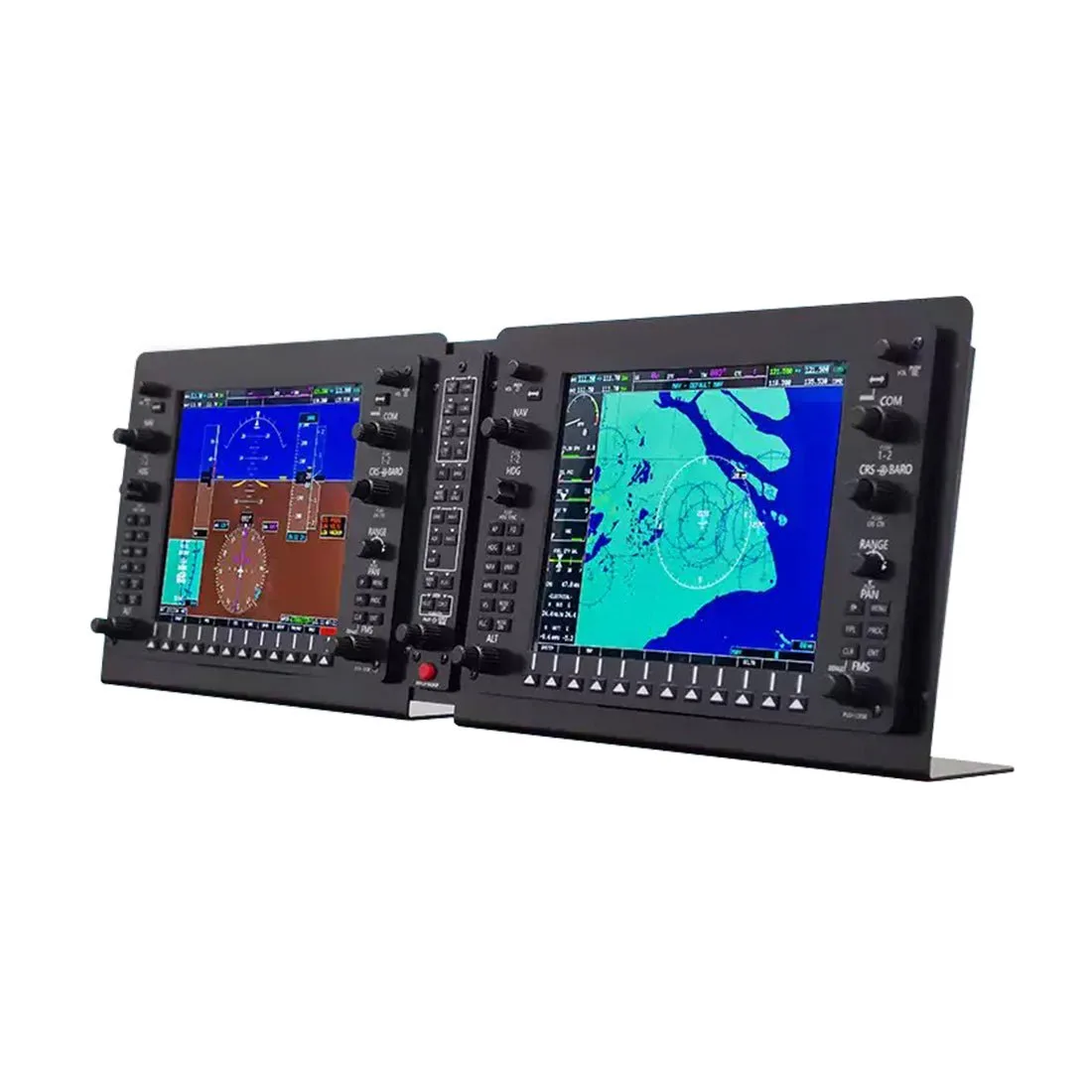
1/1 Scale G1000NXI Integrated Avionics 3-Piece Panel Set (PFD+MFD+Audio) with Mounting Brackets - Compatible with Major Flight Simulators
-
1/1 Scale GMC507 Autopilot Panel Compatible with Major Flight Simulators: Authentic 1:1 scale GMC507 autopilot panel with 12 premium-grade push buttons; connects via USB with no drivers required. It's a simple, budget-friendly way to add tactile autopilot control to any sim cockpit without needing extra display outputs or driver setup.
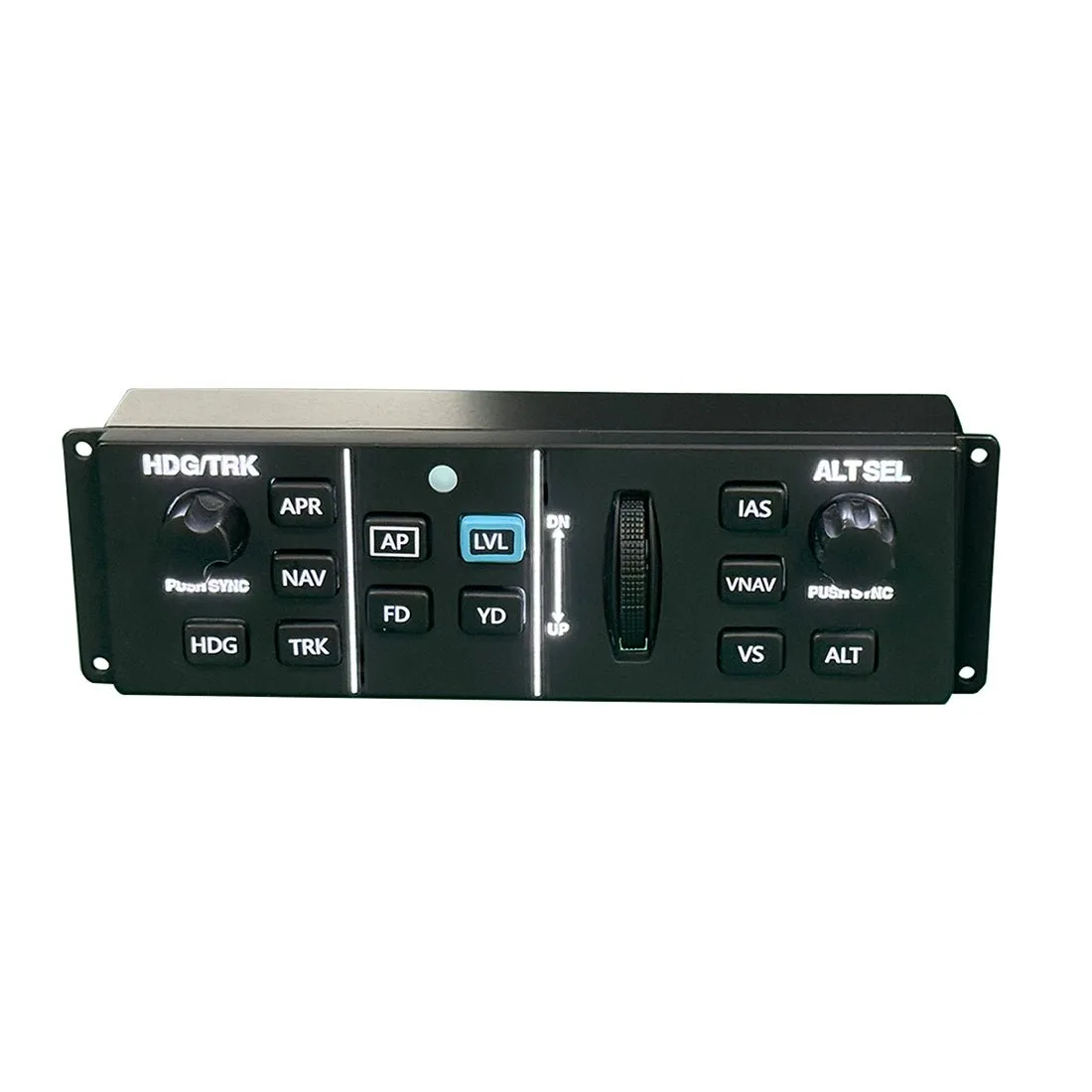
1/1 Scale GMC507 Autopilot Panel Compatible with Major Flight Simulators
Who Each Panel Suits Best
Best for
- G1000 NXi set: dedicated glass-cockpit simmers who want a full instrument overhaul and have the budget and space.
- GMC507: budget-conscious simmers or those flying multiple aircraft types who want tactile autopilot control without replacing their displays.
Not for
- G1000 NXi set: simmers with limited desk space or only one free HDMI port, or those who don't fly G1000-equipped aircraft.
- GMC507: simmers who expect it to replace their on-screen instruments or who need a complete glass-cockpit experience.