Quick answer
The most common A Game of Thrones Board Game 2nd Edition rules mistakes come from misreading combat order, supply limits, and the mustering phase. Knowing these traps before you play keeps the game moving and avoids table arguments.
Why These Mistakes Happen
A Game of Thrones: The Board Game Second Edition is a deep strategy game for 3-6 players, and its layered rules mean small missteps can change the whole game. Many mistakes come from confusing the order of phases, especially when players are new to the game's unique action system. The second edition also adds ports and garrisons, which are easy to overlook if you learned from the first edition or from the TV show.
How the Second Edition Changes the Rules
The second edition incorporates elements from previous expansions, including ports and garrisons. These additions change how players approach sea movement and defense. If you learned the game from an older version or from watching the show, you might assume the rules are the same—but the second edition has its own set of nuances that trip up new and returning players alike.
Verdicts on Common Rules Mistakes
- Myth: You can move units through sea areas adjacent to your ports without a ship: Verdict: False. Ports are part of the land area they touch, not separate sea spaces. Units must move from a sea area into a port, and you cannot move directly from a port to an adjacent sea area unless a ship is present. Check the port rules before your first naval move.
- Myth: You can use a March order to move units from multiple adjacent areas in any order: Verdict: False. When you March, you must resolve each of your March orders one at a time, in the order you choose. You cannot interrupt a march to move another army and then return. Plan your order of resolution carefully. Resolve each March order fully before starting the next one.
- Myth: The Iron Throne track only matters when bidding on the Wildling track: Verdict: False. The Iron Throne track determines turn order each round and breaks ties in battles and other conflicts. Winning it early can shape the whole game, so treat it as a strategic priority, not a side quest. Re-evaluate your house's position on the Iron Throne track before every planning phase.
- Myth: You can always retreat to any adjacent area: Verdict: False. Retreats must follow the rules for allowed retreat paths, including avoiding enemy units and certain terrain restrictions. Check the rulebook for the exact retreat order before moving your tokens. When a retreat is forced, confirm the destination is legal before resolving combat.
- Myth: Ports are just extra movement spaces: Verdict: False. Ports are separate areas with their own rules for combat and movement, and they only connect to the sea area they belong to. A unit in a port cannot move to an adjacent land area. Keep ports in mind when planning naval movement and attacks.
- Myth: Garrison tokens only defend the castle: Verdict: False. Garrisons are placed on the castle or stronghold and are used only in combat that happens in that area. They do not move or participate in battles elsewhere. Remember that garrisons never leave their home area.
- Myth: You can use any order token each round: Verdict: False. Each house has a limited set of order tokens, and using one consumes it for the round. Plan your orders carefully because you cannot reuse a token until the next round. Track which order tokens you have already placed.
Product facts
-
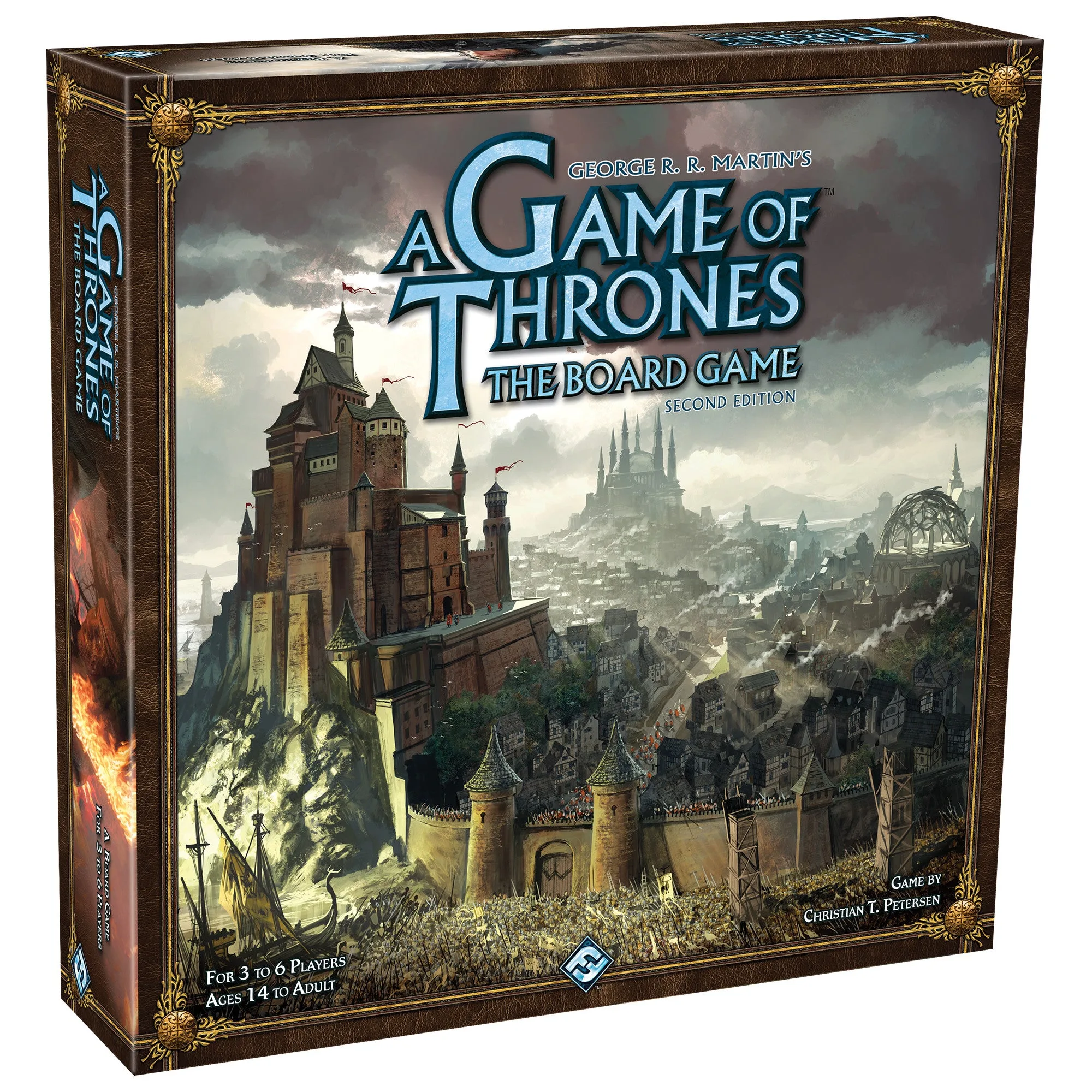
A Game of Thrones Boardgame 2nd Edition: A Game of Thrones: The Board Game Second Edition lets 3-6 players take control of the great houses of Westeros in an epic struggle to claim the Iron Throne. Knowing the house count and the goal helps you set up the correct game and focus on the right victory conditions from the start.
A Game of Thrones Boardgame 2nd Edition
-
A Game of Thrones Boardgame 2nd Edition: The updated second edition incorporates elements from previous expansions, including ports and garrisons. Ports and garrisons add extra rules that are easy to miss, so reviewing them before your first game prevents common mistakes.