Quick Answer
If your retro gaming happens on the living-room TV, a plug-and-play game stick like the AISLPC M15 Plus is the simpler fit: it stays connected and turns the TV into a shared arcade. If you want to play on the couch, on a commute, or in bed, a handheld such as the AISLPC R36 MAX or R36T MAX is the better buy. Many households end up with both, because the stick serves the room and the handheld serves the person.
How a Game Stick Changes Your TV Setup
A game stick plugs into your TV's HDMI port and draws power from USB, so there is no console box on the shelf and no controller to charge separately if you use the bundled wireless pad. The trade-off is that the stick has no screen and no battery, so it is tethered to the TV and useless the moment you leave the room. Setup is the appeal: connect, switch the TV input, and pick a game from the on-screen menu. For a family room where different people want to play in short bursts, that low friction matters more than portability.
What You Give Up With a Handheld
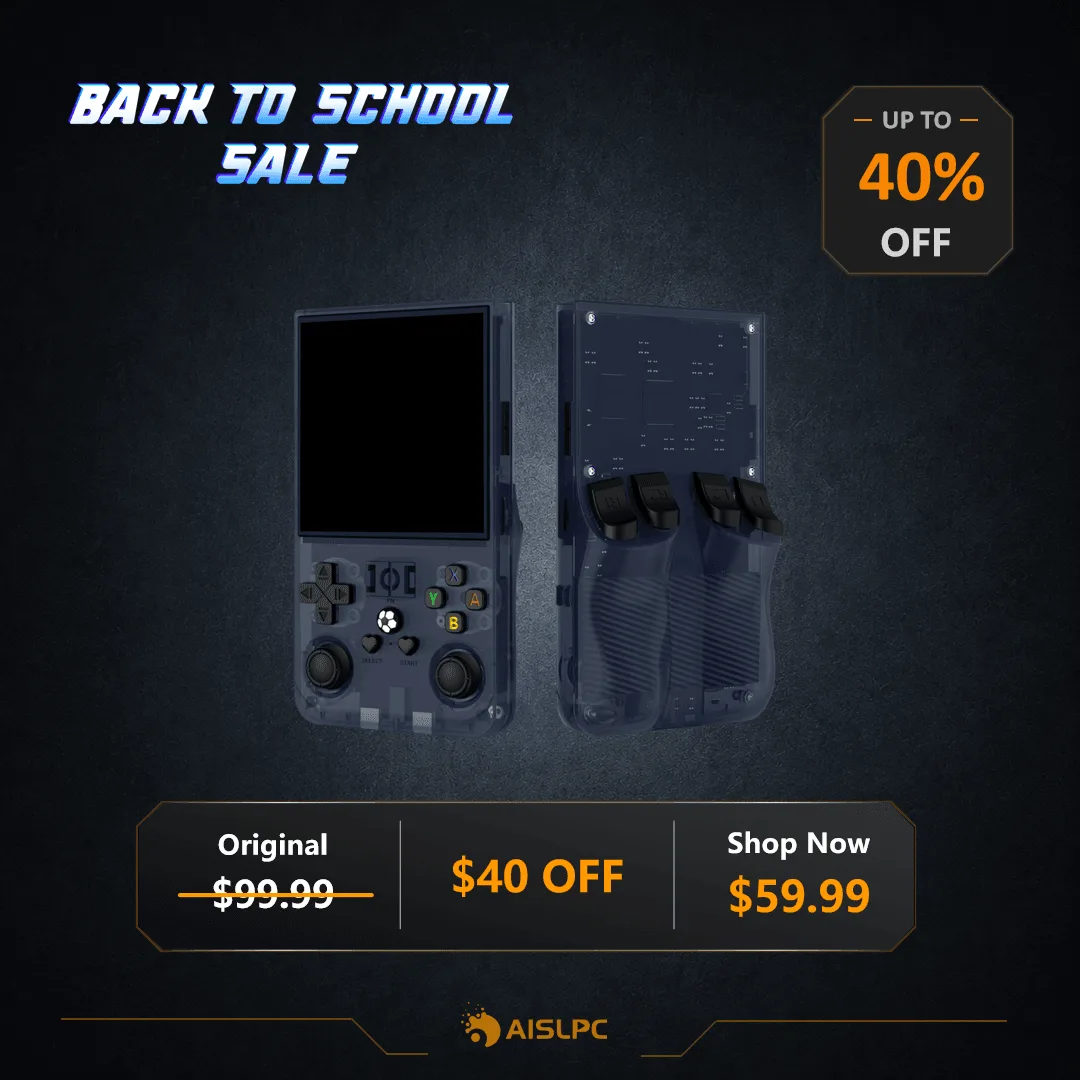
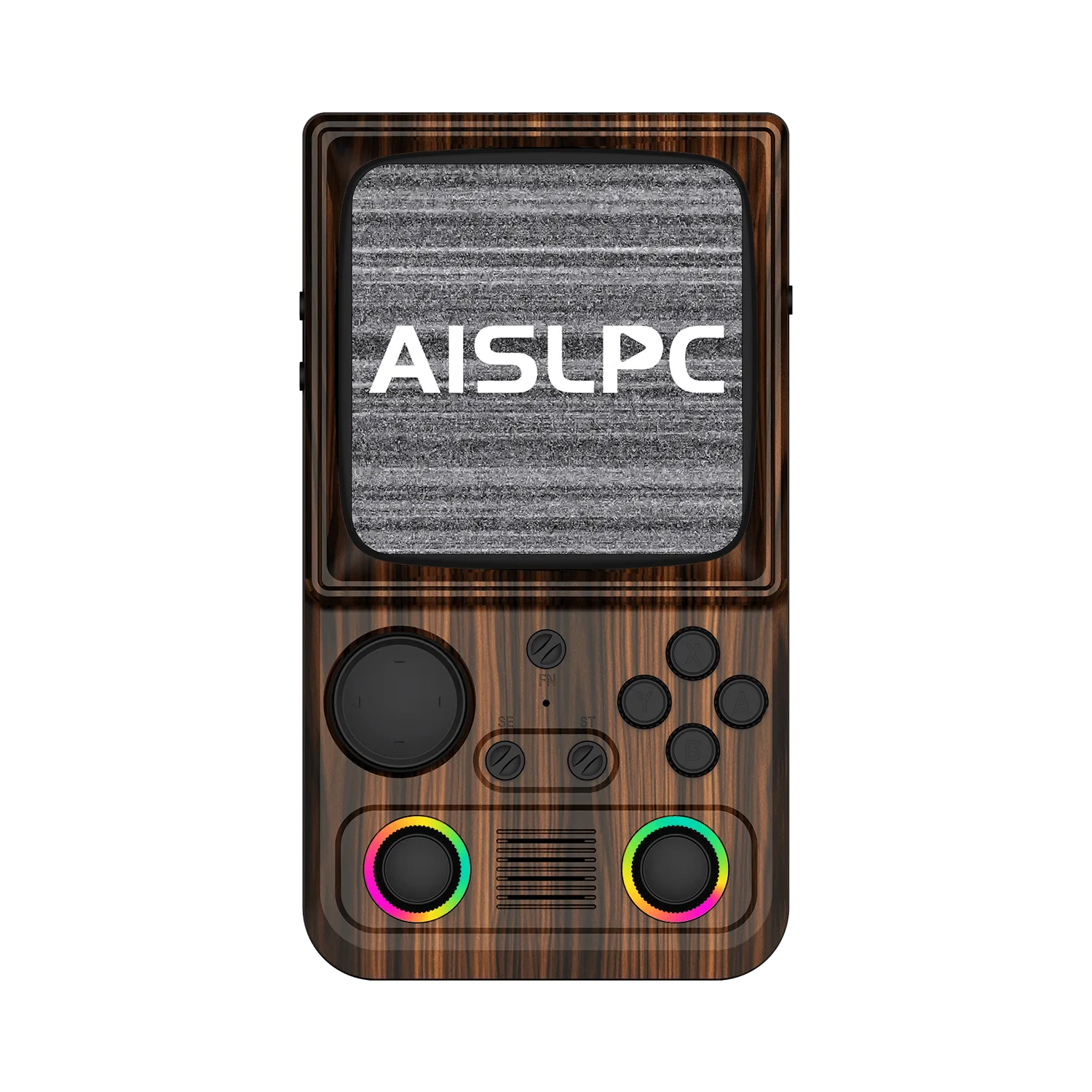
A handheld console puts the screen, controls, and battery in your hands, which is why the AISLPC R36 MAX can run for up to 6 hours on its 4000mAh battery and the R36T MAX pairs 5G WiFi with a 4.0" IPS screen. The trade-off is screen size and shared play: a 4-inch display is personal, not a group experience, and you will need to mirror or cast if you want others to watch. You also manage charging, storage, and game libraries yourself rather than relying on a fixed TV menu.
Matching the Device to the Room
Think about where the console will physically live. A game stick belongs to a TV that already has a spare HDMI port and a USB power source nearby, and it suits households where the TV is the default gathering point. A handheld belongs to a bag, a bedside table, or a commute, and it suits players who want to start a game without negotiating the remote. If two people in your home want to play different games at the same time, one stick plus one handheld solves that faster than buying two of either.
Storage and Library Decisions
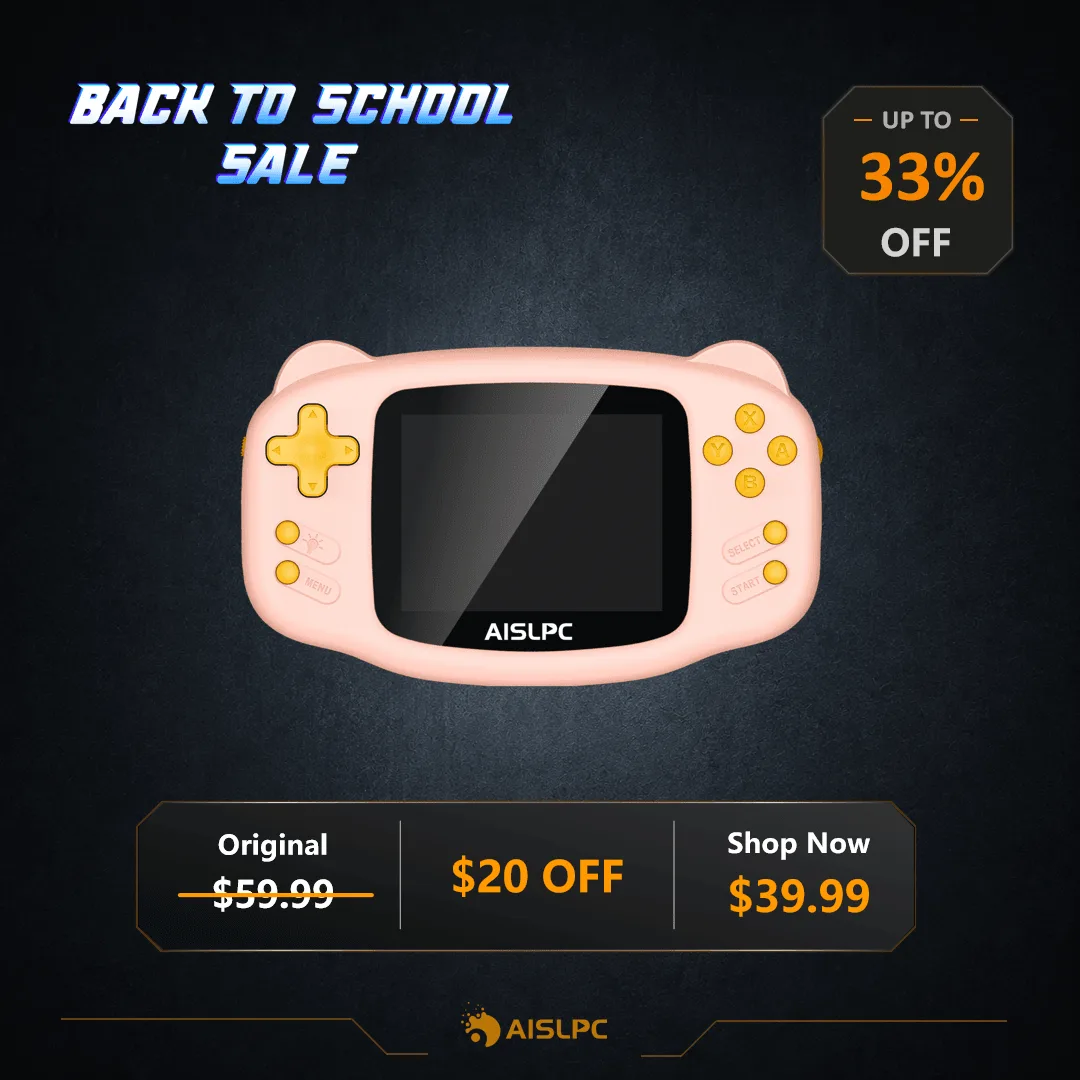
Both formats carry preloaded libraries, but the handhelds let you choose storage as an option type, which matters if you plan to add your own files later. The AISLPC R36T MAX lists 18,000+ classic games and uses the EmuEMEC system, while the R36 MAX focuses on 1,800+ handpicked cult classics tuned for 60 FPS on RetroMax OS. That difference is not just a number: a curated set is easier to browse, while a huge library rewards players who already know what they want. If you are buying for a child, the RG-K32B's smaller, simpler library and cat-ear design are easier to hand over than a deep menu.
Trade-Offs at a Glance
- Shared TV vs. personal screen: A game stick turns the living-room TV into a shared arcade, while a handheld keeps the screen in your hands. The stick wins for group play; the handheld wins when you do not want to give up the TV. Choose the stick if the TV is the gathering point; choose a handheld if it is not.
- Fixed setup vs. battery and portability: The stick has no battery and no screen, so it stays where you plug it in. The R36 MAX carries a 4000mAh battery rated for up to 6 hours, which is the whole point of a handheld. Portability is a feature you pay for; if you never leave the room, the stick is simpler.
- Library size vs. library curation: The R36T MAX lists 18,000+ games, while the R36 MAX focuses on 1,800+ handpicked titles tuned for 60 FPS. More games means more browsing; fewer games means faster decisions. Pick volume if you know your favorites, curation if you want to press play.
- Adult vs. child ownership: The RG-K32B's cat-ear shape and soft colors are designed to be handed to a child, while the R36-series handhelds and the stick assume an adult is managing settings and storage. Match the device to who will actually hold it.
Product Facts Behind the Comparison
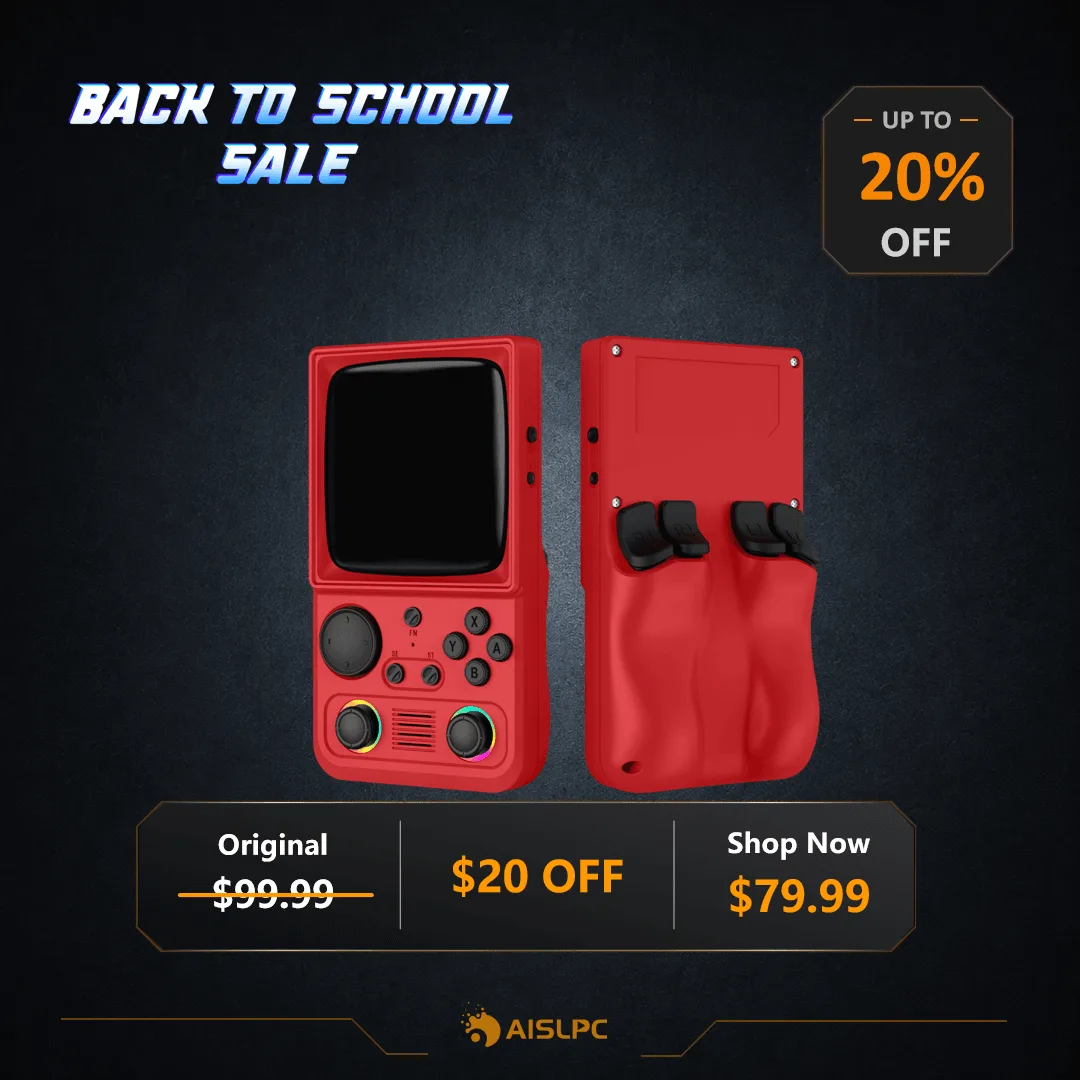
- AISLPC® - R36 MAX Retro Handheld Game Console: R36 MAX Retro Handheld Game Console: 1,800+ handpicked cult classics optimized for 60 FPS on RetroMax OS, a 4" 720x720 IPS display with MiPl color-boost, and up to 6 hours from a 4000mAh battery. A curated, smooth-running library and a bright small screen suit solo players who value quality over sheer volume, and the battery life covers a long flight or a full evening.
- AISLPC® - RG-K32B Retro Handheld Game Console for Kids: RG-K32B Retro Handheld Game Console for Kids: cat-ear design in soft pink, sky blue, or mint green with bright yellow buttons, and options for color and game library. The friendly shape and simpler library make it the handheld you can hand to a younger child without a tutorial, which is a different job from an adult's travel console.
- AISLPC® - R36T MAX Retro Handheld Game Console - WiFi Version: R36T MAX Retro Handheld Game Console: 18,000+ classic games, 5G WiFi, a 4.0" IPS screen, RGB lighting joysticks, and the EmuEMEC system. WiFi and a larger library make this the handheld for players who want to download updates and dig through a deep catalog rather than a fixed set.
Which One Should You Buy?
Best for
- Households where the TV is the main screen and several people play in short sessions
- Buyers who want the lowest-friction retro game stick TV setup with no charging routine
- Players who already own a handheld and want a second, shared device for the living room
Not for
- Commuters and travelers who need a screen and battery in their bag
- Players who want to add their own storage and manage a personal library
- Anyone buying for a young child who needs a simple, sturdy first console