Quick Answer
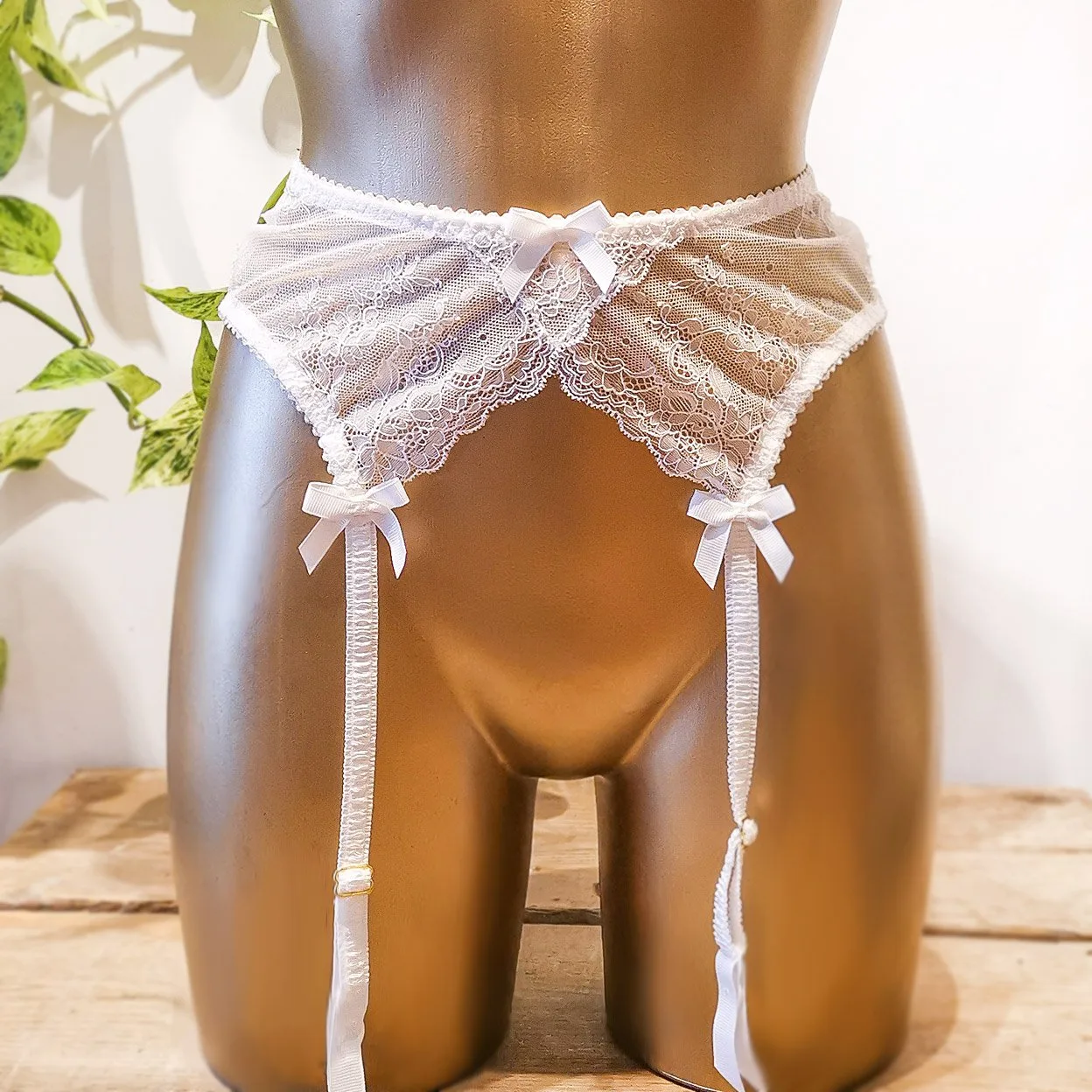
To get the right garter belt fit, measure your natural waist and hips with a soft tape measure, then compare those numbers to the brand's size chart. Most garter belts, like the KEMMI Collection's Angela White Garter Belt, come in standard sizes—choose the one that matches your waist measurement first, then check the hip measurement to ensure the straps sit comfortably.
Why Garter Belt Sizing Matters
A garter belt that's too tight digs into your waist and causes discomfort, while one that's too loose slips down and fails to hold stockings in place. Proper sizing ensures the belt stays put without pinching, so you can wear it all day or for a special occasion without constant adjustments.
Unlike bras or panties, garter belts are typically sized by waist and hip measurements rather than dress size. This is because the belt sits at your waist and the straps extend over your hips—both areas need to fit well for the garment to function correctly.
How to Measure for a Garter Belt
Use a soft, flexible tape measure. Wrap it around your natural waist—the narrowest part of your torso, usually an inch above your belly button. Keep the tape snug but not tight, and note the measurement in inches. Then measure around the fullest part of your hips, keeping the tape parallel to the floor.
Write down both numbers. Most size charts list waist and hip ranges, so you can match your measurements to the correct size. If you fall between sizes, size up for a more forgiving fit, especially if you plan to wear the belt over a bodysuit or with thicker stockings.
Common Fit Mistakes to Avoid
One common mistake is choosing a garter belt based on your panty size. Panty sizes often run smaller or larger than garter belts, so always rely on your waist and hip measurements instead. Another mistake is ignoring the strap length—adjustable straps should be shortened or lengthened so they hold stockings without pulling them too high or letting them sag.
Also, consider the fabric. A garter belt with more stretch (like lace blends) can accommodate slight size variations, while a non-stretch fabric requires a more precise fit. The Angela White Garter Belt, for example, is a structured piece that benefits from accurate measurement.
Step-by-Step Garter Belt Fitting
- Measure Your Waist: Wrap a tape measure around your natural waist, keeping it snug but not tight. Record the number in inches. Checkpoint: The tape should sit flat without digging into your skin.
- Measure Your Hips: Wrap the tape around the fullest part of your hips, keeping it parallel to the floor. Note this measurement as well. Checkpoint: Ensure the tape isn't twisted or angled—this skews the reading.
- Compare to the Size Chart: Match your waist and hip measurements to the brand's size chart. If you're between sizes, choose the larger size for comfort. Checkpoint: If the chart lists only waist, prioritize that over hip measurement.
- Adjust the Straps: After putting on the belt, adjust the strap length so each strap holds your stockings at a comfortable height—not too high, not too low. Checkpoint: Both sides should be even; test by sitting and standing.
- Test the Fit Throughout the Day: Wear the belt for a few hours to see if it stays in place and doesn't create red marks. If it slips, the belt is too loose; if it pinches, it's too tight. Checkpoint: A well-fitting garter belt should be barely noticeable once adjusted.
Garter Belts to Consider
- Lingerie Angela White Garter Belt: The Lingerie Angela White Garter Belt from the KEMMI Collection is a white women's garter belt designed to complement your lingerie wardrobe. It comes in sizes 32 and 38. Because it's available in just two sizes, measuring your waist and hips first is essential—size 32 fits a smaller waist, while size 38 accommodates a larger frame. This belt pairs well with other lingerie pieces for a cohesive look.