Quick Answer
Pick seasonal gel polish by temperature and finish, not by trend lists. Spring and summer reward bright, high-chroma shades and shifty cat-eye finishes; fall and winter reward deep, muted, or neutral tones. Buy two shades per season that share an undertone so you can layer them, and keep one black for nail art and French tips year-round.
Seasonal color shopping usually goes wrong in the same way: you buy a shade you love in the bottle, wear it twice, and then it sits until next year. The fix is not willpower. It is choosing shades that already work with what you own and with the season's light.
This guide gives you decision rules for gel polish color ideas by season, plus the trade-offs that matter when you are buying. It covers undertone, finish, wear time, and how to rotate a small collection so every bottle earns its place.
Start With Undertone, Not the Season
Season is a useful filter, but undertone decides whether a shade looks intentional or off. Warm undertones (yellow, peach, olive) usually flatter shades with warm bases: citrine, amber, coral, warm grey. Cool undertones (pink, red, blue) usually flatter cool bases: lilac, berry, true grey, icy blue. Neutral undertones can wear most things, which is why neutral is the safest place to start a seasonal rotation.
Check the shade in two lights before committing. Indoor warm bulbs push everything yellow; daylight shows the real cast. If a color looks muddy on your skin in daylight, no seasonal trend will save it. This one check prevents most wasted bottles.
- Hold the bottle next to your bare nail in daylight, not against your palm.
- If you are between undertones, buy the cooler option for winter and the warmer option for summer.
- Keep one neutral you trust as a palette cleanser between bold shades.
Spring and Summer: Bright, Shifty, and Light-Catching
Warm months tolerate higher chroma and more visible finish. This is when a shifty cat-eye or a saturated bright reads as fun rather than heavy. Sparkling Pollen - Gel Polish is a sparkling citrine yellow velvet cat eye, which sits squarely in this category: bright enough for spring and summer, with a finish that changes as your hand moves. It is also HEMA and TPO free, which matters if you are sensitive to those ingredients.
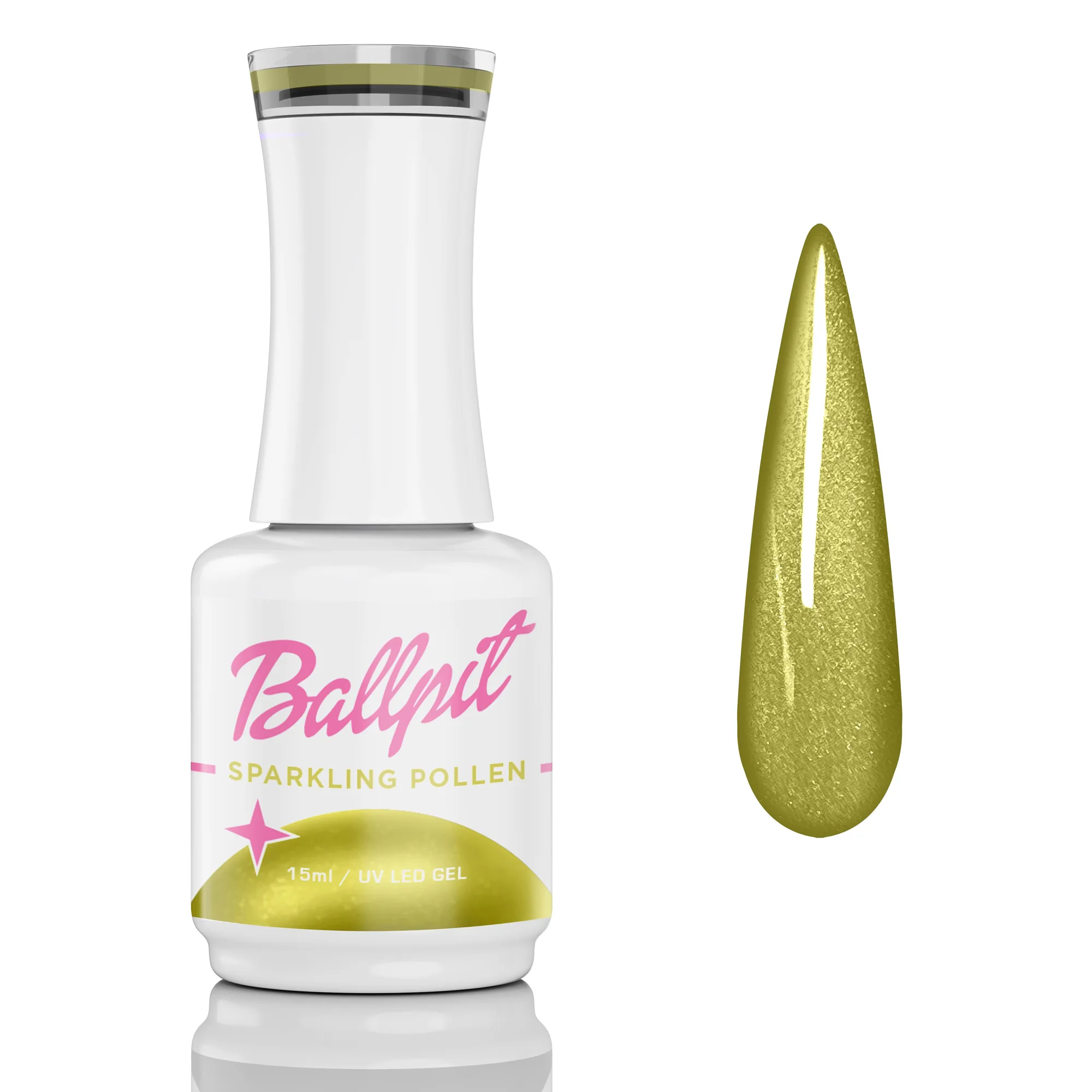
Sparkling Pollen - Gel Polish
A practical summer rotation is one bright shifty shade, one solid bright, and one light neutral for days you want low effort. Two brights plus a neutral covers most outfits and most nail lengths. If you paint press-ons, the same shades work; the finish is what changes the read, not the base color.
- Cure time for Ballpit Nails gel polishes is 60 seconds, so a two-shade summer set is quick to rotate.
- Bright shades show chips more than deep shades; keep the free edge capped.
- If your hands are in water often, choose a solid bright over a shifty finish for easier touch-ups.
Fall and Winter: Depth, Muted Tones, and One Bold Accent
Cooler months reward depth. Grey, plum, oxblood, deep green, and black all read as seasonal without needing a trend chart. Monster Fur - Gel Polish is a grey werewolf fur shade in a soak-off formula for UV or LED lamps. Grey is the workhorse of fall and winter because it pairs with almost everything and looks deliberate in low light.
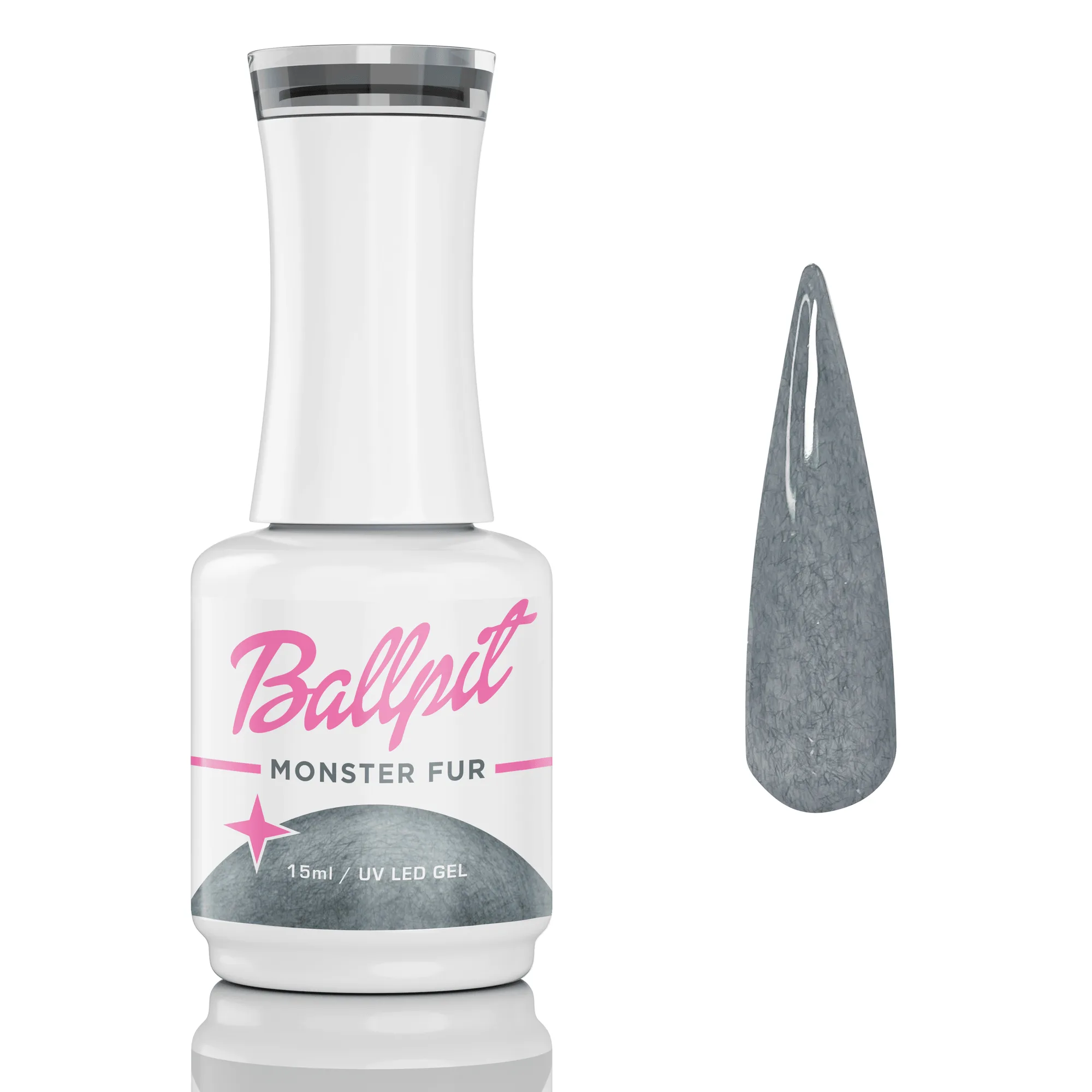
Monster Fur - Gel Polish
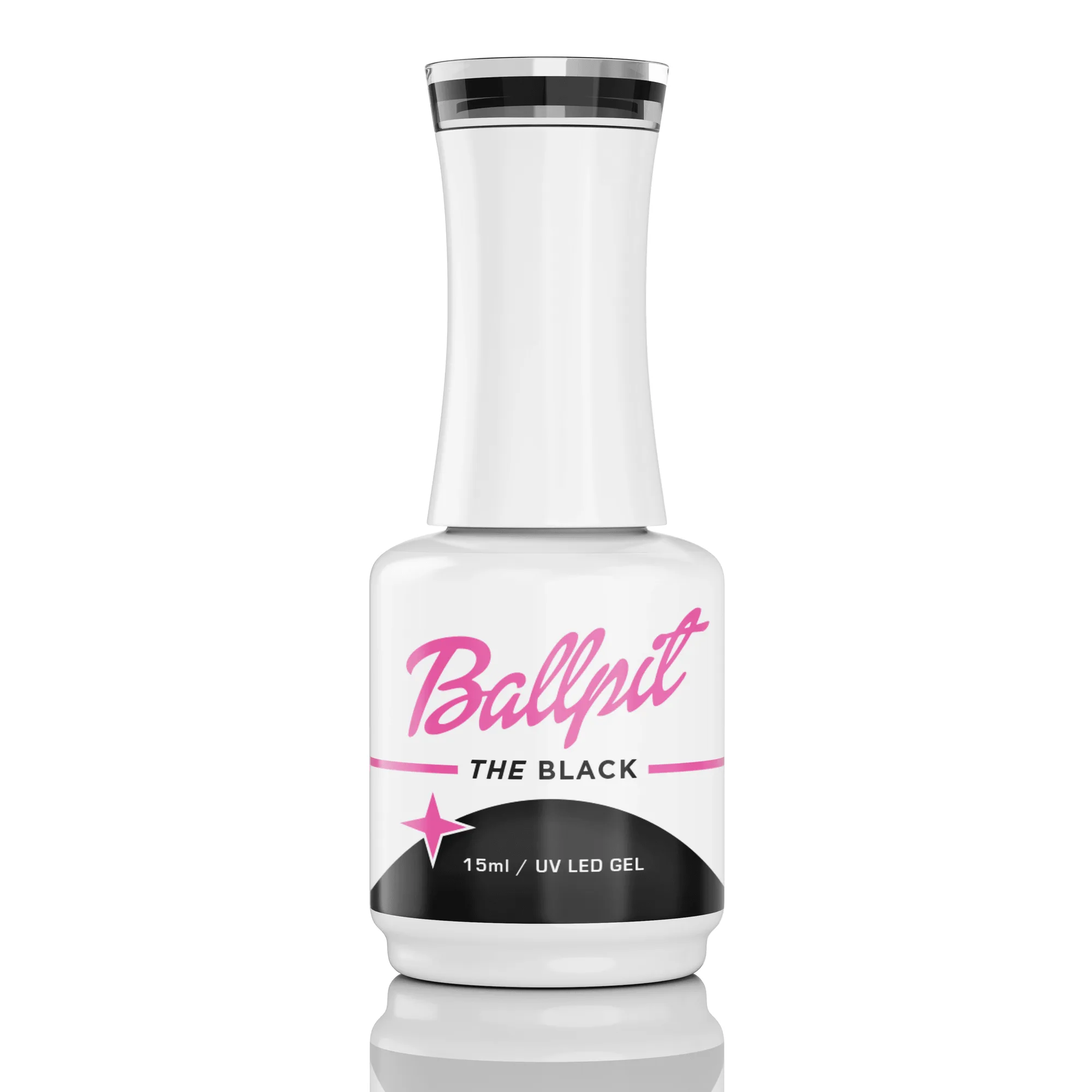
For a bolder winter statement, The Black - Gel Polish is a 15ml soak-off gel compatible with UV and LED curing. Black is not just a color; it is a tool. Use it for French tips, thin line work, and half-moon accents over any seasonal base. One black extends the range of every other shade you own.
- Deep shades hide wear at the cuticle better than pastels, so they suit longer wear cycles.
- If you want a softer winter look, layer a deep shade over a neutral rather than wearing it full-coverage.
- Keep a black on hand even if you mostly wear neutrals; it turns any shade into nail art.
How to Rotate a Small Seasonal Collection
A workable rotation is six to eight bottles: two spring/summer brights, two fall/winter deeps, one neutral, one black, and one shifty finish you can wear in any season. That is enough variety to feel seasonal without a shelf of unused bottles. The goal is not a full rainbow; it is a set where every shade has at least two jobs.
When you add a new shade, check it against what you already own. If it does not layer with at least one existing color, it is a standalone purchase, not a rotation purchase. Standalone shades are fine, but they should be rare and deliberate.
- Assign each bottle a season and a second use (layer, accent, or French tip).
- Replace, don't stack: one in, one out keeps the rotation honest.
- Store gel polish away from direct sun; heat and light shorten usable life.
Layering Rules That Prevent Muddy Shades
Layering is how a small collection behaves like a large one, but order matters. Put the more opaque shade down first and the sheerer or shifty shade on top. If you reverse that, the shifty finish disappears under the solid color. For a cat-eye top layer, magnetize after the top coat is applied and before curing so the particles stay where you put them.
Keep layers thin. Ballpit Nails gel polishes use a creamy, anti-spread formula, which means they hold their position and resist flooding the cuticle. Thin layers cure more evenly and are less likely to wrinkle. If a layer looks streaky, add a second thin coat rather than one thick coat.
- Opaque base, shifty or sheer top layer.
- Cure each layer fully; 60 seconds per coat for these formulas.
- If a shade looks muddy over another, try it over a neutral instead.
What to Skip
Skip buying a full seasonal set before you have tested one shade from it. Seasonal palettes are convenient, but they often include one or two colors you will not wear. Buy the single bottle first, wear it for a full manicure cycle, then decide on the rest.
Also skip matching your polish to a specific outfit. Outfits change; undertone does not. A shade that flatters your undertone will work with more of your wardrobe than a shade that only matches one dress.
- Test one shade before committing to a seasonal collection.
- Prioritize undertone match over trend match.
- If a shade needs a specific outfit to work, it is a special-occasion bottle, not a rotation bottle.
Decision Rules for Seasonal Gel Polish
- Rule 1: Match undertone before season: Warm undertones: citrine, amber, coral, warm grey. Cool undertones: lilac, berry, true grey, icy blue. Neutral: most shades. If a shade fights your undertone, skip it regardless of season.
- Rule 2: One shifty finish per warm season: Cat-eye and velvet finishes read best in spring and summer light. Solid deeps read best in fall and winter. Buy the finish for the season, not just the color.
- Rule 3: Keep one black year-round: Black is a base, an accent, and a French tip color. It multiplies the range of every other bottle. If you only add one non-seasonal shade, make it black.
- Rule 4: Test one bottle before a set: Wear a single shade for one full manicure cycle before buying the rest of a seasonal collection. This prevents unused bottles and confirms the formula works for your nails.
- Rule 5: Layer opaque under shifty: Apply the more opaque shade first, then the sheer or shifty shade. Cure each layer for 60 seconds with these formulas. Reversing the order hides the finish you paid for.
Product Facts That Affect Seasonal Choice
- Sparkling Pollen - Gel Polish: Shade: sparkling citrine yellow velvet cat eye; HEMA and TPO free; 15ml; 60-second cure. A bright, shifty finish for spring and summer, and a safer option if you watch HEMA and TPO in your gel products.
- Monster Fur - Gel Polish: Shade: grey werewolf fur; soak-off gel polish; 15ml; for UV or LED lamps; creamy formula with anti-spread properties. A muted grey that anchors fall and winter rotations and layers well under black or deep tones.
- The Black - Gel Polish: Shade: black; soak-off gel polish; 15ml; compatible with UV and LED curing. Works as a full-coverage winter shade and as a nail art tool for tips, lines, and accents across every season.
Who This Seasonal Approach Fits
Best for
- People building a small gel polish collection who want each bottle to have more than one use
- Anyone who wants seasonal color ideas without buying a full palette they will not finish
- Nail techs and press-on painters who need shades that layer and hold position
Not for
- Shoppers looking for a single all-season shade and no rotation
- Anyone who only wears one finish and does not layer colors
- Buyers who want a full seasonal set in one purchase without testing a single shade first
Seasonal gel polish works best as a small, deliberate rotation: match undertone first, buy the finish the season rewards, and keep one black as a tool. Test one bottle before you commit to a set, and layer opaque under shifty so the finish you chose actually shows.