Quick Answer
HEMA, HPMA, TMPTA and TPO are all ingredients used to build, cure or harden gel polish. HEMA and HPMA are monomers and TMPTA is a crosslinker that make the gel tough; TPO is a photoinitiator that helps the gel cure under UV or LED light. If you have had reactions, sensitive skin or allergies, choose HEMA-free and TPO-free formulas and always cure fully. If you have never reacted, standard gels are still widely used, but proper application matters more than the ingredient list alone.
Most gel polish shoppers only start reading ingredient lists after something goes wrong: a burning sensation during curing, itchy sidewalls, or peeling skin around the nail. By then it helps to know which ingredient is which.
This guide answers the questions people actually ask about HEMA, TPO, HPMA and TMPTA, without turning the label into a chemistry exam. It also explains how to spot HEMA-free and TPO-free gel polish when you shop.
What Is HEMA in Gel Polish?
HEMA stands for 2-hydroxyethyl methacrylate. It is a small monomer that helps gel polish flow, adhere to the nail plate and form a hard film once cured. Because the molecule is small, it can penetrate the skin more easily than larger monomers, which is why HEMA is one of the most discussed ingredients in nail polish safety conversations.
For most people, fully cured HEMA gel polish is not a problem. The risk increases with repeated skin contact, under-cured gel, or uncured gel left on the skin. If you have ever developed redness, swelling or itching around the nails, switching to a HEMA-free formula is a sensible first step.
- Avoid flooding the cuticle and sidewalls with any gel, HEMA-free or not.
- Wipe up any gel that touches the skin before curing, not after.
- If you react to one gel, stop using it and let your nails and skin recover before trying another.
What Does TPO-Free Nail Polish Mean?
TPO is a photoinitiator, the ingredient that absorbs light and starts the curing reaction. TPO-free nail polish simply leaves this photoinitiator out and uses an alternative to trigger curing. This matters most to people who have had reactions to TPO or who want to reduce the number of potential sensitizers in their routine.
TPO-free does not mean the gel will not cure. It means the formula relies on a different photoinitiator, so you should still follow the brand's recommended lamp and cure times. If a gel feels tacky or wipes away after curing, the problem is usually under-curing, not the absence of TPO.
- Match your lamp to the gel system when possible; not all lamps cure all formulas equally.
- Cure every layer, including the base and top coat, for the full recommended time.
- If you are unsure, test one nail before doing a full set.
HPMA in Gel Polish: What It Does
HPMA stands for hydroxypropyl methacrylate. It is a larger monomer than HEMA, often used in HEMA-free formulas to help the gel adhere and level without the same small-molecule penetration. Many people who react to HEMA tolerate HPMA better, which is why you see it listed on more ingredient labels now.
HPMA is not automatically risk-free. It is still a methacrylate, and repeated skin contact can cause sensitivity in some people. The practical takeaway is that HPMA is a common alternative, not a guarantee, and careful application still matters.
- Look for HPMA on the label of HEMA-free gels as a clue to how the formula was built.
- If you have a known methacrylate allergy, patch test before a full set.
- Keep uncured gel off the skin, regardless of which monomer is used.
TMPTA Nail Polish: Why It Is in the Formula
TMPTA, or trimethylolpropane triacrylate, is a crosslinker. It helps the cured gel form a denser, tougher network, which improves wear time and resistance to chipping. You will often see it in builder gels, base coats and long-wear formulas rather than in sheer color coats.
Like other acrylates, TMPTA can cause skin reactions with repeated exposure, especially when gel is not fully cured. If you are building structure with a builder base, check the label and follow the cure times closely. A well-cured TMPTA-containing gel is generally fine for most users; an under-cured one is where trouble starts.
- Use TMPTA-containing builder gels for structure, not for cuticle flooding.
- Cure builder layers longer if the brand recommends it.
- If you are switching to HEMA-free and TPO-free color, you can still use a compatible builder base underneath.
How to Read a Gel Polish Label
Start with the claims that matter to you: HEMA-free, TPO-free, or both. Then scan the full ingredient list for HEMA, HPMA, TMPTA and TPO. A brand that lists these clearly is easier to compare than one that hides behind vague wording.
Next, check the cure instructions. Ingredient safety and application safety are linked: a HEMA-free gel applied sloppily and under-cured can still cause problems. Finally, consider your own history. If you have reacted before, choose the most conservative option and patch test.
- HEMA-free and TPO-free are separate claims; a product can be one without the other.
- Look for full ingredient lists, not just marketing badges.
- When in doubt, buy a single shade first and test it before committing to a collection.
Reader Questions, Answered Short
Is HEMA-free gel polish safer?
It removes one common sensitizer, but it is not automatically risk-free. HPMA and other methacrylates can still cause reactions in some people. Choose HEMA-free if you have reacted before; otherwise focus on full curing and clean application.
Can I use TPO-free gel with my existing lamp?
Usually yes, but cure times and lamp compatibility vary by formula. Follow the brand's instructions rather than assuming your old routine transfers. Test one nail and check for tackiness before doing a full set.
What is HPMA in gel polish?
A larger monomer often used in HEMA-free formulas to help adhesion and leveling. It is a common alternative, not a guarantee against sensitivity. If you have a known methacrylate allergy, patch test first.
Do I need to avoid TMPTA?
Not necessarily. TMPTA is a crosslinker that improves toughness and wear. The bigger issue is under-cured gel left on the skin. Cure builder and base layers fully, and keep gel off the cuticle.
How do I know if a gel is fully cured?
It should feel hard and dry, not tacky or movable. If it smears or wipes away, cure longer or check your lamp. When in doubt, add 30 seconds and re-check.
HEMA-Free and TPO-Free Options at La Catrina Nails. TX
- It's Me... Jessica! ~ ¡Soy Yo...Jessica!Thermal Changing Cat Eye Gel Polish ~ HEMA-Free and TPO Free: This thermal cat eye gel polish shifts from a luminous taupe cat eye shimmer when warm to a deep charcoal gray when cool, and it is HEMA-Free and TPO-Free. A good pick if you want a color-shifting effect and prefer to avoid HEMA and TPO in your color coats.
- Pasión De Frida ~ Frida's Passion ~ HEMA-Free and TPO Free Gel polish: A bold red with a creamy, self-leveling formula, listed as HEMA-Free and TPO-Free. Useful as a starting point if you are moving to HEMA-free and TPO-free color and want a classic shade rather than an effect polish.
- Fuerza Inmortal 5-in-1 Base~HEMA-Free and TPO Free Gel polish ~ Pre order for July 20th: A 5-in-1 builder base that can be used as a base coat, for overlays, securing full-cover tips, reinforcing natural nails, or building extensions, and it is HEMA-Free and TPO-Free. Lets you keep your base and builder layers in the same HEMA-free, TPO-free system as your color, which simplifies label reading.
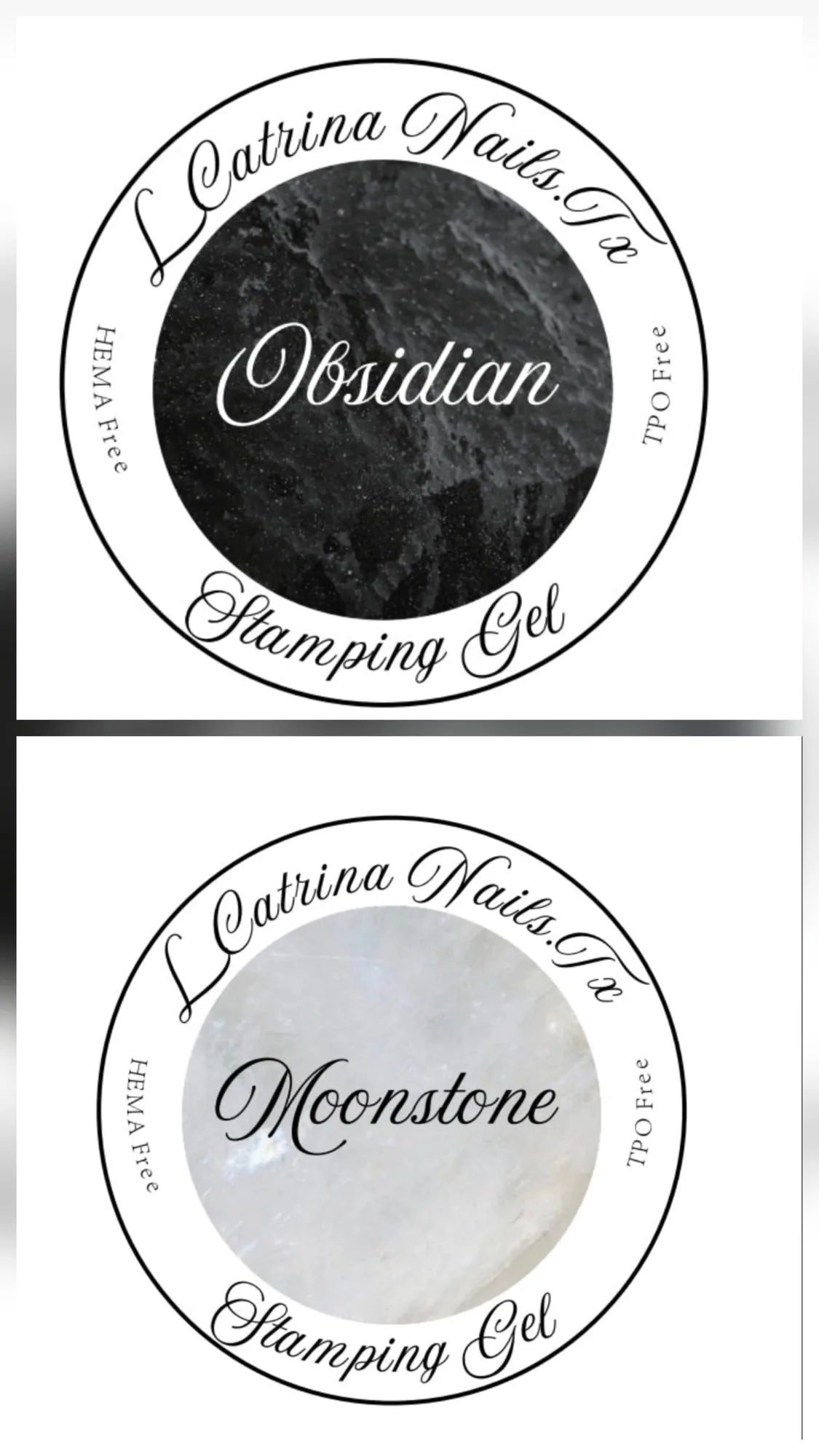
- Stamping Gel Duo~HEMA-Free and TPO Free Nail Stamping Gel polish: Obsidian and Moonstone stamping gels with ultra-pigmented jet black and an opaque milky white finish, both HEMA-Free and TPO-Free. Stamping gel touches the skin more often than color coats, so a HEMA-free, TPO-free stamping duo is a practical choice for detailed nail art.
Ingredient labels are a tool, not a verdict. HEMA, TPO, HPMA and TMPTA each play a specific role in gel polish, and the right choice depends on your own history and how carefully you apply and cure your gel. If you want to start with HEMA-free and TPO-free options, La Catrina Nails. TX carries color, stamping and builder formulas that let you build a consistent routine without guesswork.