Ginkgo biloba, one of the oldest living tree species, has been used for centuries in traditional medicine. Today, it's a popular supplement known for its potential to support memory, focus, and overall cognitive health. But to get the most out of this powerful herb, it's essential to know how to take it correctly. In this guide, we'll cover the optimal dosage, the best time to take it, and practical tips to maximize its benefits.
Whether you're new to ginkgo or looking to refine your current routine, understanding the nuances of supplementation can make a significant difference. From whether to take it with food to how long it takes to work, we've got you covered.
Understanding Ginkgo Biloba Dosage
The right dosage of ginkgo biloba can vary based on the form you choose and your individual health needs. Most clinical studies use doses ranging from 120 mg to 240 mg per day, often divided into two or three smaller doses. Standardized extracts, which contain 24% flavone glycosides and 6% terpene lactones, are the most common and are typically recommended for consistent results.
If you're using a capsule supplement, such as the ones available at Havasu Nutrition, it's crucial to check the label for the concentration of active compounds. A typical capsule might contain 120 mg of extract, which is a good starting point for most adults. For those new to ginkgo, starting with a lower dose and gradually increasing can help you assess tolerance and effectiveness.
- Start with 120 mg per day, split into two 60 mg doses if needed.
- Consult a healthcare provider if you're taking other medications or have underlying health conditions.
- Look for standardized extracts to ensure consistent potency.
When to Take Ginkgo Biloba: Timing Matters
Timing your ginkgo intake can influence how well you absorb it and how it affects your day. Many people prefer taking ginkgo in the morning or early afternoon to support mental clarity and focus throughout the day. Taking it too late in the evening might interfere with sleep for some individuals, as it can have a mild stimulating effect.
Consistency is key. Taking ginkgo at the same time each day helps maintain steady levels in your system. Some users find that splitting the daily dose—one in the morning and one at midday—provides a more sustained effect. If you're using a once-daily capsule, try to take it with breakfast to establish a routine.
- Morning or early afternoon is generally recommended.
- Avoid taking it close to bedtime if you're sensitive to stimulants.
- Set a daily reminder to stay consistent.
Should You Take Ginkgo with Food?
Taking ginkgo biloba with food can help reduce the risk of stomach upset, which some people experience when taking it on an empty stomach. A meal that contains some fat can also enhance absorption, as ginkgo's active compounds are fat-soluble. For example, taking your capsule with a meal that includes healthy fats like avocado or olive oil may improve bioavailability.
However, if you prefer taking supplements on an empty stomach, ginkgo is generally well-tolerated. Listen to your body—if you notice any gastrointestinal discomfort, try taking it with a light snack or meal. The key is to find what works best for you while maintaining consistency.
- Take with a meal containing healthy fats for better absorption.
- If you experience stomach upset, try taking it with food.
- Avoid taking with grapefruit juice, as it may interact with the supplement.
Building a Ginkgo Biloba Routine
To see the best results, it's important to incorporate ginkgo into a daily routine that supports your overall wellness. Many people combine ginkgo with other supplements that target cognitive health, such as Rhodiola Rosea Capsules, which can help manage stress and fatigue. However, always check for potential interactions and consult a healthcare professional if you're combining multiple supplements.
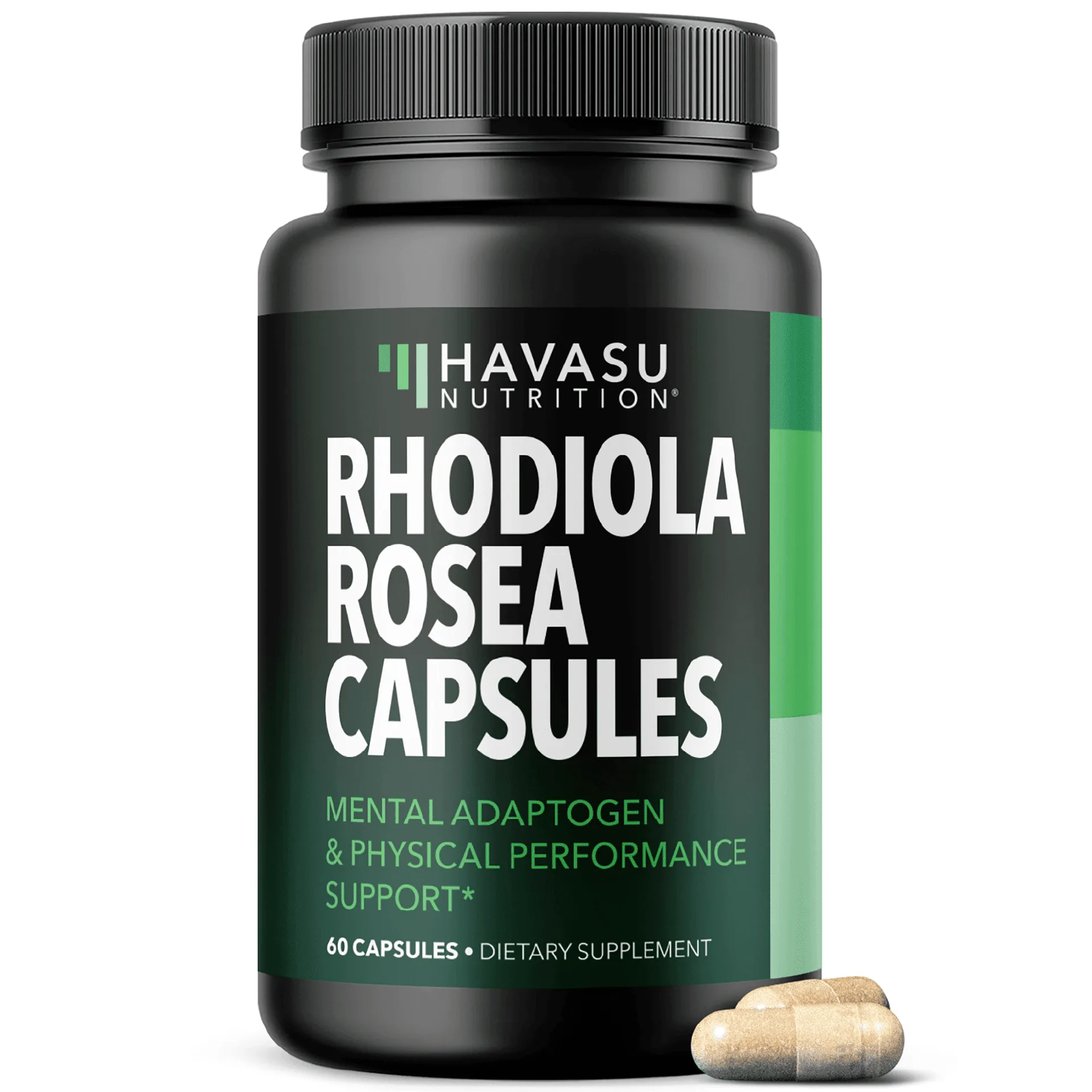
Rhodiola Rosea Capsules
Consistency over several weeks is often necessary to notice the full benefits of ginkgo. While some users report feeling more alert within a few days, others may need 4-6 weeks of regular use to experience significant changes. Keep a journal to track your focus, memory, and overall cognitive performance to gauge effectiveness.
- Pair ginkgo with a balanced diet and regular exercise for best results.
- Give it at least 4 weeks before evaluating its impact.
- Consider stacking with other brain-supporting supplements, but do your research first.
Taking ginkgo biloba correctly involves more than just swallowing a capsule. By choosing the right dosage, timing your intake, and being mindful of food interactions, you can enhance its potential benefits. Remember to be patient and consistent, as the full effects may take time to appear. If you're ready to start your ginkgo journey, consider exploring high-quality options like those available at Havasu Nutrition to support your cognitive wellness.