Quick answer
Pack sweaters as your base layer and jackets as your weather shield. For mild fall days, a soft cotton sweater or graphic tee plus joggers handles school and playground time. Add a jacket when mornings are cold, windy, or wet, and let your child shed the outer layer as the day warms up.
How to compare a sweater and a jacket for fall
Start with the job each piece does. A sweater or long-sleeve top traps warmth close to the body and works indoors and outdoors. A jacket blocks wind, light rain, and cold air, then comes off when your child runs around. For fall kids clothing, the smartest packing list includes both, but not in equal numbers.
Look at fabric weight and closures. Cotton jersey and French terry breathe well and layer smoothly under a jacket. A jacket with a full front opening is easier to take on and off during recess or a car ride. If you are choosing only one for a mild forecast, pick the sweater. If the forecast shows wind, rain, or temperatures that stay cool all day, pick the jacket and add a tee underneath.
Build a packable fall layer set that works for school and travel
A practical fall capsule for a girl usually needs three to five tops, two bottoms, one mid-layer, and one outer layer. Choose pieces that share colors so everything mixes. For travel, roll soft cotton items to save space and keep the jacket on top of the bag for easy access at the airport or on the walk to school.
Pack for the warmest part of the day, not the coldest. If the afternoon reaches mild temperatures, a heavy jacket becomes a burden your child carries. A lighter sweater plus a packable jacket gives you options. Check the school's lost-and-found policy before sending a favorite jacket, because outer layers are the most commonly misplaced items.
- Two short-sleeve or long-sleeve tees for mild afternoons
- One sweater or French terry layer for cool classrooms
- One jacket for wind, rain, or cold mornings
- Two pairs of pants or joggers that match every top
- One swimsuit or warm-weather extra if your trip includes a pool
When a sweater is the better pick
Sweaters and soft knit tops win when temperatures swing from cool morning to mild afternoon. They pack flat, layer under a jacket without bulk, and work for indoor settings like school, restaurants, and car rides. A graphic tee in soft cotton jersey with a classic crew neckline is a strong base layer because it adds personality without adding heat.
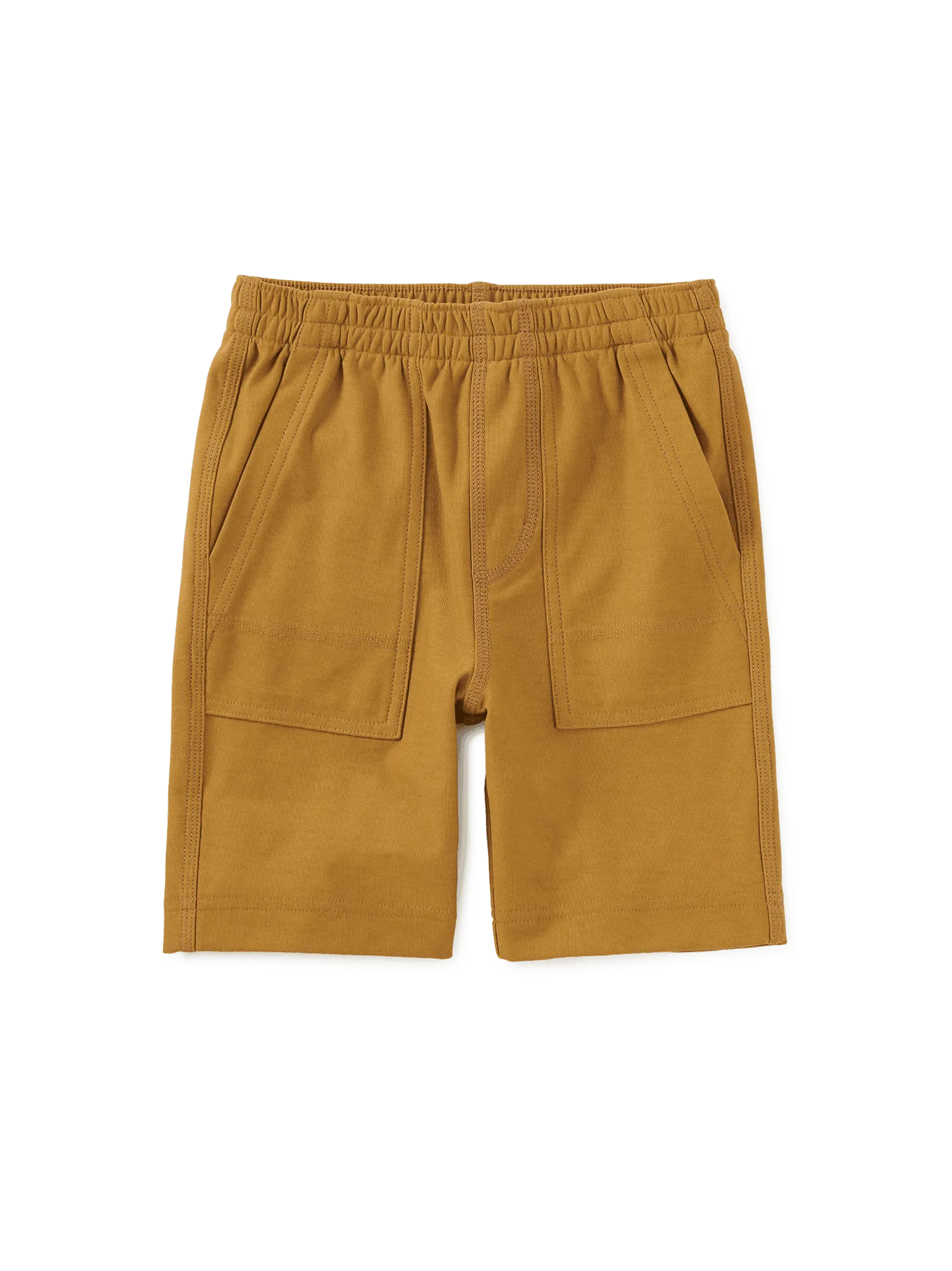
For playground days, pair a tee or light sweater with joggers that have an elastic waist and functional drawcord. That combination moves easily and dries faster than a heavy jacket. If your child runs hot, a sweater alone may be all they need until the first real cold snap.
When a jacket is the better pick
Choose a jacket when the day starts cold and stays cool, or when wind and rain are in the forecast. A jacket also helps on early morning school runs and evening activities when the sun drops. Look for a front zipper or snap closure your child can manage alone, and check that the sleeves allow a sweater underneath without pinching.
If your fall includes swim lessons or a warm-weather getaway, a jacket is not the only outer layer to consider. Swimwear like https://teacollectionqon.com/products/bikini-bottoms-blossom-26s12617-1fb82761d041fb2f94234f70-557976https://teacollectionqon.com/products/bikini-bottoms-orchid-ditsy-25m12610-0553fd6406dd451c5725f9bd-558185https://teacollectionqon.com/products/bikini-bottoms-watamu-tropical-floral-24s12622-c099ec7c87cd0082572117d7-558475bikini bottoms with UPF 50+ fabric and chlorine resistance handles the pool, while a jacket handles the walk there. Keep them separate so each piece does its job well.
Sweater vs jacket trade-offs at a glance
- Warmth without bulk: A cotton jersey tee or French terry jogger traps warmth close to the body and layers smoothly under a jacket. A jacket adds a wind and weather barrier but can feel heavy indoors. Choose the sweater layer for mild days; add the jacket only when the forecast demands it.
- Packability for travel: Soft knits roll small and flatten in a bag. Jackets take more space and are harder to compress, but they protect against unexpected rain or wind. Pack two or three knit layers for every one jacket.
- Independence for kids: A crew-neck tee or pull-on jogger is easy for a child to manage alone. A jacket with a full front opening lets them adjust as recess or the afternoon warms up. Practice zippers and snaps at home before the first cold school morning.
- Cost per wear: A graphic tee or twirl dress works across seasons and settings, while a jacket may only fit one cool season. Spend on the layers your child wears daily. Buy the base layers first, then add the outer layer in a size that allows a sweater underneath.
Girl fall clothing to compare
- Tie Shoulder Twirl Dress: Soft cotton jersey dress with adjustable shoulder ties, an elastic waist, patch pockets, and a skirt made for spinning, featuring an original block-print-inspired design by Barcelona-based illustrator Anna Martinez. A one-piece option that layers under a jacket on cool mornings and works alone on mild afternoons, so you pack fewer items.
- Going Places Joggers: Super-soft and lightweight 100% cotton French terry joggers with on-seam pockets and a fully functional interior drawcord, from the Turkish collection inspired by Istanbul's stray cats and flower gardens. Breathable enough for active fall days and easy to layer under a jacket without bulk, making them a strong base for school or travel.
- Parakeet And Petal Graphic Tee: Soft cotton jersey graphic tee with a classic crew neckline, standard everyday fit, and interior neck tape for durability, inspired by monk parakeets spotted in Spanish parks and city streets. A lightweight base layer that adds warmth under a sweater or jacket and works alone when the afternoon warms up.
Which should you pack?
Best for
- Mild fall days with cool mornings and warm afternoons
- School and indoor settings where a heavy jacket is too much
- Travel where you need to pack light and layer
- Kids who run hot and shed layers quickly
Not for
- Cold, windy, or rainy days that need a weatherproof outer layer
- Extended outdoor time when temperatures stay low all day
- Kids who refuse to wear a jacket and need one warm piece instead