Outdoor lighting is essential for safety, security, and aesthetics, but poorly designed lighting can create glare that is uncomfortable, wasteful, and even harmful to wildlife. Glare from outdoor fixtures can reduce visibility, create harsh shadows, and contribute to light pollution, obscuring the night sky. Fortunately, with a few thoughtful adjustments, you can enjoy beautifully lit outdoor spaces without the drawbacks.
In this guide, we'll explore practical tips for reducing glare from outdoor lighting, including proper placement, shielding, and choosing the right fixtures. Whether you're upgrading your porch, garden, or patio, these strategies will help you achieve a balanced, inviting, and dark-sky-friendly outdoor lighting scheme.
Understanding Glare: Why It Happens and Why It Matters
Glare occurs when a light source is too bright relative to the surrounding environment, causing discomfort and reducing visibility. In outdoor settings, common culprits include unshielded floodlights, poorly angled fixtures, and overly bright bulbs. Glare can be particularly problematic at night when our eyes are adapted to darkness, making even moderate light levels seem harsh.
Beyond discomfort, excessive glare can have real consequences. It can create safety hazards by casting deep shadows where intruders or obstacles might hide. It also contributes to light pollution, which disrupts ecosystems and obscures the stars. By reducing glare, you not only improve your own comfort but also do your part in preserving the night sky.
- Glare reduces visibility and can create unsafe conditions.
- Unshielded lights waste energy by emitting light upward and sideways.
- Dark-sky-friendly lighting minimizes light pollution and protects wildlife.
Strategic Placement: Aim Light Where It's Needed
One of the most effective ways to reduce glare is to carefully consider the placement and aiming of your outdoor lights. Instead of mounting fixtures high on walls and pointing them outward, aim them downward or at specific features like walkways, steps, or architectural details. This ensures light is directed where it's useful, not into your eyes or your neighbors' windows.
For example, when lighting a pathway, use low-level bollard lights or well-shielded fixtures that cast light downward. For security lighting, position motion-sensor lights so they illuminate the ground and entry points rather than blasting across the yard. By keeping light close to the ground and directed precisely, you can drastically reduce glare.
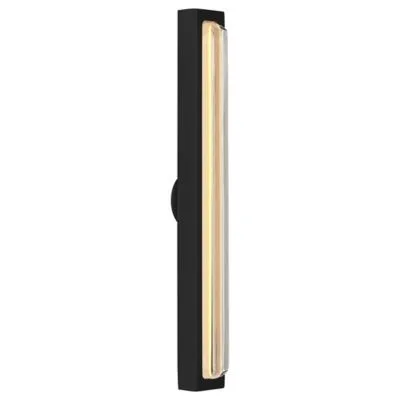
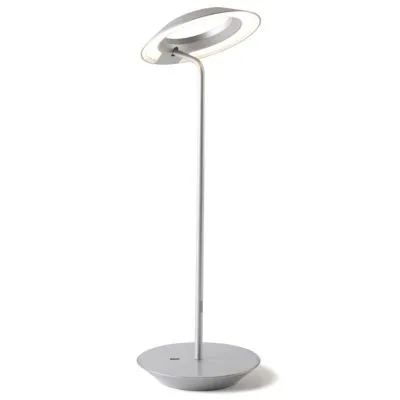
When installing wall sconces, consider fixtures like the Nyvahn Outdoor Wall Sconce, which can be positioned to cast light downward if properly aimed. Similarly, for ambient lighting on a patio, the Ginger LED Floor Lamp can be placed strategically to provide subtle illumination without harsh glare.
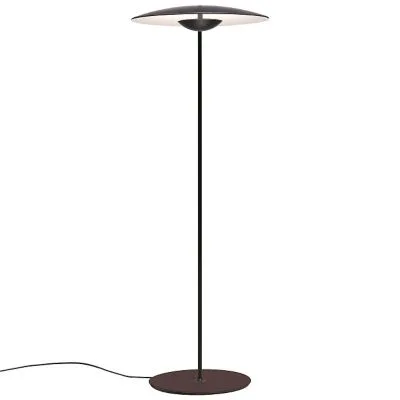
Ginger LED Floor Lamp
- Mount fixtures at lower heights and aim them downward.
- Use motion sensors to limit light to when it's needed.
- Direct light toward specific features, not open spaces.
Shielding and Dark-Sky-Friendly Fixtures
Shielding is the most direct way to control glare. A shielded fixture has an opaque cover that prevents light from escaping upward or sideways, directing it only where needed. Full cutoff fixtures, which emit no light above the horizontal plane, are the gold standard for dark-sky-friendly lighting. They reduce glare and light pollution while improving visibility.
When shopping for outdoor lighting, look for fixtures that are labeled as 'dark-sky' or 'full cutoff.' Many modern designs incorporate shielding seamlessly into their aesthetics. For instance, the Moeraki Pendant offers a sleek, contemporary design that can be used in covered outdoor areas, and its downward-facing shade helps control glare. Similarly, the Nelson Apple Bubble Pendant provides diffused light that softens brightness and reduces harsh shadows.
If you're replacing existing fixtures, consider upgrading to shielded versions. Even simple additions like adding a shield or visor to an existing light can make a significant difference.
- Choose full cutoff or dark-sky-rated fixtures.
- Use shades and visors to direct light.
- Replace unshielded floodlights with shielded alternatives.
Choosing the Right Bulbs and Color Temperature
The type of bulb you use also affects glare. High-intensity bulbs, such as some halogen or high-wattage LEDs, can be blinding. Instead, opt for lower-wattage LEDs with a warm color temperature (2700K-3000K). Warm light is less harsh on the eyes and creates a more inviting atmosphere than cool, blue-white light.
Additionally, consider using bulbs with a frosted or diffused finish, which spread light more evenly and reduce hot spots. Dimmers are another great tool—they allow you to adjust light levels to suit the time of night and reduce glare when full brightness isn't needed.
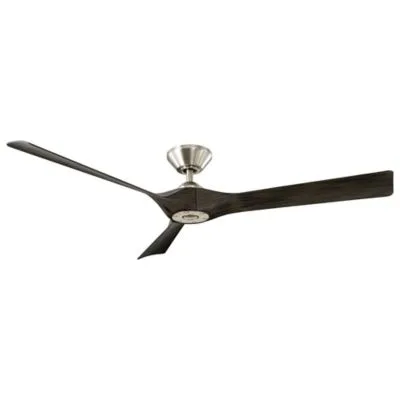
For many outdoor fixtures, you can simply swap in a dimmable LED bulb. And if you're installing new lighting, look for fixtures that are compatible with dimmers, such as the Seyra Smart Indoor/Outdoor Hugger LED Ceiling Fan, which includes a built-in LED light that can be adjusted to your preferred brightness.
- Use warm color temperatures (2700K-3000K) for outdoor lighting.
- Choose frosted or diffused bulbs to soften light.
- Install dimmers to control brightness as needed.
Embrace Dark Sky Lighting Principles
Dark sky lighting is a movement that encourages responsible outdoor lighting to reduce light pollution. The principles are simple: light only what needs to be lit, use the minimum amount of light necessary, and shield fixtures to prevent light from escaping upward. By following these principles, you can create a beautiful and functional outdoor space while protecting the night sky.
One of the easiest ways to embrace dark sky lighting is to use timers, motion sensors, and smart controls to ensure lights are only on when needed. This not only reduces glare but also saves energy and lowers your electric bill. Additionally, consider using reflective surfaces or lighter-colored materials to bounce light where you need it, rather than adding more fixtures.
When selecting new fixtures, prioritize those with dark-sky-friendly designs. The Circa LED Chandelier, for example, is an elegant choice for a covered porch or patio, and its design can be paired with downward-facing bulbs to minimize glare. Similarly, the Bola Sphere LED Globe Pendant offers a soft, diffused glow that adds ambiance without harsh brightness.
- Use timers and motion sensors to limit light usage.
- Choose fixtures with dark-sky certification.
- Reflect light with light-colored surfaces to reduce the need for extra fixtures.
Reducing glare from outdoor lighting is a win-win: it improves safety and comfort while also protecting the environment and the night sky. By implementing these tips—strategic placement, shielding, choosing the right bulbs, and embracing dark-sky principles—you can transform your outdoor spaces into inviting, glare-free havens. Ready to upgrade your outdoor lighting? Explore our collection of dark-sky-friendly fixtures, including the Nyvahn Outdoor Wall Sconce, and start enjoying a better-lit, more beautiful home today.