Baking gluten-free can feel like a science experiment, especially when a recipe calls for eggs or dairy and you need to make a swap. Whether you're vegan, lactose-intolerant, or simply out of ingredients, knowing how to substitute in gluten-free mixes is a game-changer. The right replacement can mean the difference between a dense brick and a fluffy, delicious treat.
At Moms Place Gluten Free, we understand that everyone's dietary needs are unique. That's why we've put together this guide to help you navigate egg and dairy substitutions in our mixes. From classic baking staples to creative alternatives, you'll learn how to adapt your favorite products without sacrificing taste or texture.
Understanding Egg Substitutes in Gluten-Free Baking
Eggs play multiple roles in baking: they bind ingredients, add moisture, and help with leavening. In gluten-free baking, where structure is often a challenge, eggs are especially important. But you can achieve similar results with the right substitutes.
For each egg, you can use a flax egg (1 tablespoon ground flaxseed mixed with 3 tablespoons water), a chia egg (same ratio), or commercial egg replacers. Applesauce or mashed banana also work for moisture, though they may add flavor. For a neutral option, try 1/4 cup carbonated water or a mixture of 1 tablespoon vinegar and 1 teaspoon baking soda.
- Flax or chia eggs work best for binding in cookie and muffin mixes.
- Applesauce adds moisture but may make baked goods denser.
- For light and airy results, use a commercial egg replacer specifically designed for baking.
Dairy-Free Swaps for Gluten-Free Mixes
Dairy in gluten-free mixes often comes from milk, butter, or buttermilk. Swapping these out is simpler than you might think. For milk, use equal parts almond, soy, oat, or coconut milk. For butter, use vegan butter sticks, coconut oil, or even applesauce for a lower-fat option.
When a mix calls for buttermilk, you can make a dairy-free version by adding 1 tablespoon of lemon juice or vinegar to a cup of plant-based milk. Let it sit for 5 minutes to thicken. This works beautifully in recipes like our Gluten-Free Corn Bread Mix, giving it that classic tang without the dairy.
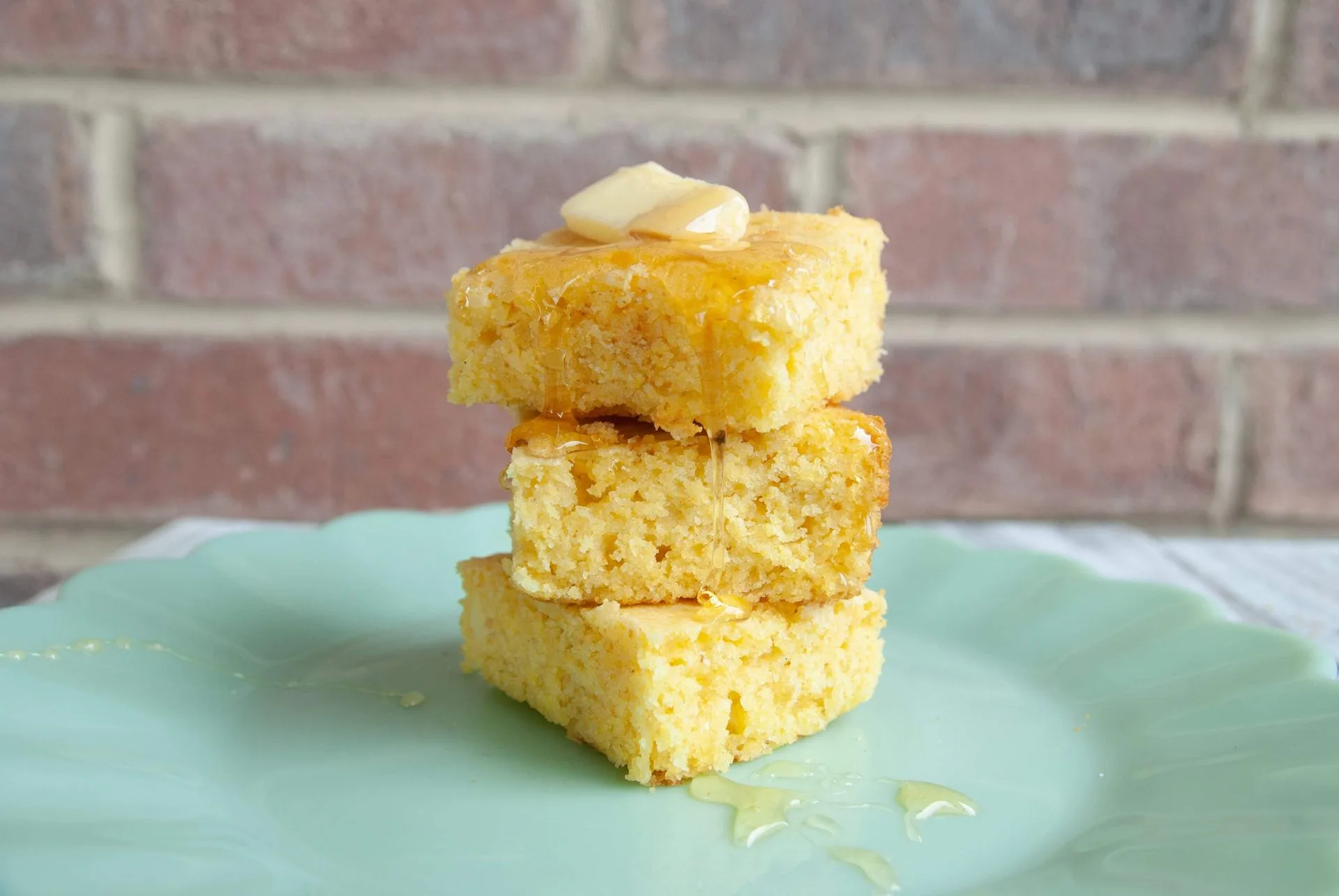
Gluten-Free Corn Bread Mix
- Coconut oil adds richness but may impart a slight coconut flavor.
- Oat milk is creamier and works well in most mixes.
- For a neutral taste, choose unsweetened almond milk.
Vegan Gluten-Free Baking: Combining Substitutions
Going fully vegan in gluten-free baking means replacing both eggs and dairy. The key is to balance moisture and binding. Start with a flax egg for binding, and use a plant-based milk and vegan butter for the fat. You may need to adjust baking time slightly, as vegan batters can be a bit more liquid.
Our "I Can't Believe These Aren't Wheat!" Gluten-Free Rolls or Bread Mix is a favorite for vegan bakers. With a simple swap of eggs for flax eggs and butter for vegan butter, you can create soft, fluffy rolls that everyone will love. Just be sure to let the dough rest as directed to allow the gluten-free flours to hydrate.
- Use a 1:1 ratio for plant-based milk in most mixes.
- Add an extra tablespoon of liquid if the batter seems too dry.
- Let the batter rest 10-15 minutes before baking to improve texture.
Creative Add-Ins to Enhance Your Gluten-Free Mixes
Substitutions aren't just about replacing—they're an opportunity to add flavor and nutrition. Mix in chocolate chips, nuts, dried fruit, or spices to personalize your baked goods. For a savory twist, add cheese or herbs to bread mixes.
For a fun breakfast or snack, try our Gluten-Free Mini Donut Cooker & Mix Kit. You can customize the batter with cinnamon, vanilla, or even a dairy-free glaze. The possibilities are endless when you know how to adapt.

Mini Donut Cooker
- Add a teaspoon of vanilla extract to enhance sweetness.
- Fold in dairy-free chocolate chips for a treat.
- For a protein boost, add a scoop of your favorite protein powder.
Tips for Perfect Results with Substitutions
When substituting in gluten-free mixes, always follow the package instructions for mixing and resting. Gluten-free flours need time to absorb liquids, so don't skip the resting step. Also, be mindful of oven temperature—some substitutions may require a slightly lower or higher baking temperature.
Keep a journal of what works for you. Since everyone's taste and dietary needs differ, your perfect combination might be unique. Start with small batches to test new substitutions before making a large batch.
- Use room-temperature ingredients for better blending.
- Don't overmix the batter—stir until just combined.
- Check for doneness with a toothpick; it should come out clean.
Substituting eggs and dairy in gluten-free baking opens up a world of possibilities. With these tips, you can confidently adapt any mix to fit your dietary needs. Explore our range of gluten-free mixes at Moms Place Gluten Free, and don't be afraid to experiment. Your perfect bake is just a swap away!