Navigating the grocery store aisles can feel like a minefield when you're gluten-free. With so many products claiming to be 'wheat-free' or 'made in a facility that processes wheat,' how do you know what's truly safe? Learning how to read labels is the most critical skill for anyone with celiac disease or gluten sensitivity. This guide will walk you through the essentials of gluten-free label reading, from understanding certifications to spotting hidden sources of gluten.
At Gluten-Free Mom's Place, we believe that everyone deserves delicious food without worry. Our mixes are crafted with care, but we also want to empower you to make informed choices wherever you shop. Whether you're new to the gluten-free lifestyle or a seasoned pro, these tips will help you confidently identify safe products every time.
Understanding Gluten-Free Labels
The first step in gluten-free label reading is knowing what the term 'gluten-free' actually means. In the United States, the FDA regulates that any product labeled 'gluten-free' must contain less than 20 parts per million (ppm) of gluten. This threshold is considered safe for most people with celiac disease. However, not all products that are gluten-free carry this label, so it's essential to check the ingredient list and allergen statements.
Look for labels that say 'gluten-free' prominently on the front of the package. This is a quick indicator, but always double-check the back for any 'may contain' warnings. Some products are naturally gluten-free, like our Gluten-Free Cream of Celery Soup Mix, but they might be processed in facilities that handle gluten. The label will usually disclose this, so you can decide based on your level of sensitivity.
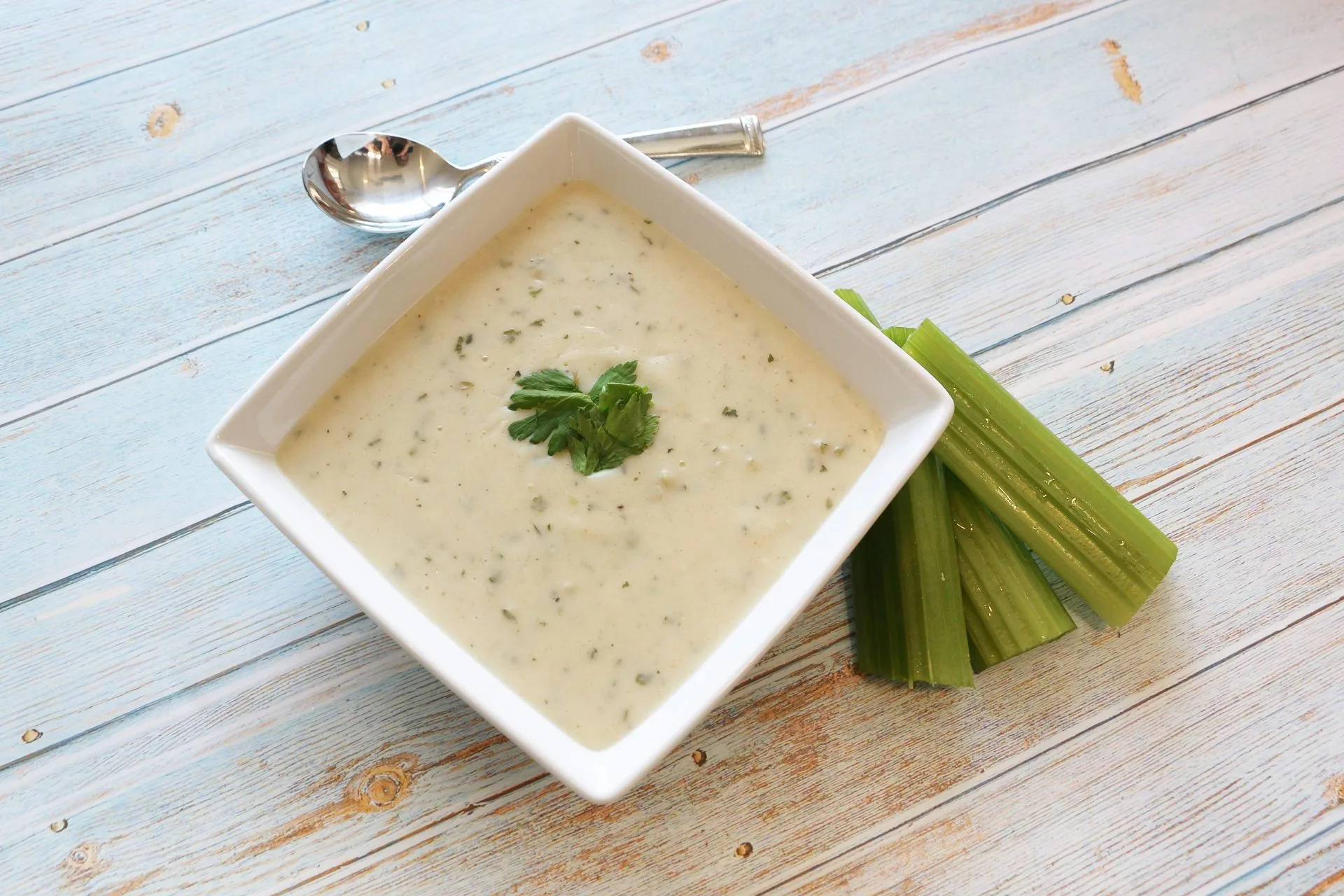
Gluten-Free Cream of Celery Soup Mix
- Always check the 'contains' statement for wheat, barley, rye, or oats (unless certified gluten-free).
- Look for 'gluten-free' on the front label, but verify with the ingredient list.
Certifications: What Do They Mean?
Certifications like the Gluten-Free Certification Organization (GFCO) provide an extra layer of assurance. The GFCO requires products to contain less than 10 ppm of gluten, which is stricter than the FDA standard. When you see a certification logo, you know the product has undergone rigorous testing and facility inspections. This is especially important for those with high sensitivity.
At Gluten-Free Mom's Place, we take safety seriously. Our mixes are produced in a dedicated gluten-free facility, and we use high-quality ingredients that are tested to ensure they meet strict standards. For example, our Mom's Gluten-Free Flour Blend is a versatile staple that you can trust for all your baking needs, from cookies to breads.
- Look for logos like GFCO, Celiac Support Association (CSA), or the Certified Gluten-Free mark.
- Research the certification to understand its testing standards.
Hidden Sources of Gluten in Mixes
Gluten can hide in unexpected places, even in products that seem safe. Thickeners, flavorings, and even natural flavors can contain gluten. For example, maltodextrin is usually gluten-free, but malt flavoring is not. Always read the full ingredient list, and be wary of vague terms like 'spices' or 'natural flavors' if you're highly sensitive.
Our Gluten-Free Creamy Chicken & Rice Soup Mix is a great example of a product that's clearly labeled and safe. We list every ingredient transparently, so you know exactly what you're getting. When in doubt, contact the manufacturer directly. Reputable brands like ours are happy to answer questions about their sourcing and manufacturing processes.
- Watch out for 'malt' (from barley) in flavorings and cereals.
- Be cautious with 'soy sauce' which often contains wheat.
- Check for 'modified food starch' – it's usually from corn, but could be wheat.
How to Identify Safe Products: A Step-by-Step Guide
Start by checking the front of the package for a gluten-free label. If you see one, proceed to the ingredient list. Look for any obvious sources of gluten like wheat, barley, rye, or triticale. Then, check the allergen statement for any 'may contain' warnings. Finally, look for certifications that add extra assurance.
For mixes, it's also important to consider the preparation process. Some mixes might be gluten-free, but if they require adding ingredients that contain gluten, the final product won't be safe. Our Simple! Gluten-Free Graham Cracker Crust Mix is a one-step mix that only requires butter and sugar, so you can be sure the final crust is gluten-free. This simplicity is why many families choose our mixes for their allergen-friendly needs.
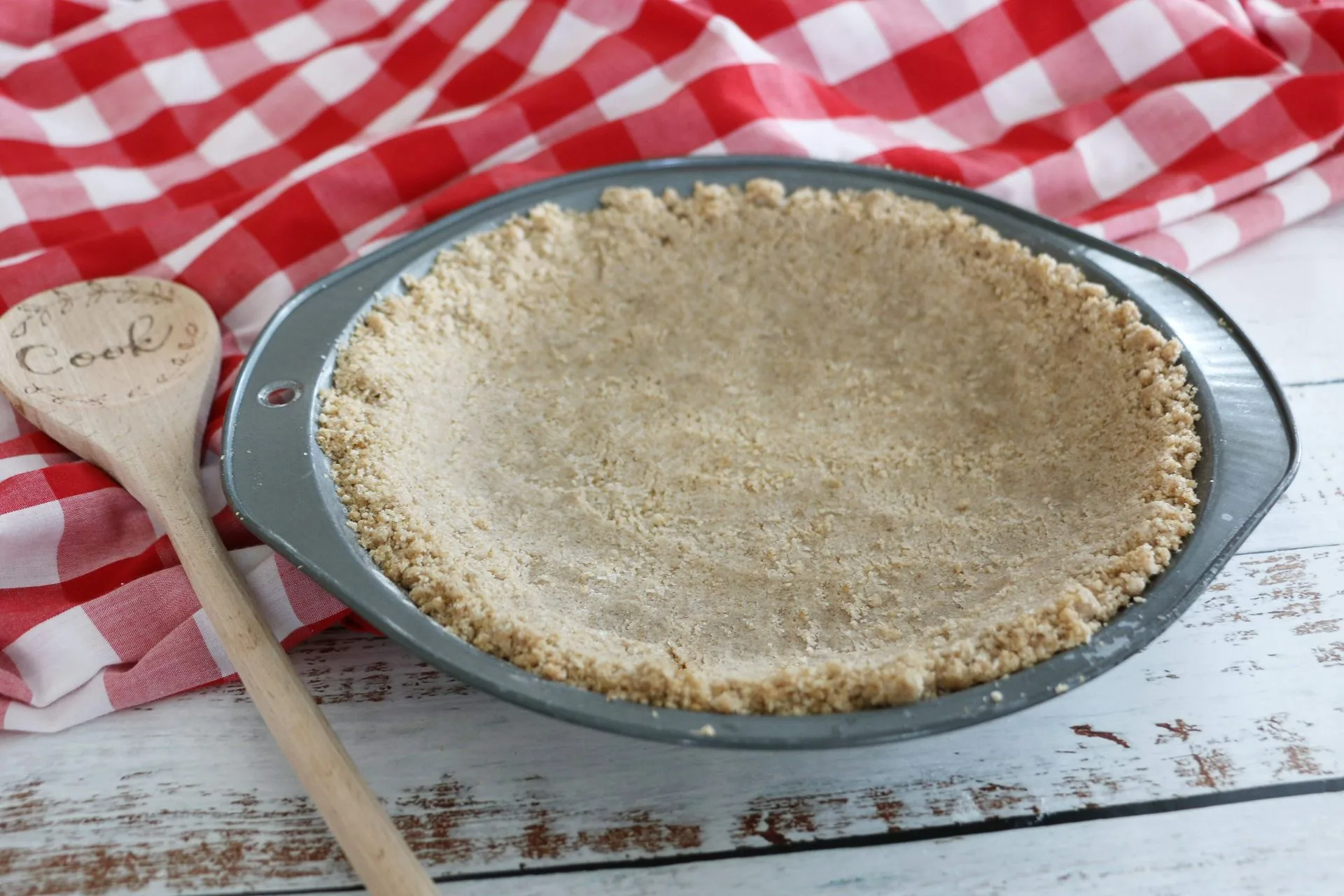
Simple! Gluten-Free Graham Cracker Crust Mix
- Step 1: Check for 'gluten-free' on the front.
- Step 2: Scan the ingredient list for hidden gluten.
- Step 3: Review allergen statements.
- Step 4: Look for certifications.
- Step 5: Contact the manufacturer if unsure.
Trustworthy Brands and Dedicated Facilities
One of the best ways to ensure safety is to choose brands that specialize in gluten-free products. Companies like Gluten-Free Mom's Place operate dedicated facilities, meaning there's no cross-contamination risk from wheat. We also offer a wide range of products, from breakfast to desserts, so you can shop with confidence.
For example, our Gluten-Free Corn Bread & Chili Seasoning Combo Mix is a family favorite that's clearly labeled and safe. When you buy from a dedicated brand, you reduce the guesswork. Plus, you'll find that the taste and texture are just as good as – if not better than – conventional mixes.
- Seek out brands that are 100% gluten-free.
- Read reviews from other gluten-free consumers.
- Check if the company offers allergen information online.
Reading labels is a skill that gets easier with practice. By understanding certifications, spotting hidden gluten, and choosing dedicated brands, you can enjoy a worry-free gluten-free lifestyle. At Gluten-Free Mom's Place, we're committed to providing safe, delicious mixes that take the guesswork out of mealtime. Explore our selection of gluten-free mixes and discover your new favorites today.