Quick Answer
For busy mornings, a gluten-free pancake or waffle mix wins on speed and consistency. If you love customizing flavors and controlling every ingredient, homemade batter offers flexibility. The right choice depends on your time, texture preferences, and how often you cook.
Breakfast is the most important meal, but when you're gluten-free, it can also be the most time-consuming. From measuring flours to balancing starches, making pancakes from scratch can eat up your morning. Gluten-free mixes promise simplicity, but do they deliver the same fluffy results as homemade batter?
We compared the two approaches to help you decide. We'll look at convenience, texture, ingredient control, and cost—so you can choose the best path to a satisfying stack.
Convenience and Prep Time
Gluten-free mixes are designed to simplify your morning. Just add wet ingredients like eggs, oil, and water or milk, and you're minutes away from batter. There's no need to measure multiple flours or remember the right ratios. That saves time and reduces the chance of a gummy or crumbly result.
Homemade batter, on the other hand, requires measuring several gluten-free flours and starches, plus leaveners and binders like xanthan gum. If you don't have a go-to recipe, you might spend time researching and testing. Even with a good recipe, cleanup takes longer. However, you can adjust the flour blend to suit your taste or dietary needs beyond gluten.
- Keep a mix on hand for quick weekday breakfasts.
- If you bake often, consider making a large batch of your own dry mix to store.
Texture and Flavor Consistency
Gluten-free pancake and waffle mixes are formulated to produce a consistent texture. They often include a blend of rice flour, potato starch, and tapioca flour to mimic the chew of wheat. This means you can expect reliable fluffiness and browning every time—no guesswork.
Homemade batter lets you control the exact texture. Want extra-crispy waffles? Add more starch. Prefer a denser pancake? Use more almond flour. But this control requires experience. Without proper ratios, you might end up with pancakes that are too dry, too crumbly, or that stick to the pan. Mixes remove that trial and error.
- For consistent results, follow the package instructions exactly.
- If experimenting, start with a small batch to test texture.
Ingredient Control and Allergen Safety
Homemade batter gives you total control over ingredients. You can avoid soy, dairy, nuts, or other allergens beyond gluten. You choose the sweetener, the fat, and any add-ins like blueberries or chocolate chips. This is valuable if you have multiple food sensitivities or prefer organic ingredients.
Gluten-free mixes are convenient, but you must read labels carefully. Many mixes contain dairy, soy, or nuts. However, brands like Mom's Place focus on allergen-friendly options. Their mixes are made in a dedicated facility that avoids common allergens, so you get safety without the effort. Always check the label to ensure it meets your specific needs.
- If you have multiple allergies, verify the mix's allergen statement.
- Homemade allows you to control every ingredient but requires careful sourcing.
Cost and Shelf Life
Pre-made mixes are generally more expensive per serving than homemade batter, especially if you buy specialty gluten-free blends. However, they are shelf-stable and ready when you need them, reducing food waste from unused flours that might go stale.
Homemade batter costs less if you already stock gluten-free flours. But those flours have a shorter shelf life and may need refrigeration. If you only make pancakes occasionally, a mix might be more cost-effective because you buy just what you need.
- Compare the cost per serving of mix vs. buying individual flours.
- Store homemade flour blends in airtight containers to extend freshness.
Trade-Offs at a Glance
- Convenience: Mixes save time and reduce cleanup. Homemade requires more prep and measuring. Choose mix for busy mornings.
- Texture: Mixes offer consistent fluffiness. Homemade allows custom texture but risks failure. Choose mix for reliable results.
- Ingredients: Homemade gives full control. Mixes require label reading but offer allergen-friendly options. Choose homemade for strict dietary needs.
Related Products from Mom's Place
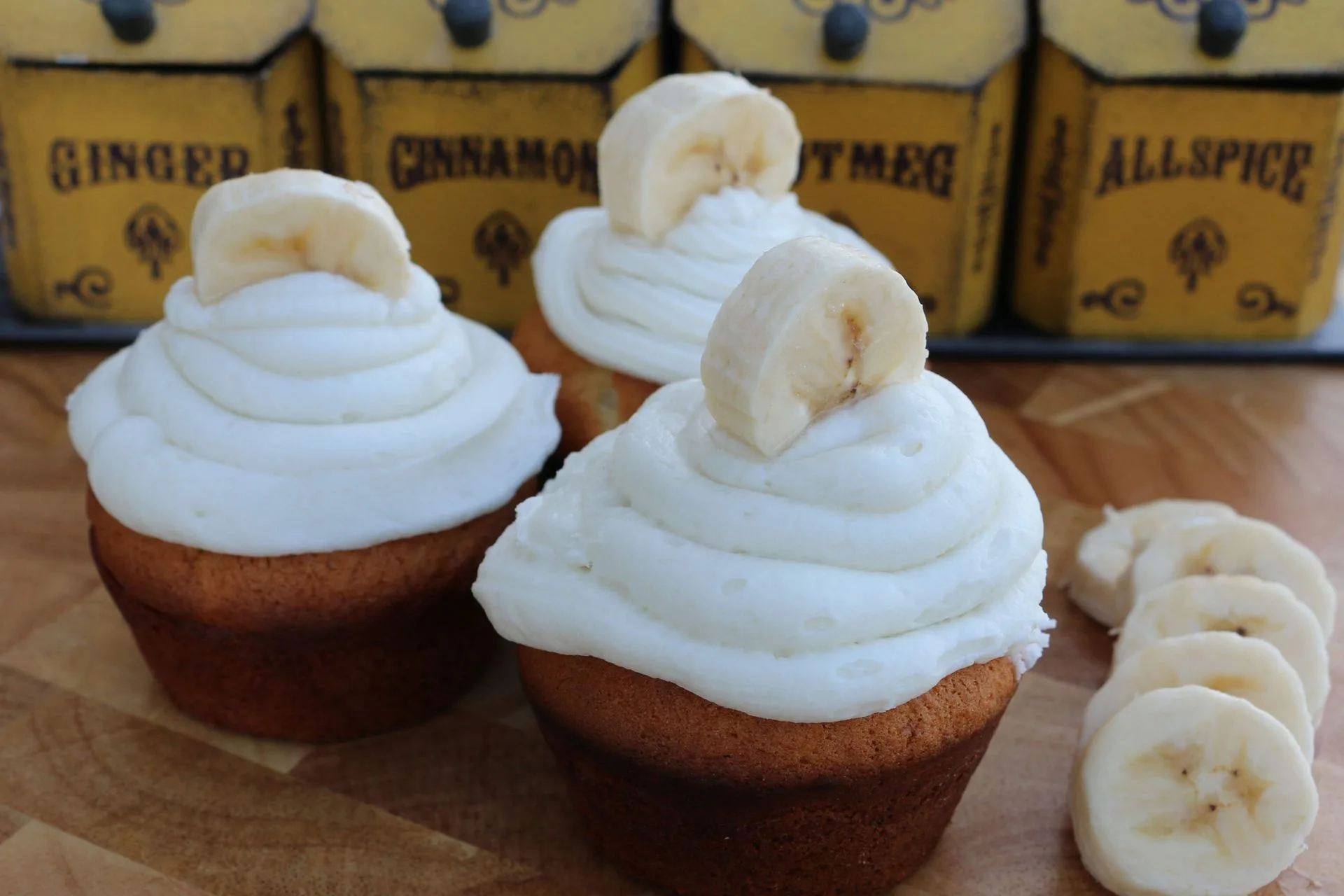
- Gluten-Free Banana Bread or Muffin Mix: Mom's Place Gluten-Free Banana Bread or Muffin Mix creates a soft, moist, delicious AND gluten-free treat! With a hint of cinnamon, this sweet bread is delightfully flavorful and is sure to be loved by the whole family! Makes 12 muffins or one 9" x 5" loaf. While not a pancake mix, this versatile mix lets you bake muffins or bread quickly, giving you another easy breakfast option. The cinnamon flavor adds warmth without extra work.
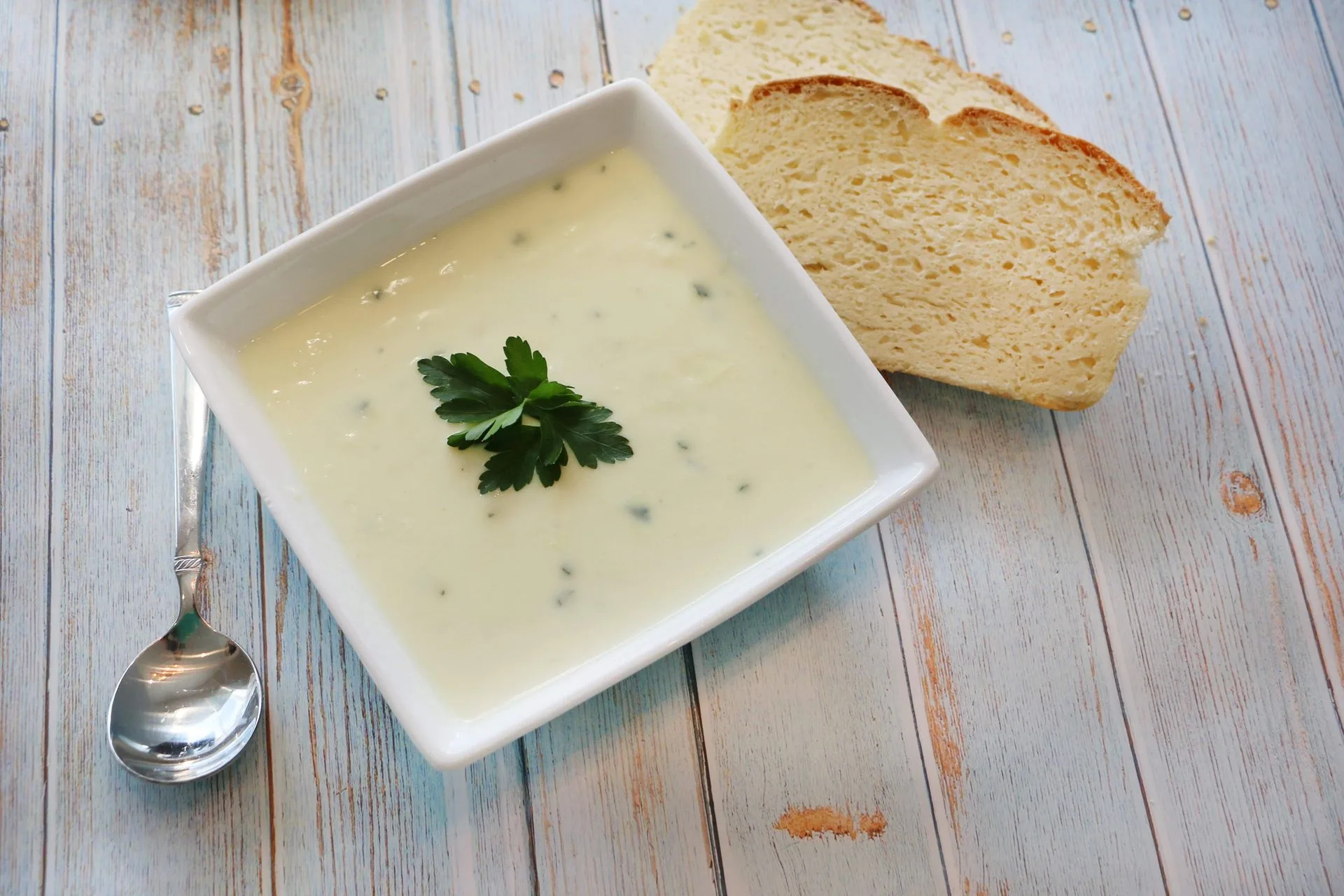
- Gluten-Free Cream of Chicken Soup Mix: Mom’s Place Gluten-Free Cream of Chicken Soup Mix is delicious as a stand-alone soup or will create the perfect base for any recipe! This mix provides options to make condensed soup or prepared soup. If you're comparing convenience across meals, this soup mix shows how gluten-free mixes extend beyond breakfast. Having a pantry of reliable mixes simplifies weeknight cooking too.
How to Choose
Best for
- Busy families who want quick, consistent gluten-free breakfasts.
- People with multiple allergies who need reliable, allergen-friendly mixes.
Not for
- Bakers who love experimenting with custom flour blends and flavors.
Both gluten-free pancake and waffle mixes and homemade batter have their place. Mixes offer convenience and consistency, making them perfect for busy mornings or novice bakers. Homemade batter gives you creative freedom and total ingredient control. Consider your time, skill level, and dietary needs to choose what works best for your kitchen. Whichever you pick, you can enjoy a delicious gluten-free breakfast.