Quick answer
Wear a leather or leather-look belt with a clean, simple buckle, in a color that matches your shoes, and tuck your shirt in. That combination passes the golf belt dress code at nearly every public course and most private clubs. If you're playing a private club, call the pro shop first, because a few still ban large buckles, logos, and webbed belts.
What most courses actually enforce
Public and municipal courses usually publish a short dress code: collared shirt, no denim, shirt tucked in, and a belt. The belt requirement exists mostly so the shirt stays tucked, which is why an attendant rarely inspects the buckle. Private clubs go further and list specifics such as no cargo shorts, no athletic wear, and hats off indoors. Some also restrict belt style, which is the rule players miss most often.
The practical takeaway: a plain belt in good condition clears almost every checkpoint. A novelty buckle or a frayed strap is what gets noticed at the bag drop.
Match the belt to the course, not just the outfit
Think in three tiers. Muni and daily-fee courses: any clean belt works, including a webbed or ratchet belt. Resort and semi-private courses: leather or leather-look with a modest buckle. Private clubs: smooth leather, subtle hardware, no visible branding. If you only own one golf belt, choose the middle tier, since it reads as appropriate everywhere.
Color matters more than brand. Brown belt with brown shoes, black with black. A brown belt with black shoes is the single most common dress code slip at clubs that care about appearance.
Why ratchet belts suit golf specifically
A ratchet belt has no holes and adjusts in small increments, so you can loosen it a notch after the turn without undoing anything. That matters on a course where you swing 40-plus times and sit in a cart between shots. The tradeoff is the buckle: some ratchet buckles are larger than a traditional prong buckle, so check the dimensions before wearing one to a strict private club.
For kids, the same mechanism helps because the strap can be trimmed and the fit stays put through a growth spurt, which is why a narrower kids' strap is worth considering if your junior player is between sizes.
Check your belt before you leave the house
Run through this in 30 seconds: strap not cracked or curling at the tip, buckle not scratched or oversized, color matching your shoes, shirt tucked, and no visible logo on the buckle. If you're heading to a private club and you're unsure, put a spare plain belt in your bag. Pro shops sell belts, but they sell them at pro shop prices.
How to choose a golf belt that passes the dress code
- Check the course's published dress code: Look on the course website or confirmation email for the words belt, denim, and collar. Private clubs often list belt restrictions separately from shirt rules. If the code doesn't mention belts, a plain leather or leather-look belt is the safe default.
- Match belt color to your shoes: Brown with brown, black with black. This one rule resolves most dress code questions before you even look at the buckle. Common mistake: wearing a brown belt with black shoes because the buckle matched.
- Choose a buckle that stays quiet: A brushed or matte finish in a moderate size blends in. Oversized buckles, bright logos, and novelty shapes draw attention at clubs that enforce appearance rules. Checkpoint: if the buckle is wider than your palm, leave it home for private clubs.
- Pick a strap width that fits your build and shirt: A 1 3/8" strap is the standard dress width and works with most golf shorts and trousers. Narrower straps suit juniors and slimmer frames. When in doubt, 1 3/8" is the safest width for adult players.
- Tuck the shirt and test the fit before you leave: Buckle the belt at your usual setting, then sit down and take a practice swing. If it digs in, adjust before you arrive, not on the first tee. A ratchet belt makes this easy because you can fine-tune without a hole punch.
- Carry a backup if you're unsure: A plain belt rolled in your bag costs nothing and saves a pro shop purchase if the club turns out to be stricter than expected. Next step: if you play both public and private courses, keep one understated belt dedicated to club rounds.
Belts that meet common dress codes
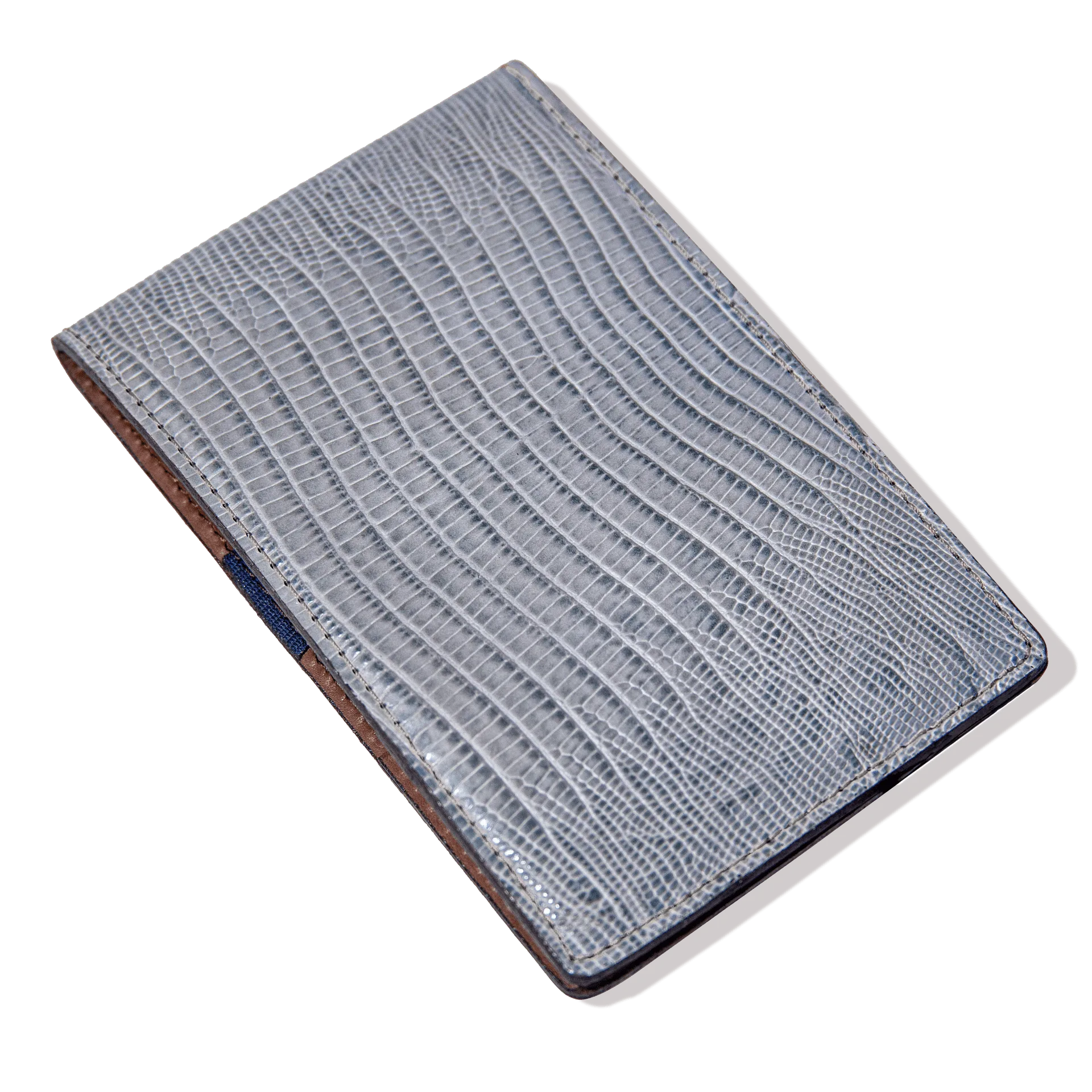
- Cayman Brown & Tan V2 Ratchet Belt 1 3/8" Strap [35mm]: Cayman Brown & Tan V2 Ratchet Belt, 1 3/8" (35mm) strap, mock caiman embossed leather, made in the USA, with a lightweight aerospace-grade aluminum push-button buckle. The 35mm width and exotic-look leather read as dressy enough for a private club, while the push-button buckle lets you adjust mid-round without a prong and hole.
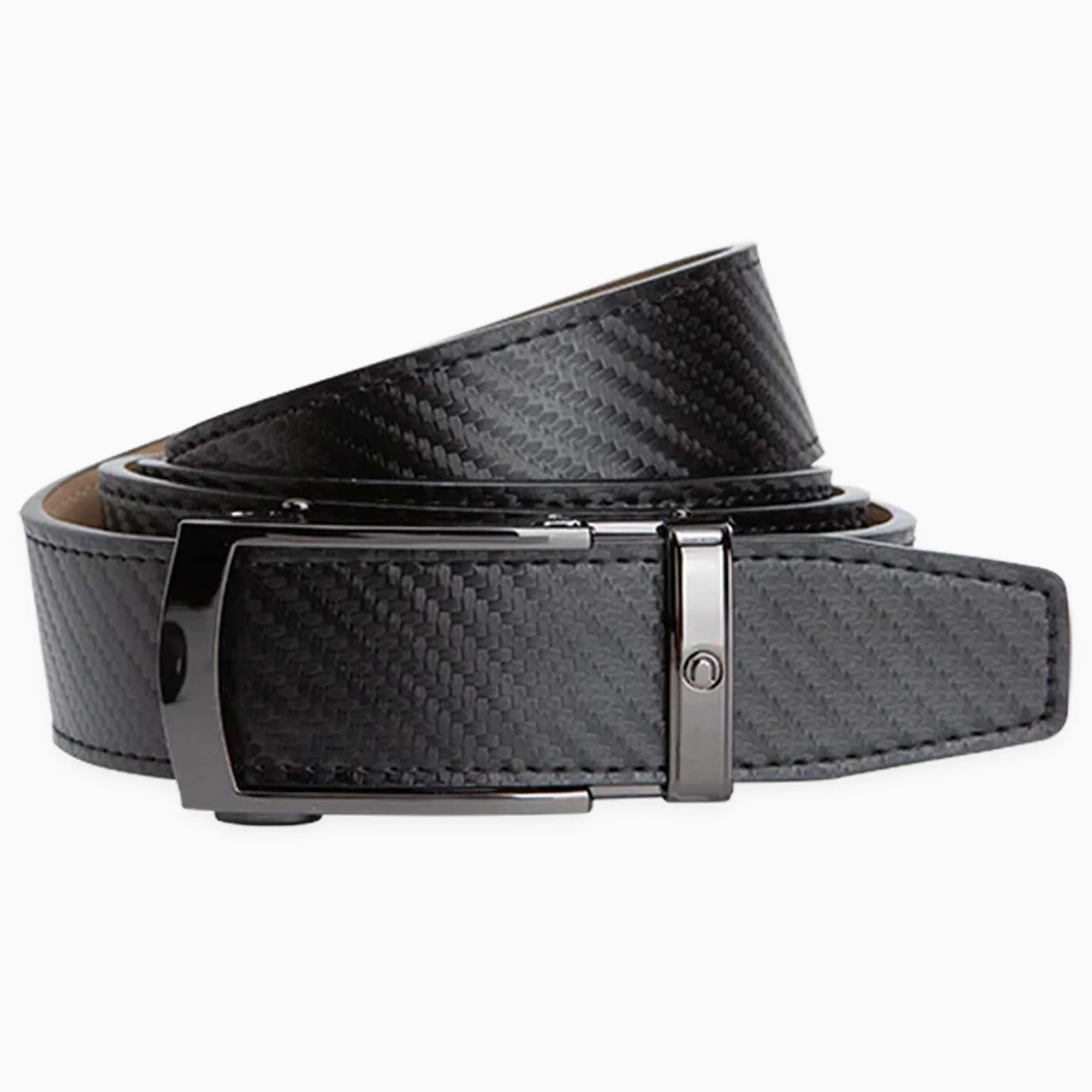
- Vetica Carbon Black, 1 3/8" Strap, Dress Ratchet Belt: Vetica Carbon Black, 1 3/8" strap, dress ratchet belt with a brushed gunmetal buckle, carbon fiber embossed motif, and a fit up to a 45" waist. Its subtle, low-branding look and black color make it a safe pick for clubs that restrict flashy hardware, and it pairs with black shoes for a matching setup.
- Kid's White Golf Ratchet Belt 1.125" [29mm]: Kid's White Golf Ratchet Belt, 1.125" (29mm) strap, white smooth vegan leather with white stitching, PreciseFit up to a 35" waist, and a Go-In buckle with a ball marker. The narrower strap is proportioned for juniors and the ball marker is a practical extra, but the white color is a casual choice, so it suits public and resort courses rather than formal private clubs.
![Cayman Brown & Tan V2 Ratchet Belt 1 3/8" Strap [35mm]](https://xilands.com/api/media/sync/f6/f6e7094885289a3ca9c3f1f110d1c68e0be78afc9ed5d3d4ef0baad79157a9e5.webp)
![Kid's White Golf Ratchet Belt 1.125" [29mm]](https://xilands.com/api/media/sync/89/89c91d5a962d4603e96fd400a5ca8c912f3fa4d89dda87333e23b7a2c775ba11.webp)


