Quick Answer
Graphic Novel Adventures replace boards and pieces with a book that you read and make choices in, offering a solo-friendly, story-driven experience. Traditional board games bring social interaction, physical components, and often more replayability. Choose Graphic Novel Adventures for immersive narratives and easy setup; opt for board games if you crave tabletop tactics and group play.
When you're deciding what to play next, the choice between a graphic novel adventure and a traditional board game can be puzzling. Both offer fun, but they deliver very different experiences. Graphic novel adventures are essentially interactive books where you become the protagonist and your decisions guide the story. Traditional board games, on the other hand, usually involve a board, pieces, and multiple players competing or cooperating.
This comparison breaks down the key differences—from setup time to player interaction—so you can pick the right option for your mood, group size, and gaming style. We'll also look at specific Van Ryder Games titles to illustrate what each format offers.
Gameplay and Storytelling
Graphic novel adventures focus on narrative. You read panels, make choices, and follow branching paths. For instance, in Loup Garou, you play a young werewolf trying to control your powers and solve mysteries in the town of Whitehorn. The story unfolds based on your decisions, and you might need to replay to see all outcomes. This is a far cry from a board game where the 'story' is often generated by mechanics and player actions.
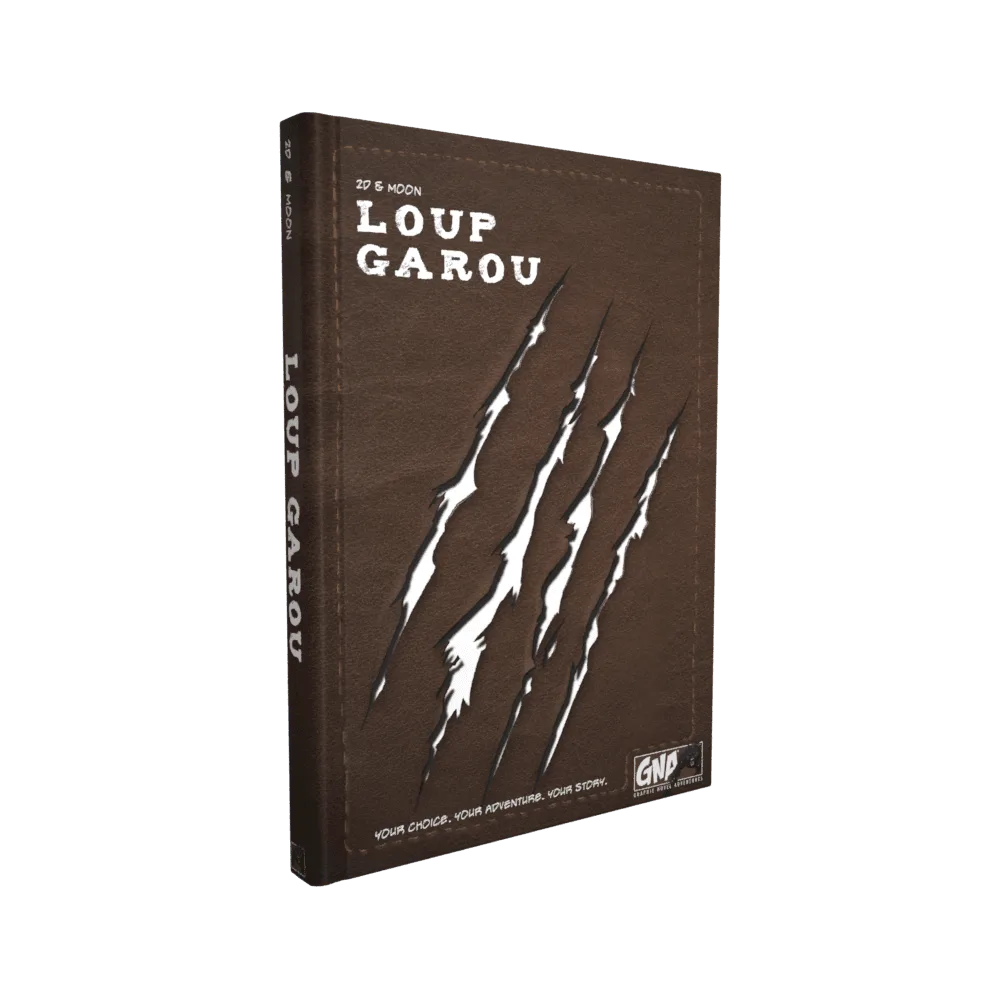
Loup Garou
Traditional board games like Saloon Tycoon are about strategy and resource management. In Saloon Tycoon, you build a saloon in the old west by earning gold, playing cards, and constructing buildings to gain reputation points. The narrative is light; the focus is on outsmarting opponents. If you love rich storytelling and character development, graphic novel adventures shine. If you prefer tactical challenges and direct competition, board games are a better fit.
- Graphic novel adventures are solo-friendly and reading-based.
- Board games often support multiple players and involve physical interaction.
Setup and Playtime
One of the biggest differences is setup. Graphic novel adventures require nothing more than a book and maybe a pencil. You can start playing almost instantly. This makes them perfect for travel, waiting rooms, or a quiet evening alone. In contrast, many board games involve laying out boards, sorting tokens, and shuffling cards—which can take time and table space.
Playtime also varies. A graphic novel adventure can be played in one sitting or over several sessions, depending on how far you get. Board games often have a fixed playtime, like Saloon Tycoon, which might last an hour or more. For quick, flexible gaming, graphic novel adventures are convenient. For a dedicated game night with a group, a board game provides a more structured experience.
- Graphic novel adventures need almost no setup.
- Board games require more table space and preparation.
Replayability and Collection Value
Replayability is a key consideration. Graphic novel adventures can be replayed to explore different choices and endings, but once you've seen all paths, the surprises diminish. However, the series offers many volumes, such as Sherlock Holmes: Darkness Over London and Lilly Van Helsing, each with unique mysteries. You can also collect seasons, like the Graphic Novel Adventures Season 4 set, which includes multiple titles in one package.
Traditional board games often have high replayability due to variable setups and player interactions. Saloon Tycoon, for example, changes with each game as players build differently. If you want a game you can play hundreds of times with friends, a board game might be more cost-effective. But if you enjoy a curated story and collecting a series, graphic novel adventures offer a different kind of value.
- Graphic novel adventures are great for collectors who enjoy series.
- Board games often provide more varied replay value.
Trade-offs at a Glance
- Story Depth vs. Strategy: Graphic novel adventures offer deep, branching narratives. Traditional board games emphasize tactical decisions and resource management. Pick a graphic novel adventure for a story-rich experience; choose a board game for strategic challenges.
- Setup Time: Graphic novel adventures require almost no setup—just open the book. Board games often need time to set up boards and components. If you want to jump right in, go with a graphic novel adventure.
- Player Count and Social Interaction: Graphic novel adventures are typically solo experiences, though you can read together. Board games usually shine with 2+ players and offer direct interaction. For a group game night, a board game like Saloon Tycoon is better; for solo play, a graphic novel adventure is ideal.
Products Mentioned
- Loup Garou: Loup Garou means Werewolf (it's French). You've been bitten and you are now a young werewolf. You'll have to learn to control your powers if you are going to find your master and solve the mysterious events going on in the town of Whitehorn. This illustrates the immersive narrative and character role-playing you get in a graphic novel adventure, where you directly influence the story.
- Saloon Tycoon 2nd Edition: Saloon Tycoon is a tile-laying game where you build a Saloon in the old west! Throughout the game players will be earning gold, playing cards, building their Saloon and more! The player with the most reputation points at the end of the game wins. This shows the mechanical and competitive nature of a traditional board game, focusing on strategy and player interaction.
Which Should You Choose?
Best for
- Solo gamers who love immersive stories and making choices.
- Readers who enjoy graphic novels and want an interactive twist.
Not for
- Groups seeking competitive, social gameplay with lots of player interaction.
- Players who prefer mechanics-heavy strategy over narrative.
Both graphic novel adventures and traditional board games have their strengths. If you're drawn to rich narratives and easy solo play, pick up a title like Loup Garou or Lilly Van Helsing. If you love strategy and group competition, Saloon Tycoon offers a classic board game experience. Consider what you value most—story or strategy—and you'll find the perfect fit for your next gaming session.