Quick answer
Greenies and other dental chews both rely on chewing action to scrub teeth, but they differ in texture, shape, and how much time your dog spends working on them. For most dogs, the better pick is the one your dog chews long enough to matter and that fits their size and chew style. If your dog gulps treats or has heavy tartar, pair chews with brushing or a veterinary dental check rather than relying on any single treat.
Dental treats are not a substitute for brushing, but the right chew can add daily friction where plaque likes to sit. The real question is not which brand wins on a label—it is which texture and shape your dog will actually work on long enough to help.
This comparison looks at Greenies-style dental chews against other dental chews for dogs using observable traits: flexibility, shape, how they wear down, and how they fit into a daily routine. It also covers when a dental chew is the wrong tool and what to do instead.
What dental chews actually do
Dental chews work by mechanical abrasion. As a dog bites and works the chew toward the back teeth, the surface rubs against plaque and can help disrupt early tartar. The effect depends on chew time, texture, and whether the chew reaches the gumline and the outer surfaces of the molars. A chew that disappears in seconds does very little.
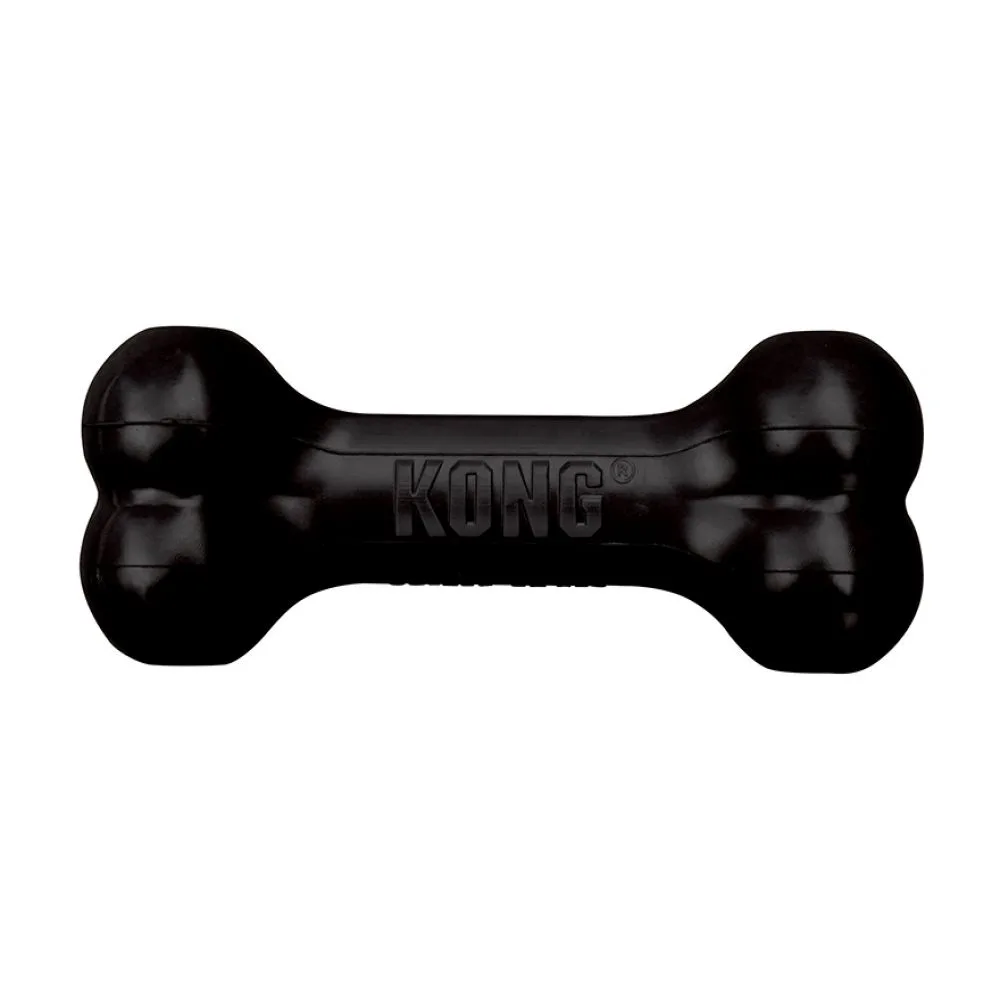
That is why shape matters as much as ingredients. A flexible chew that compresses and wraps slightly around teeth can reach different surfaces than a hard, smooth bone. Greenies and similar dental chews are typically designed with ridges, nubs, or a clover shape to create more contact points. Harder rubber toys like the KONG Extreme Goodie Bone are built for durability and treat dispensing, not for scrubbing teeth, so they serve a different purpose.
- Look for a chew your dog takes at least a minute or two to finish, not one swallowed whole.
- Match chew size to your dog's weight and mouth size; too small can be a choking risk, too large may be ignored.
- Chewing helps most on the outer tooth surfaces—brushing still reaches the gumline and inner surfaces better.
Greenies vs. other dental chews: texture and wear
Greenies are known for a flexible, slightly pliable texture that softens as the dog chews. That flexibility can make them easier for many dogs to work through and may be gentler on sensitive mouths. The trade-off is that a very determined chewer may finish one quickly, which shortens the cleaning time. They also come in size ranges, and choosing the right size is part of making them work.
Other dental chews vary widely. Some are harder and last longer, which can mean more chew time but also more risk for dogs who bite off large pieces. Some are shaped with deep grooves or a star cross-section to reach between teeth. There is no single best dental chew for every dog because jaw strength, chewing style, and patience differ. The practical approach is to try one texture, watch how your dog handles it, and adjust.
- Flexible chews like Greenies tend to be easier for seniors and small dogs with weaker jaws.
- Harder dental chews may last longer but should be sized up if your dog tries to swallow pieces.
- Always supervise a new chew the first few times and remove any piece large enough to swallow.
Where dental treats fit in a real routine
A dental chew is a supplement to home care, not a replacement. The most reliable routine is brushing several times a week plus a daily chew that your dog actually works on. If brushing is not realistic, a chew plus a veterinary dental check is a reasonable fallback. For dogs with existing tartar or gum inflammation, a chew alone will not remove hardened deposits.
Timing also matters. Giving a dental chew after the last meal of the day can help reduce overnight plaque accumulation. If your dog takes medication or has a sensitive stomach, introduce any new chew slowly and watch for digestive upset. Dental treats are still treats, so account for their calories in your dog's daily intake.
- Aim for one chew per day rather than several, and adjust meal portions if weight gain appears.
- Do not give a dental chew right before vigorous exercise; give it when you can supervise.
- If your dog has broken teeth, oral pain, or a history of swallowing large pieces, ask your vet before using any chew.
When a dental chew is the wrong choice
Dental chews are not appropriate for every dog. Dogs who gulp food, have a history of foreign body obstruction, or have severe dental disease may need a different approach. Very hard chews can fracture teeth, especially in dogs with already weakened enamel. If your dog has bad breath, bleeding gums, or loose teeth, a chew will not fix the underlying problem and may make it worse.
For those dogs, the better path is a veterinary dental cleaning and a home routine built around brushing or veterinary-approved oral products. A durable rubber toy like the KONG Extreme Goodie Bone can still provide enrichment and mental stimulation, but it is not a dental treatment. Choosing the right tool means being honest about what your dog can safely chew.
- Skip dental chews if your dog has a history of swallowing treats whole or has had obstruction surgery.
- Ask your vet before using any chew if your dog has fractured teeth or advanced gum disease.
- Use durable rubber toys for chewing entertainment, not as a substitute for dental care.
Trade-offs to weigh before you buy
- Greenies and flexible dental chews: Flexible texture is easier on many mouths and can be a good starting point for small dogs or seniors. The trade-off is that a fast chewer may finish one quickly, reducing cleaning time. Size matters: too small can be a choking risk, too large may be ignored. Best for dogs who chew steadily and need a softer, size-graded option.
- Harder or longer-lasting dental chews: These can provide more chew time and may reach different tooth surfaces with grooves or ridges. The trade-off is higher risk for dogs who bite off large pieces or have weak teeth. Always supervise and remove pieces large enough to swallow. Best for moderate chewers without a history of gulping or dental fractures.
- Durable rubber chew toys: Products like the KONG Extreme Goodie Bone are built for tough chewers and treat dispensing, not for scrubbing teeth. They offer enrichment and can reduce boredom chewing, but they do not remove plaque. Use for mental stimulation and chewing outlet, not as dental care.
Products that support a dental and chew routine
- KONG Extreme Goodie Bone Dog Toy Medium: Built for tough chewers, the KONG Extreme Goodie Bone Dog Toy Medium combines ultra-durable natural rubber with treat-dispensing fun to provide long-lasting chewing entertainment and mental stimulation. This is not a dental chew, but it can keep a heavy chewer busy and reduce destructive chewing. Use it for enrichment, not as a replacement for brushing or dental chews.
- Probios® Soft Chews For Medium & Large Dogs 60 Ct: These tasty probiotic soft chews provide beneficial bacteria that help maintain healthy digestion, normal appetite, immune function, and gut balance. They’re especially helpful during stressful situations like travel, boarding, training, and after antibiotic therapy. If you are introducing new dental chews or your dog has a sensitive stomach, a probiotic soft chew can help support digestive balance during the transition.
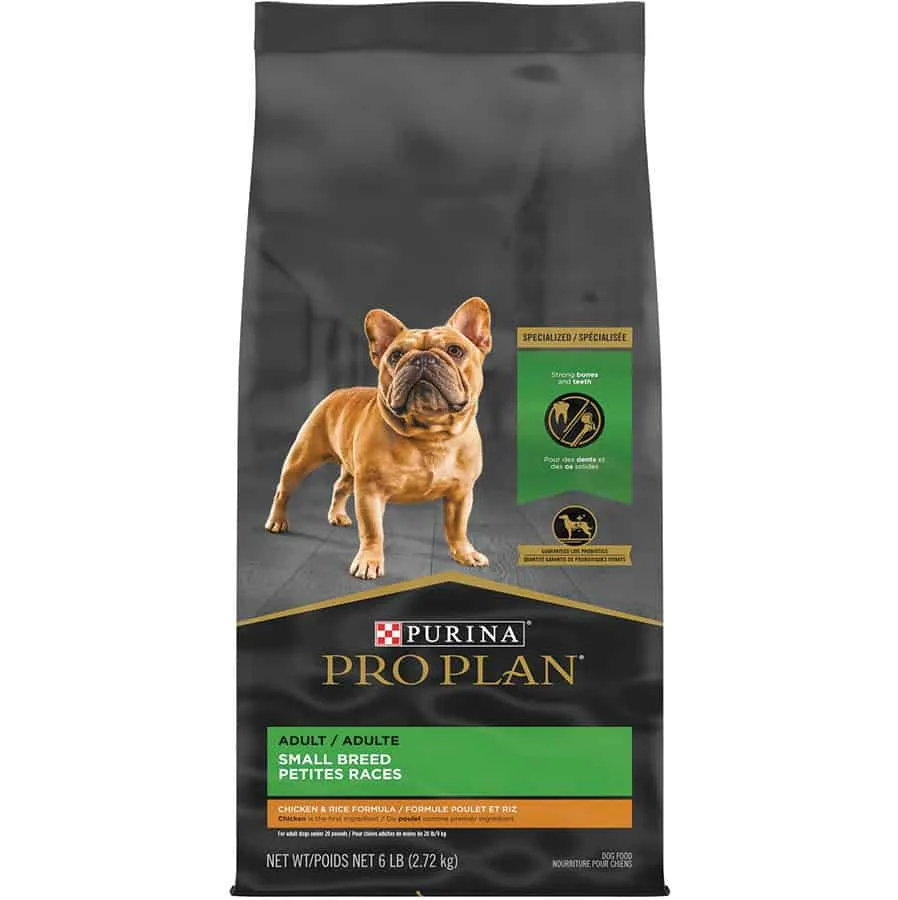
- Purina Pro Plan Adult Small Breed Chicken Dog Food 6 lb: High in protein to meet the needs of highly active small dogs. Calcium, phosphorus and other minerals maintain strong bones and teeth. Natural prebiotic fiber nourishes specific intestinal bacteria for digestive health. Nutrient-dense bite-sized kibble makes chewing easier for small breeds. Small breeds have crowded teeth and often need more dental attention. A complete diet with minerals for bones and teeth supports overall oral health alongside a chew routine.
Which should you choose?
Best for
- Dogs who need a daily chew to supplement brushing and will work on a flexible, size-appropriate dental chew.
- Small breeds and seniors who need a softer texture and smaller pieces.
- Owners who want a simple daily habit that supports fresh breath and less plaque buildup.
Not for
- Dogs with a history of swallowing treats whole or foreign body obstruction.
- Dogs with fractured teeth, severe tartar, or gum disease that needs veterinary treatment.
- Owners looking for a replacement for brushing or professional dental cleanings.
Dental chews can help, but only when they match your dog's chewing style and are used as part of a broader routine. Pick a texture and size your dog works on safely, supervise new chews, and keep brushing or veterinary care in the plan. If your dog has existing dental problems, talk to your vet before adding any chew.