Quick answer
To relieve scalp tension with gua sha, start with a clean, dry scalp and use gentle, short strokes with a gua sha comb or stone. Focus on the hairline, sides, and crown, spending 3–5 minutes per area. Use light pressure—if it hurts, you're pressing too hard. For best results, incorporate this into your evening wind-down routine 2–3 times a week.
Why gua sha works for scalp tension
Gua sha is a traditional Chinese medicine technique that involves scraping the skin with a smooth-edged tool to improve circulation and release muscle tension. When applied to the scalp, it can help relax the muscles around hair follicles, which may reduce tension headaches and promote a healthier environment for hair growth. Unlike a quick scalp massage with fingers, gua sha provides more targeted pressure and can cover larger areas with consistent strokes. The key is to use light, gliding motions rather than digging in. This makes it accessible even for those with sensitive scalps.
Choosing the right tool for your scalp
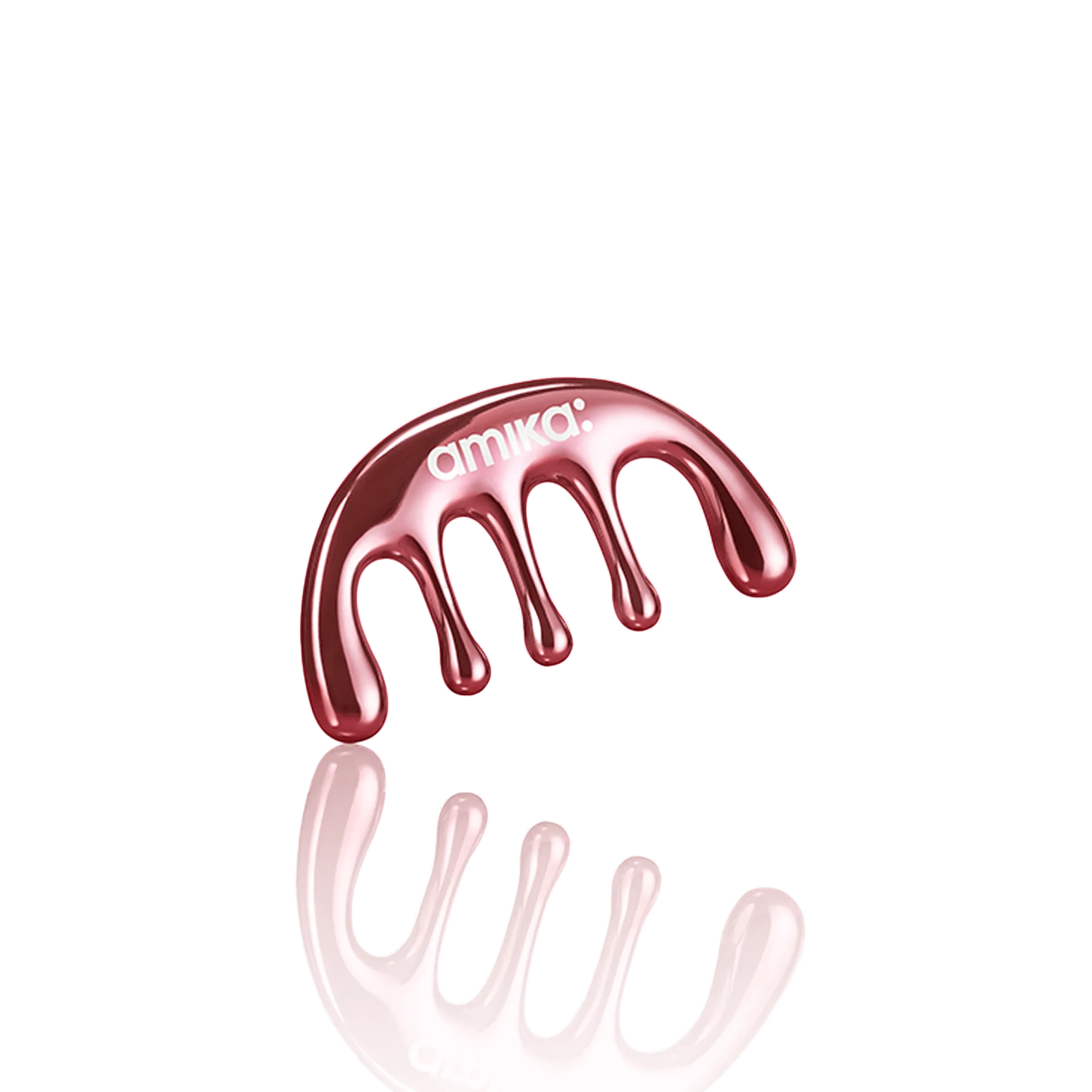
You can use a traditional gua sha stone with a comb-like edge or a dedicated scalp comb. A metal comb with rounded teeth, like the soothing gua sha scalp comb, glides easily through hair and provides a cooling sensation. If you have long or thick hair, a comb with wider teeth prevents pulling. For short hair or a shaved head, a flat stone with a curved edge works well. Avoid tools with sharp edges or rough surfaces. Always check that the tool is smooth and free of nicks to prevent scratching.
Preparing your scalp and hair
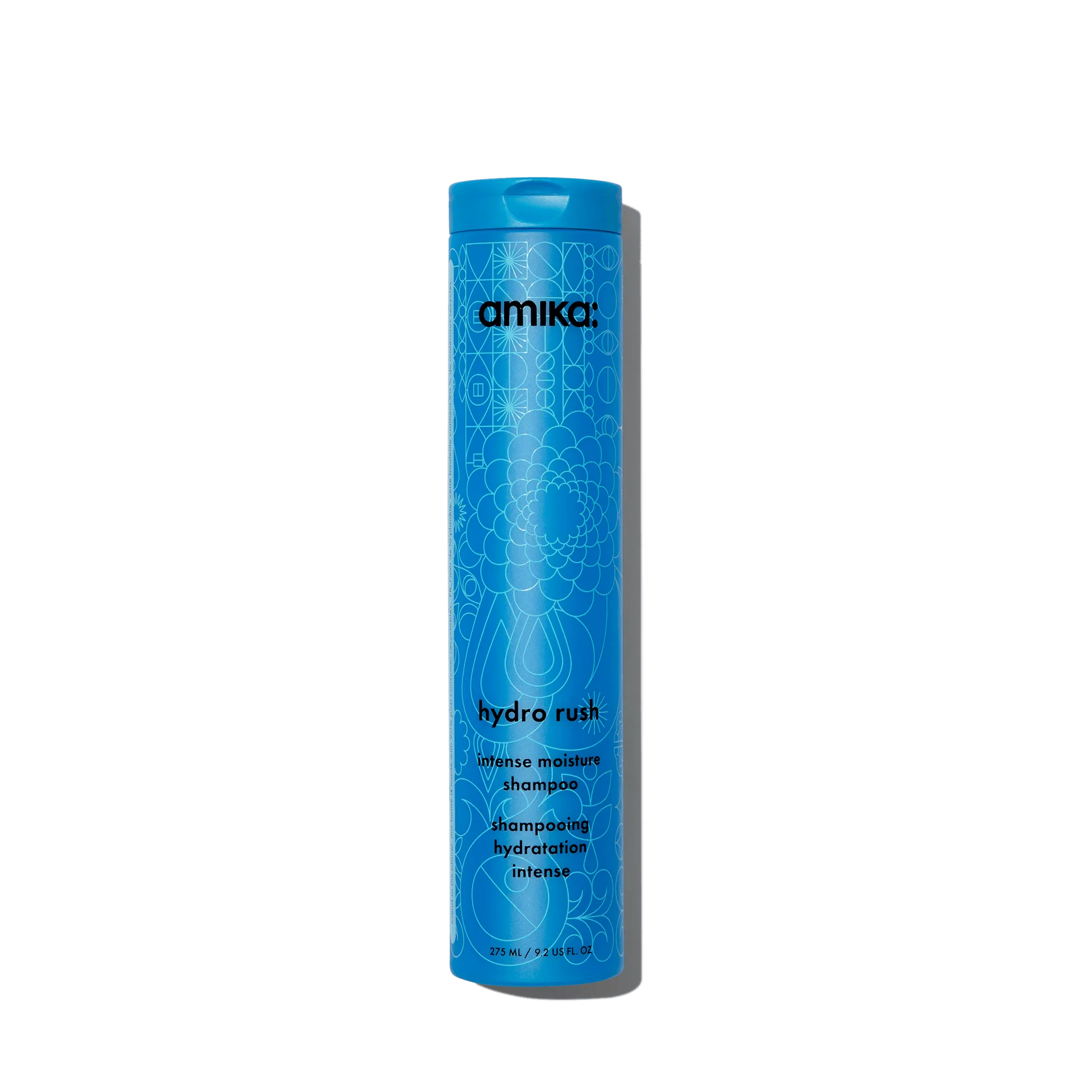
Start with dry or slightly damp hair—wet hair is more prone to breakage. If you have product buildup, cleanse first with a gentle shampoo like hydro rush intense moisture shampoo to remove residue and allow the tool to glide smoothly. You can also apply a few drops of lightweight oil or serum to reduce friction, but avoid heavy oils that weigh hair down. Part your hair in sections to expose the scalp. Tie back long hair loosely so it doesn't get in the way. Make sure your hands and tool are clean to prevent irritation.
Step-by-step gua sha routine for scalp tension relief
Follow these steps for a relaxing session. Use gentle pressure throughout—the goal is relaxation, not deep tissue work. If you feel any sharp pain, stop immediately.
How often to practice gua sha for scalp
You can do this routine daily if it feels good, but 2–3 times a week is enough for most people to notice benefits. If your scalp is sensitive, start once a week and gradually increase. Avoid using gua sha on irritated, sunburned, or broken skin. If you have a scalp condition like psoriasis or eczema, consult a dermatologist before trying gua sha. Listen to your body—if you experience tenderness that lasts more than a day, reduce frequency or pressure.
Pairing gua sha with other scalp care habits
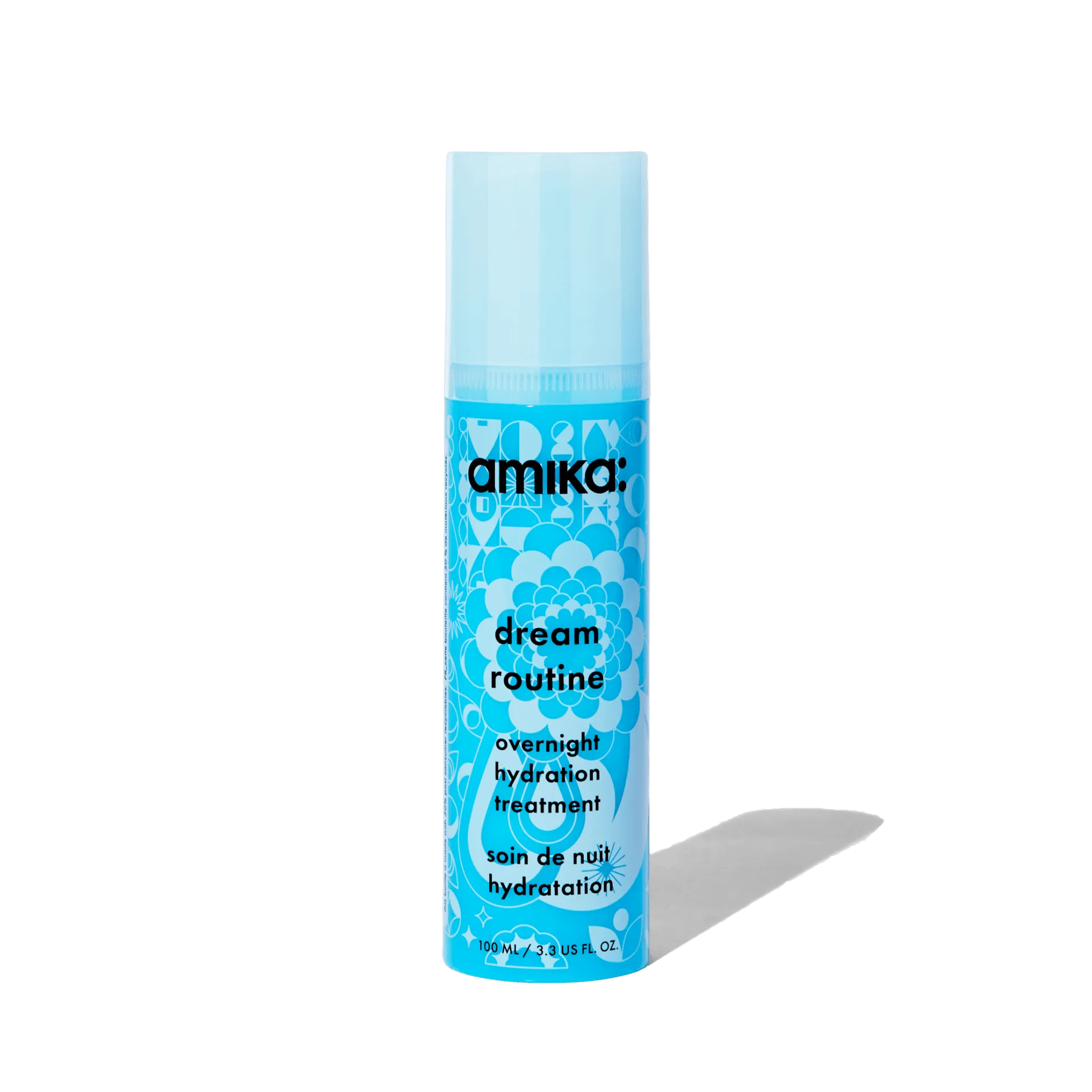
For best results, combine gua sha with a consistent wash and treatment routine. Use a hydrating shampoo and conditioner to keep hair moisturized, and apply a weekly mask like dream routine overnight hydrating hair mask to replenish moisture while you sleep. Avoid over-washing, which can strip natural oils. Remember that gua sha is a complementary practice—it won't replace medical treatment for hair loss or scalp conditions. If you're dealing with persistent tension or hair concerns, see a professional.
Your gua sha scalp routine steps
- Start at the hairline: Place the comb or stone at your front hairline and glide it back toward your crown in short, gentle strokes. Repeat 5–10 times. Mistake to avoid: pressing too hard—let the tool do the work.
- Work along the sides: Move to your temples and sides, stroking upward and back toward the crown. Use light pressure and keep the tool flat against the scalp. Checkpoint: if you feel any sharp pain, lighten your touch immediately.
- Address the crown and back: Glide the tool from the crown down toward the nape of your neck, then from the nape upward. This helps release tension in the back of the head. Mistake to avoid: rushing—slow, deliberate strokes are more effective.
- Finish with a gentle massage: Put the tool down and use your fingertips to massage your entire scalp in small circles for 1–2 minutes. This helps relax muscles further. Next step: follow with a hydrating mask or leave-in treatment if desired.
Product facts
- soothing gua sha | scalp comb ($45 value) gift: The soothing gua sha scalp comb is inspired by traditional gua sha and glides across the scalp to relieve tension and boost circulation. This comb is designed specifically for scalp use, making it easier to target tension points without pulling hair.
- hydro rush | intense moisture shampoo: hydro rush intense moisture shampoo is a silicone-free shampoo infused with hyaluronic acid and squalane that provides 3x more hydration and 72-hour moisture when used as a system with conditioner. Using a hydrating shampoo before gua sha ensures a clean scalp and reduces friction, so the tool glides smoothly without tugging.
- dream routine | overnight hydrating hair mask: dream routine overnight hydrating hair mask is a silicone-free treatment that boosts moisture for 72 hours and results in hair that is 3x more hydrated by morning. Applying this mask after gua sha can enhance hydration and support overall scalp and hair health while you sleep.