Quick answer
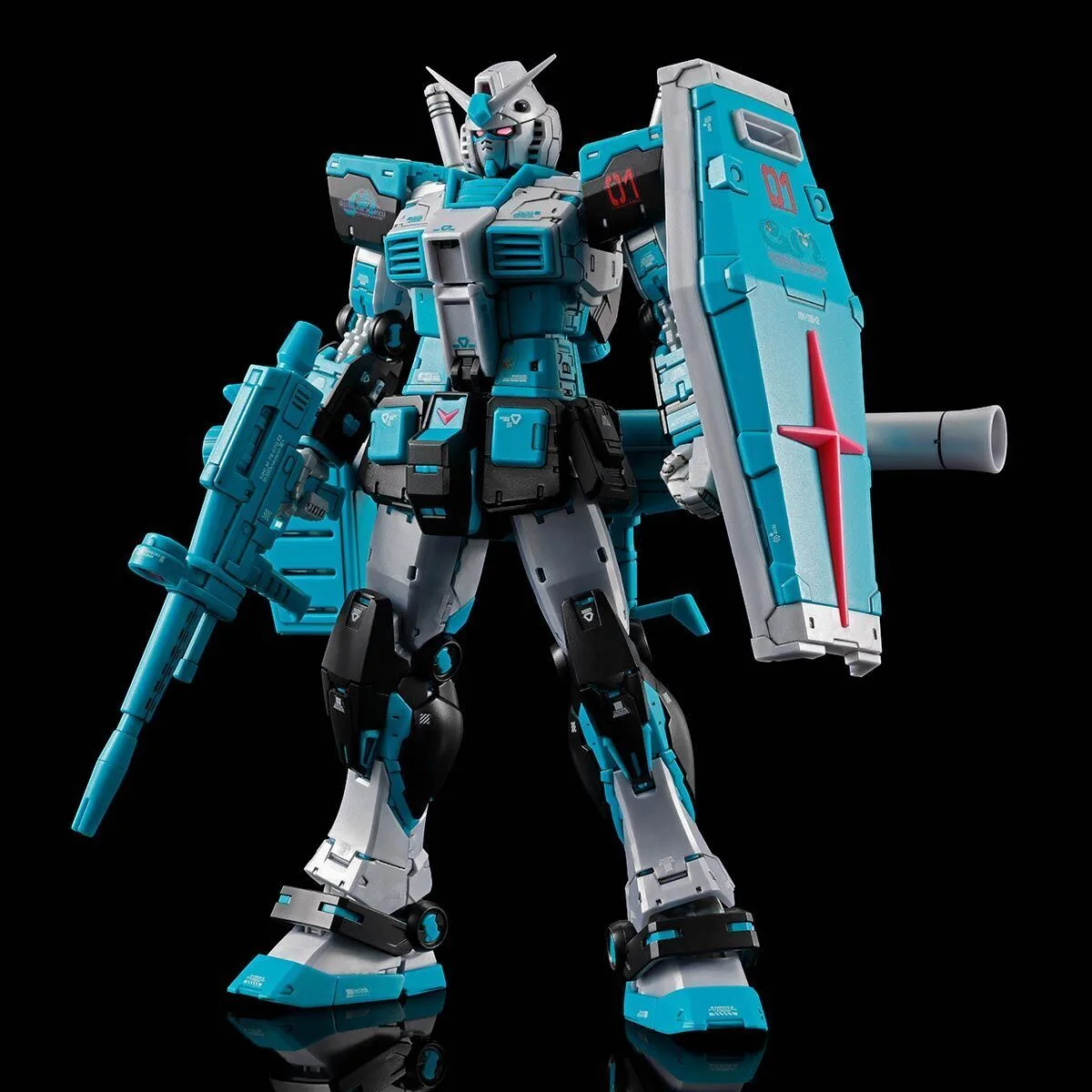
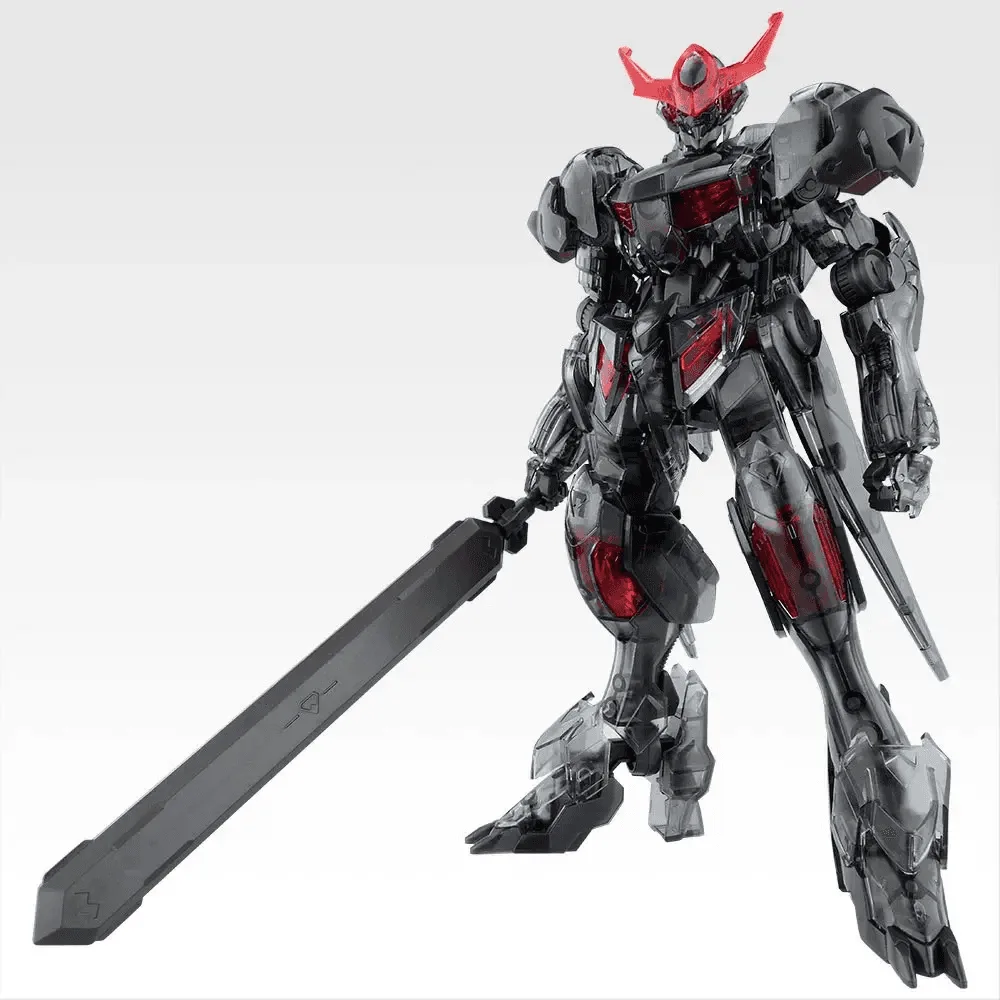
Choose a Gundam model kit if you enjoy building, customizing, and posing a mecha yourself. Choose a pre-painted Gundam figure if you want a display-ready piece with no assembly, tools, or paint. The right pick comes down to whether your hobby time goes into the build or straight onto the shelf.
The core difference: assembly vs out-of-box display
A Gundam model kit arrives as runners of plastic parts. You cut, clean, and snap them together, and many kits need panel lining or paint to look their best. A Gundam figure arrives finished, so you unbox it and place it on a shelf or stand. That single difference drives almost every other trade-off, from the tools you need to how quickly you can enjoy the piece.
Neither format is automatically more collectible. A well-built kit shows your work, while a factory-finished figure preserves a specific pose and paint scheme exactly as the manufacturer intended. Think about which of those two outcomes you actually want on display.
Size and shelf presence
Scale is where the two formats diverge fast. Model kits are usually labeled by scale, such as 1/144 or 1/100, so a larger grade can tower over a detolf shelf. Pre-painted figures tend to sit in a tighter size band, often around 7 inches or 18 cm, which makes them easier to group and rearrange.
If you are short on vertical space, a compact figure is the safer bet. If you want a centerpiece that dominates a display, a larger-scale kit gives you more presence per dollar, provided you have the room.
Cost, time, and skill
Model kits often cost less per inch of finished model, but the real price includes tools, paint, and hours of build time. Figures cost more upfront because the assembly and finishing labor is already done for you. Budget your money and your calendar honestly before choosing.
Skill matters too. Snap-fit kits are beginner-friendly, but a clean finish takes practice. Figures have no skill barrier at all, which makes them the better gift or first purchase for someone who just wants the character on a shelf.
Posing, customizing, and long-term collecting
Kits usually offer more articulation and part-swapping options, so you can re-pose or repaint them over time. Figures lock in one pose and paint job, which is either a limitation or a guarantee, depending on your taste. Collectors who enjoy tinkering lean toward kits; collectors who value consistency lean toward figures.
For cross-franchise shelves, finished figures mix more easily with anime prize figures. A painted Gundam figure can sit beside a Jujutsu Kaisen or Attack on Titan piece without looking like a different hobby.
Trade-offs at a glance
- Assembly vs instant display: Kits give you a build project; figures skip straight to shelf time. Neither is better, but they suit different moods and schedules. Pick the format that matches how you want to spend your next weekend.
- Size flexibility vs standardized scale: Kits come in multiple scales and can dominate a shelf; figures cluster around 7 inches or 18 cm, making them easier to arrange. Measure your shelf before choosing a large-scale kit.
- Customization vs factory finish: Kits reward painting and posing; figures lock in a manufacturer-approved look. Custom work can raise or lower resale value, while sealed figures stay predictable. If you want to tinker, buy a kit. If you want consistency, buy a figure.
Display-ready alternatives from our catalog
- Ichiban Kuji Dandadan Dance In The Music Room Begins Prize A Okarun Figure: Ichiban Kuji Dandadan Prize A Okarun figure, 7.02 inches (18 cm), Bandai, MASTERLISE. A finished 18 cm figure shows the out-of-box display size you can expect from pre-painted anime figures, useful if you want a shelf companion for a Gundam figure.
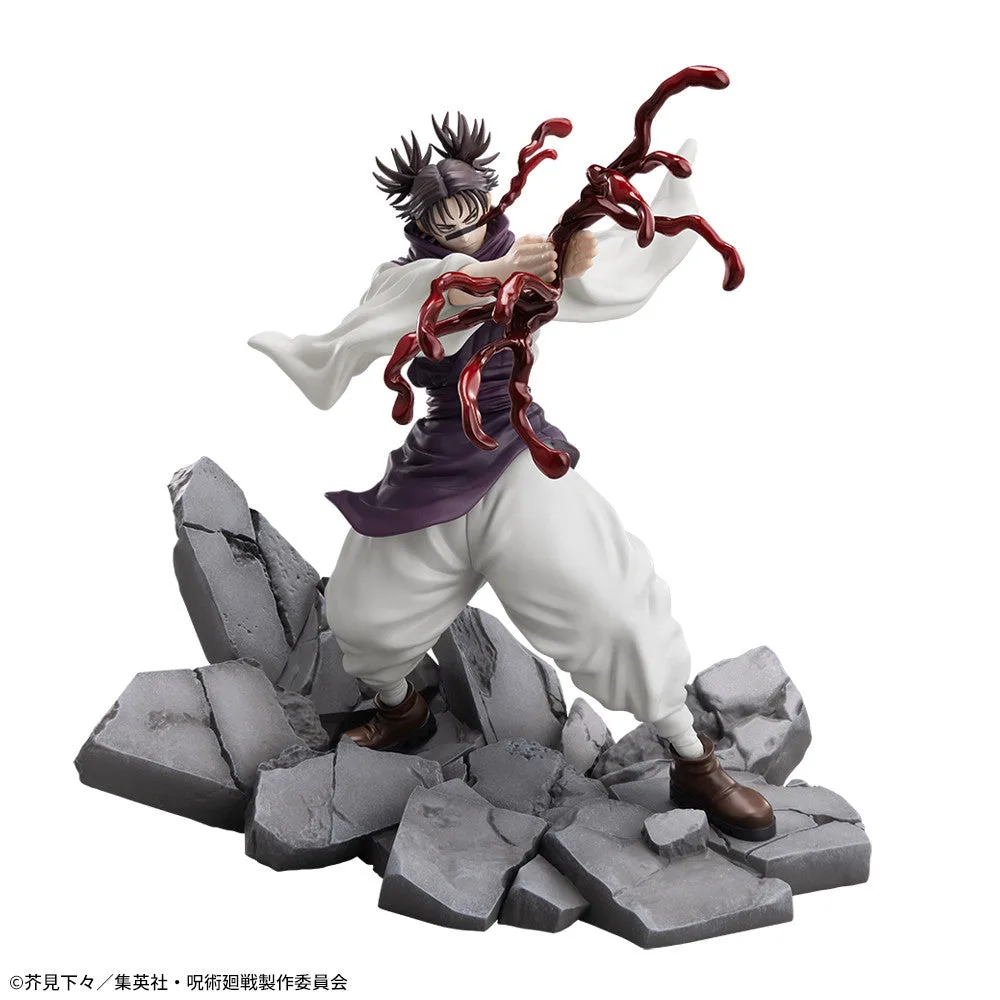
- SEGA Jujutsu Kaisen Shibuya Incident Luminasta Choso Figure: SEGA Jujutsu Kaisen Luminasta Choso figure, unopened in box, approx. 7.02 inches (180 mm). Unopened boxed figures preserve condition and resale value, a key advantage figures hold over kits you assemble yourself.
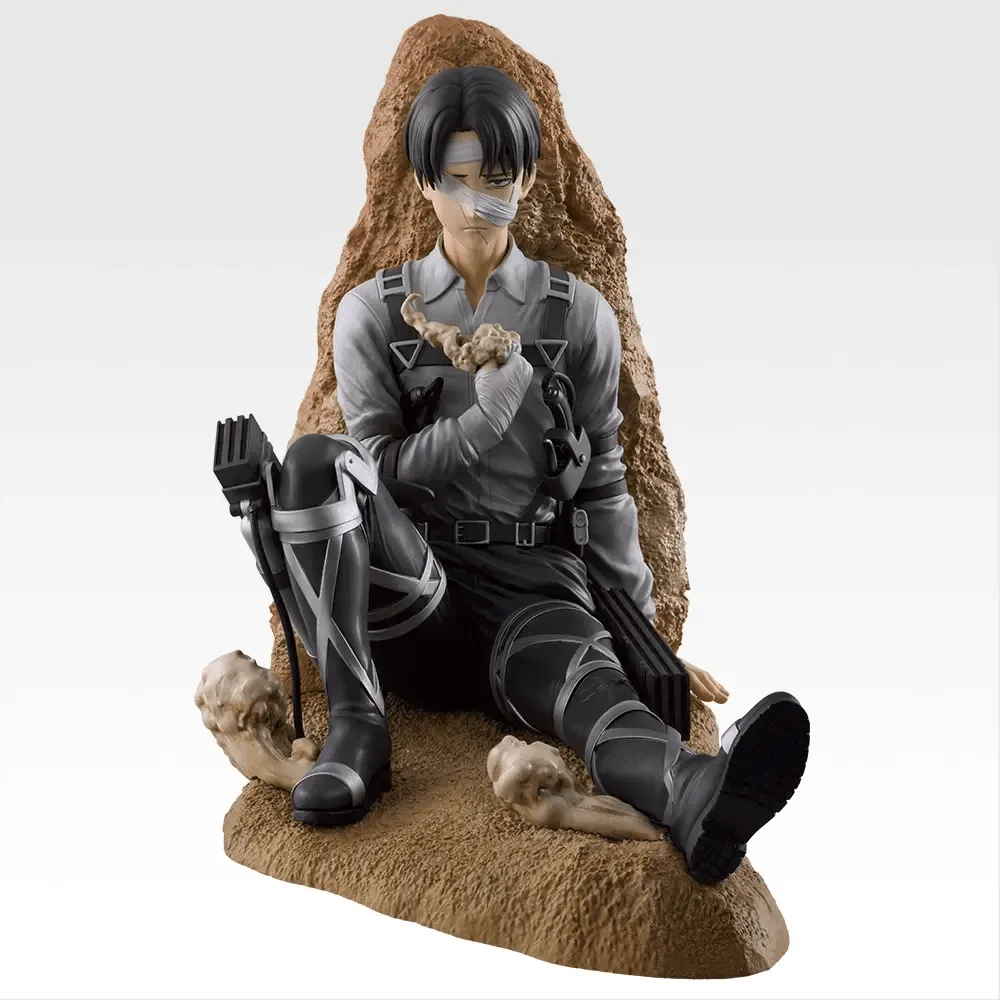
- Ichiban Kuji Attack on Titan Each One’s Resolve Prize C Levi Figure: Ichiban Kuji Attack on Titan Prize C Levi figure, 4.29 inches (11 cm), Bandai. A smaller 11 cm figure fits tight shelves where a large-scale model kit would not, helping you plan mixed displays.
Which should you buy?
Choose a Gundam model kit if
- You enjoy hands-on building, painting, and re-posing
- You want a large centerpiece and have shelf depth to spare
- You are comfortable buying tools and setting aside build time
Choose a Gundam figure instead if
- You want a display-ready piece with no assembly or paint
- You are buying a gift for someone without hobby tools
- You need a compact size around 7 inches or 18 cm to fit a crowded shelf