Quick answer
To choose a hair mask, first identify your primary concern: dryness, damage, or limpness. For dry hair, look for a hydrating mask with ingredients like glycerin. For damaged hair, choose a repair-focused mask with proteins. For fine hair that needs volume, avoid heavy oils and opt for lightweight formulas that won't weigh hair down.
Hair masks are a powerful tool for addressing specific hair concerns, but with so many options, it's easy to pick the wrong one. The key is to match the mask's purpose to your hair's current condition, not just its texture. This guide walks you through the decision process, so you can confidently choose a mask that delivers real results.
We'll cover the three main goals—hydration, repair, and volume—and provide concrete rules to follow. Plus, we'll highlight a few products that fit these needs, so you know what to look for on the shelf.
Identify Your Hair's Primary Need
Before you buy a hair mask, ask yourself: what does my hair lack right now? If your hair feels dry, rough, or brittle, you need hydration. If you see split ends, breakage, or damage from heat or coloring, you need repair. If your hair is fine or limp and lacks body, you need volume—but be careful: many masks are too heavy for fine hair.
You can also have combination needs, like dry ends and an oily scalp. In that case, apply the mask only to the mid-lengths and ends, avoiding the scalp. This targeted approach lets you treat dryness without weighing down your roots.
- Dry hair: look for words like 'hydrating,' 'moisturizing,' or 'nourishing' on the label.
- Damaged hair: seek 'repair,' 'strengthening,' or 'restorative' formulas.
- Fine or limp hair: choose lightweight masks and avoid heavy oils like coconut or shea butter.
Key Ingredients to Look For (and Avoid)
Ingredients tell you what a mask will actually do. For hydration, look for humectants like glycerin or hyaluronic acid, which draw moisture into the hair. For repair, proteins like keratin or amino acids help fill in gaps in the hair shaft. For volume, avoid silicones and heavy oils that can coat the hair and cause buildup.
Also consider your scalp sensitivity. If you have a sensitive scalp, choose a mask that is free from sulfates and parabens, as these can be irritating. Many masks are now formulated without these ingredients, making them gentler for daily use.
- Hydration: glycerin, aloe vera, panthenol.
- Repair: keratin, rice protein, ceramides.
- Volume: avoid heavy oils, opt for lightweight conditioners.
How to Use a Hair Mask for Best Results
Using a hair mask correctly is just as important as choosing the right one. Start with clean, damp hair—shampoo first, then gently squeeze out excess water. Apply the mask generously from mid-length to ends, using a wide-tooth comb to distribute evenly.
Leave it on for the time specified on the package, usually 5 to 10 minutes. For an extra boost, cover your hair with a shower cap to trap heat and help the mask penetrate. Rinse thoroughly with cool water to seal the cuticle and add shine.
- Use a mask once a week for maintenance, or twice a week if your hair is very dry or damaged.
- Don't overdo it: using a mask too often can lead to product buildup, especially if it's rich.
Matching Masks to Your Hair Type
Curly and coily hair tends to be drier and may benefit from richer, creamier masks. Fine hair, on the other hand, needs lightweight hydration that won't weigh it down. Color-treated hair requires masks that are color-safe and free from sulfates, which can strip color.
If you have multiple concerns, consider alternating masks. For example, use a hydrating mask one week and a repair mask the next. This way, you address both dryness and damage without overloading your hair.
- Curly/coily: look for masks with shea butter or avocado oil.
- Fine hair: choose gel-based or spray-in masks.
- Color-treated: ensure the mask is color-safe and sulfate-free.
Decision Rules for Picking a Hair Mask
- If your hair is dry: Choose a hydrating mask with ingredients like glycerin or aloe vera. Look for terms like 'hydrating' or 'nourishing.' Check the label for 'moisturizing' and avoid heavy oils if your hair is fine.
- If your hair is damaged: Opt for a repair mask with proteins like keratin or ceramides. These help strengthen the hair shaft. Repair masks are often richer, so use them once a week to avoid buildup.
- If your hair is fine or limp: Avoid heavy masks. Instead, look for lightweight formulas that add moisture without weighing hair down. Consider a volumizing mask or a conditioner that can double as a mask.
Product Picks and What They Offer
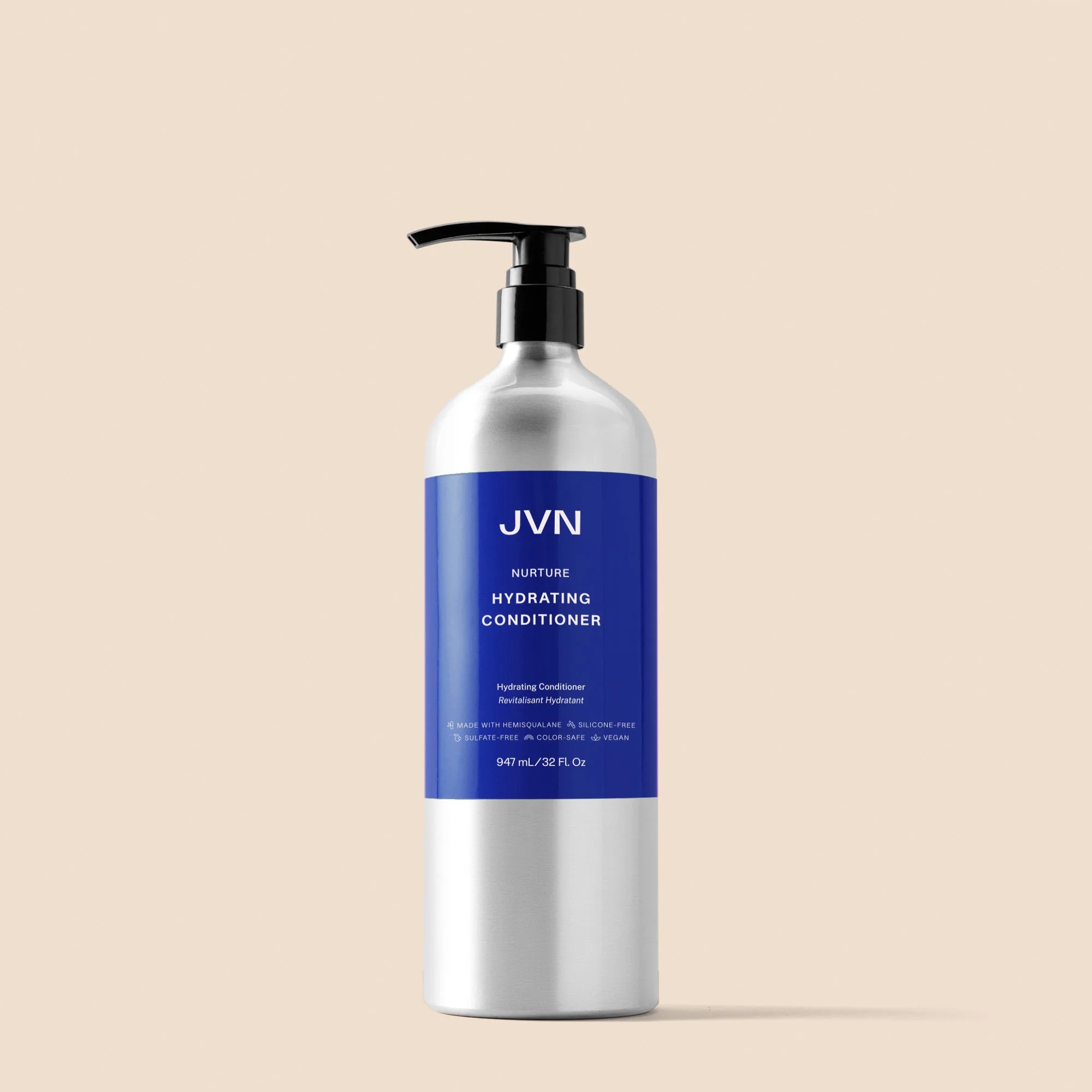
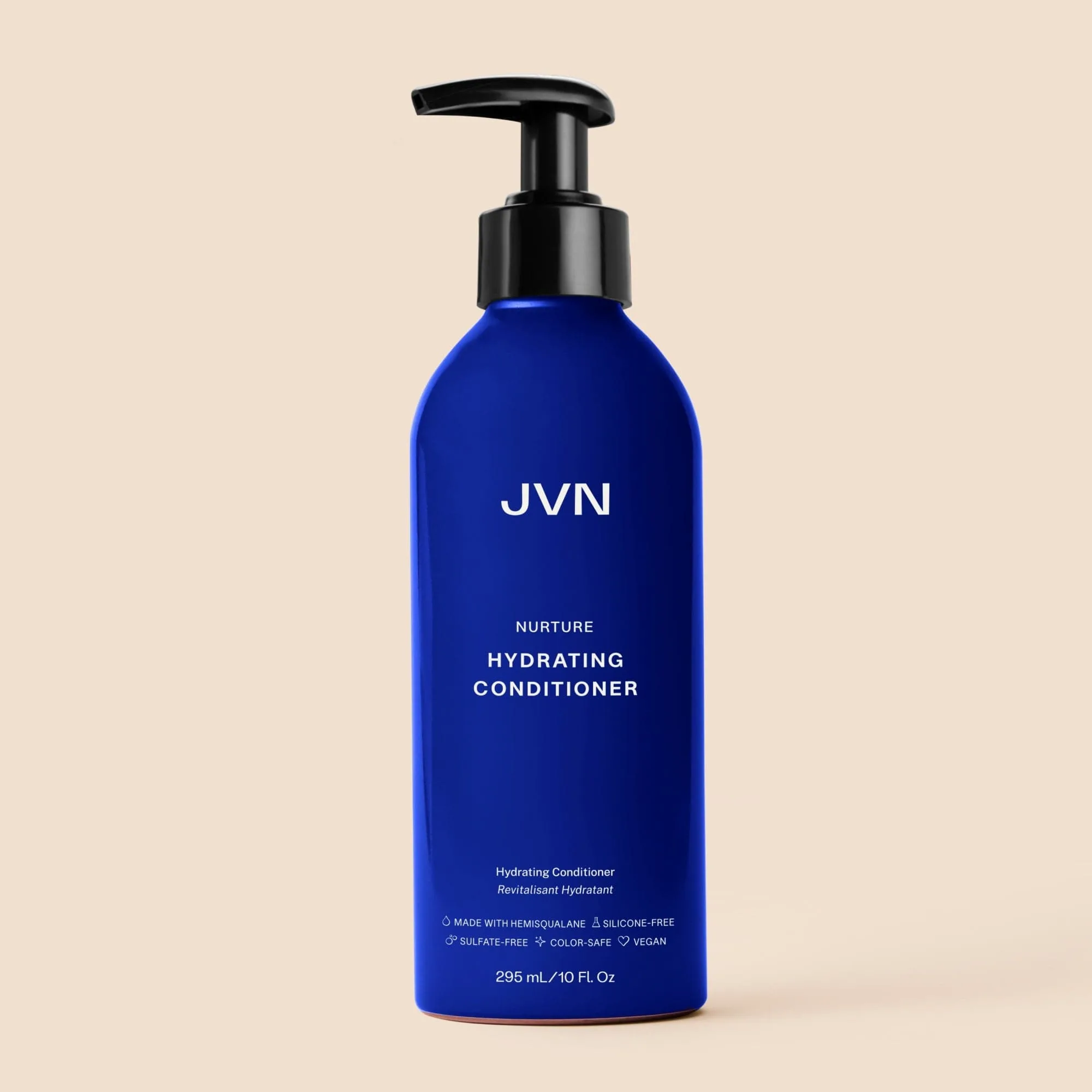
- Nurture Hydrating Conditioner: Formulated without parabens or silicones for a gentle, clean rinse. Suitable for a variety of hair types including coarse, coily, curly, color-treated, damaged, dry, fine, and frizzy hair. This conditioner doubles as a lightweight mask for dry hair, providing moisture without heaviness, making it a versatile choice for many hair types.
- https://jvnhairstore.shop/products/nurture-intense-hydration-mask-travel-258804Nurture Intense Hydration Mask Travel: This travel-size Nurture Intense Hydration Mask delivers a deep hydrating treatment to leave hair smooth, silky, and nourished. Color safe and free of parabens, sulfates, and silicones. Ideal for use as a leave-in conditioner or intensive mask. If your hair is very dry, this mask offers a concentrated dose of hydration. The travel size is perfect for trying it out or for on-the-go care.
- Repair & Shine Essentials Trio: Designed for healthy feeling, vibrant looking, color-treated strands. Helps reduce breakage while being color safe. This set addresses both repair and shine, making it a good option for damaged, color-treated hair. It includes multiple products to support a full routine.
Which Mask Fits Your Needs?
Best for
- Dry hair: Nurture Hydrating Conditioner or Nurture Intense Hydration Mask
- Damaged, color-treated hair: Repair & Shine Essentials Trio
Not for
- Fine hair that needs volume: heavy masks may weigh it down; opt for lightweight formulas instead.
Choosing the right hair mask comes down to understanding your hair's needs and reading labels carefully. By focusing on hydration, repair, or volume, you can select a product that works for you. Remember to use masks as part of a balanced routine, and don't be afraid to adjust based on the season or how your hair feels.