Quick answer
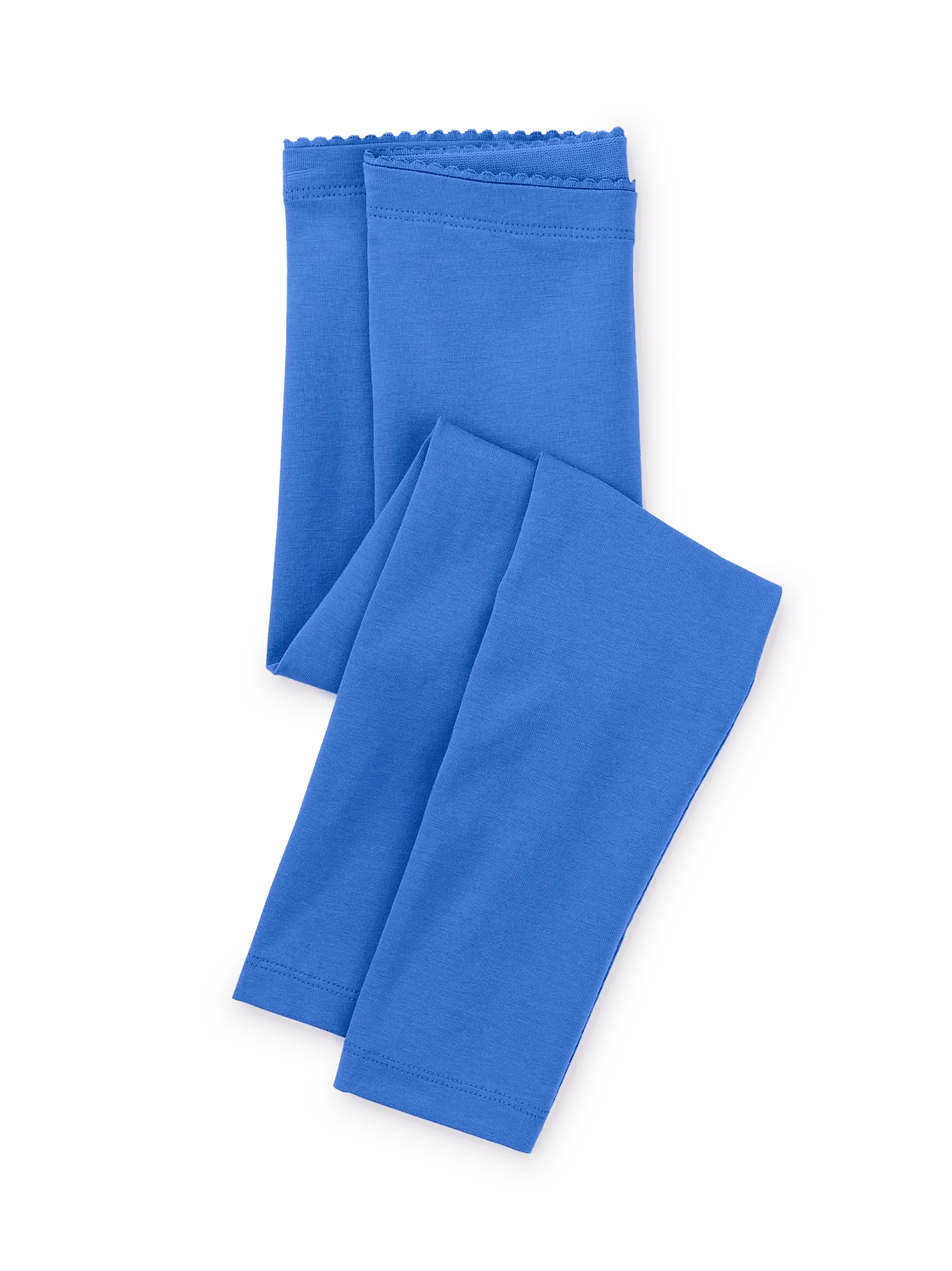
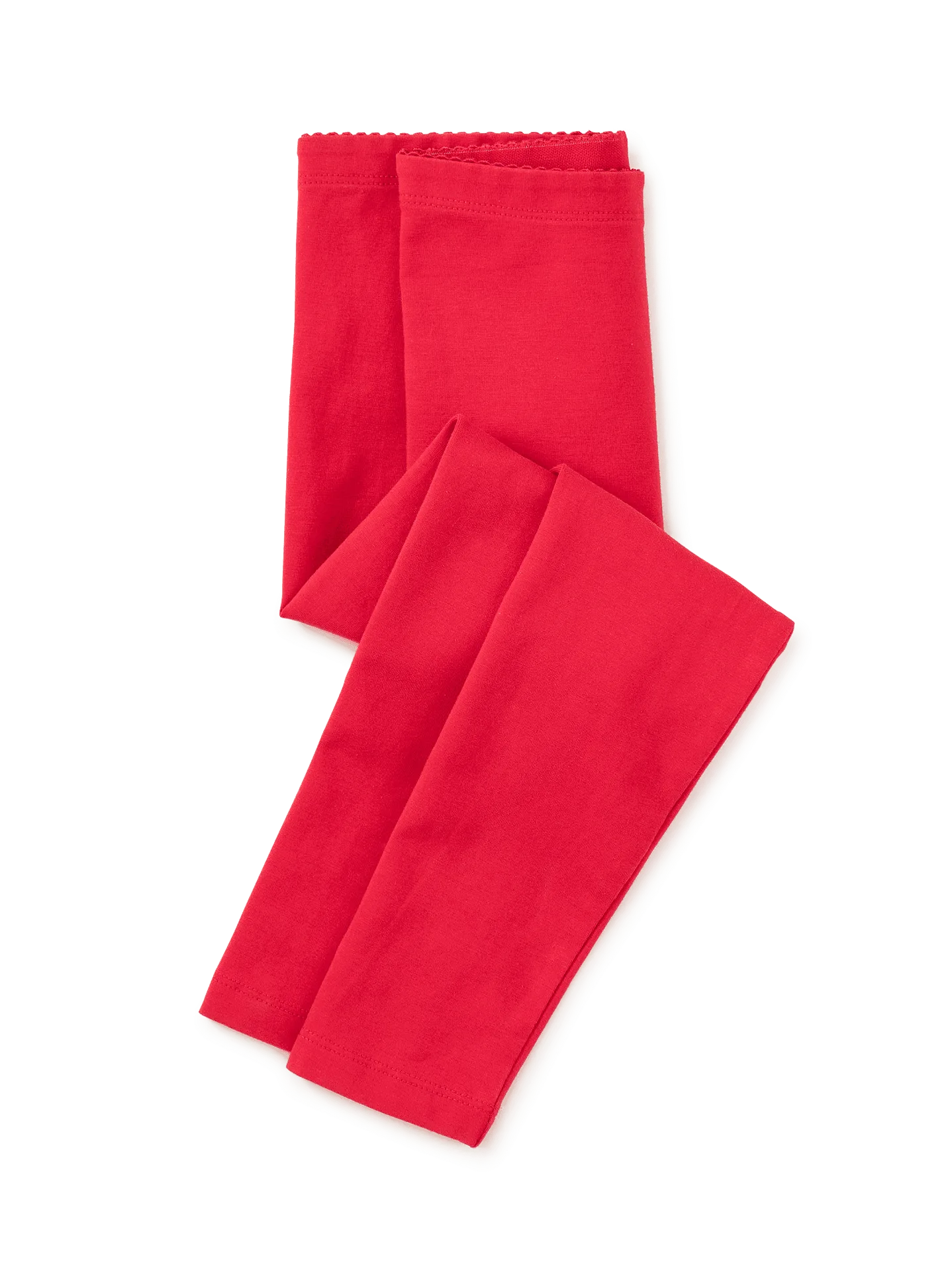
Start with a base layer your child already wears, such as https://teacollectionqon.com/products/solid-leggings-morning-glory-26f12208-c0d96daf427bcc016e6a492c-557885https://teacollectionqon.com/products/solid-leggings-purple-fig-23f12209-593b0ed8a5137427a19aad63-558152https://teacollectionqon.com/products/solid-leggings-mustard-25f12206-696b92602212057a7ee68da5-558162https://teacollectionqon.com/products/solid-leggings-lingonberry-25f12206-fb28aea02b1550224591787b-558184solid leggings, then add one dress or top that suggests a character, and finish with two or three removable accessories. This keeps the outfit comfortable for school parties and trick-or-treating, and it lets you reuse the pieces all fall.
Why everyday clothes work better than packaged costumes
Packaged costumes often use stiff fabrics and scratchy seams that kids want off within an hour. Everyday pieces from the closet are already broken in, machine washable, and familiar, so your child stays in them longer. They also layer easily under a jacket if the evening turns cold.
The tradeoff is that an everyday outfit reads as a costume only when you add one clear visual cue, like a color theme, a headband, or a prop. Without that cue, it just looks like regular school clothes.
Pick a character or theme from what you already own
Open the drawer and look for a dominant color or silhouette. A black legging and a black top can become a cat, a bat, or a ninja with the right ears or mask. A long dress with a gathered skirt can become a princess, a witch, or a storybook character. Write down two or three options before you buy anything, because most families find they need zero new pieces.
If you do need one item, choose a piece that works for the rest of fall, not just October 31. A solid legging in a dark color is the most reusable base because it goes under dresses, tunics, and graphic tees all season.
Build the base layer for comfort and warmth
The base layer does the heavy lifting. For cool evenings, start with a fitted ankle-length legging in a cotton-spandex jersey so it moves without bunching. If your child runs warm or the event is indoors, a short-sleeve tee and a skirt or dress alone is enough.
Check the waistband before you commit. An elastic waist that sits flat and does not twist is the difference between a happy kid and one who is tugging all night. Avoid anything with a tight elastic or a bulky seam under the costume layer.
Add one dress or top that carries the theme
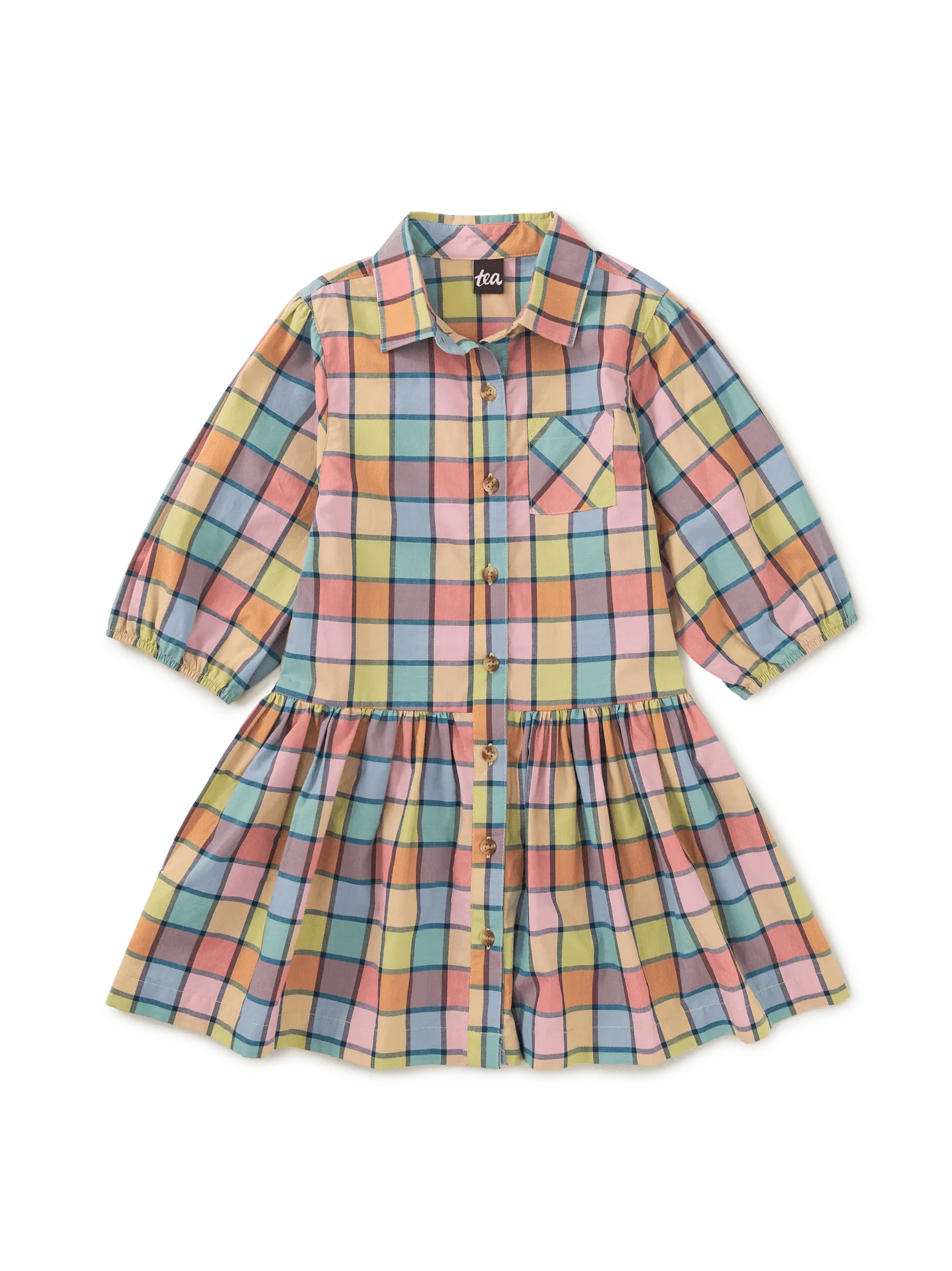
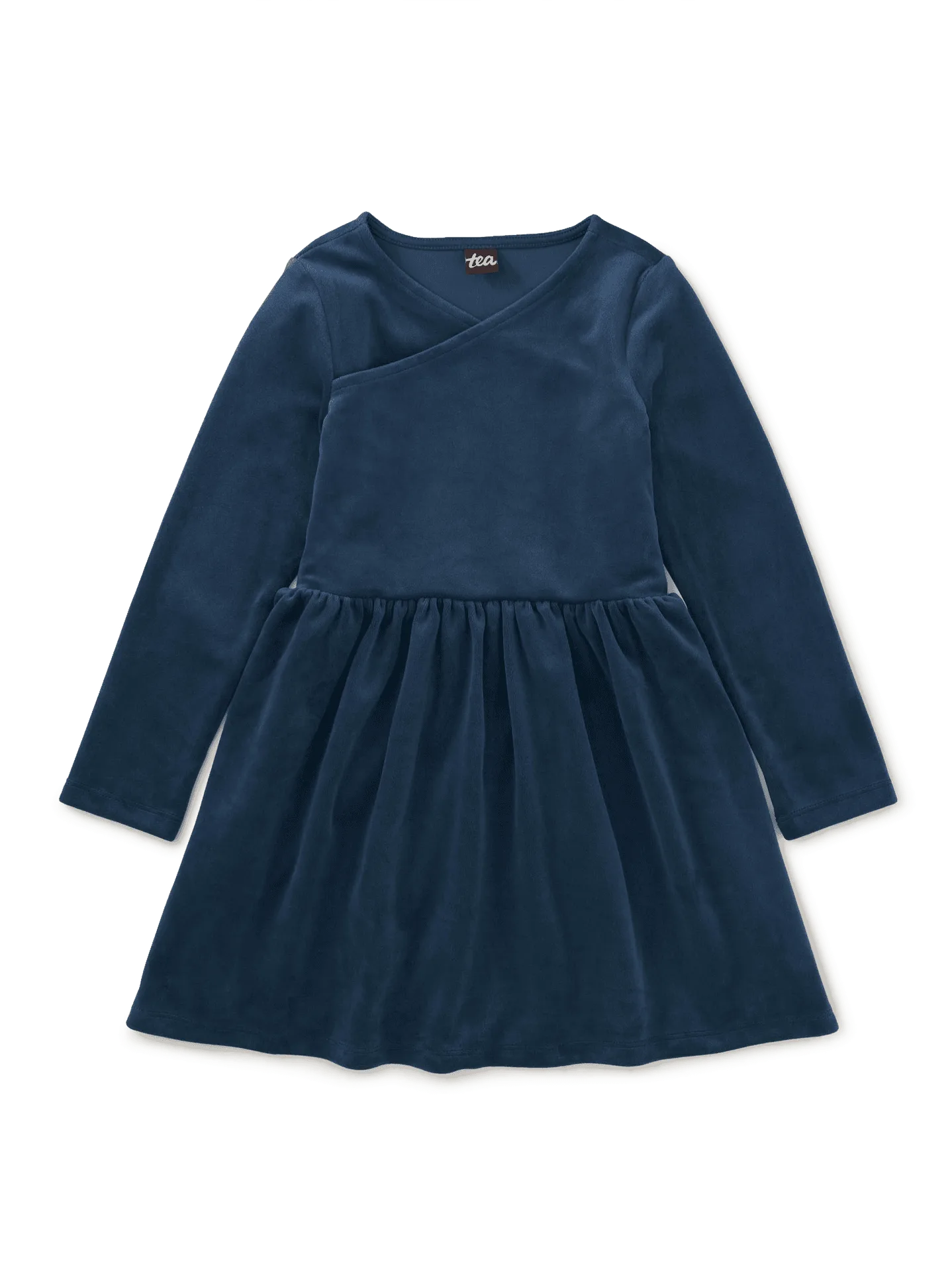
Choose a dress or top that already has a shape or print matching your idea. A wrap-neck dress with a gathered skirt gives you instant princess or witch lines without sewing. A collared dress with blouson sleeves and a special print can read as a storybook character or a schoolgirl, and it photographs well for picture day or a class party.
Keep the theme to one strong element. If the dress is busy, skip the printed legging and use a solid color underneath. If the dress is plain, you can add a patterned tight or a colorful sock.
Finish with removable accessories and a comfort test
Accessories turn clothes into a costume, and removable ones let you dial the look up or down. A headband with ears, a soft felt hat, a cape, or a small bag can all come off if your child gets overwhelmed. Avoid anything that ties around the neck or restricts arm movement.
Do a five-minute test run before the event: have your child walk, sit, and reach overhead. If anything digs in, twists, or slips, fix it now. Pack a backup plain legging and tee in the car in case a drink spills or the costume piece becomes uncomfortable.
Your step-by-step Halloween outfit plan
- Step 1: Choose the theme from clothes you own: Pull two or three pieces from the drawer and name the character they suggest. Write the idea down before shopping. Checkpoint: if you cannot name the character in one word, simplify the theme.
- Step 2: Set the base layer: Pick a fitted legging or a plain tee that fits well and matches the theme color. Test the waistband by having your child bend and twist. Checkpoint: no twisting, no digging, no constant tugging.
- Step 3: Add the dress or top that carries the look: Choose one dress or top with a shape or print that matches your theme. Keep the rest of the outfit solid so the theme stays clear. Checkpoint: one strong element only; do not layer two busy prints.
- Step 4: Add removable accessories: Add ears, a hat, a cape, or a small bag that comes off easily. Avoid anything tied around the neck or limiting arm movement. Checkpoint: your child can take each accessory off without help.
- Step 5: Run a five-minute comfort test: Have your child walk, sit, and reach overhead. Fix any pinch or slip before the event. Pack a plain backup legging and tee. Checkpoint: if they ask to take it off during the test, change the piece now, not at the party.
Pieces that pull their weight in a Halloween outfit
- Solid Leggings: Fitted, ankle-length, elastic waist in 92% cotton, 8% spandex jersey that moves with them all day. Works as a base layer under any dress or tunic, and the solid color keeps the costume theme clear instead of competing with it.
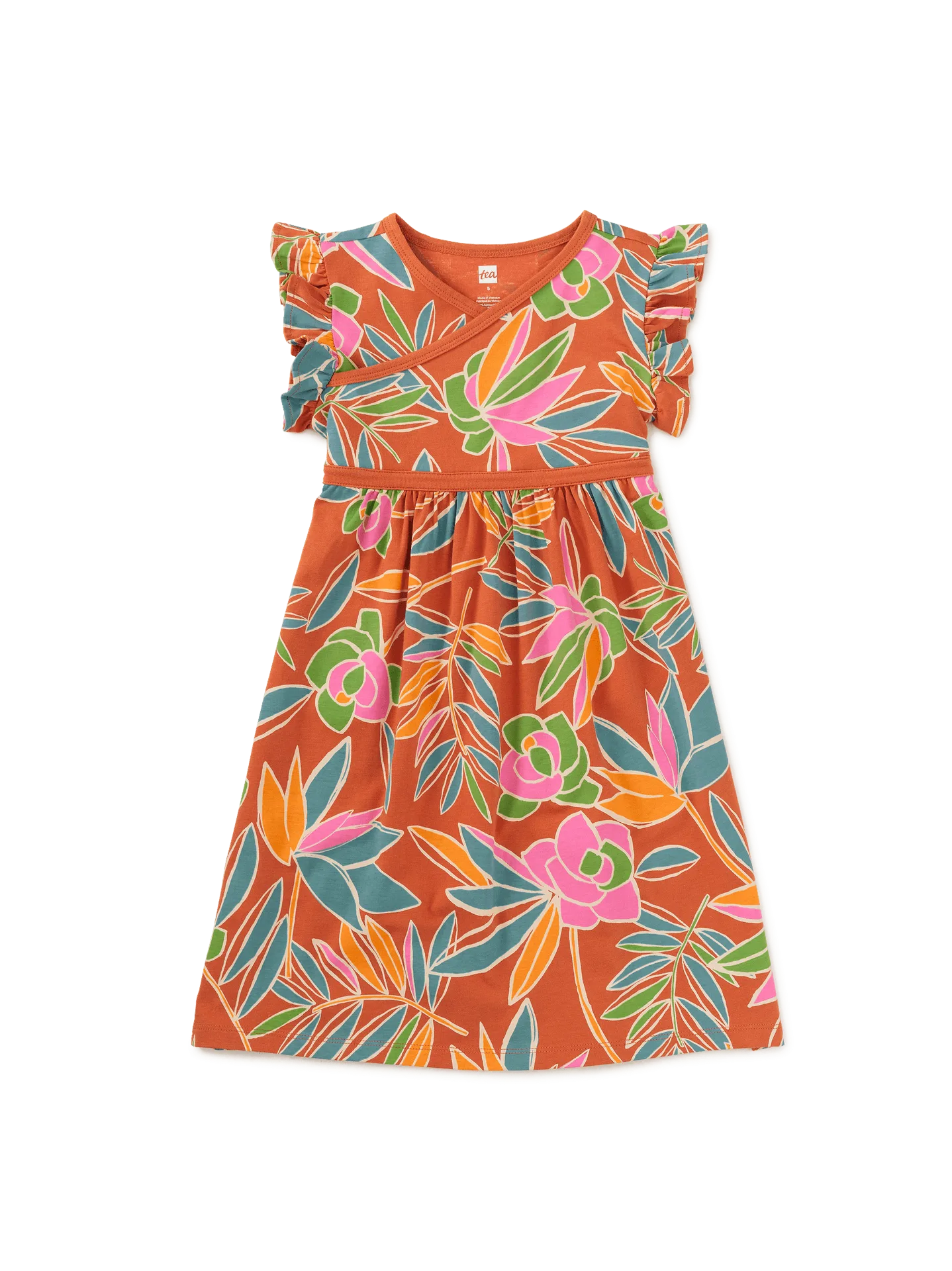
- Velour Wrap Neck Dress: Wrap neckline and gathered skirt in buttery-soft velour, machine washable. Gives you princess or witch lines without sewing, and the soft fabric means fewer mid-event complaints than a stiff costume.
- Collared Blouson Sleeve Dress: Long blouson sleeves, center front placket with button closure, hi-lo hem, 100% cotton poplin. The structured shape and special print read as a character on their own, so you can skip extra layers and keep the outfit simple.