Quick answer
Buy the bag that matches your heaviest regular load, not your lightest. For most people, one structured medium-to-large tote with a 9-11 inch strap drop covers work and errands, while a smaller crossbody handles market runs and travel days. Choose a work bag vs tote based on whether you carry a laptop; choose a market bag for washability and open access; choose a travel handbag for a zip top and a strap that stays put.
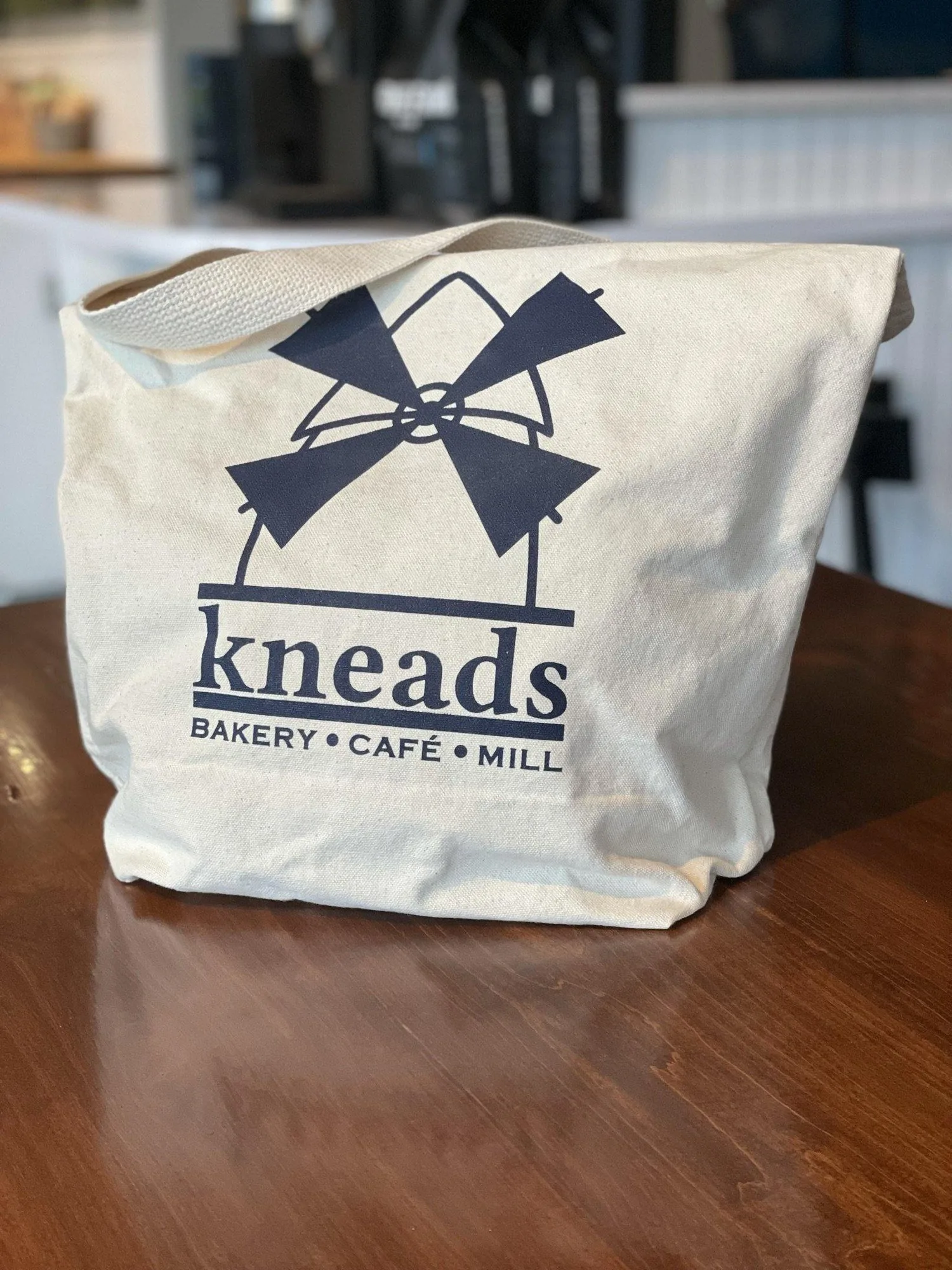
tote
Most handbag purchases go wrong for one boring reason: the bag was chosen for how it looks empty, not for what it has to carry at 8 a.m. on a Tuesday. Before you compare colors or hardware, measure your daily load and your body.
This guide gives you concrete decision rules for three jobs: work, market, and travel. It also covers handbag size, strap drop, and structure, so you can narrow the field before you fall for a bag that will not fit your laptop, your produce, or your boarding pass.
Start with the load, then the bag
Empty your current bag onto a table and group the contents: flat items (laptop, folder, tablet), bulky items (water bottle, lunch box, sweater), and small loose items (keys, cards, cables). Measure the largest flat item and the tallest bulky item. Those two numbers eliminate most wrong bags immediately.
Then weigh the load. If your everyday carry is over about 4-5 lb, a single thin shoulder strap will dig in by mid-morning. A wider strap, a crossbody option, or a bag with a top handle plus a removable strap gives you a way to redistribute weight during the day.
- Write down three must-carry items and their dimensions before browsing.
- If you carry a laptop, add at least 1 inch of clearance on each side for a sleeve.
- Weigh your loaded bag once; that number decides strap width more than style does.
Handbag size guide: what each size actually holds
Small bags (roughly under 10 inches wide) hold a phone, cardholder, keys, and a compact. They work for short market trips, dinners, and travel days when your main luggage is checked or in a locker. They do not hold a water bottle or a tablet.
Medium bags (about 11-13 inches wide) are the most versatile size for most people. They typically fit a 13-inch laptop, a small notebook, a water bottle, and a pouch. Large totes (14 inches and up) swallow a 15-16 inch laptop plus gym clothes or groceries, but they also collect clutter and get heavy fast.
Measure the bag's interior, not the exterior. Outside pockets, rolled edges, and hardware can eat an inch or more of usable space.
- Small: phone, wallet, keys, compact. Best for errands and evenings.
- Medium: 13-inch laptop, notebook, bottle, pouch. Best all-rounder.
- Large: 15-16 inch laptop, gym kit, groceries. Best when you consolidate errands.
Work bag vs tote: the laptop question
A work bag is built around a laptop: padded or structured back panel, a dedicated sleeve, and a flat base so it stands up beside a desk. A tote is an open carry-all with less structure. If you commute with a computer, a work bag protects it better and keeps cables and chargers from scratching the screen.
If you rarely carry a laptop, a tote is lighter and more flexible. It handles a folder, lunch, and a pair of shoes without the bulk of padding you never use. The trade-off is real: totes slump, and items shift into a single pile at the bottom.
A middle path works well for hybrid schedules: a structured medium tote with a removable padded sleeve. You get laptop protection on office days and a lighter bag on the others.
- Laptop 4+ days a week: choose a work bag with a real sleeve and flat base.
- Laptop 1-2 days a week: choose a structured tote plus a separate sleeve.
- No laptop: a soft tote is lighter and easier to pack.
Market bag: washability and open access
A market bag has a different job from a work bag. It needs to open wide, stand open while you load it, and survive contact with produce, damp greens, and the occasional leak. Open-top totes and basket-style bags win here because you can drop items in with one hand.
Material matters more than shape. Canvas and coated fabrics wipe clean; unlined leather stains and needs more care. If you shop several times a week, choose a bag you can turn inside out or wipe down, and keep a small folded pouch inside for keys and phone so they do not disappear under the carrots.
For heavy hauls, look for reinforced stitching at the handle attachments and a base that does not sag. A floppy base turns a full bag into a swinging pendulum against your leg.
- Choose open access and a wide mouth over a zip top for market runs.
- Pick wipeable or washable material if you buy produce regularly.
- Check handle stitching; that is the first failure point on a loaded bag.
Travel handbag: zip top, secure strap, flat profile
On travel days, your handbag becomes your personal item. It needs a zip or flap closure that stays shut in crowds, a strap you can wear crossbody so both hands are free, and a flat profile that slides under the seat in front of you. Open totes are a liability in transit.
A travel handbag should also separate what you need at security from what you need at the gate. An outside slip pocket for passport and boarding pass saves you from unpacking the whole bag at the checkpoint.
Size is a trade-off. A bag large enough for a laptop and a change of clothes will not fit under the seat on a full flight. A compact crossbody is easier to manage but forces you to check a bag. Decide which compromise you can live with before you buy.
- Zip top plus crossbody strap is the baseline for transit.
- Keep passport and boarding pass in an outside pocket, not the main compartment.
- If it must fit under a seat, measure the bag against the airline's personal-item size before ordering.
Structure, material, and strap drop
Structure decides whether a bag looks tidy or collapses into a puddle. Structured bags hold their shape and protect contents, but they are heavier and less forgiving when you overstuff them. Soft bags are lighter and expand, but small items migrate to the bottom.
Strap drop is the measurement from the top of the strap to the top of the bag. Under 8 inches fits over a shoulder in a light jacket. Around 9-11 inches works over a coat and is the most useful range for a shoulder tote. Crossbody straps usually need 20 inches or more, depending on your height and where you want the bag to sit.
Material follows use: coated canvas and nylon for weather and market days, leather for work and evenings, and washable canvas for anything that meets produce or gym clothes.
- Measure strap drop on a bag you already like, then match that number.
- Structured for laptops and travel; soft for light errands and packing flexibility.
- Match material to the messiest thing the bag will meet, not the cleanest.
Decision rules for choosing a handbag
- If you carry a laptop most days: Choose a work bag with a dedicated sleeve, a flat base, and a strap drop of 9-11 inches so it sits securely over a coat. Skip soft totes; they let a laptop lean and slide.
- If you shop for produce several times a week: Choose a market bag with open access, wipeable or washable material, and reinforced handle stitching. Skip zip-top structured bags; loading one-handed is slow.
- If you fly often: Choose a travel handbag with a zip top, a crossbody strap, an outside pocket for documents, and a flat profile that fits under a seat. Skip open totes and oversized bags you cannot stow.
- If you want one bag for everything: Choose a medium structured tote, 11-13 inches wide, with a removable padded sleeve and a wide shoulder strap. Accept the trade-off: it will be heavier than a soft tote and smaller than a full market bag.
Catalog facts that inform bag choices
- Breakfast Wrap Box: Includes 12 servings, made up of 6 whole wheat wraps cut in half, filled with sausage, scrambled eggs, cheddar, hash brown, and pepper mayo. A 12-serving box is the kind of load that decides bag size. If you regularly carry food for a group, choose a bag with a flat base and enough depth to keep containers level.
- Whole Grain Spelt Flour Organic: Whole grain spelt flour, organic, freshly milled in store with a New American Stone Mill, offered in a 2 lb · 908 g size. A 2 lb flour bag is a realistic market-run item. It is bulky but not heavy, so a wide-mouth market bag with a stable base handles it better than a slim structured tote.
Who this approach fits
Best for
- Commuters who carry a 13-inch laptop plus lunch and a water bottle
- Shoppers who want one washable bag for produce and errands
- Travelers who need a secure personal item that fits under a seat
Not for
- Buyers who want a single bag to carry a 16-inch laptop, gym clothes, and groceries at once
- Anyone who prioritizes a lightweight, packable bag over structure and laptop protection
- Shoppers looking for evening or formal bags, which need different size and strap rules
Measure your load, match the bag to its main job, and check strap drop before you buy. One well-chosen medium tote plus a compact crossbody covers most work, market, and travel days without forcing you to compromise on every trip.