Quick Answer
Hard enamel pins offer a smooth, glass-like finish and are more durable for everyday wear, while soft enamel pins have textured recessed areas that allow for finer detail and a lower price point. For collectors who want a polished look that resists scratches, hard enamel is the better choice; if you prioritize intricate artwork and don't mind a slight texture, soft enamel delivers more detail per dollar.
How Finish Affects Look and Feel
The most visible difference between hard and soft enamel pins is the surface finish. Hard enamel pins are fired at high temperatures and then polished flat, creating a smooth, glass-like surface that feels uniform to the touch. Soft enamel pins are left with recessed enamel areas that sit below the metal lines, giving them a textured feel and a slightly raised metal border. This texture can catch light differently, making soft enamel pins appear more dimensional from certain angles.
For collectors who display pins on bags or jackets, the smooth surface of hard enamel resists dirt and scratches better over time. Soft enamel's recessed areas can collect dust or lint, but they also allow for more subtle gradients and fine lines in the design because the enamel doesn't need to be perfectly level.
Detail and Color Complexity
Soft enamel pins generally handle complex, multi-color designs with finer detail because the enamel is applied in liquid form and can fill very small areas. Hard enamel requires a thicker paste that can be harder to work into tiny spaces, so designs with many small color sections may lose some crispness. If your pin design has intricate linework or tiny text, soft enamel is often the better medium.
That said, hard enamel produces richer, more saturated colors because the enamel is applied in a thicker layer and polished. Colors in soft enamel pins can appear slightly more muted, especially in larger fields, because the enamel is thinner and sits lower in the metal well.
Hard Enamel vs Soft Enamel: Tradeoffs at a Glance
- Surface Finish: Hard enamel is smooth and polished; soft enamel is textured with recessed color areas. Choose hard enamel for a clean, scratch-resistant surface; choose soft enamel if you like the dimensional look.
- Detail Capacity: Soft enamel handles fine lines and tiny color sections better; hard enamel can blur very small details. For intricate art or small text, soft enamel is the safer bet.
- Durability: Hard enamel is more resistant to scratches and dirt; soft enamel's recesses can collect debris over time. If you wear your pins daily or on bags, hard enamel will stay looking newer longer.
- Price: Soft enamel is generally less expensive to produce; hard enamel costs more due to extra polishing steps. Soft enamel gives you more detail per dollar; hard enamel is a premium option for a polished look.
Real-World Examples from Mondo
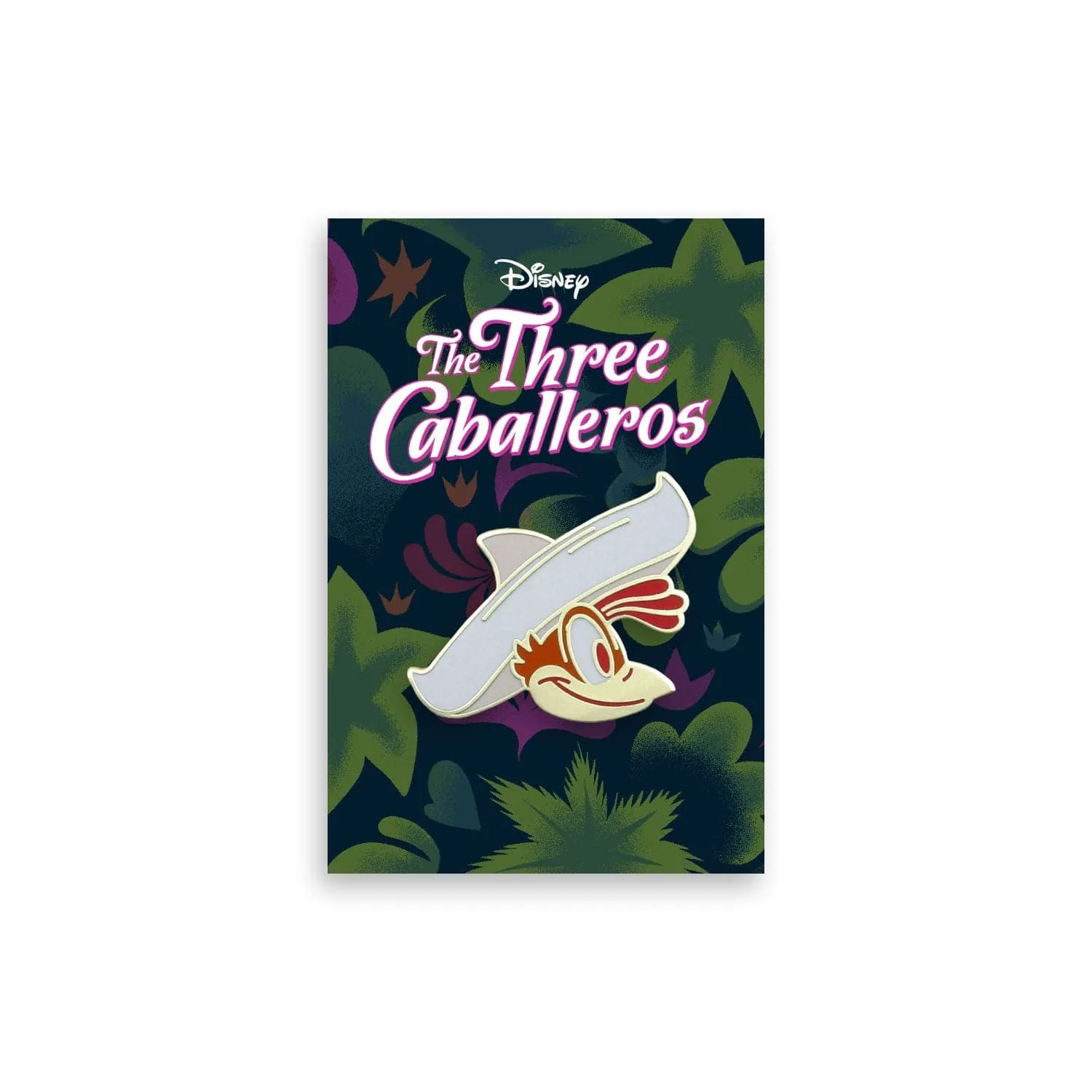
- Panchito Enamel Pin: 1.3" wide hard enamel pin designed by Matt Taylor. Single post on matte gold metal with a gold butterfly clutch backing. This Panchito pin shows how hard enamel delivers a smooth, polished surface on a compact design. The matte gold metal adds a premium feel that complements the flat finish, and the single post keeps the pin lightweight for attaching to hats or lapels.
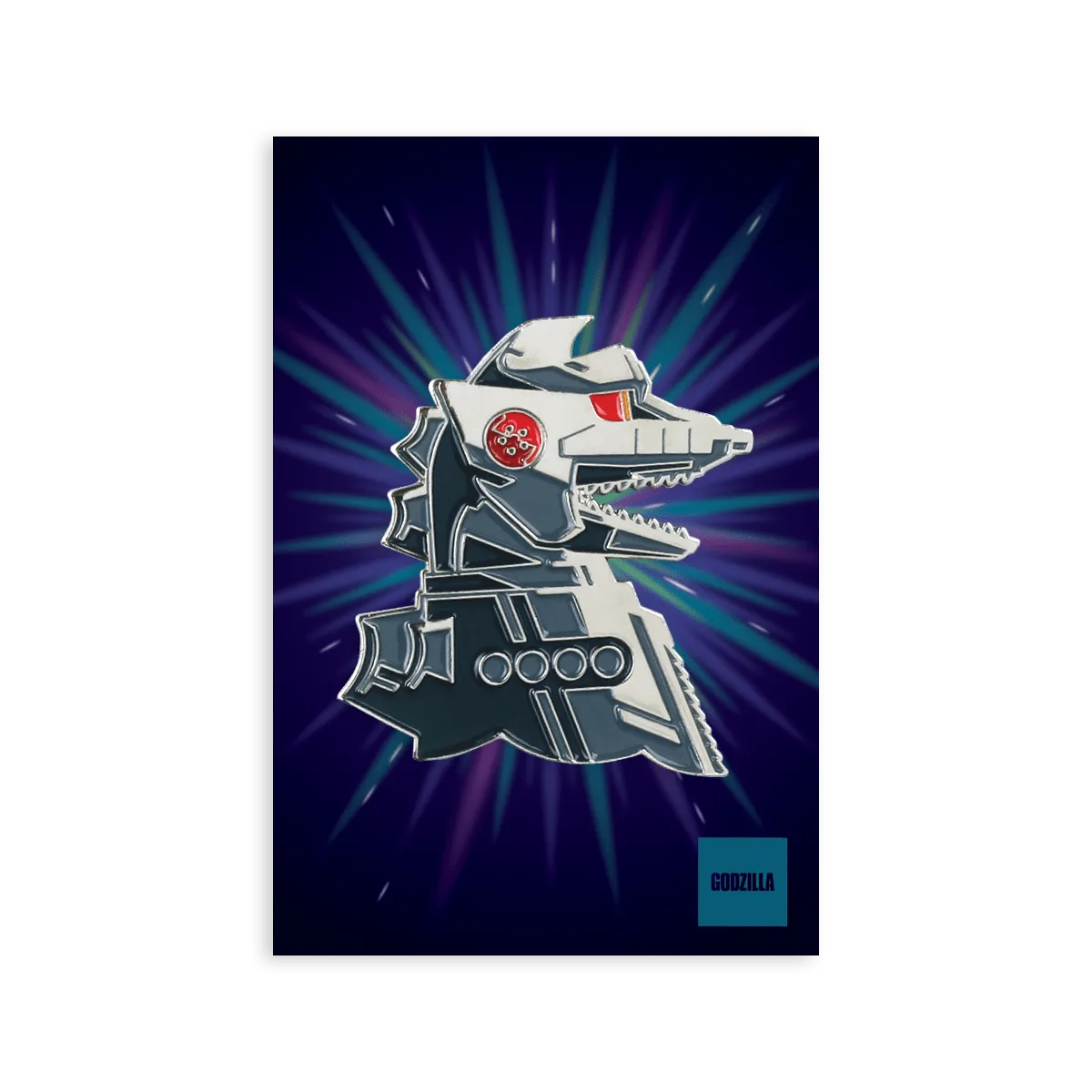
- Mechagodzilla Enamel Pin: 1.84" high soft enamel pin designed by Tom Whalen. Double post on shiny silvernickel with butterfly clutch backings. The Mechagodzilla pin demonstrates soft enamel's strength: the larger size (1.84") and double posts give it stability, while the textured recessed enamel allows Tom Whalen's detailed mecha design to pop. The shiny silvernickel metal contrasts nicely with the matte enamel recesses, emphasizing the artwork's depth.
Which Pin Type Should You Choose?
Best for
- Collectors who want a smooth, durable pin that resists scratches and looks polished on a jacket or bag
- Fans of simpler, bold designs where color saturation and a premium feel matter more than micro-detail
Not for
- Collectors who prioritize intricate linework, tiny text, or complex multi-color gradients in their pin designs
- Buyers on a tight budget who want the most detailed artwork for the lowest price