Quick answer
Hard water can make hair break because dissolved minerals leave a film that roughens the cuticle and makes strands less flexible. The fix is two-part: reduce the minerals hitting your hair with a shower filter, and use a shampoo formulated to remove existing buildup without stripping. If your breakage is patchy, sudden, or accompanied by scalp pain, see a dermatologist instead of adjusting your routine.
Why hard water turns hair brittle
Hard water carries calcium and magnesium ions. When that water hits your hair, those minerals can bind to the cuticle and form a thin, stubborn layer. That layer does two things: it makes strands feel rough and dry, and it reduces the hair's ability to absorb moisture and conditioning ingredients. Dry hair loses elasticity, and hair without elasticity snaps instead of stretching. That is the mechanical link between hard water and breakage.
This is also why hard water damage can look like heat damage or over-processing. The strand feels straw-like, tangles easily, and breaks mid-shaft rather than at the ends. If your hair was fine before a move or a water supply change, the water is the more likely variable.
How to tell buildup from true damage
Buildup sits on the outside of the hair. True damage is a structural change inside the strand. You can often separate them with one test: wash with a clarifying or chelating shampoo, then air-dry without styling products. If the hair feels noticeably softer and more flexible, you are dealing with buildup. If it still snaps when wet, the cortex is likely compromised and you need to cut back on chemical and heat treatments rather than just switching shampoo.
A second signal is location. Buildup-related breakage tends to be diffuse and worse where water sits longest, like the mid-lengths and ends. Damage from a single event, such as bleach or a hot tool, usually follows the pattern of that event.
Reduce the minerals before they reach your hair
The most direct hard water hair breakage fix is to change the water. A shower filter reduces chlorine, heavy metals, rust and odour, which means less film-forming material lands on your hair in the first place. If your water also leaves scale, look for filtration that targets scale and metals, not just chlorine.
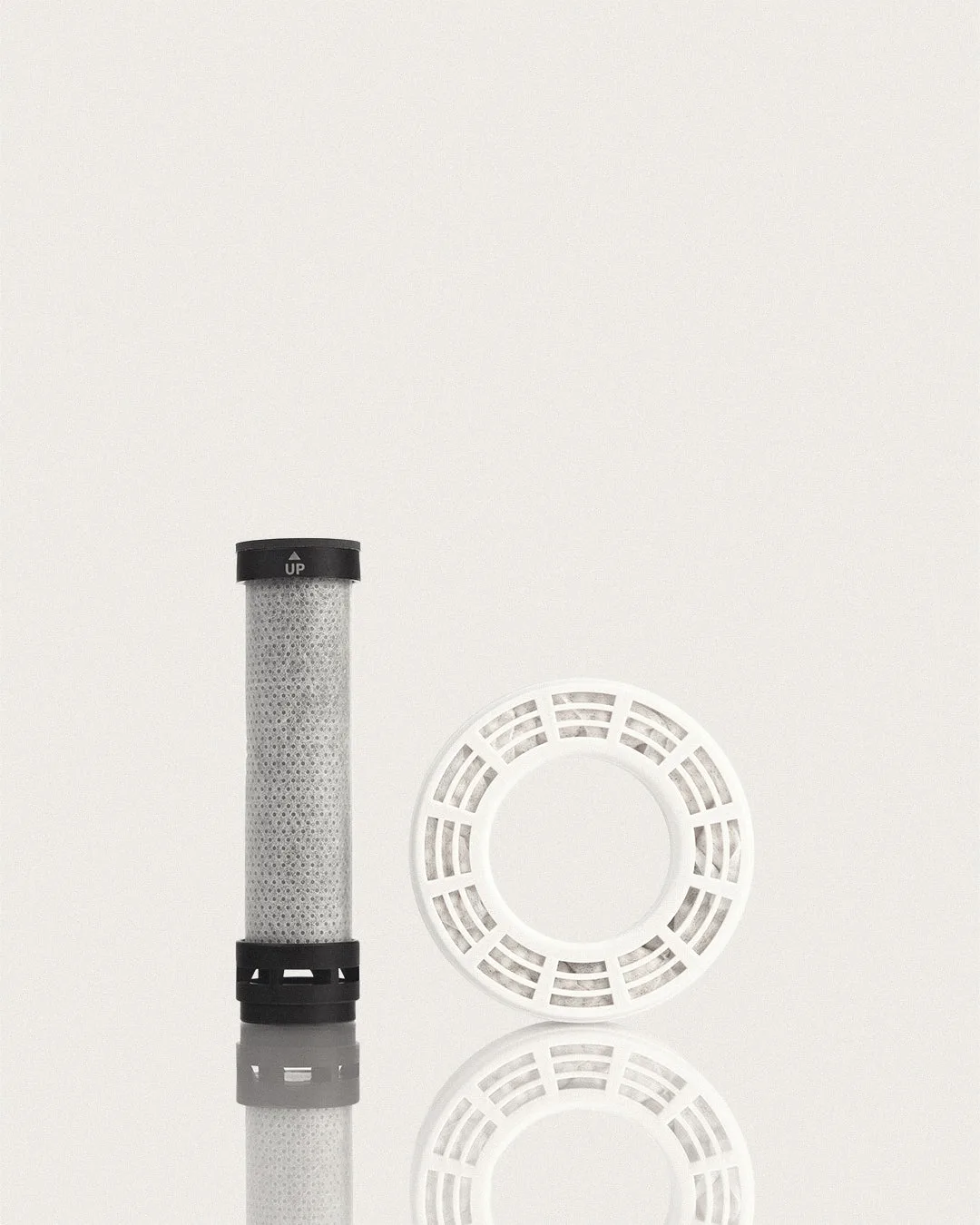
Filter choice matters less than filter consistency. A filter that is past its replacement window stops helping, so pick one you can actually maintain. Hydropowered tracking that tells you when to replace the filter removes the guesswork.
Build an anti-breakage routine around chelating and moisture
Once the water is cleaner, your routine should do two jobs: lift existing mineral buildup and restore flexibility. Use a shampoo designed for hard water on wash days, and follow with a conditioner that adds moisture without heavy waxes that re-coat the strand. Keep heat styling low, and detangle from the ends upward with a wide-tooth comb while hair is damp, not soaking wet.
Give the routine four to six weeks. Hair grows slowly, and the breakage you see now reflects the condition of hair that formed weeks ago. If new growth still snaps at that point, the water may not be the main cause.
Diagnose your breakage before you buy
- Symptom: rough, tangly hair that snaps mid-shaft: Likely cause is mineral buildup from hard water. Do a chelating wash, then reassess. If hair feels softer, start an anti-breakage routine with a hard water shampoo and a shower filter. Checkpoint: improvement after one wash points to buildup, not structural damage.
- Symptom: white scale on the showerhead or fixtures: Your water is leaving mineral deposits, so a filter that targets scale and metals will do more for your hair than a chlorine-only option. Pair it with a chelating shampoo. Choose filtration based on what your water actually leaves behind.
- Symptom: breakage that continues after six weeks of filtered water and chelating washes: Stop adding products. The cause is likely chemical, heat, or medical rather than water. See a dermatologist or a stylist before spending more on filters. Stop point: if the routine does not help in six weeks, change the diagnosis, not the shampoo.
Products that support this routine
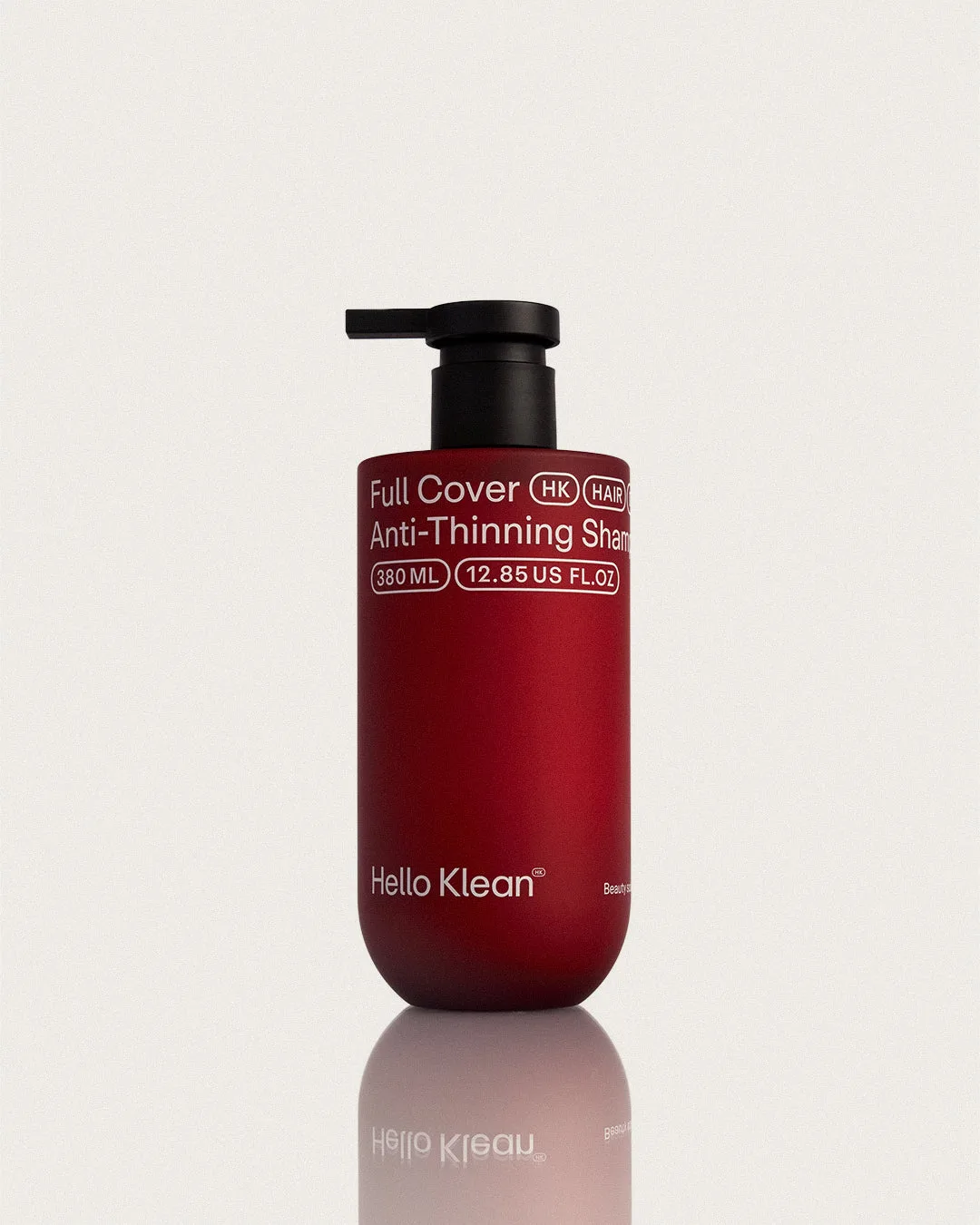
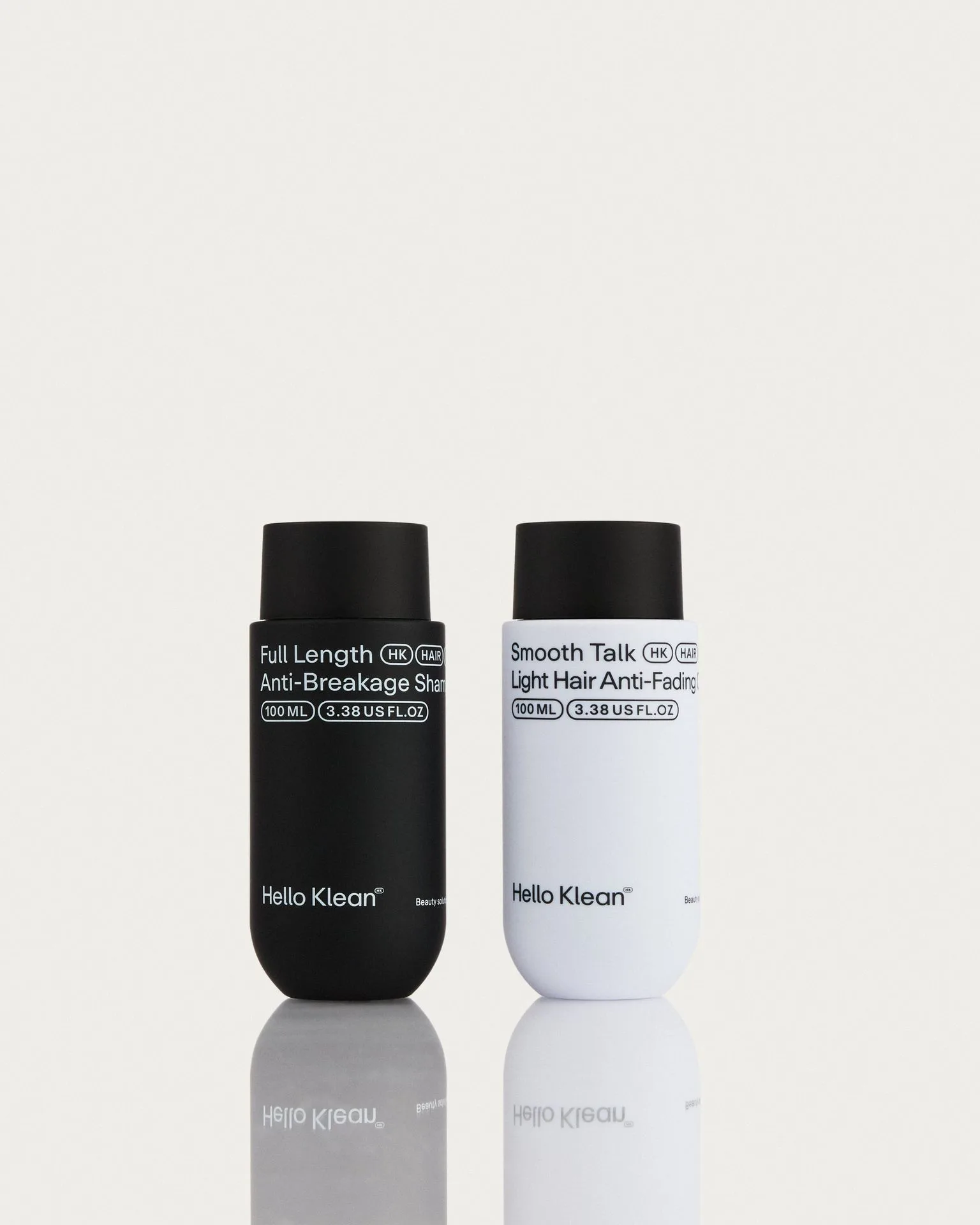
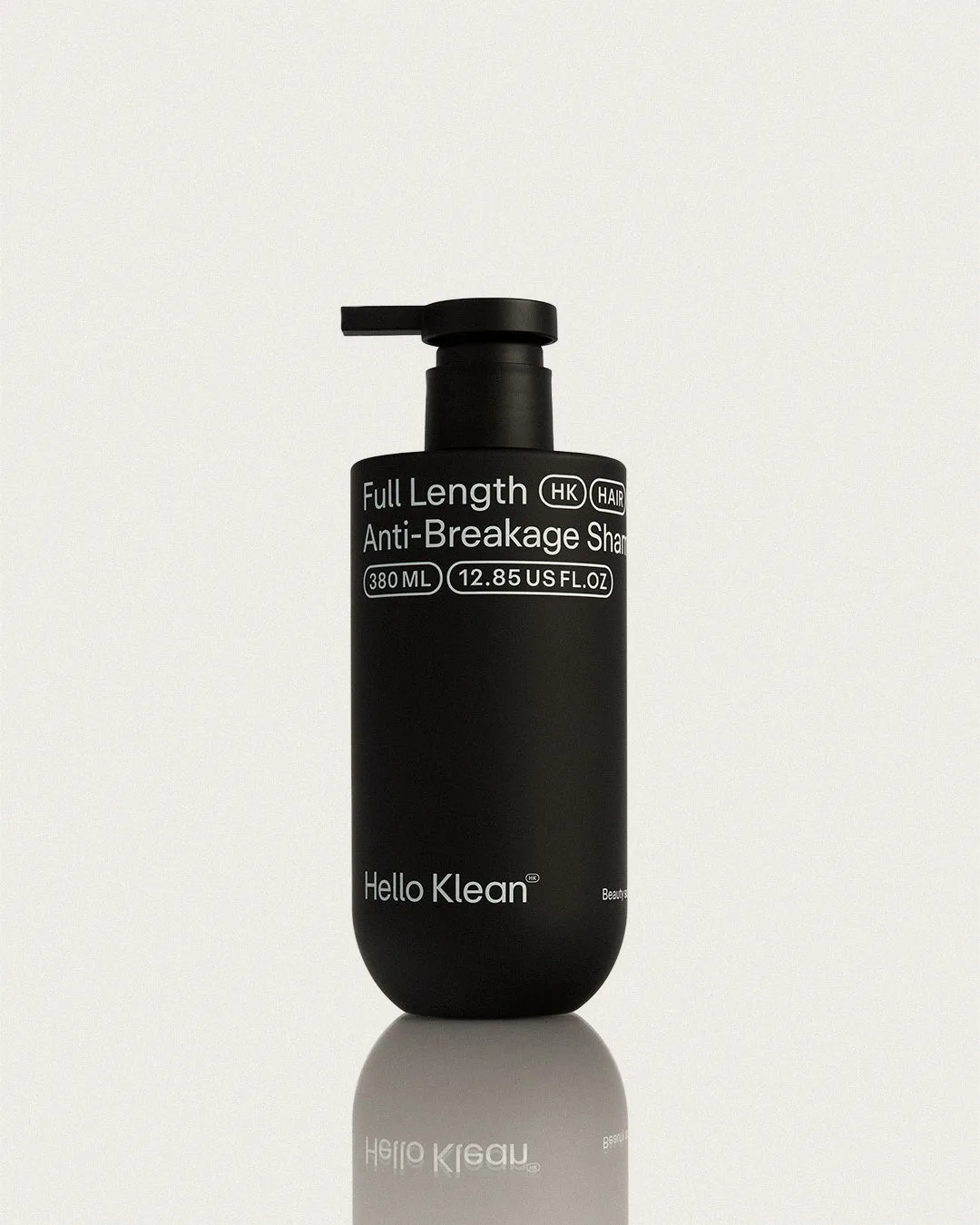
- Full Length Anti-Breakage Hard Water Shampoo: For all the crispy strands, free your hair from hard water's grip by removing buildup and preventing breakage. It's like pressing reset, leaving your hair refreshed but never stripped. This is the chelating step. It targets the mineral film that makes hair stiff, so strands can move and absorb moisture again.
- Hello Klean Shower Head Plus: Advanced filtration for scale, metals and chlorine, with hydropowered tracking that tells you exactly when to replace your filter. Reducing scale and metals at the source means less buildup forms in the first place, and the replacement tracking keeps filtration from silently fading.
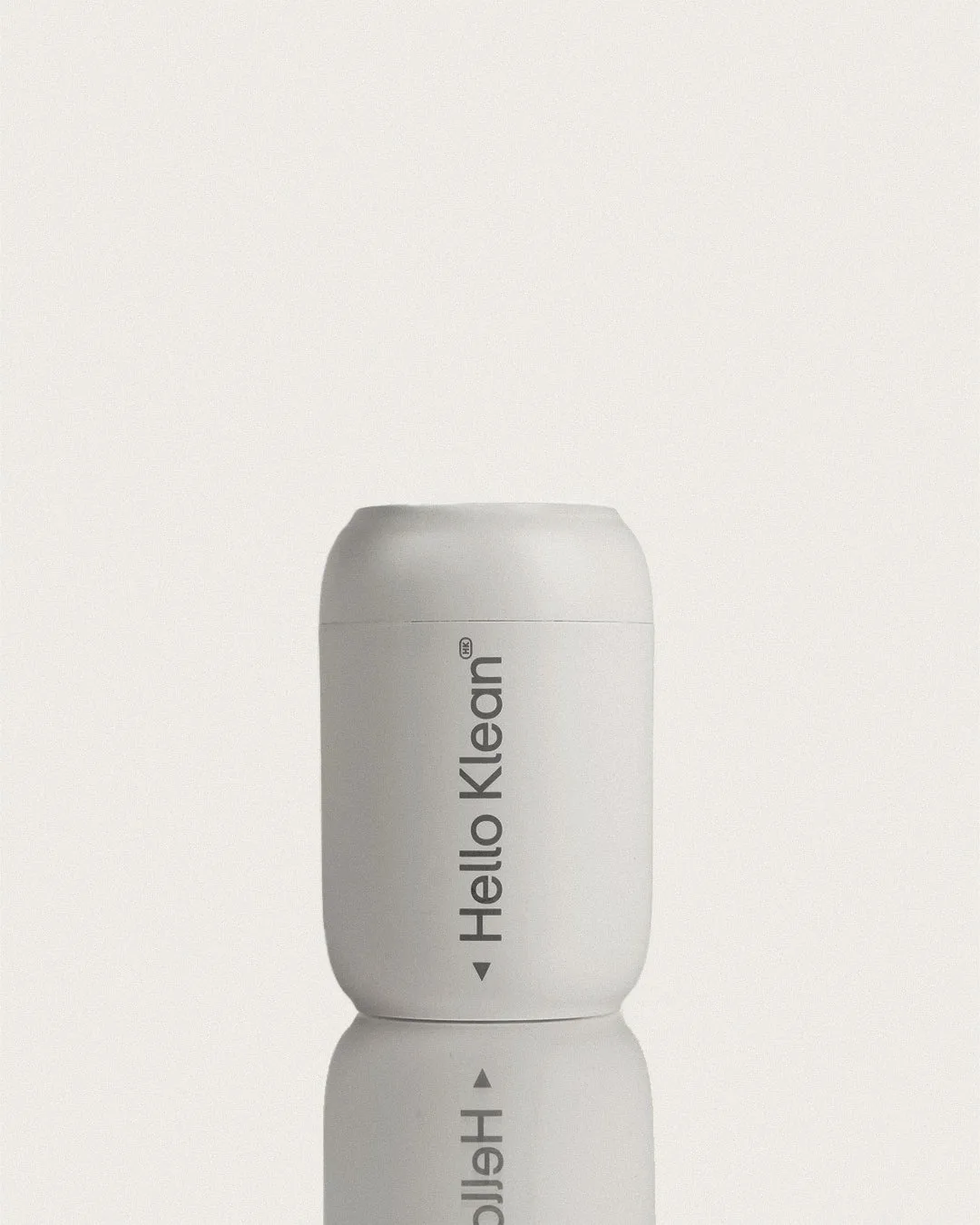
- Hello Klean Rain Shower: Reduces chlorine, heavy metals, rust and odour, so your routine can begin with a clean slate. One-Year Warranty. A good option if your main complaint is dry, irritated hair and skin rather than visible scale, and you want a lower-commitment filter.