Quick answer
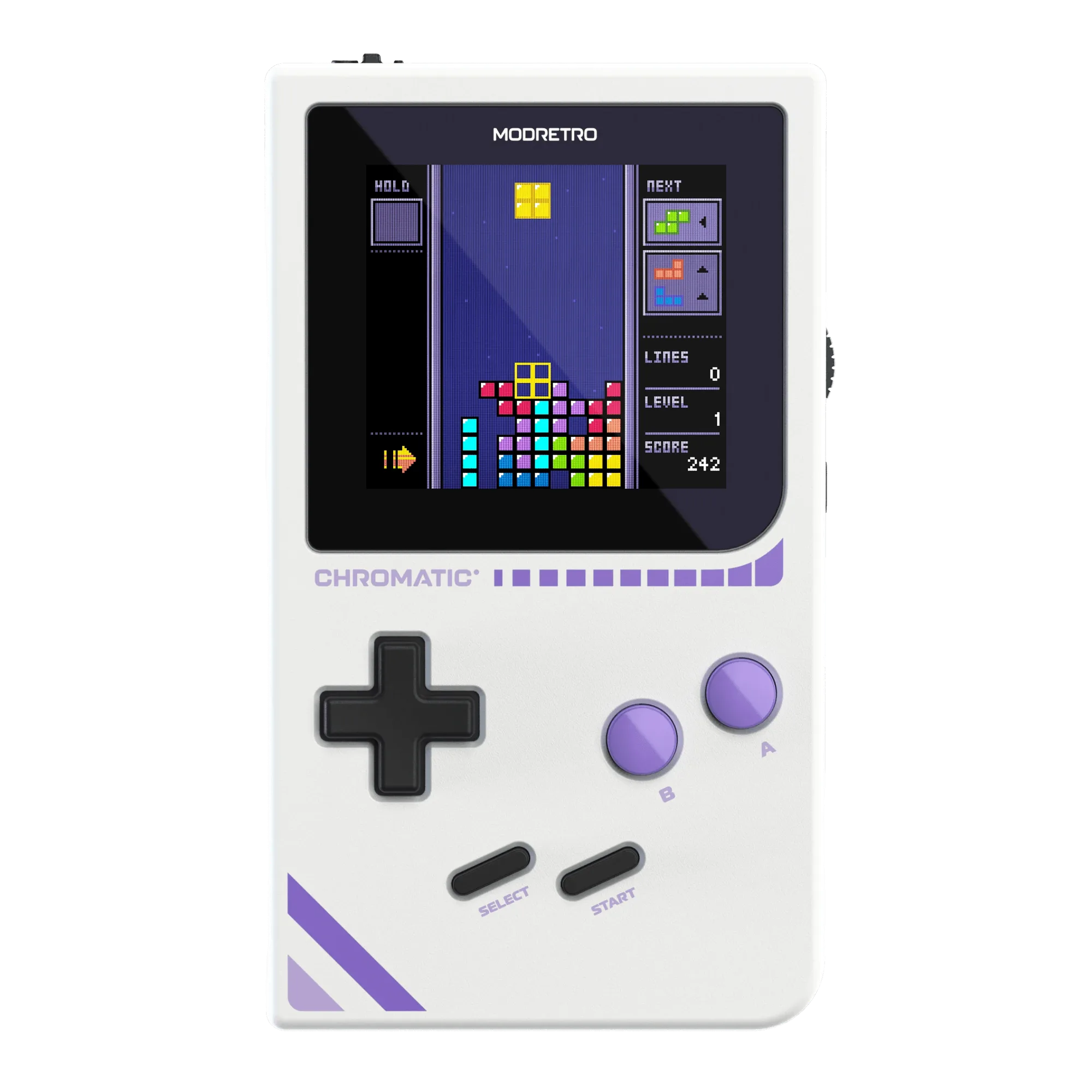
For most Chromatic and M64 players, a wired pair of over-ear headphones with a 3.5 mm plug, around 32 ohms impedance, and a 1.2–1.5 m cable is the safest pick. Skip Bluetooth dongles and inline volume pucks that add bulk to a handheld. If you play in bed or on the couch, prioritize comfort and a detachable cable over exotic drivers.
Why wired beats wireless on a retro handheld
Retro handhelds like the Chromatic and M64 are built around cartridge-in, play-now simplicity. Bluetooth adds pairing steps, a charging dongle, and latency that can smear timing in twitch-heavy games. A wired 3.5 mm connection is instant, silent, and never needs a firmware update. It also draws no battery from the handheld, which matters when you are running on AAs or a Rechargeable Power Core.
The tradeoff is obvious: you are tethered. If you pace while you play or share the screen with someone nearby, a short cable can feel restrictive. In that case, look for a headset with a detachable cable so you can swap lengths without replacing the whole pair.
Fit rules that actually matter for handheld play
Handheld gaming puts your head at an angle—looking down at a screen held 30–45 cm away. That posture changes what comfort means. Clamping force that feels fine at a desk can become a headache after 40 minutes of looking down. If you wear glasses, memory foam earpads with a softer seal matter more than leather or protein leather, which can press the arms of your glasses into your temples.
For IEMs (in-ear monitors), the risk is cable noise. Every time the cable brushes your shirt, you hear it. A shirt clip or a cable routed over the ear reduces that. For over-ears, weight is the number to watch: under 280 g is comfortable for most adults; above 320 g, you will feel it in your neck during long sessions.
- Glasses wearers: choose fabric or velour pads over stiff leather.
- Side sleepers: IEMs with a low-profile shell beat full-size headphones.
- Kids or smaller heads: look for a headband that adjusts down to 17 cm or less.
- Hot rooms: open-back or mesh pads run cooler than sealed leather.
Cable, plug, and impedance: the three specs to check
The Chromatic and M64 use a standard 3.5 mm output, so any wired headphone with that plug will work. The question is how well. Impedance is the main variable: low-impedance headphones (16–32 ohms) get loud enough from a handheld's modest amp. High-impedance studio models (250 ohms and up) will sound thin and quiet without a separate amp, which defeats the purpose of a portable setup.
Cable length is the second spec. A 1.2–1.5 m cable is long enough to reach from the handheld to your head with slack, but short enough that it will not snag on a chair arm. Straight plugs fit flush; right-angle plugs survive pocket carry better. If the cable is fixed and too long, a velcro tie is a cheap fix.
Sensitivity matters too, but it is less commonly listed. If two headphones have the same impedance, the one with higher sensitivity (measured in dB/mW) will play louder. When in doubt, buy from a store with a return policy and test at your normal volume.
Open-back vs closed-back for retro games
Retro game audio is often chiptune, which is midrange-heavy and can sound harsh on bright headphones. Closed-back headphones isolate you from room noise and keep the sound in—good for commuting or playing next to a sleeping partner. Open-back headphones sound wider and less fatiguing but leak sound both ways. For cartridge gaming on a handheld, closed-back is usually the practical choice unless you play alone in a quiet room.
If you already own a pair of open-back headphones, try them before buying anything new. The difference on a handheld is smaller than the difference on a home console, because the built-in amp limits how much the soundstage can open up.
What to avoid when buying for Chromatic or M64
Avoid anything that requires an app, a dongle, or a firmware update. The appeal of these handhelds is that they just work. A headset that needs a companion app to unlock its best sound is a mismatch. Also avoid active noise cancellation unless you specifically need it for travel—ANC adds weight, a battery, and another thing to charge.
Skip 'gaming' headsets with boom microphones unless you also play online on a different platform. The mic adds cost and bulk you will not use on a single-player cartridge game. Finally, do not buy high-impedance audiophile headphones expecting them to shine on a handheld. They are built for desktop amps, not a 3.5 mm jack on a pocket console.
Decision rules for buying retro handheld headphones
- If you play in bed or on the couch: Choose over-ear headphones under 280 g with velour or fabric pads and a detachable 1.2 m cable. Comfort beats exotic driver specs for long handheld sessions.
- If you commute or play near other people: Choose closed-back headphones with a right-angle 3.5 mm plug and low impedance (16–32 ohms). Isolation and a pocket-friendly plug matter more than soundstage here.
- If you already own high-impedance studio headphones: Do not buy a portable amp just for a handheld. Try them first; if they are too quiet, buy a low-impedance pair instead. A handheld's 3.5 mm jack is not a desktop amp.
- If you wear glasses: Avoid stiff leather pads that press on the arms. Look for memory foam with a softer seal or switch to IEMs. Pad material is a fit decision, not a sound decision.
Products that pair well with these headphones
- Chromatic + Tetris Bundle: Chromatic is a cartridge console with no downloads, logins, or interruptions—plug in a cartridge and start playing. A wired headphone matches that instant-on approach: no pairing, no app, no waiting.
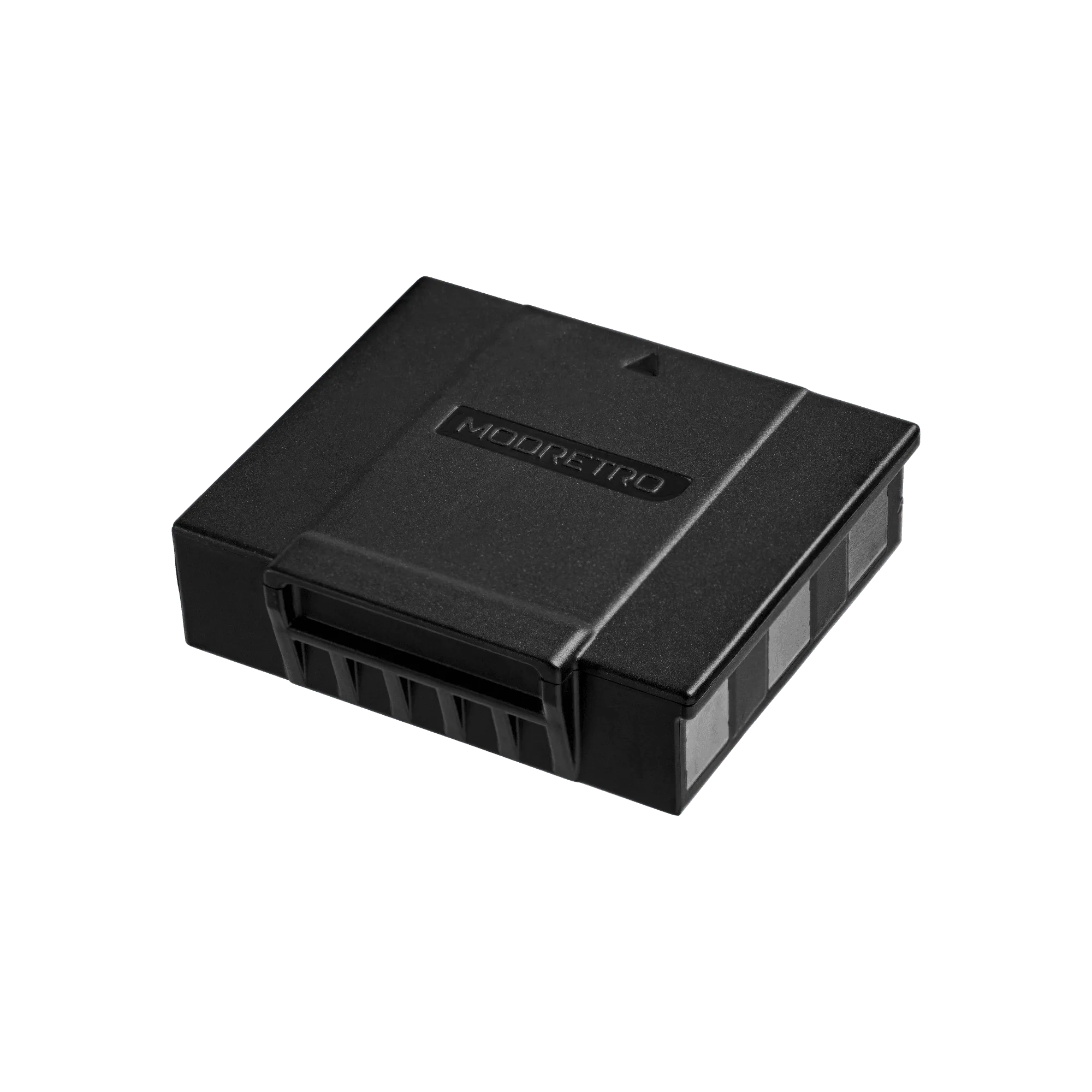
- Rechargeable Power Core: The Rechargeable Power Core clicks into place without tools, charges over USB-C, and lets you swap out AAs. Since wired headphones draw no battery, the Power Core extends play time for the handheld itself rather than competing with a wireless headset for power.
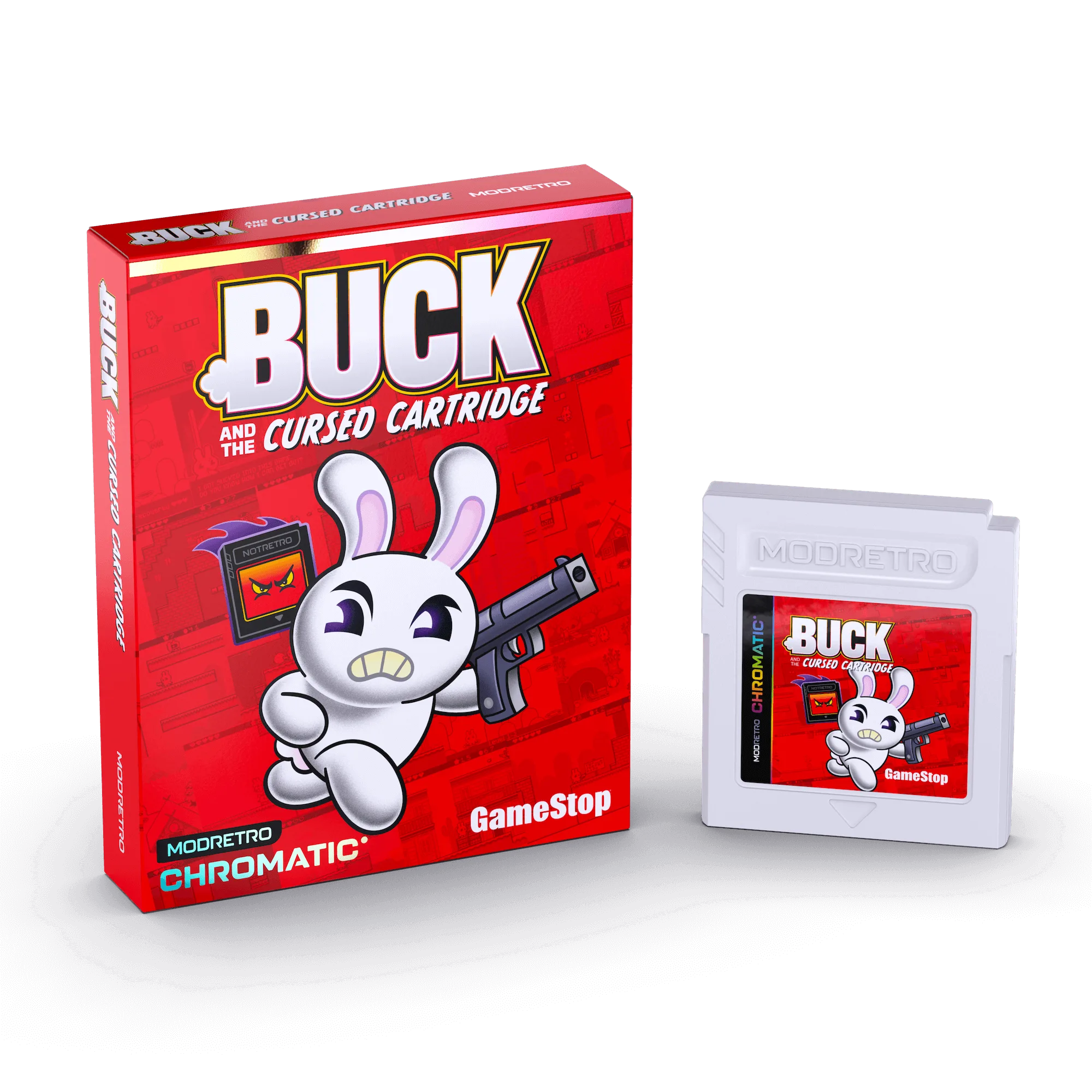
- Buck and the Cursed Cartridge: Buck and the Cursed Cartridge is a Chromatic game about a retro gamer sucked into a mysterious cartridge. A game with glitchy bosses and pixelated worlds benefits from clear midrange and low latency—exactly what wired headphones deliver.
Who this guide is for
Best for
- Chromatic and M64 owners who want one wired pair for handheld play
- Players who value instant-on, no-app audio
- Commuters and couch players who need comfort for 30–60 minute sessions
Not for
- Players who need wireless freedom and do not mind pairing latency
- Audiophiles planning to drive 250-ohm headphones from a handheld jack
- Anyone who needs a boom mic for online voice chat on the same device