Quick Recommendation
If you need illumination that won’t add heat to a room, Desperado Under the Stars is the better choice. For bright, festive lighting where heat isn’t a concern, electric string lights remain the go‑to.
When indoor lighting doubles as décor, the heat it emits can affect comfort, artwork, and even the longevity of other thermal‑sensitive pieces. Desperado Under the Stars offers a heat‑free alternative that relies on thermochromic materials to create a gentle glow without electricity.
Electric string lights are familiar, affordable, and deliver strong illumination, but they generate heat that can be problematic in small or climate‑controlled spaces. This guide breaks down the trade‑offs so you can match the right lighting to your environment.
How Desperado Under the Stars Works
Desperado uses thermochromic pigments that shift color as ambient temperature changes. The material itself emits a soft, low‑intensity light that requires no electricity, keeping the surrounding air temperature stable. Because it relies on passive temperature shifts, the glow can last for months without additional power.
The technology mirrors the behavior of our thermal nail polishes, which transition color over time without external heat. This means the lighting stays consistent, and you avoid the incremental warmth that typical bulbs produce.
- Zero‑heat output – ideal for climate‑controlled rooms
- Passive operation – no wiring or batteries needed
- Soft ambient glow that changes with room temperature
Electric String Lights: Pros and Cons
Traditional string lights run on low‑voltage electricity and can be powered by batteries or plug‑in adapters. They deliver bright, colorful illumination and are easy to install on walls, ceilings, or furniture.
However, each bulb generates a small amount of heat. In tightly sealed rooms or when multiple strands are used, this heat can accumulate, raising the temperature and potentially affecting heat‑sensitive décor.
- High brightness and color variety
- Simple plug‑in or battery operation
- Produces measurable heat over long use
Key Decision Factors
Consider the size of the space, the desired light intensity, and any heat‑sensitivity of surrounding items. For small bedrooms, home offices, or galleries with thermochromic art, a heat‑free solution like Desperado reduces the risk of temperature‑related damage.
If you need vibrant, festive lighting for parties or larger rooms where heat dispersion isn’t an issue, electric string lights remain cost‑effective and versatile.
- Space size – tiny rooms favor heat‑free options
- Brightness need – high‑energy events favor electric lights
- Heat‑sensitive décor – choose passive thermochromic lighting
Decision Rules for Choosing Heat‑Free Lighting
- Heat Generation: Desperado emits virtually no heat; electric string lights add measurable warmth over time. Select Desperado for heat‑sensitive environments.
- Installation Complexity: Desperado requires only placement; string lights need wiring or battery packs. Choose Desperado for quick, tool‑free setup.
- Brightness & Color Control: String lights offer high brightness and interchangeable colors; Desperado provides a soft, temperature‑driven glow. Opt for string lights when vivid illumination is a priority.
Thermal Product Insights
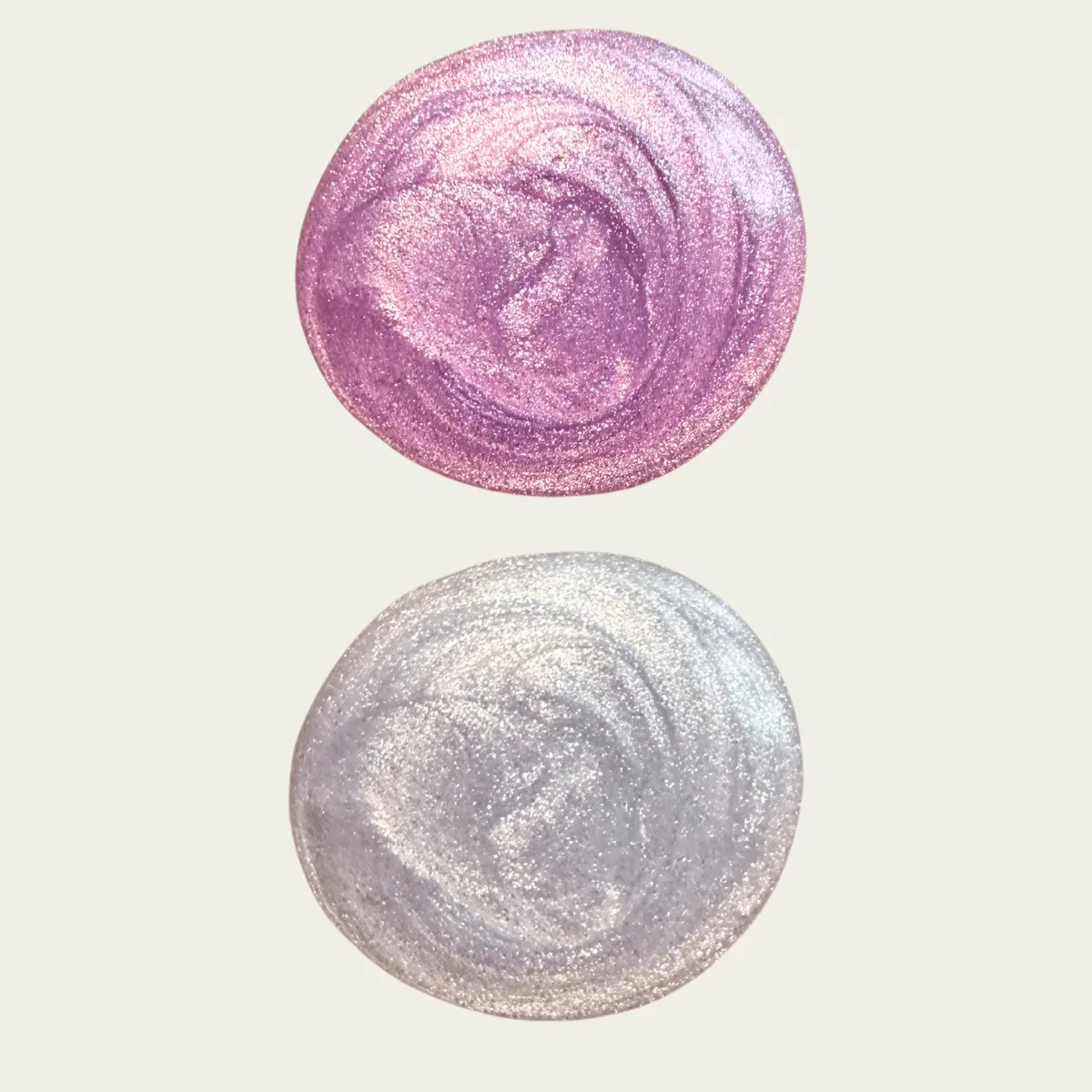
- https://deathvalleynailses.com/products/rainwater-sorbet-thermal-wholesale-4e4ca90c515b63523813772c-2481931RAINWATER SORBET (thermal) (Wholesale): Lilac purple to pearly silver thermal with silver blue/green shimmer. Cool, delicate, luminous. Care: Thermal polish will actively transition for up to two years if kept in a dark and cool environment. Shows how thermochromic pigments can change color without external heat, illustrating the principle behind Desperado’s heat‑free glow.
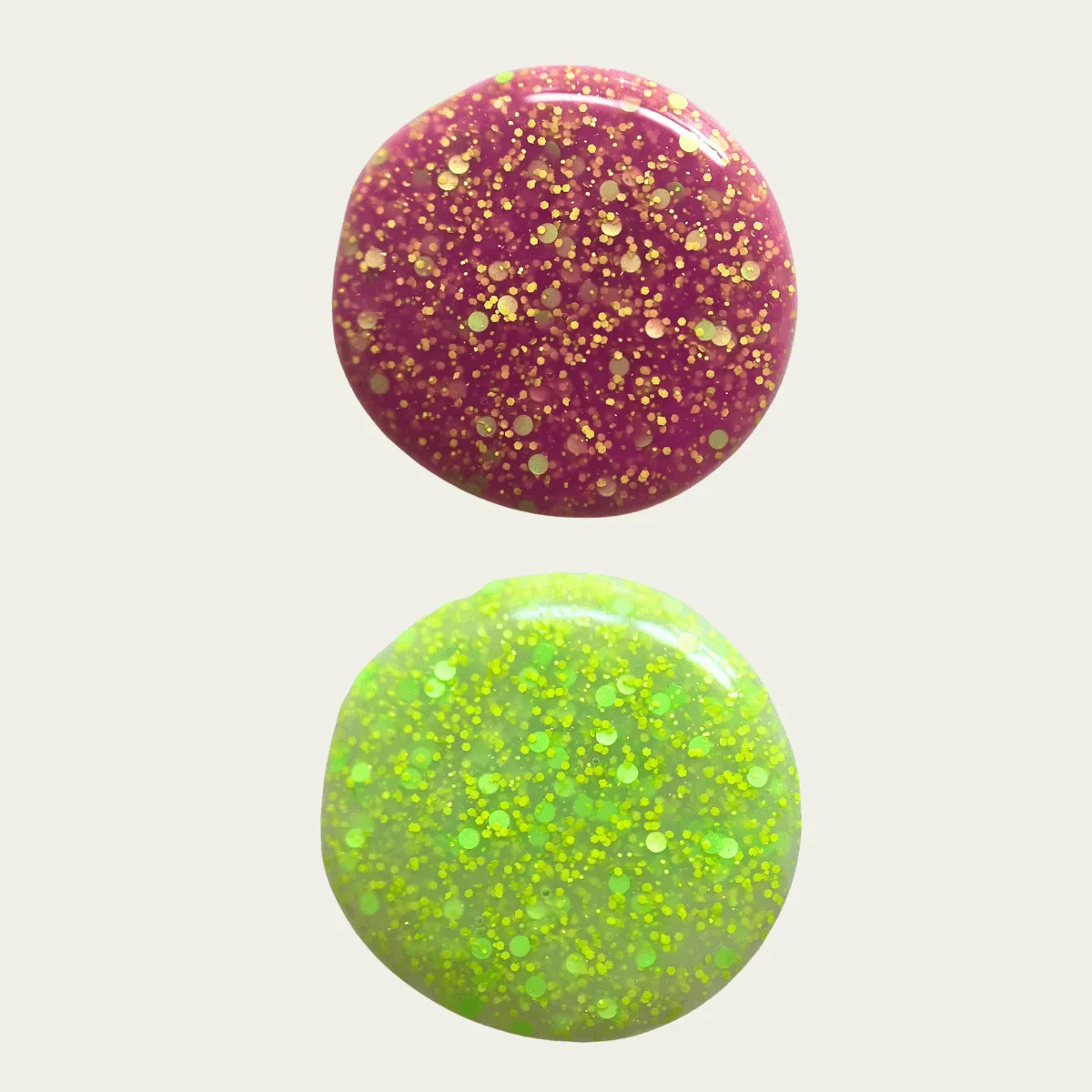
- https://deathvalleynailses.com/products/skunk-dreams-thermal-copy-d2ce61ceec32fd095c48fea0-2481871SKUNK DREAMS (thermal) (Wholesale): Jelly mauve pink that turns colorless when exposed to heat with matte neon green glitter. Thick, applies like a chunky jelly, filled with matte neon lime glitter. Care: Thermal polish will actively transition for… Demonstrates the reversible color shift that occurs with temperature changes, reinforcing why a passive lighting system can stay visually dynamic without electricity.
Who Should Choose Which Option
Best For
- Small rooms, home offices, or galleries with temperature‑sensitive décor
- Spaces where maintaining a stable climate is essential
Not Ideal For
- Large outdoor events requiring strong, colorful illumination
- Areas where high brightness is needed for functional tasks
Desperado Under the Stars offers a sleek, heat‑free lighting alternative perfect for intimate, climate‑controlled settings, while electric string lights remain the reliable choice for bright, festive occasions. Evaluate your space’s heat tolerance and lighting needs to pick the right glow.